
Artist
LCD Soundsystem
Brooklyn, United States · Formed 2001
LCD Soundsystem is a music group from Brooklyn, United States, active since 2001. Their discography on Gatefold includes 24 records.

28
Albums tracked
368
In collections
2001
Since
Biography
James Murphy was thirty-two and already washed up by industry standards when he dropped 'Losing My Edge.' He’d turned down a writing gig for Seinfeld to build a studio and start DFA Records with Tim Goldsworthy, obsessing over the exact snap of a cowbell and the grit of silver-box analog synths. The whole project started as a panicked defense mechanism against the cool kids in Brooklyn who were discovering the disco records Murphy had been hoarding for a decade. It wasn't a band yet; it was just a guy with a record collection and a chip on his shoulder. By the time they hit the mainstream, the act was a tight, white-knuckled live unit that could out-groove any dance floor while sounding like a punk band falling down a flight of stairs. They spent years perfecting a specific brand of neurotic cool before Murphy decided to kill the whole thing at Madison Square Garden just to see if he could. The comeback years later lost some of that frantic, 'too-cool-to-care' energy, trading the dance-punk snark for a heavier, more somber focus on gear-obsessed Bowie worship and the reality of getting old in a young man’s game.
Bio from The Clerk
The Arc of LCD Soundsystem
The pivots — what forced LCD Soundsystem to reinvent.
The DFA Blueprint
Murphy and Goldsworthy spent the early 2000s turning a dirty basement into a production powerhouse, defined by the dry, compressed drum sound and the modular synth squelch of the debut double album. This era was about the 12-inch single culture, where 'Losing My Edge' served as a manifesto for every record store clerk who felt replaced by the internet. You can hear the hardware limitations in the repetitive, hypnotic loops that define tracks like 'Beat Connection.' It was a masterclass in using limited gear to create a maximalist club vibe.
The Mansard Shift
For Sound of Silver, the band moved into a farmhouse in Massachusetts and covered every square inch of the walls in silver foil to set a specific mood. This is where the songwriting caught up to the production, moving past irony and into genuine, heartbreaking sincerity on tracks like 'Someone Great.' The sound became denser and more orchestral, losing the sparse disco-punk jaggedness for a shimmering, high-fidelity sheen. It’s the sound of a producer realizing his band could actually be the greatest live act on the planet.
The Long Goodbye
The This Is Happening sessions at Rick Rubin’s Mansion were defined by Murphy’s self-imposed rule that everyone had to wear white and the realization that the end was in sight. The music leaned heavily into the 'Berlin' era of the 1970s, featuring sprawling ten-minute epics that felt like an intentional closing of the book. After the Madison Square Garden 'funeral' show, the project went dark for years, leaving a vacuum in the New York scene that nobody else could quite fill. The eventual return with American Dream stripped away the dance-floor humor entirely, replaced by a dark, analog synth-heavy meditation on death and distance.
Influences
- The Fall — Murphy has explicitly cited Mark E. Smith as his primary vocal blueprint, specifically the rhythmic, speak-singing delivery. You hear it most clearly on the debut's 'Movement,' which is essentially a love letter to the scratchy, caustic post-punk of Hex Enduction Hour. The attitude of the grumpy, intellectual outsider comes straight from Smith.
- Liquid Liquid — The 99 Records crew provided the DNA for the DFA drum sound, particularly the dry percussion and heavy bass grooves. LCD famously covered 'Optimo,' and the cowbell-heavy breakdown in 'Daft Punk Is Playing at My House' is a direct descendant of the New York No Wave scene. They took the basement funk of 1981 and polished it for 2005.
- David Bowie — The 'Berlin Trilogy' is the holy text for Murphy, who even brought in Bowie’s long-time collaborator Tony Visconti for later work. The track 'All My Friends' steals its relentless, driving piano momentum from the spirit of 'Heroes.' It is the most transparent influence in their catalog, especially on the later, more atmospheric records.
- Talking Heads — The influence is documented through the shared lineage of art-school neurosis and the transition from skeletal punk to polyrhythmic dance music. 'Home' is a massive nod to the Remain in Light era, mirroring David Byrne’s specific vocal cadences and the layered, interlocking percussion. It’s the sound of being too smart for the disco but going anyway.
- PIL (Public Image Ltd) — The screeching guitar work and dub-heavy basslines on the early DFA singles are ripped directly from Metal Box. Murphy’s production style mimics the way Keith Levene’s guitar would cut through a thick, club-ready low end. It gave the early LCD records a jagged, dangerous edge that prevented them from being 'just' dance music.
Discography
Their records — most-collected first.
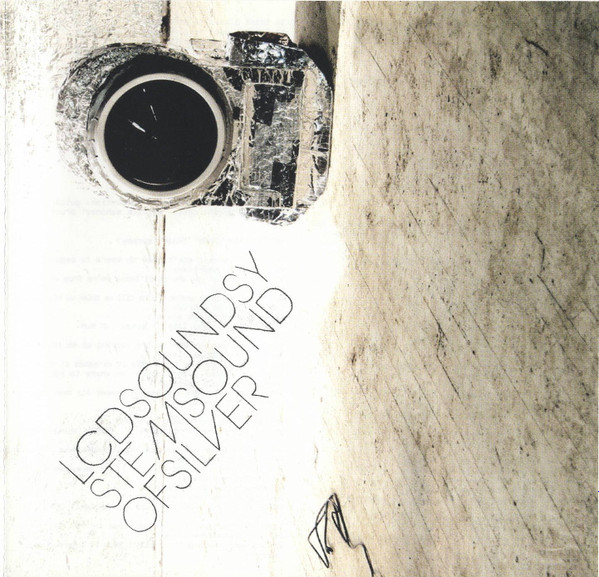
Sound Of Silver
2007
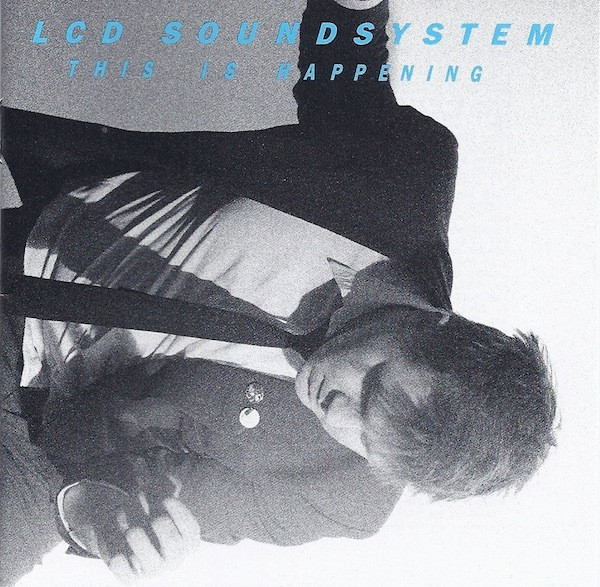
This Is Happening
2010
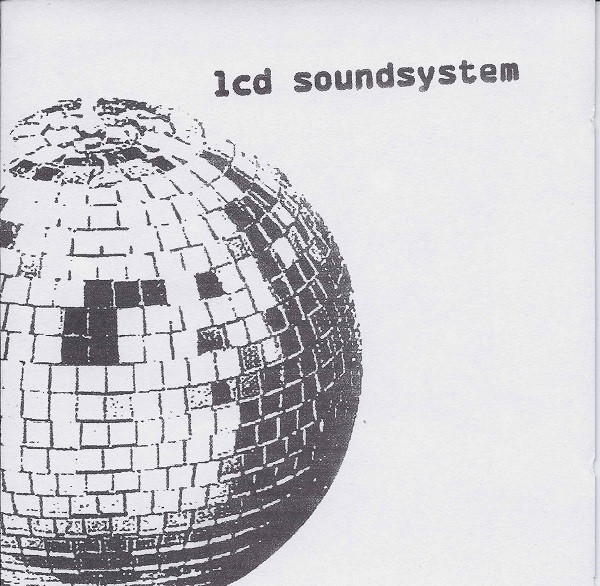
LCD Soundsystem
2005
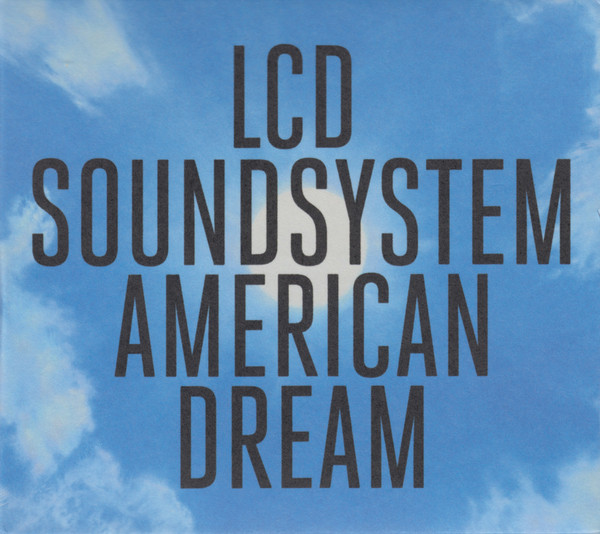
American Dream
2017
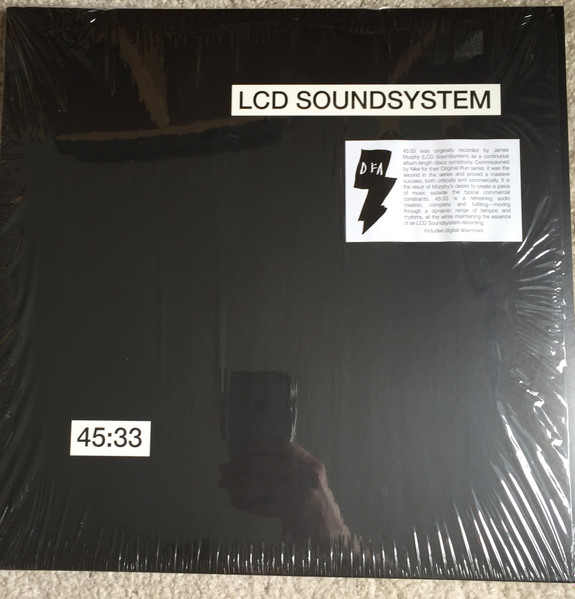
45:33
2007
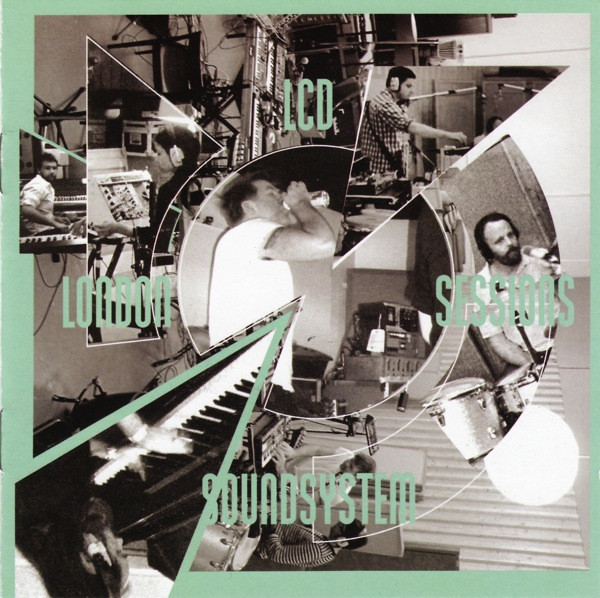
London Sessions
2011
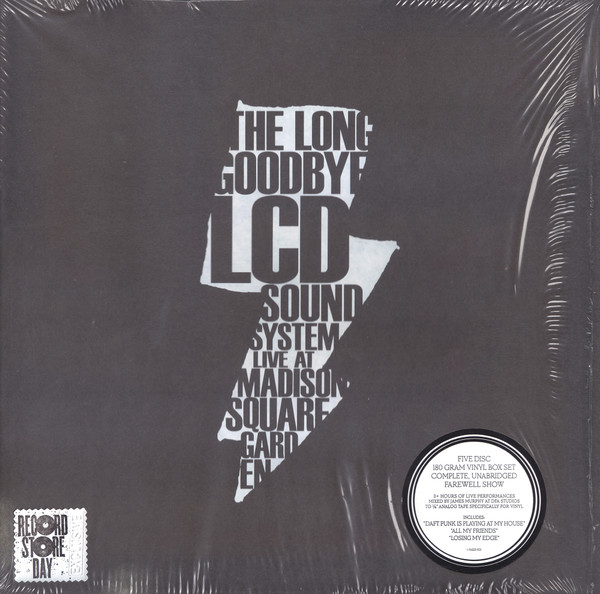
The Long Goodbye: LCD Soundsystem Live At Madison Square Garden
2014
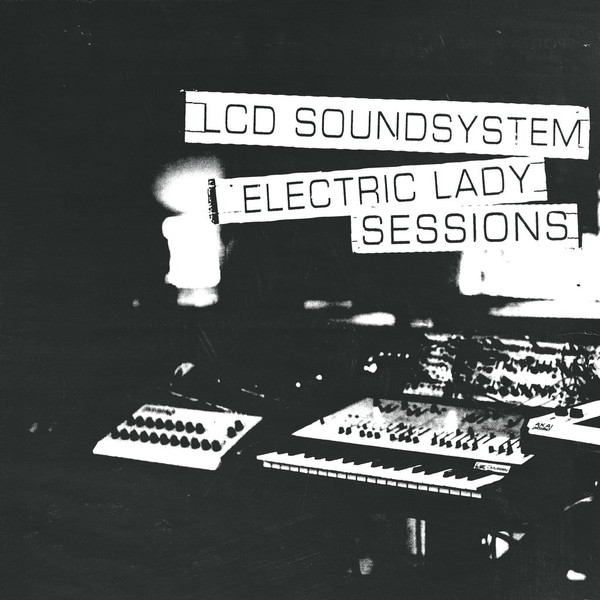
Electric Lady Sessions
2019
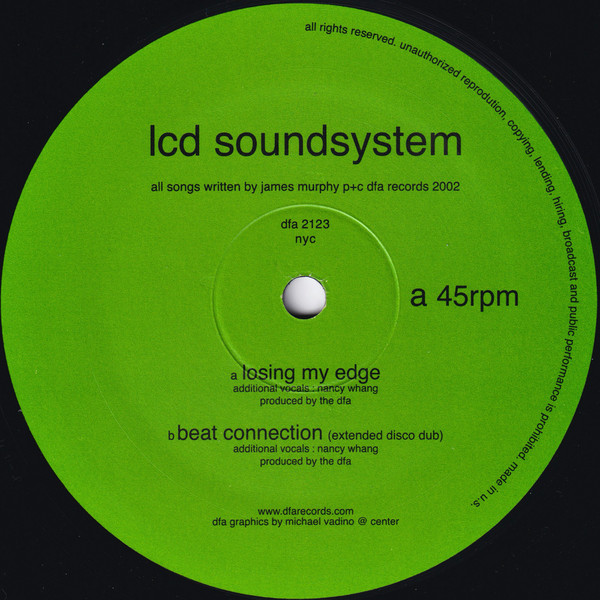
Losing My Edge
2002
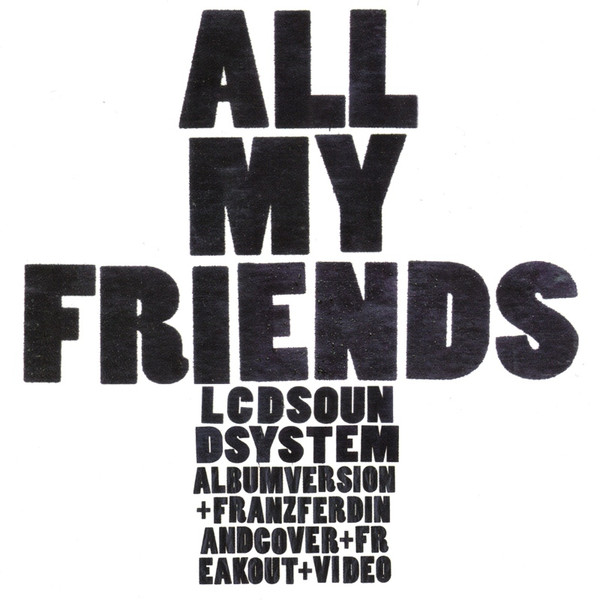
All My Friends
2007
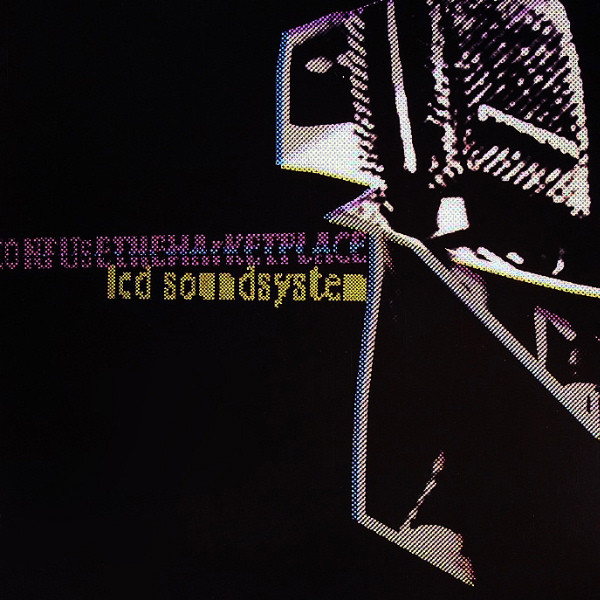
Confuse The Marketplace
2007

Daft Punk Is Playing At My House
2005

Tribulations
2005
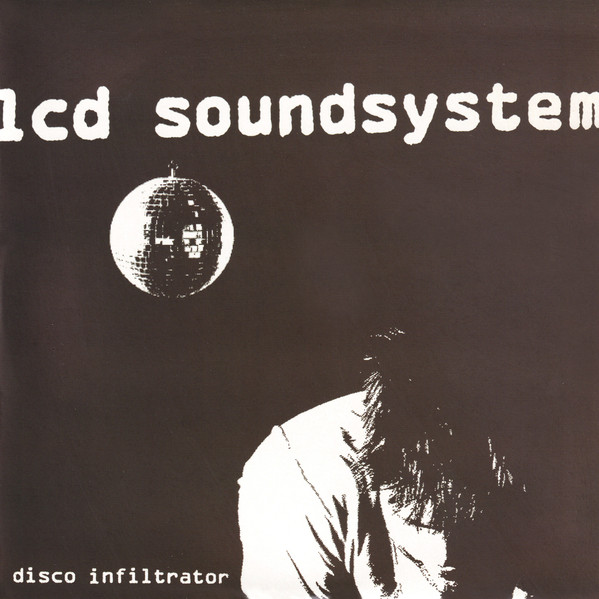
Disco Infiltrator
2005
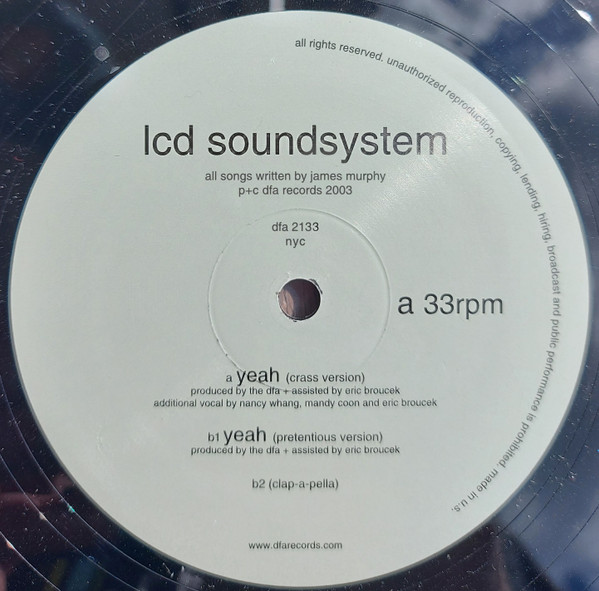
Yeah
2004

X-Ray Eyes
2024

Oh Baby (Lovefingers Remix)
2018

Christmas Will Break Your Heart
2015

Shut Up And Play The Hits
2012
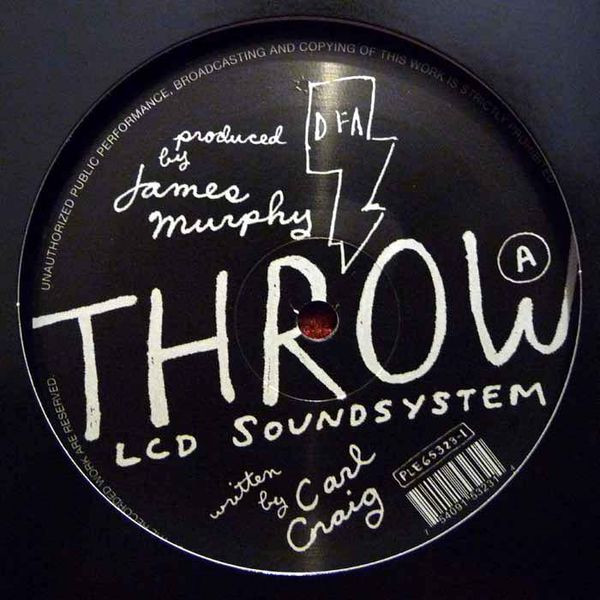
Throw
2010
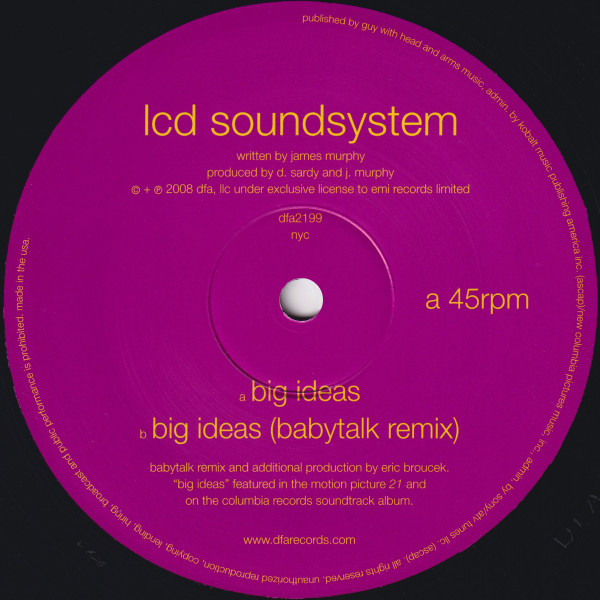
Big Ideas
2008

North American Scum
2007
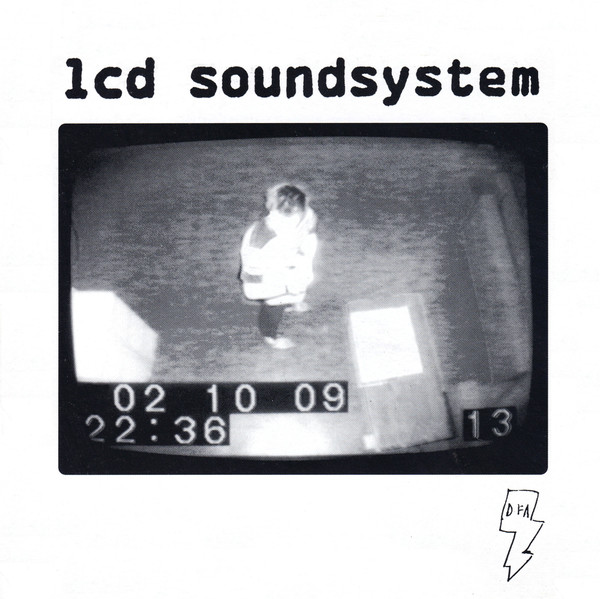
Give It Up
2003
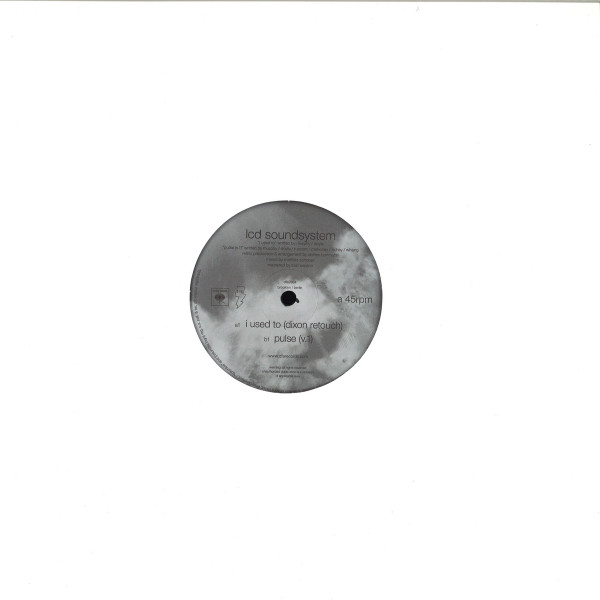
I Used To (Dixon Retouch) / Pulse (V.1)
2018
Related artists
Members
Around the web
Follow every record they touch.
Start your shelf and Gatefold tracks LCD Soundsystem's new pressings, tour dates, and the whole discography — automatically.
Start your shelf →Free forever. Works with 10 records or 10,000.