
Artist
Kyle Dixon
United States
Kyle Dixon is a musician from United States. Their discography on Gatefold includes 8 records.
8
Albums tracked
66
In collections
—
Since
Biography
Kyle Dixon and Michael Stein didn’t have a studio budget when they started tracking ideas; they just had a massive pile of analog hardware in an Austin apartment and a shared obsession with the texture of a dying synthesizer. They weren't trying to score a Netflix phenomenon. They were just two guys from S U R V I V E making dark, abrasive hardware jams for a niche tape label called Holodeck. The industry caught up to them because the Duffer Brothers happened to be listening to their 2012 debut while scouting for a specific kind of dread. Success didn't change the gear list much, but it tightened the discipline. Most guys get a hit and buy every VST plugin on the market, but Dixon stayed rooted in the physical limitations of the Sequential Circuits Prophet-6 and the Moog Mother-32. It’s that refusal to use presets that keeps the work from sounding like cheap 80s karaoke. You can hear the actual voltage fluctuating in the oscillators, which is why the stuff feels heavy instead of just nostalgic.
Bio from The Clerk
The Arc of Kyle Dixon
The pivots — what forced Kyle Dixon to reinvent.
The Holodeck Tape Years
Before the mainstream came knocking, Dixon was grinding in the Austin modular synth scene with the quartet S U R V I V E. They were outputting limited run cassettes on the Holodeck label, focusing on long-form, repetitive kosmische musik that favored thick drone over melody. You hear this in the early stuff—it’s colder, more industrial, and completely disinterested in being approachable. It was music made for people who care more about filter sweeps than hooky choruses.
The Hawkins Shift
Everything changed when the Stranger Things gig landed, forcing Dixon to pivot from sprawling jams to precise, narrative-driven cues. He and Stein had to learn the language of film scoring on the fly, translating their hardware-heavy sound into bite-sized motifs that could underscore a kid riding a bike or a monster in a shed. This era stripped away the noise and replaced it with a heavy focus on arpeggiation and tension. It turned a hobbyist hardware obsession into a global aesthetic that practically revived the entire synthwave genre overnight.
Influences
- Tangerine Dream — Dixon has explicitly cited their 1977 soundtrack for 'Sorcerer' as a blueprint for how to use synths to create atmospheric dread. You hear it in the way he utilizes rhythmic pulses to drive the pace without needing a drum kit. It’s that same Krautrock DNA applied to modern suspense.
- John Carpenter — The direct lineage is the DIY approach to the Prophet-5, which Dixon used because Carpenter made it the voice of 80s horror. He ditches the orchestral bloat to focus on simple, haunting melodies that stick to the ribs. It's about the economy of the notes, not the complexity.
- Goblin — Dixon frequently mentions the Italian prog-rockers' work with Dario Argento as a primary source for his more aggressive, rhythmic sequences. The way Dixon blends staccato synth stabs with eerie drones is a straight lift from the 'Suspiria' playbook. It's the sound of a nightmare with a beat.
- Vangelis — The influence shows up in the use of the Yamaha CS-80 and the heavy, dripping reverb applied to lead lines. Dixon leans into that 'Blade Runner' style of epic, melancholic soundscapes that feel both futuristic and ancient. It’s the texture of the decay that connects them.
- Aphex Twin — In interviews, Dixon points to Richard D. James as the reason he got into hardware manipulation and the idea of 'ugly' electronics. You hear this in the more distorted, grainy textures buried under his cleaner soundtracks. It's the IDM sensibility applied to a cinematic context.
Discography
Their records — most-collected first.
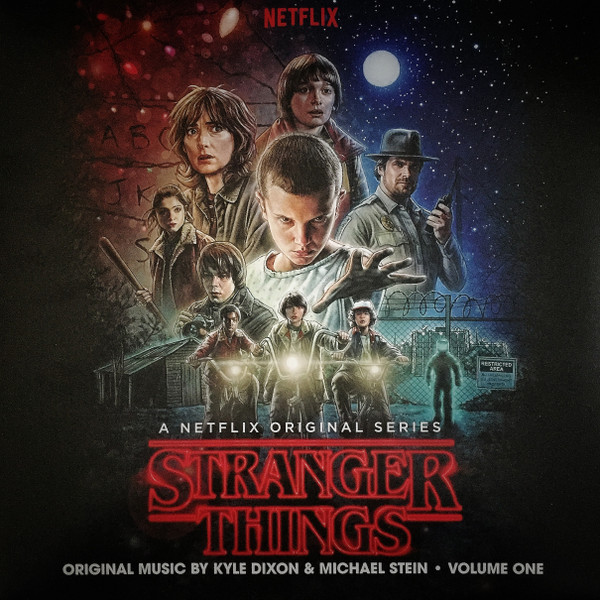
Stranger Things - Volume One (A Netflix Original Series)
2016
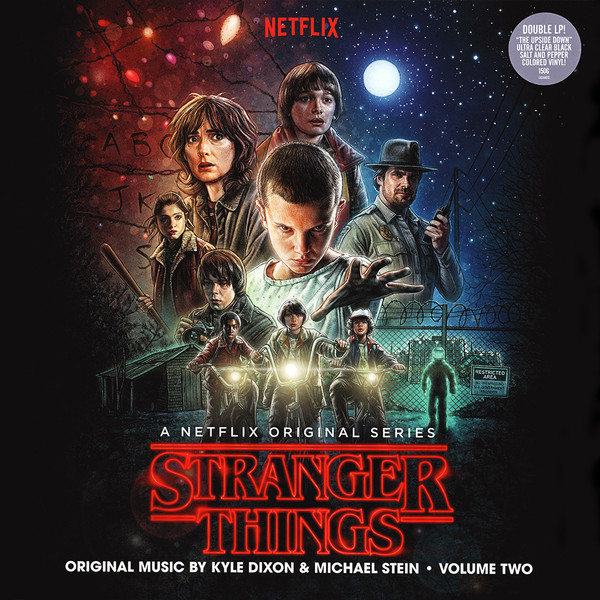
Stranger Things, Vol. Two (A Netflix Original Series)
2016
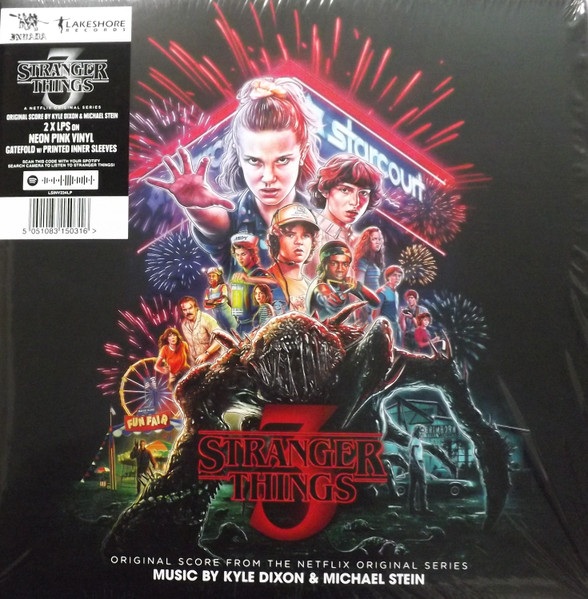
Stranger Things 3 (Original Score From The Netflix Original Series)
2019
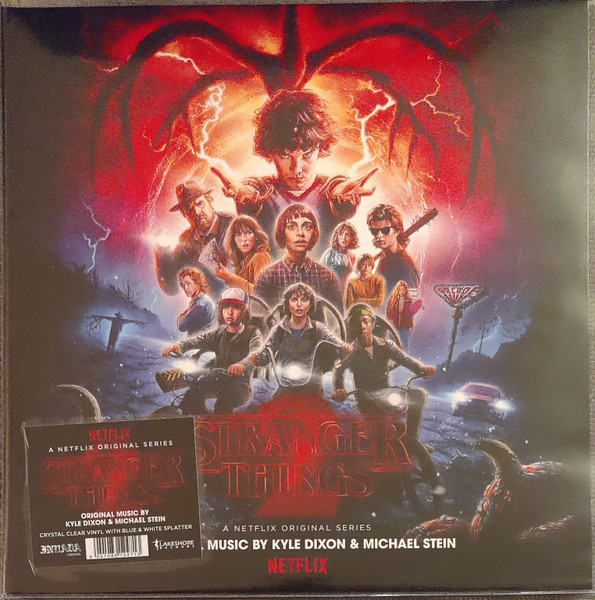
Stranger Things 2 (A Netflix Original Series)
2017

Stranger Things 4 (Original Score From The Netflix Series - Volume Two)
2022
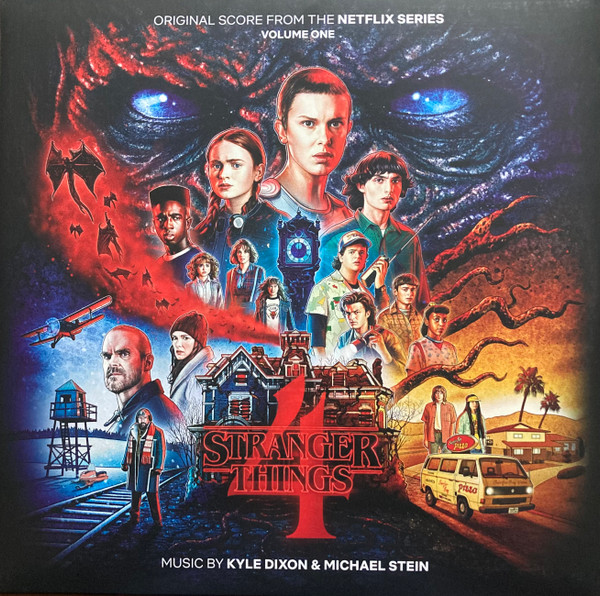
Stranger Things 4 (Original Score From The Netflix Series - Volume One)
2022

Stranger Things: Halloween Sounds From The Upside Down
2018
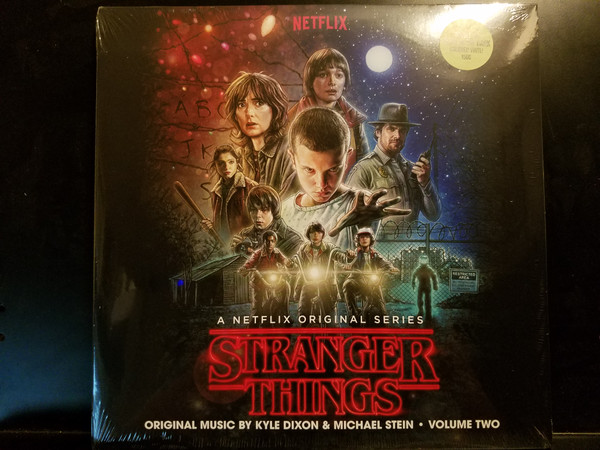
Stranger Things - Volume One & Volume Two (A Netflix Original Series)
2016
Related artists
Bands & projects
Around the web
Follow every record they touch.
Start your shelf and Gatefold tracks Kyle Dixon's new pressings, tour dates, and the whole discography — automatically.
Start your shelf →Free forever. Works with 10 records or 10,000.