
Artist
Kult
Warsaw, Poland
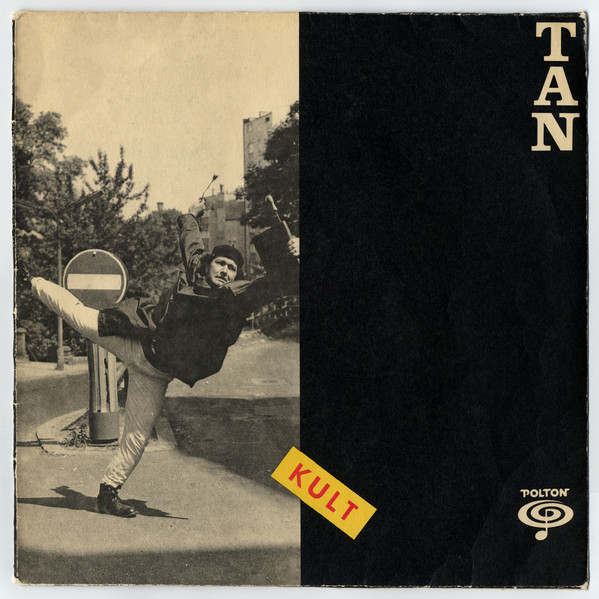
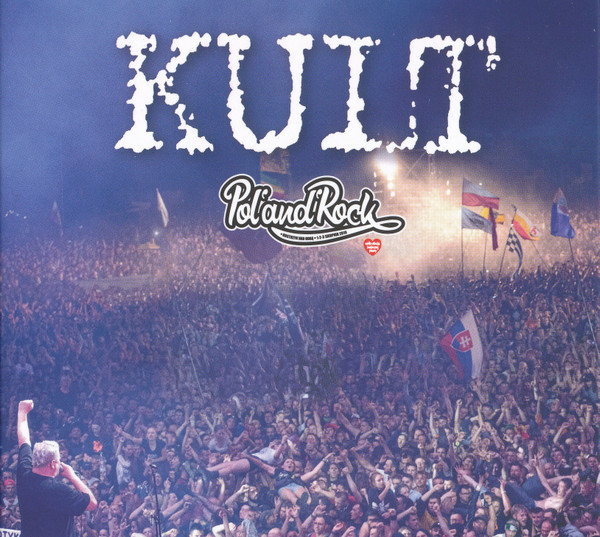
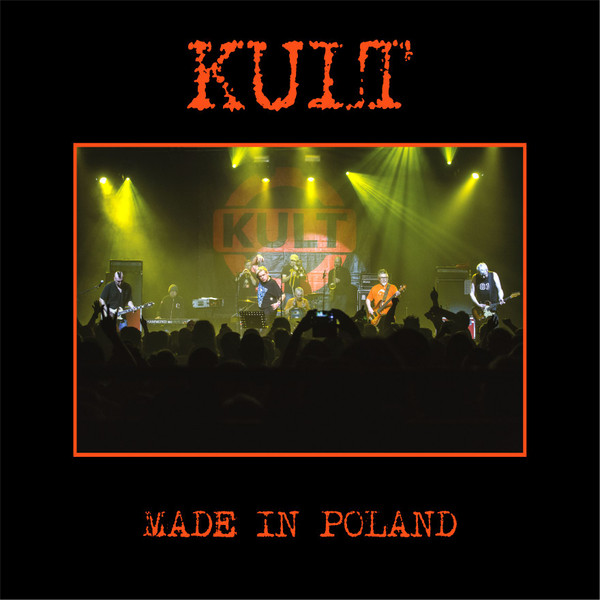
Kult is a music group from Warsaw, Poland. Their discography on Gatefold includes 16 records.

16
Albums tracked
6
In collections
—
Since
Biography
There are multiple artists with this name: 1) Kult is a rock band formed in 1982 in Poland by Kazik Staszewski. The band performed its first concert in July 1982 at the Remont Club in Warsaw. Although it was not released until July 1987, the first Kult studio album was recorded in September 1986. The original members of Kult were Tadeusz Bagan, Dariusz Gierszewski, Kazik Staszewski, Piotr Wieteska. The membership of the band changed over the years.
The Arc of Kult
The pivots — what forced Kult to reinvent.
The Post-Punk Underground
The early days were defined by the lineup of Kazik, Piotr Wieteska, and Tadeusz Kisieliński grinding out jagged, cold-wave influenced rock in a country under martial law. You hear the paranoia in the thin guitar lines and the aggressive, rudimentary drumming on the self-titled debut and Posłuchaj to do ciebie. It wasn't about melody yet; it was about the nervous energy of the Warsaw scene and trying to get past the state censors with metaphors that everyone in the crowd understood perfectly. The addition of Janusz Grudziński on keys added a layer of gloom that separated them from the standard three-chord punk bands of the era.
The Brass and Ballad Pivot
Everything changed when the band leaned into the horn section and Kazik started digging into his father’s songwriting archives for the Tata Kazika project. Bringing in Krzysztof Banasik on French horn and guitar filled out the sound, turning their skeletal punk into a dense, orchestral wall of sound that felt more like a street brawl than a symphony. This era produced their most massive hits, blending traditional Polish songwriting with a cynical, modern bite. It was the moment they moved from being a cult club band to an institution that could sell out stadiums while still sounding like they wanted to burn them down.
The Corporate Critique Era
By the late 90s, the band was grappling with the hyper-capitalism of post-communist Poland, leading to the dense, cynical production of Ostateczny krach systemu korporacji. They ditched the simpler arrangements for a claustrophobic, multi-layered sound that mirrored the chaotic urban sprawl of Warsaw. The studio work became more meticulous, with Grudziński’s keyboards taking on a more synthetic, cold edge against the organic blare of the horns. It was their commercial peak, but the music felt intentionally abrasive, a middle finger to the new 'corporate' polish they saw taking over the airwaves.
Influences
- The Clash — Kazik has repeatedly cited Joe Strummer as his primary blueprint for how a frontman should handle political rage. You hear it in the way Kult integrates ska and reggae rhythms into their punk foundation, specifically on tracks like 'Do Ani.' It’s the same 'Sandinista!' approach of throwing every genre against the wall to see what sticks.
- The Stranglers — The prominent, melodic basslines that drove Kult's early work were a direct result of their obsession with JJ Burnel’s aggressive tone. Janusz Grudziński’s keyboard textures often mirrored Dave Greenfield’s swirling, carnivalesque organ runs. They took the 'men in black' aesthetic and applied it to the grey reality of 1980s Poland.
- Stanisław Staszewski — This isn't a stylistic influence so much as a DNA-level requirement, as Kazik based two full albums on his father's unrecorded songs. The elder Staszewski’s bohemian, cynical street poetry provided the lyrical soul for Kult’s biggest hits. Without his father's notebooks, the band never would have made the pivot to the folk-infused rock that defined their 90s peak.
- Iggy Pop — Kazik’s vocal delivery and stage presence in the early 80s were modeled on the unhinged, confrontational style of The Stooges' frontman. You hear it in the raw, unpolished shouting on 'Krew Boga' where he ignores pitch in favor of pure, visceral impact. He wanted that Detroit filth in a city that was still trying to keep things tidy.
- Killing Joke — The cold-wave atmosphere and mechanical, driving rhythms of Kult's mid-80s output were pulled straight from Jaz Coleman's playbook. The band spent their early years trying to replicate that specific sense of impending doom and industrial dread. It's all over the early B-sides and the more experimental tracks on 'Spokojnie'.
Discography
Their records — most-collected first.



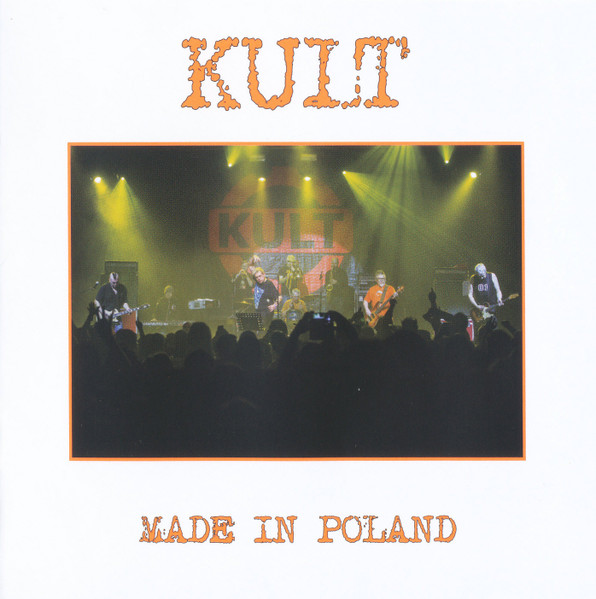




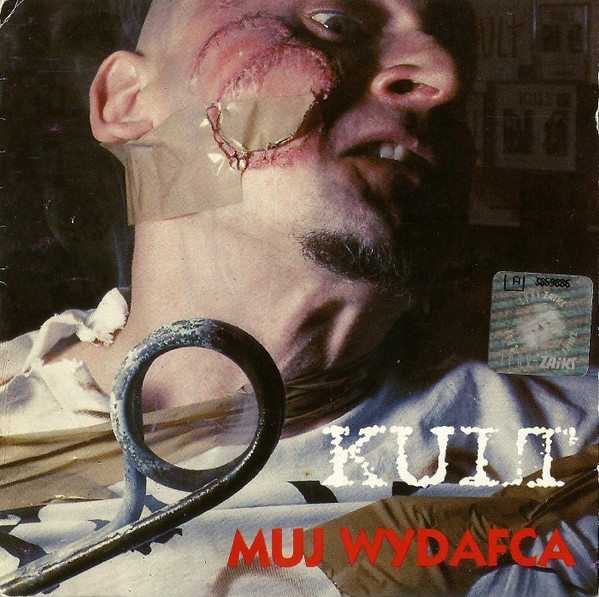
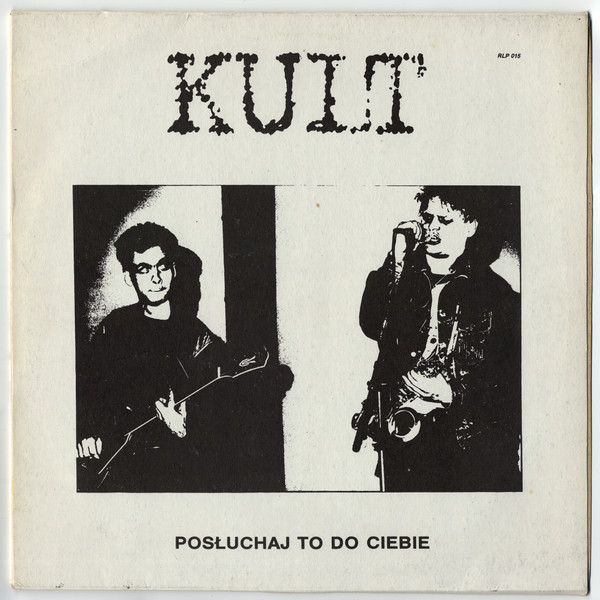
Related artists
Around the web
Follow every record they touch.
Start your shelf and Gatefold tracks Kult's new pressings, tour dates, and the whole discography — automatically.
Start your shelf →Free forever. Works with 10 records or 10,000.