Artist
Kraftwerk
Düsseldorf, Germany · Formed 1970
Kraftwerk is a music group from Düsseldorf, Germany, active since 1970. Their discography on Gatefold includes 24 records.

48
Albums tracked
588
In collections
1970
Since
Biography
Ralf Hütter and Florian Schneider started out in a flat in Düsseldorf with a 2-track tape recorder and a pile of broken electronics. Forget the robot suits for a second. In 1970, they were just two guys in the Krautrock scene trying to bury the ghost of German folk music under a mountain of feedback and flute loops. They spent more money on custom-built oscillators and vocoders than most bands spent on entire tours. They weren't making pop; they were building a lab. By the time they hit the mid-70s, they’d fired every 'traditional' musician who walked through the door. If you couldn't play like a metronome, you were out. Klaus Dinger and Michael Rother lasted about five minutes before realizing Ralf and Florian didn't want a rock band—they wanted an assembly line. They built Kling Klang studio as a private bunker where they could isolate from the world and turn the concept of the 'band' into a brand of high-end industrial design. It was cold, it was obsessive, and it changed the DNA of every record made after 1974.
Bio from The Clerk
The Arc of Kraftwerk
The pivots — what forced Kraftwerk to reinvent.
The Krautrock Laboratory
Before the neon grids, they were a messy experimental outfit using flutes, violins, and standard drum kits through heavy processing. Working with producer Conny Plank at his farmhouse studio, they cut the first three albums as transitional explorations of texture and drone. You can hear the struggle to kill the human element in the long, drifting tracks of 'Ralf und Florian' before they finally committed to the machine. This era died the moment they bought a Minimoog and decided to stop pretending they liked guitars.
The Man-Machine Interface
Everything shifted when Wolfgang Flür and Karl Bartos brought in the custom electronic percussion pads. This wasn't just a gear upgrade; it was the birth of the 'classic' four-piece lineup that treated the stage like a laboratory workstation. They moved away from Plank’s organic production to handle everything themselves inside Kling Klang, resulting in the rigid, sequenced perfection of 'Trans-Europe Express.' This is where the funk entered the machine, creating the rhythmic blueprints that New York hip-hop and Detroit techno would eventually strip-mine.
The Digital Totalitarianism
By the time 'Computer World' dropped in '81, the band had become so obsessed with the technology that the gear started dictating the schedule. Ralf Hütter’s obsession with cycling and the emerging digital sampling tech led to a grueling, years-long perfectionism that eventually drove Bartos and Flür out of the band. The music became leaner, colder, and purely digital, stripping away the last remnants of 70s warmth for a clinical sound. It’s the sound of the band finally winning their war against human imperfection, even if it cost them their chemistry.
Influences
- Karlheinz Stockhausen — Schneider studied under the avant-garde composer, who prioritized sine waves and electronic oscillators over traditional melody. The rigid, mathematical approach to composition in 'Autobahn' is a direct extension of Stockhausen’s 'Studie II' logic. It provided the intellectual permission to treat a synthesizer as a serious instrument.
- The Beach Boys — Ralf Hütter explicitly cited Brian Wilson’s production as the primary inspiration for the vocal harmonies on 'Autobahn.' You hear it in the layered, deadpan delivery that mimics the California sun through a grey West German filter. It’s surf music for people who never leave the basement.
- James Brown — The band obsessed over the 'on the one' rhythmic precision of the J.B.'s, which eventually evolved into their 'mechanical funk' style. The interplay between the percussion pads on 'Trans-Europe Express' is a direct attempt to replicate a tight funk section without the human swing. They wanted the discipline of the Hardest Working Man in Show Business minus the sweat.
- The Velvet Underground — Hütter has praised the repetitive, 'primitive' drumming of Moe Tucker as a foundational influence on their percussive philosophy. That relentless, unvarying 4/4 pulse is the literal heartbeat of the Kraftwerk sound. It’s the NYC art-loft drone translated into a European industrial setting.
- Pierre Schaeffer — As the father of Musique Concrète, Schaeffer’s use of found sounds and tape loops informed the band’s early field recordings of trains and cars. The heavy use of industrial noise as a rhythmic element in 'Radio-Activity' traces back to Schaeffer’s 'Étude aux chemins de fer.' They took his academic noise and turned it into a pop hook.
Discography
Their records — most-collected first.
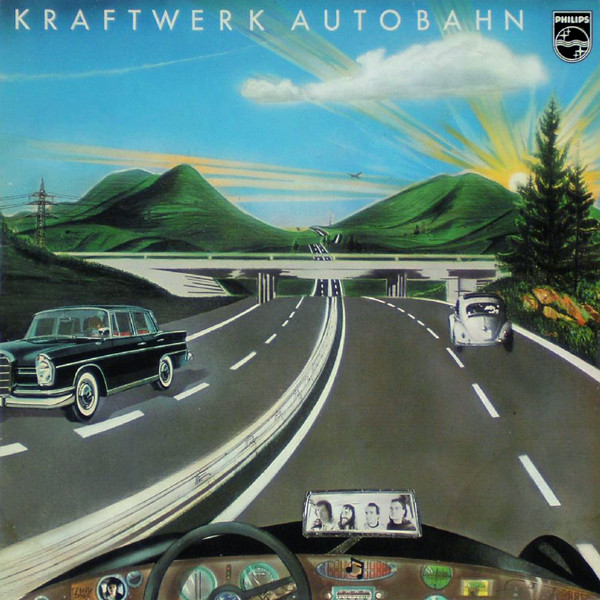
Autobahn
1974
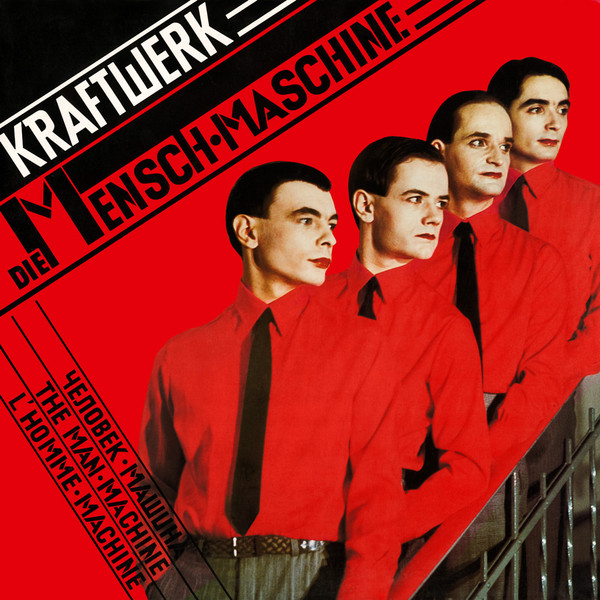
Die Mensch•Maschine
1978
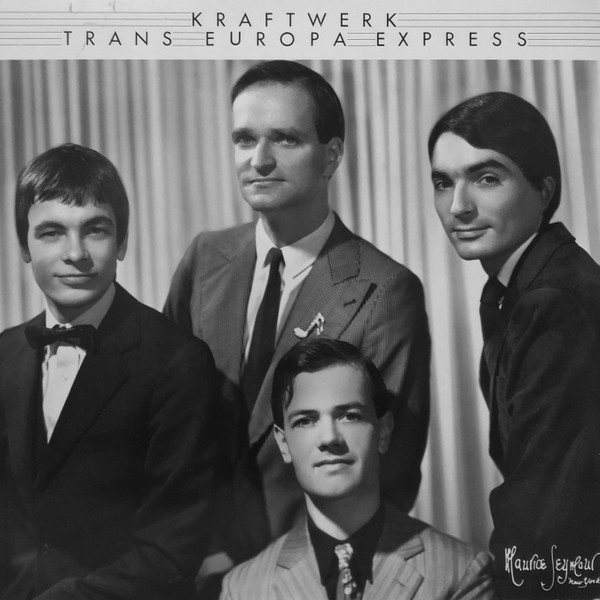
Trans Europa Express
1977
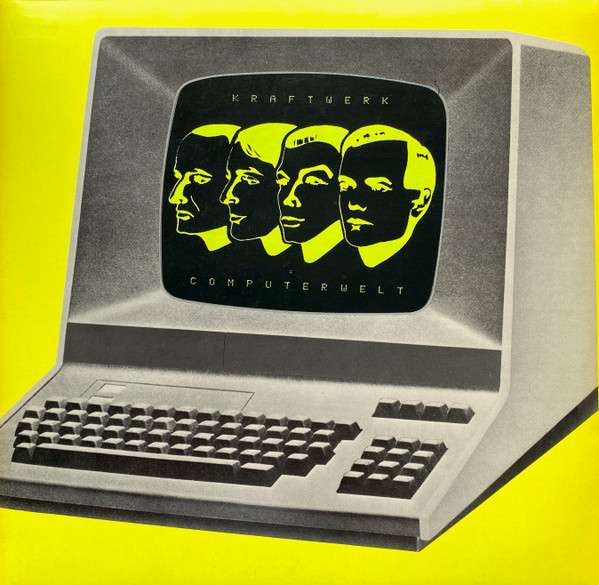
Computerwelt
1981
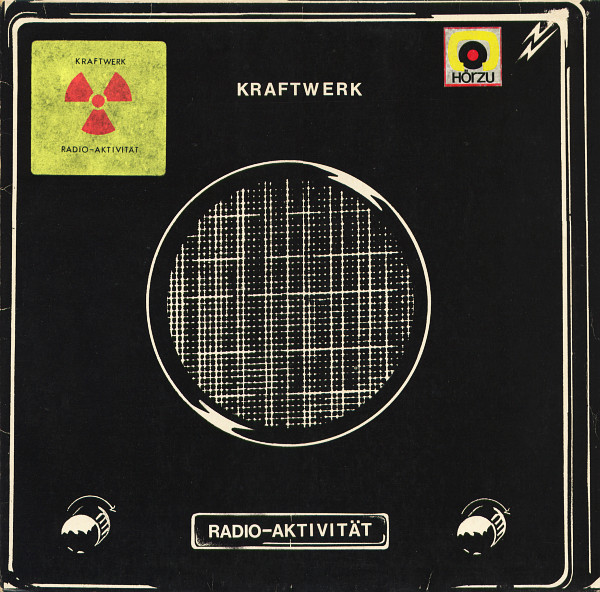
Radio-Aktivität
1975
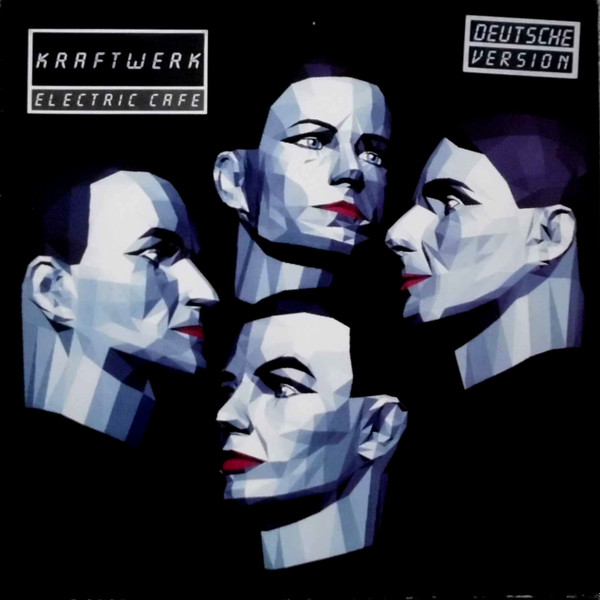
Electric Cafe
1986

Tour De France
1983

The Mix
1991
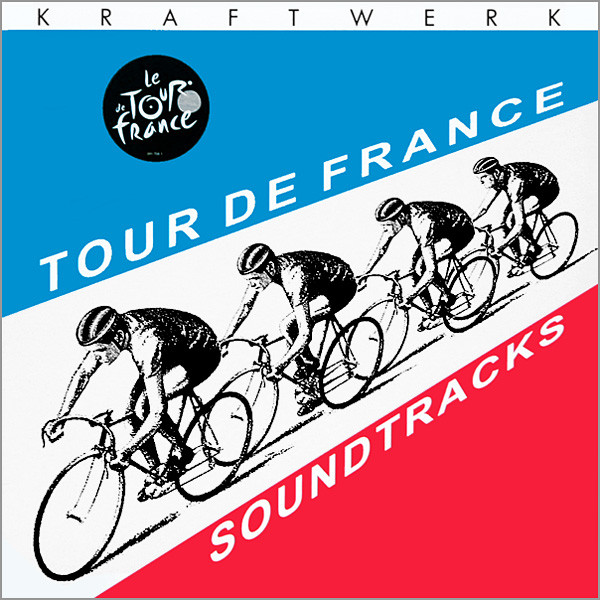
Tour De France Soundtracks
2003
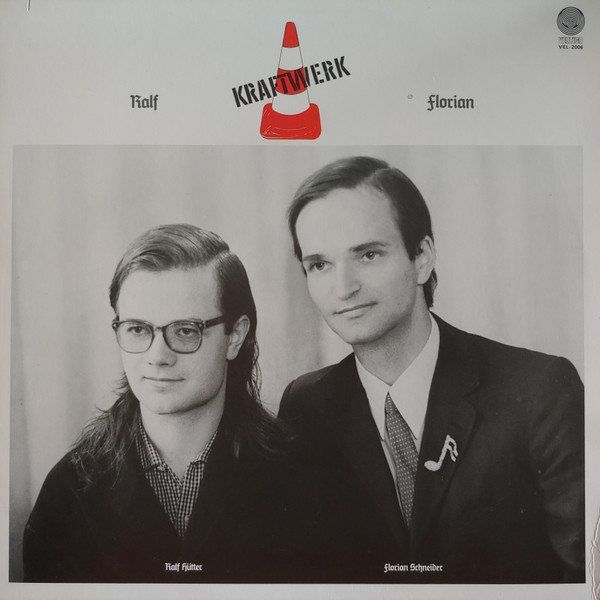
Ralf & Florian
1973
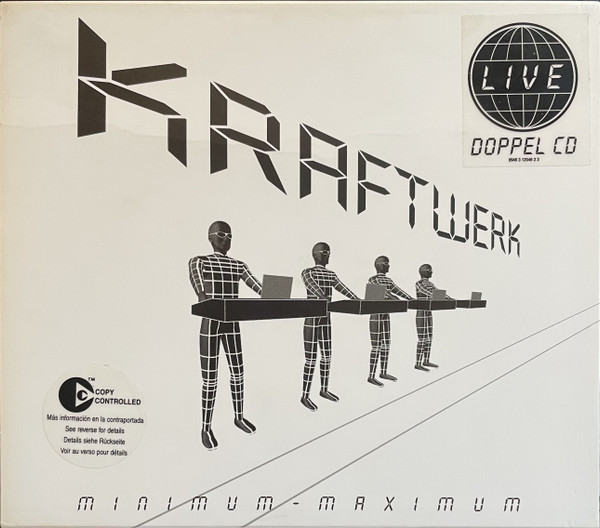
Minimum-Maximum
2005
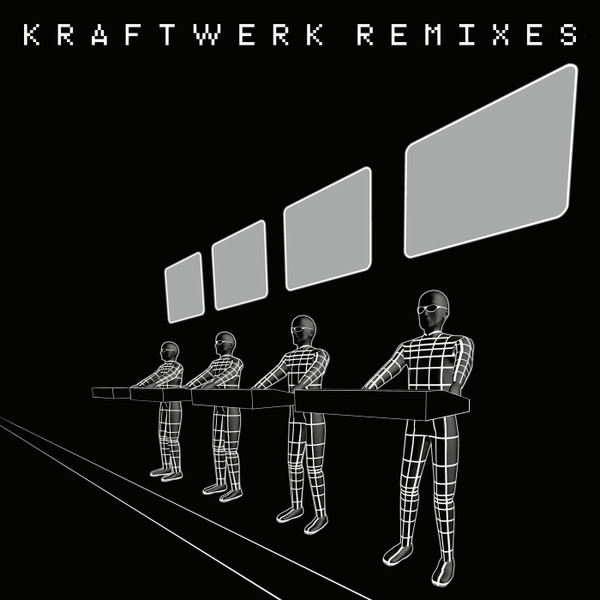
Remixes
2020
Expo2000
1999
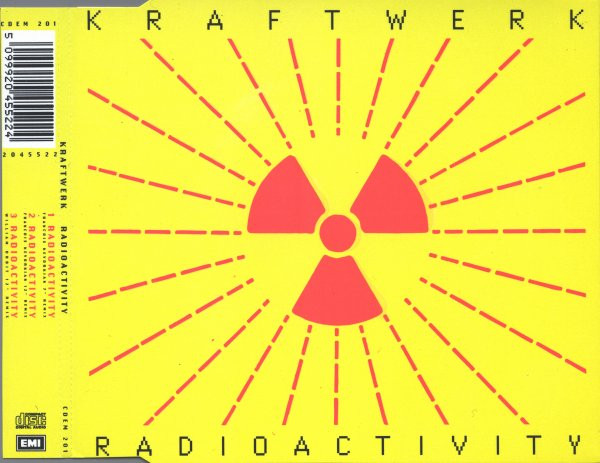
Radioaktivität
1991
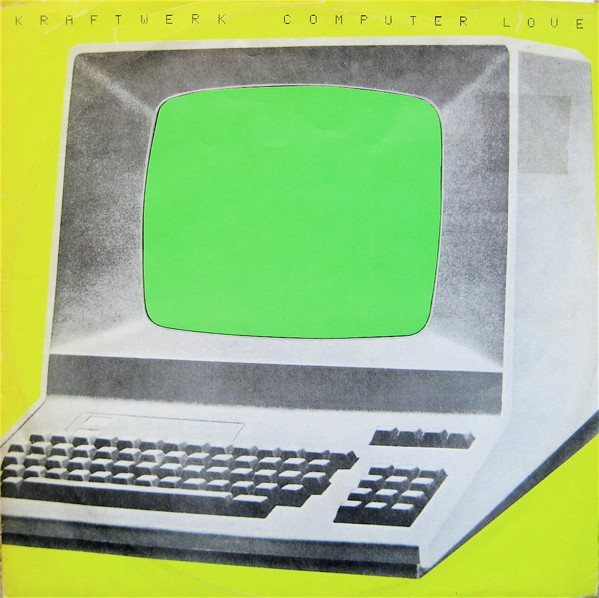
Computer Love / The Model
1981
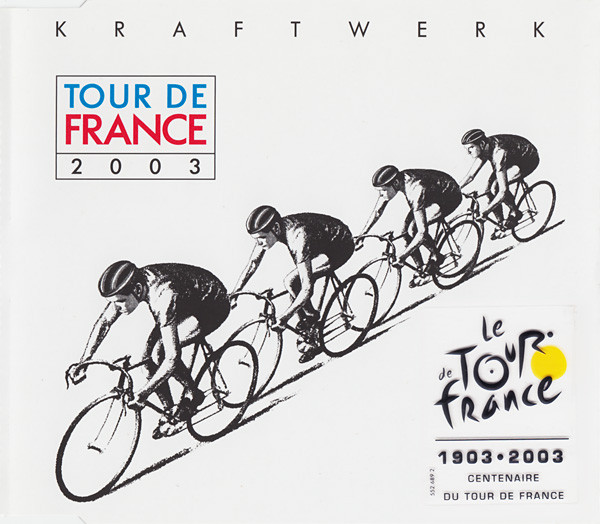
Tour De France 2003
2003

Die Roboter
1991
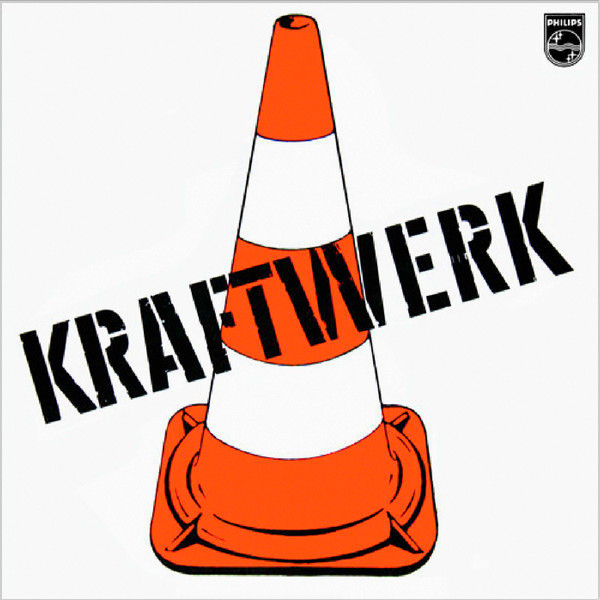
Kraftwerk
1970
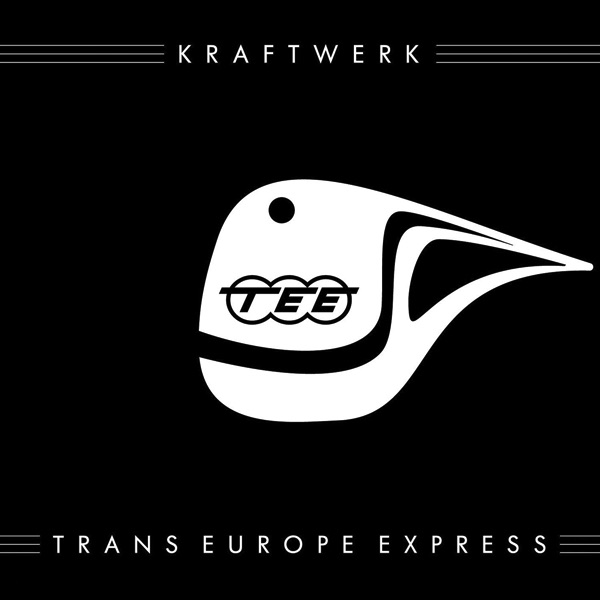
Trans-Europe Express
1990

Musique Non Stop
1986
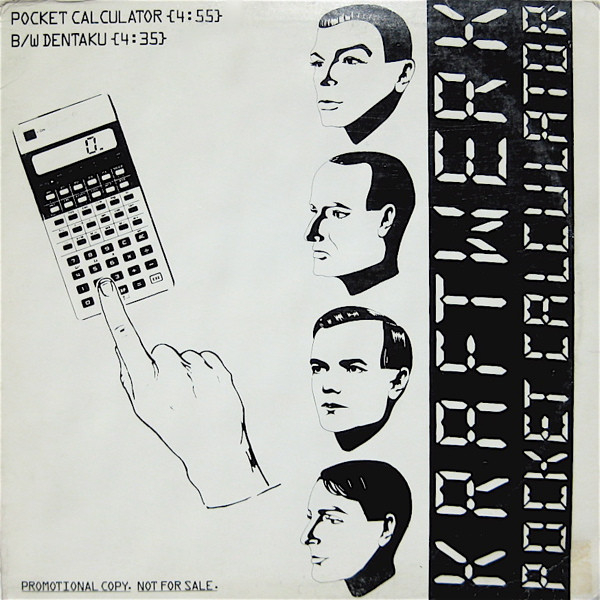
Taschenrechner
1981
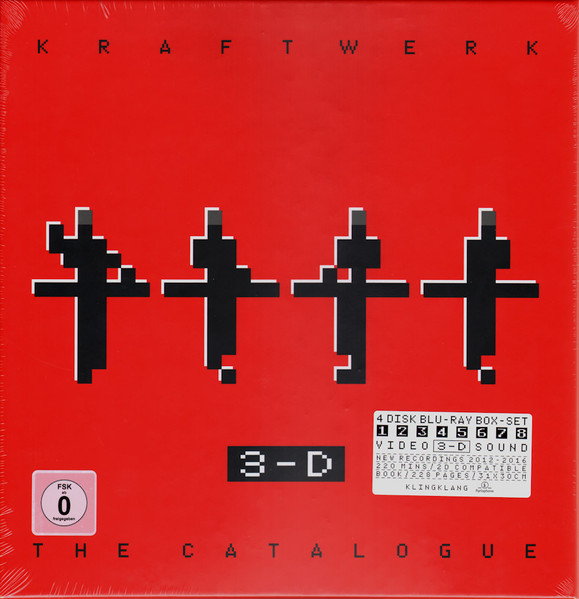
3-D (Der Katalog)
2017

Autobahn
1974
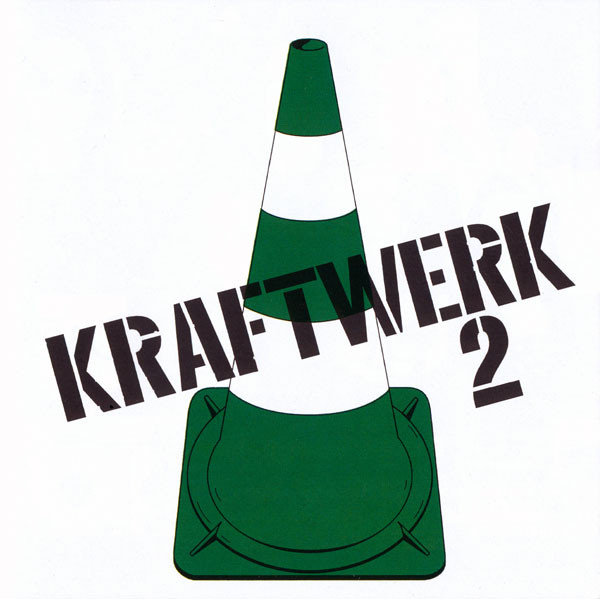
Kraftwerk 2
1972
Related artists
Members
Frequent collaborators
Around the web
Follow every record they touch.
Start your shelf and Gatefold tracks Kraftwerk's new pressings, tour dates, and the whole discography — automatically.
Start your shelf →Free forever. Works with 10 records or 10,000.