
Artist
Kool G Rap
Queens, United States · b. 1968
Kool G Rap is a musician from Queens, United States, active since 1968. Their discography on Gatefold includes 12 records. They also recorded with Kool G Rap & DJ Polo.
19
Albums tracked
34
In collections
1968
Since
Biography
Marley Marl’s living room in Queensbridge was a goddamn sweatbox, but that's where the blueprint for the lyricist's lyricist was etched into a sampler. G Rap didn't just rap; he operated on the beat with a lisp and a level of multisyllabic internal rhyming that made everyone else in the Juice Crew look like they were reciting nursery rhymes. He was the one who turned the street narrative into a cinematic gore-fest, trading the battle raps of the mid-80s for a gritty, noir-heavy realism that felt less like a song and more like a police report from a precinct that had already given up. Then he hit the mid-90s and tried to go for the gold with the 'mafioso' pivot. It worked until it didn't. When he left DJ Polo behind, the production started to get polished by guys like Buckwild and Dr. Butcher, giving him a massive, operatic backdrop that finally matched the ego. But the industry shifted toward shiny suits and radio hooks, and a guy who raps like a Gatling gun about 45-caliber shells doesn't always fit on a Summer Jam stage. He spent a decade in the weeds with label hell and indies, but he never lost that terrifyingly precise breath control that defines the Queens sound.
Bio from The Clerk
The Arc of Kool G Rap
The pivots — what forced Kool G Rap to reinvent.
The Juice Crew Foundation
Marley Marl used the Roland TR-808 and the SP-12 to create a skeletal, percussion-heavy sound that forced G Rap to develop his hyper-fast delivery. Working out of Marley’s apartment, the duo of G Rap and DJ Polo stripped away the disco-sampling fluff of early hip-hop in favor of cold, hard breakbeats. You hear it on 'Road to the Riches,' where the technical precision of the rhymes starts to outpace the actual technology of the day. This era established the 'street scholar' persona before the heavy crime drama fully took over.
The Cold Chillin' Breakup
By the time 'Live and Let Die' hit in '92, the relationship with DJ Polo was essentially a ghost act and the label was terrified of the cover art. G Rap took the creative reins, leaning into a violent, cinematic storytelling style that essentially birthed the entire mafioso rap subgenre. The production moved away from Marley’s house sound toward something more sinister and atmospheric, setting the stage for his solo debut. This pivot turned him from a top-tier lyricist into a genre-defining archetype that every New York rapper would study for the next decade.
The Major Label Gamble
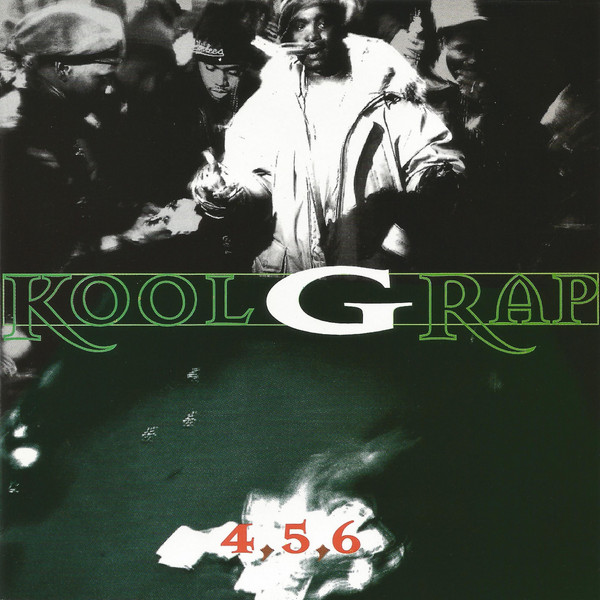
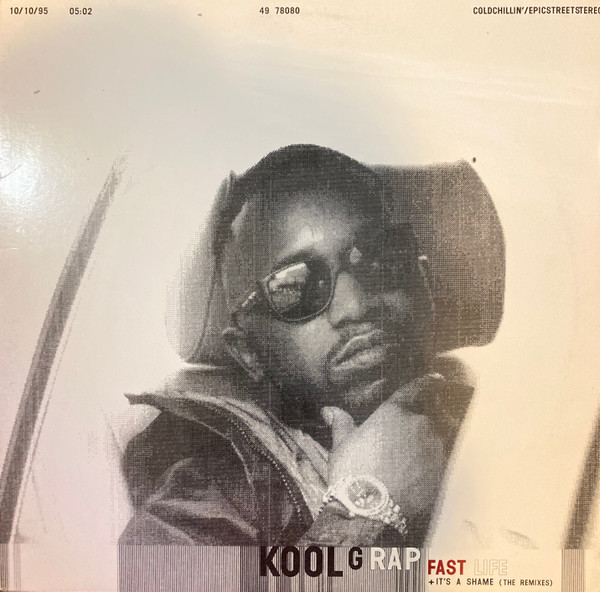
Signing to Epic for '4, 5, 6' in 1995 was the attempt to turn a street legend into a chart-topping powerhouse. He brought in Buckwild and Norgie White to create a lush, expensive soundscape, most notably on 'Fast Life' with Nas. The record is a masterpiece of technical rapping, but the tension between G Rap’s hardcore roots and the label’s desire for a 'Smooth Operator' hit started to show. It’s the sound of a specialist trying to dominate a generalist’s market, resulting in some of the most complex flows ever recorded over increasingly polished beats.
Influences
- The Last Poets — G Rap has cited their rhythmic, percussive delivery and street-level social commentary as his foundational exposure to the power of the spoken word. You hear this in his cadence, which treats syllables like drum hits rather than just melodic notes. They gave him the license to be gritty and uncompromising.
- Slick Rick — The narrative structure of G Rap’s crime sagas is a direct evolution of the storytelling techniques Rick perfected on 'The Great Adventures.' While Rick was whimsical, G Rap took that same linear plot progression and dipped it in acid. The influence shows up in the way he builds a scene through specific, visceral details.
- Rakim — Before G Rap, everyone was rapping in simple couplets, but Rakim introduced internal rhyming that G Rap eventually took to a mathematical extreme. He saw what Rakim did with 'Eric B. Is President' and decided to see how many more rhymes he could squeeze into a single bar. It’s a direct lineage of the 'God MC' technical school.
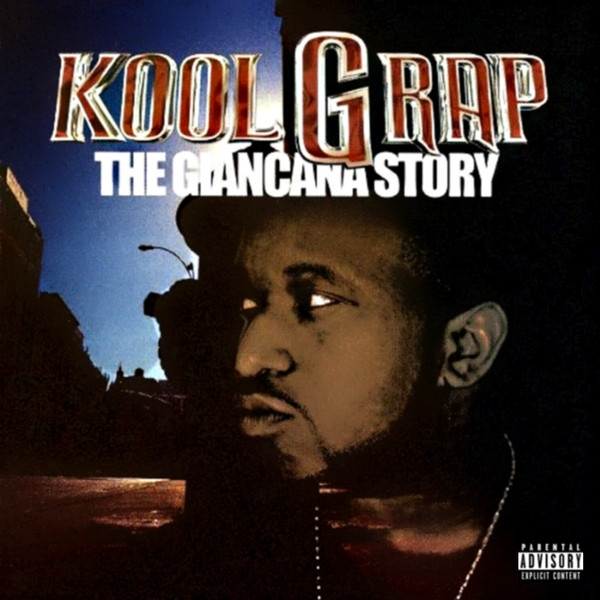
- Silverado — He frequently references the 1985 western and other mob cinema like 'Scarface' as the primary fuel for his 'Giancana' persona and lyrical imagery. This isn't just about 'vibes'; he literally lifted the pacing and stakes of 80s action cinema to replace the standard battle-rap tropes. It turned his albums into audio movies.
- Grandmaster Caz — As a student of the early park jams, G Rap absorbed Caz’s ability to command a microphone with authoritative, clear projection. You can hear that old-school foundational breath control under G Rap’s more modern, rapid-fire style. He took the blueprint of the original Bronx masters and rebuilt it for the crack era.
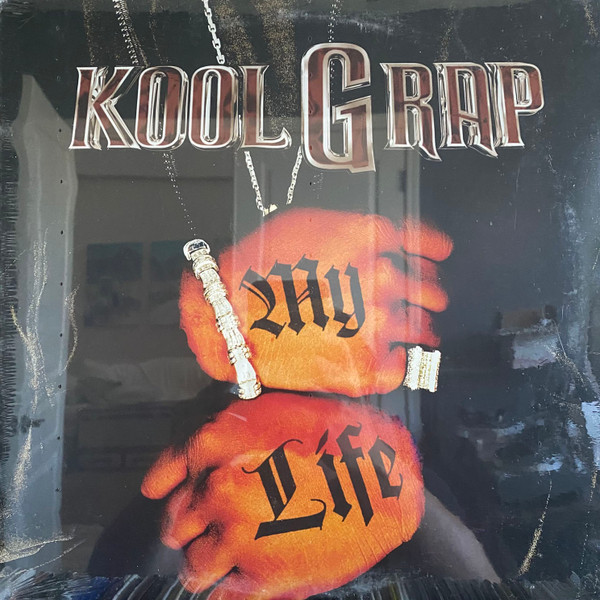
Kool G Rap — solo
Their records — most-collected first.

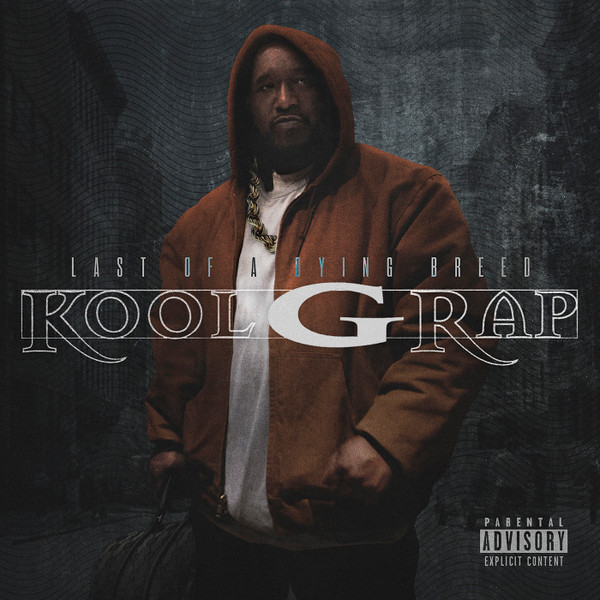
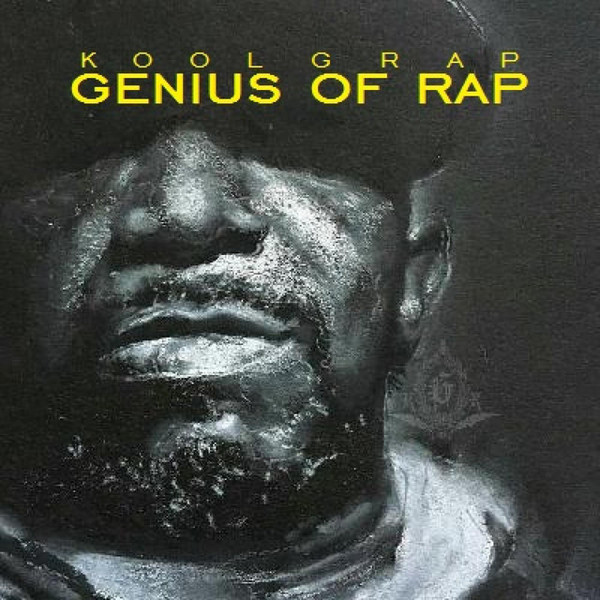

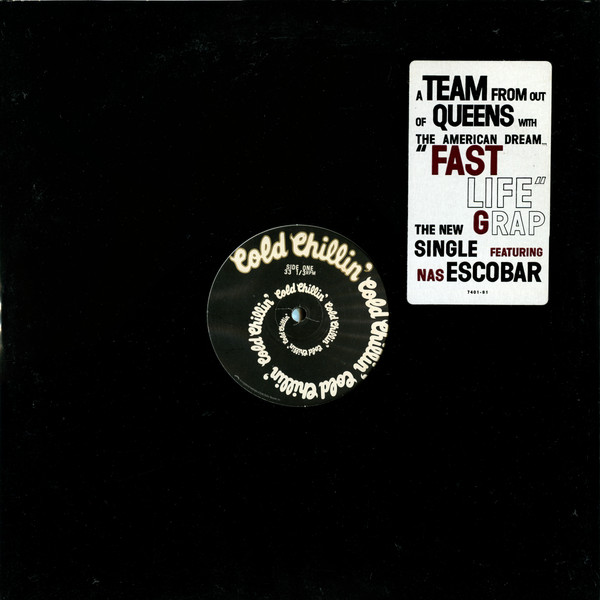
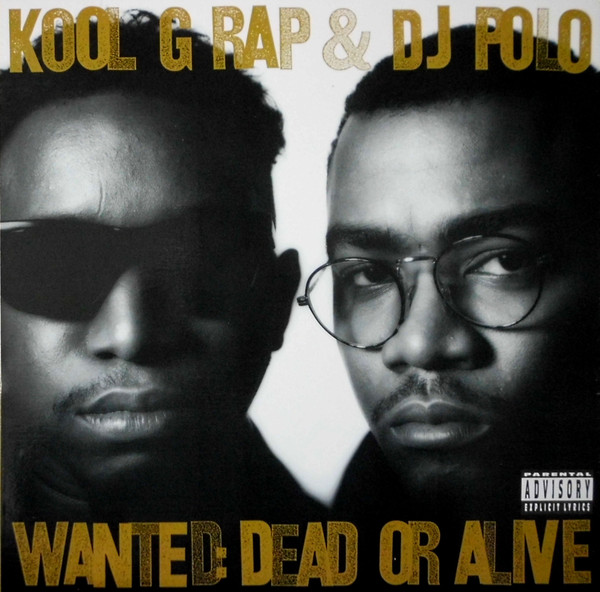
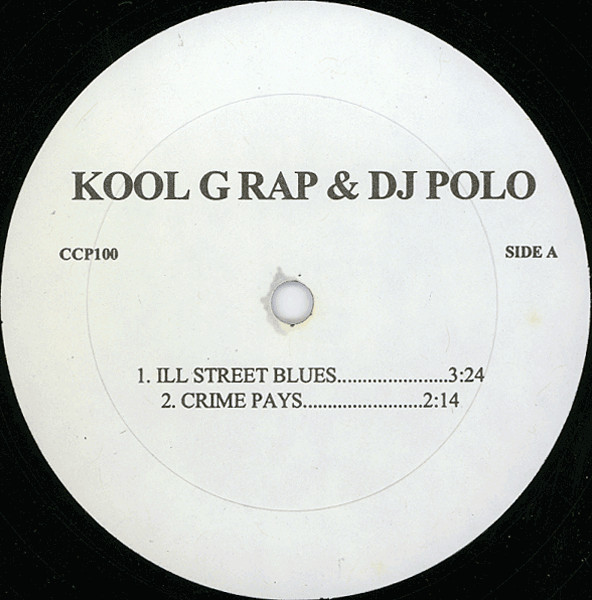
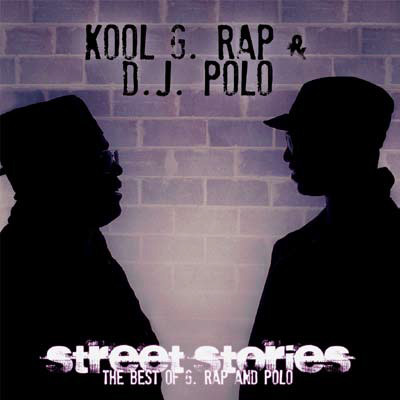
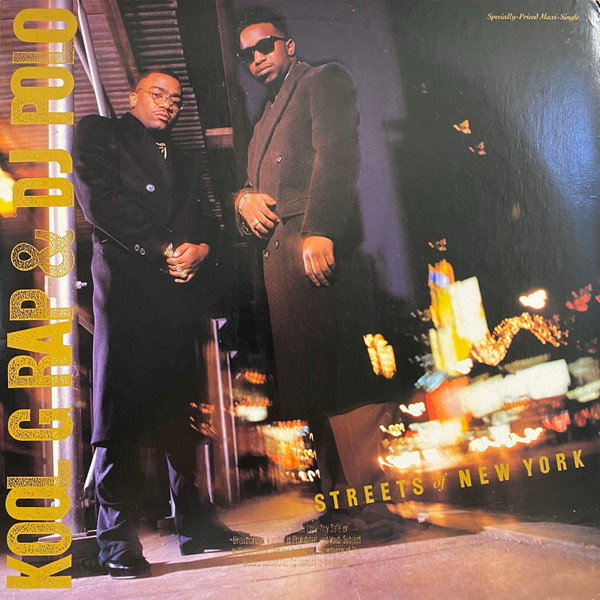
Kool G Rap & DJ Polo
A project Kool G Rap was part of.



Related artists
Frequent collaborators
Around the web
Follow every record they touch.
Start your shelf and Gatefold tracks Kool G Rap's new pressings, tour dates, and the whole discography — automatically.
Start your shelf →Free forever. Works with 10 records or 10,000.