
Artist
Klaatu
Toronto, Canada · 1973 – 1982
Klaatu is a music group from Toronto, Canada, active 1973–1982. Their discography on Gatefold includes 11 records.

11
Albums tracked
73
In collections
1973
Since
Biography
The guys at Daffodil Records kept the credits off '3:47 EST' because they wanted the music to speak for itself, but they accidentally birthed the biggest conspiracy in rock history. Steve Smith, an American DJ, convinced the world that Klaatu was just a pseudonymous Beatles reunion. It wasn't. It was three guys from Toronto—John Woloschuk, Dee Long, and Terry Draper—working with producer Terry Brown at Toronto Sound Studios. They weren't trying to pull a scam. They were just obsessive studio rats who wanted to push the limits of what a 16-track board could do. Once the Beatles rumor died, the press turned on them with a vengeance. It’s a shame, because 'Hope' is a genuine prog-rock marvel recorded with the London Philharmonic Orchestra. They were heavy on the Mellotron and obsessed with space-age narratives. When the label finally forced them to Hollywood to record 'Endangered Species' with session players to find a hit, the soul of the band basically evaporated. They were a studio project that got suffocated by the very mystery that made them famous.
Bio from The Clerk
The Arc of Klaatu
The pivots — what forced Klaatu to reinvent.
The Anonymous Peak
Between 1973 and 1976, the trio operated in near-total secrecy at Toronto Sound Studios, treating the facility like a laboratory rather than a rehearsal space. Terry Brown, who was simultaneously shaping the early Rush sound, helped them layer complex vocal harmonies and orchestral flourishes that fueled the Beatles rumors. The result was '3:47 EST', a record that sounds like a bridge between 'Magical Mystery Tour' and the high-concept prog that was about to take over the FM dial. You can hear the isolation in the tracks—it’s the sound of three guys with no outside interference and too much time on their hands.
The Symphonic Overreach
By the time they tracked 'Hope' in 1977, the band had leanings toward full-scale space opera, and they brought in the London Philharmonic to prove it. This was the moment they leaned away from pop structures and toward the kind of grandiose concept-writing that required a lyric sheet and a telescope to follow. The sessions were massive and expensive, marking a shift from the quirky studio experiments of the debut to a dense, wall-to-wall symphonic sound. It remains their most ambitious work, but it was also the point where the weight of the production began to overshadow the songwriting.
The Los Angeles Sellout
Capitol Records panicked after the sales of 'Sir Army Suit' dipped, so they shipped the band to Los Angeles in 1980 to work with producer Christopher Bond. The label brought in session heavyweights like Leland Sklar and Jeff Porcaro, effectively sidelining Terry Draper and stripping the band of their idiosyncratic, homemade charm. 'Endangered Species' was the result, a record that sounds like a corporate attempt to turn a weird Canadian prog act into a Top 40 soft-rock machine. The friction in the room was palpable, and the band’s dissatisfaction with the slick, soulless production led directly to their eventual dissolution.
Influences
- The Beatles — The band has openly admitted that 'Sgt. Pepper' was the blueprint for their entire approach to multi-tracking. You hear it most clearly in 'Sub-Rosa Subway,' where the vocal phrasing and melodic transitions are a direct homage to McCartney’s 1967 songwriting style. It was so close that it fueled the decade's biggest case of mistaken identity.
- The Moody Blues — Klaatu's heavy use of the Mellotron and their penchant for cosmic, pseudo-philosophical lyrics stem directly from the 'Days of Future Passed' era. The orchestral interludes on 'Hope' reflect the same attempt to marry rock instrumentation with classical arrangements that Tony Clarke perfected with the Moodies. It’s the same DNA of high-concept, headphone-heavy rock.
- The Beach Boys — The intricate, stacked vocal harmonies on tracks like 'Around the Universe in Eighty Days' are a direct result of the band studying Brian Wilson’s 'Pet Sounds' arrangements. John Woloschuk has cited Wilson’s production as a primary influence on how they approached vocal layering in the studio. They weren't just singing together; they were building chords out of human voices.
- Wendy Carlos — The band’s fascination with Moog synthesizers and electronic textures was heavily informed by 'Switched-On Bach'. You can hear that classical-meets-electronic precision in the synth patches on '3:47 EST'. They treated the synthesizer as a lead orchestral instrument rather than just a background texture.
- King Crimson — The heavier, more complex arrangements on the 'Hope' album draw from the early Fripp-led iterations of Crimson. Terry Brown’s production style encouraged the same kind of disciplined, technical precision found on 'In the Court of the Crimson King'. It’s where the darker, more adventurous edges of their prog sound originated.
Discography
Their records — most-collected first.
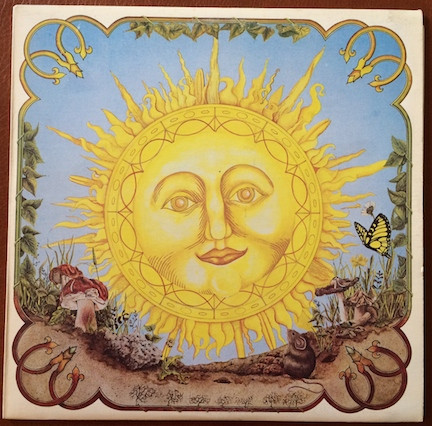
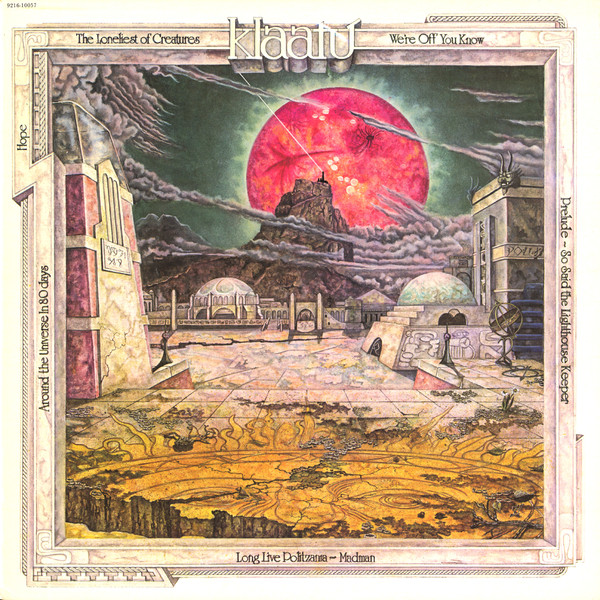
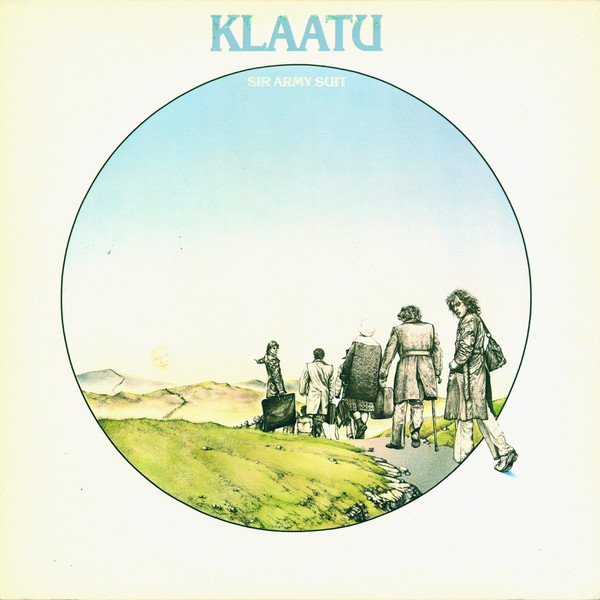
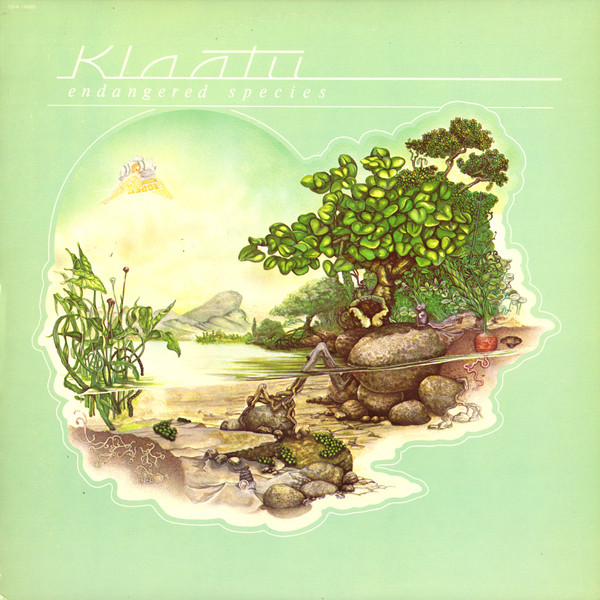



Related artists
Frequent collaborators
Around the web
Follow every record they touch.
Start your shelf and Gatefold tracks Klaatu's new pressings, tour dates, and the whole discography — automatically.
Start your shelf →Free forever. Works with 10 records or 10,000.