
Artist
King Diamond
Copenhagen, Denmark · Formed 1985
King Diamond is a music group from Copenhagen, Denmark, active since 1985. Their discography on Gatefold includes 24 records.

27
Albums tracked
119
In collections
1985
Since
Biography
King Diamond did not start in some clean Danish studio. He emerged from the wreckage of Mercyful Fate's split in 1985, taking guitarists Michael Denner and Andy LaRocque with him to forge a solo career. Fate's label, Roadrunner, was desperate to keep the cash flowing. What they got was a madman who traded simple satanic posturing for full-blown theatrical horror concepts, utilizing a glass-shattering four-octave falsetto that sounded like a tea kettle screaming on top of a heavy metal stove. Behind the corpse paint and the cross-bone mic stand was a band of absolute virtuosos. LaRocque’s neoclassical lead work gave the King’s cinematic nightmares real musical weight, keeping the records from collapsing into camp. They hit their peak early, but the lineup dissolved quickly. By the early nineties, the King was fighting changing trends and major personnel shifts, yet he never dropped the theatricality or tried to jump on the grunge bandwagon.
Bio from The Clerk
The Arc of King Diamond
The pivots — what forced King Diamond to reinvent.
The Classical Horror Peak
After Mercyful Fate imploded over musical directions, King Diamond immediately recruited Andy LaRocque and entered Copenhagen's Sweet Silence Studios with producer Henrik Lund. The goal was to ditch the episodic occult tracks of his old band in favor of terrifying, multi-character conceptual narratives. This era peaked with 'Abigail' in 1987, where Mikkey Dee's complex drumming and LaRocque's sweep-picked solos turned gothic ghost stories into a clinic of neoclassical power. You can hear the precision on 'A Mansion in Darkness,' where the band executes complex tempo changes behind the King's shifting vocal characters.
The Post-Dee Transition
By 1989, powerhouse drummer Mikkey Dee had left the drum throne, eventually landing in Motörhead, and bassist Timi Hansen was gone too. The King brought in Snowy Shaw on drums for 'The Eye' in 1990, shifting the production style toward keyboard-heavy arrangements and historical witch-trial narratives rather than family ghosts. The album was recorded at Sweet Silence but featured less guitar interplay and more symphonic density, which alienated old-school headbangers who missed the raw, dual-guitar attack. Roadrunner's lack of promotional support for this new sound caused a massive rift, putting the band on ice for five years.
The American Return
A move to Metal Blade Records in 1995 revived the project with 'The Spider's Lullabye,' tracked at Dallas's Nomad Recording Studio with guitarist Herb Simonsen and bassist Chris Estes. The music moved away from the lush European gothic metal style toward a drier, punchier, and more thrash-adjacent American metal sound. The storytelling became more modern and psychological rather than historical, dealing with arachnophobia and asylum horrors. You can hear this stripped-back, aggressive approach in the title track, where the guitars are crunchier and the production is far less cavernous than the eighties records.
Influences
- Alice Cooper — King Diamond has repeatedly cited Cooper's theatricality and narrative-driven albums like 'Welcome to My Nightmare' as the primary blueprint for his own stage show. You hear this influence in the theatrical voice acting and spoken-word intros that populate 'Abigail.' Cooper showed him that a metal show could be a grand-guignol play.
- Deep Purple — Ian Gillan's extreme, piercing vocal screams on 1970's 'In Rock' directly inspired King's decision to push his voice into a piercing falsetto register. The classical-influenced guitar duels between Blackmore and Lord are the clear ancestors of the LaRocque/Denner guitar harmonies. Without Purple, the neoclassical metal skeleton of King's music does not exist.
- Uriah Heep — David Byron's dramatic vibrato and the heavy, progressive use of Hammond organ in Uriah Heep's early seventies catalog laid the groundwork for King Diamond's gothic atmospheres. You hear this clearly on tracks like 'The Eye,' where the keys drive the melody underneath the vocal theatricality. Heep proved you could mix heavy riffs with spooky, progressive arrangements.
- Led Zeppelin — King Diamond has frequently noted that Robert Plant's dynamic vocal range and banshee wails on tracks like 'Immigrant Song' showed him the power of high-register vocals in heavy rock. The heavy acoustic-to-electric dynamics found on 'Zeppelin III' also shaped the eerie acoustic intros that set up King's heaviest songs. It is the foundation of his soft-to-loud dynamic shifts.
- Black Sabbath — Tony Iommi's down-tuned, ominous riffing on 'Sabbath Bloody Sabbath' provided the dark, minor-key harmonic palette that King Diamond and his guitarists built upon. You can hear this in the doom-laden rhythm guitar tracks on 'The Graveyard.' Sabbath taught him that the tritone was the most effective weapon in metal.
Discography
Their records — most-collected first.

"Them"
1988
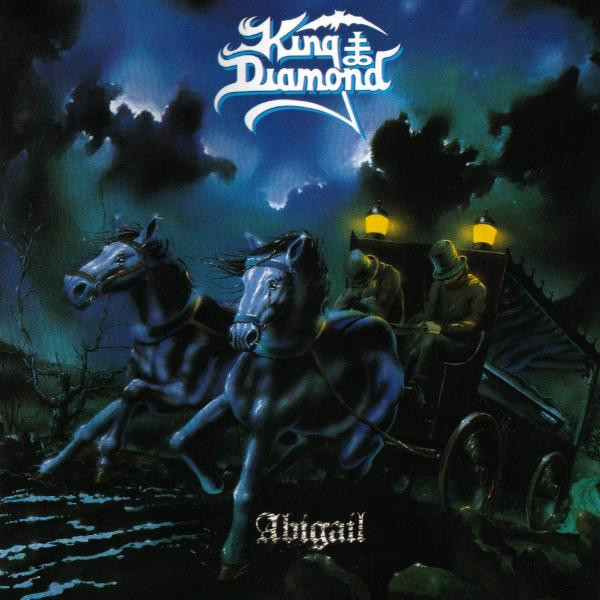
Abigail
1987
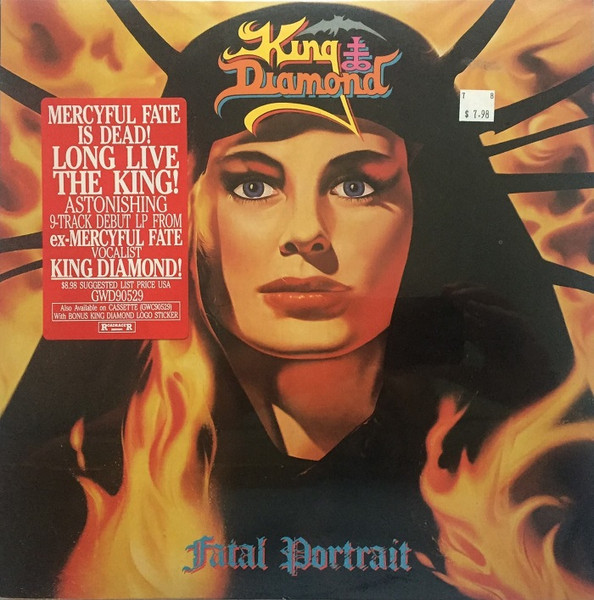
Fatal Portrait
1986
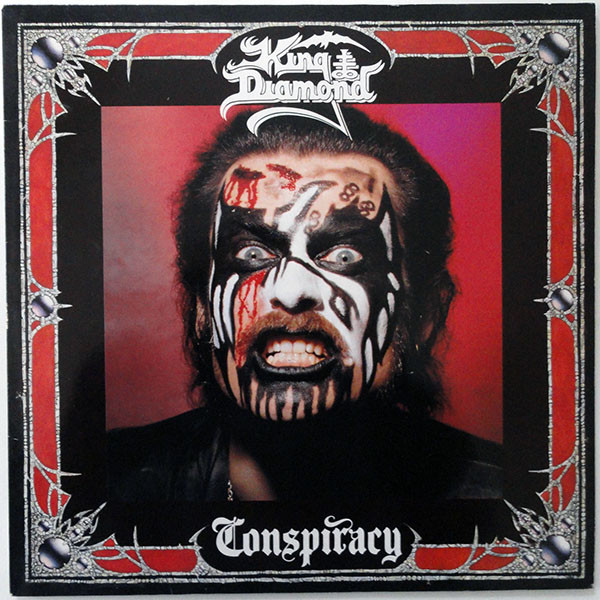
Conspiracy
1989
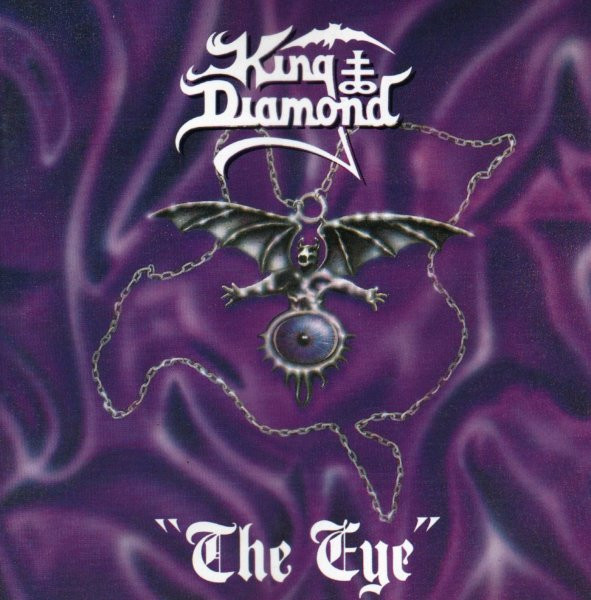
The Eye
1990
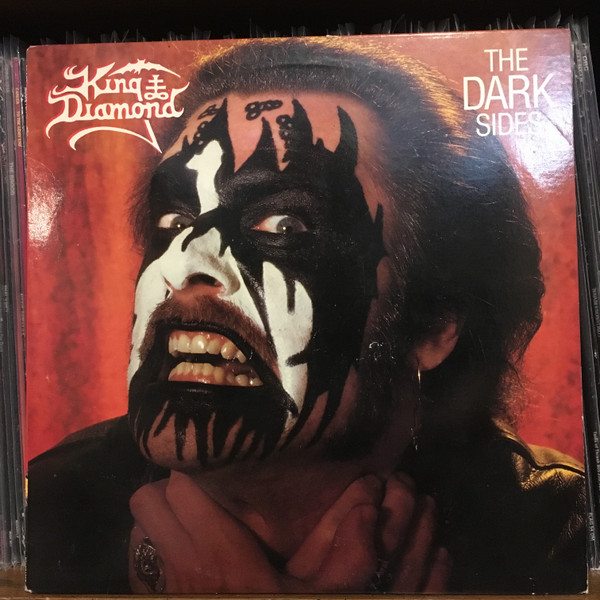
The Dark Sides
1988

The Puppet Master
2003

Abigail II: The Revenge
2002

The Graveyard
1996

The Spider's Lullabye
1995
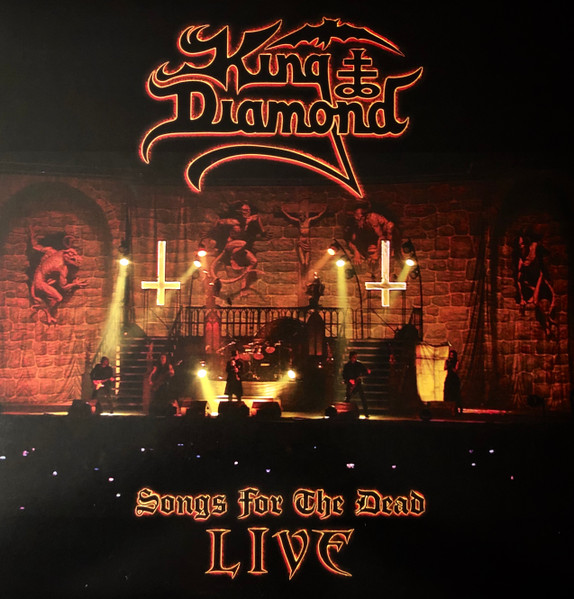
Songs For The Dead Live
2019

Give Me Your Soul... Please
2007

Voodoo
1998
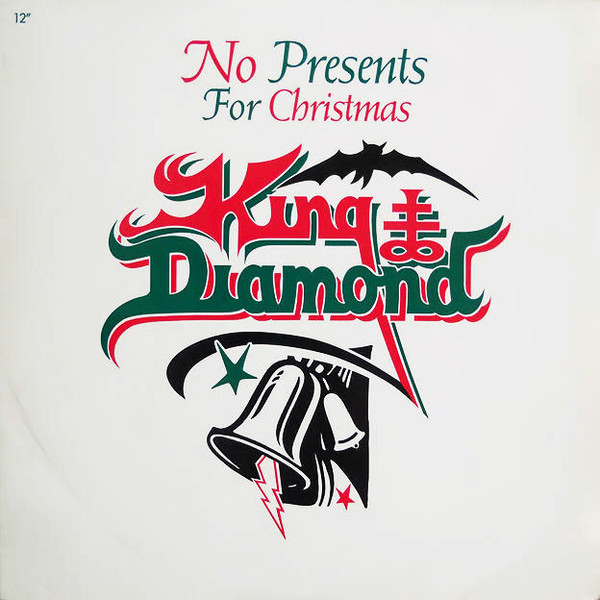
No Presents For Christmas
1985

House Of God
2000

Masquerade Of Madness
2024

Deadly Lullabyes (Live)
2004

"Them" / Conspiracy
2004

Fatal Portrait / Abigail
2003
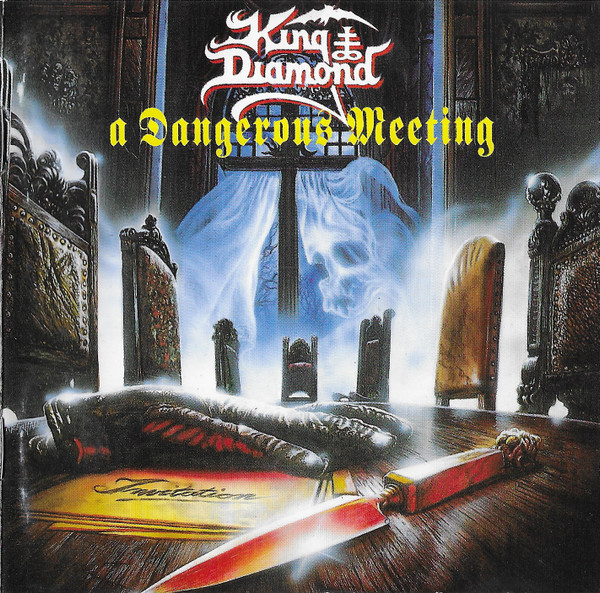
A Dangerous Meeting
1992

Deadly Omens Vol. 1
2016

Omens Over Detroit
2015
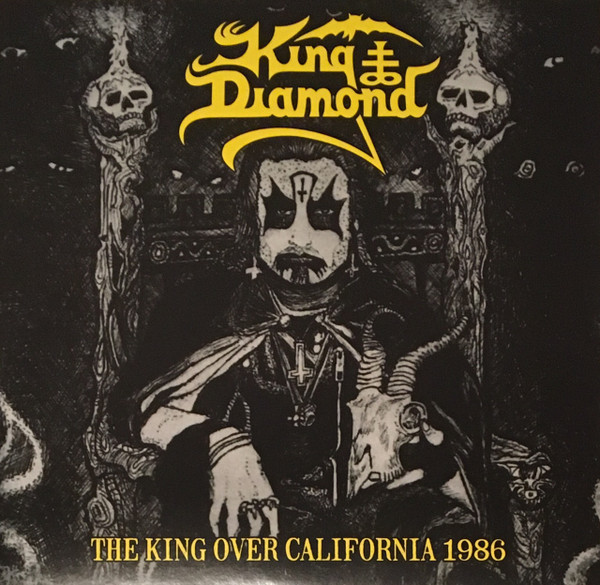
The King Over California 1986
2015

Dreams Of Horror
2014
Related artists
Around the web
Follow every record they touch.
Start your shelf and Gatefold tracks King Diamond's new pressings, tour dates, and the whole discography — automatically.
Start your shelf →Free forever. Works with 10 records or 10,000.