
Artist
幾何学模様
Geometric Patterns
Tokyo, Japan · 2012 – 2022
幾何学模様 is a music group from Tokyo, Japan, active 2012–2022. Their discography on Gatefold includes 8 records.

8
Albums tracked
137
In collections
2012
Since
Biography
They started as buskers on the streets of Tokyo, playing for loose change until the cops or the weather moved them along. This wasn't some calculated industry play—Go and Tomo were just trying to find a sound that didn't feel like a photocopy of Western psych-rock. They hit on something when they dragged a sitar into the mix and slowed everything down to a crawl. It wasn't about being 'retro' or chasing a 1967 aesthetic; it was about the physical endurance of a jam that could last forty minutes if the crowd stayed put. By the time they founded Guruguru Brain, they weren't just a band—they were an infrastructure for the entire Asian underground. They escaped the Tokyo noise scene's gravity by leaning into folk and krautrock textures that most bands would find too 'soft' or too repetitive. They played every dive bar from Brooklyn to Berlin, refining a live show that felt more like a collective exorcism than a concert. Then, at the absolute height of their power and demand, they just fucking quit. No drama, no public meltdown—they just decided the story was finished and closed the shop.
Bio from The Clerk
The Arc of 幾何学模様
The pivots — what forced 幾何学模様 to reinvent.
The Street Busking Genesis
Before the world tours, it was just Go and Tomo busking outside Tokyo stations with whatever gear they could carry. These early sessions, captured on the self-titled debut, were raw and relied on a heavy, motorik repetition born from playing for indifferent commuters. The arrival of Ryu Kurosawa after studying sitar in India changed the dynamic, forcing the guitars to find space around a drone rather than just competing for volume. You hear that tension on the 2013 record where they’re still figuring out if they’re a garage band or a meditation circle.
The Guruguru Brain Expansion
Moving to the Forest of Lost Children era, the band stopped being a local curiosity and started their own label to control their output. They leaned into the 'free folk' movement, ditching the heavy distortion for acoustic guitars and more intricate percussion. Recording in the mountains of Japan provided a shift in acoustics that made the records feel wider and more breathable. This is where the songwriting tightened up, moving away from aimless wandering into structured, multi-part epics.
The Portuguese Production Shift
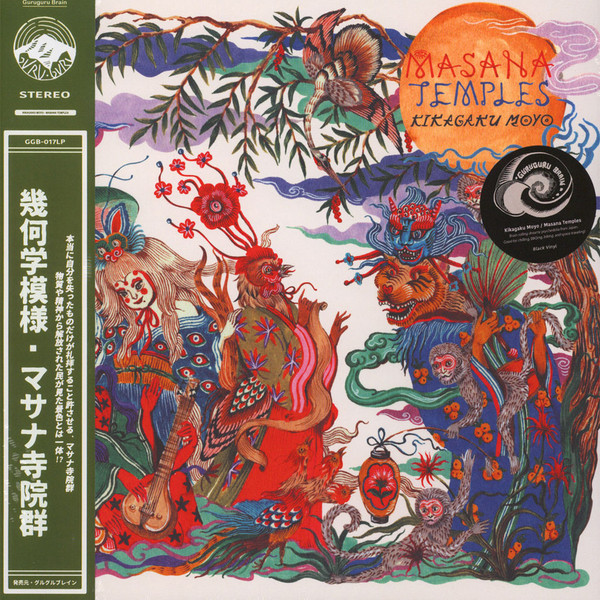
For Masana Temples, they flew to Lisbon to work with jazz musician Bruno Pernadas, a move that confused the hell out of the purists. Pernadas stripped away the hazy fuzz and demanded clean, bright production that highlighted their technical chops over their pedalboards. It pushed the band toward a sophisticated, almost pop-adjacent sound that leaned on bossa nova rhythms and tighter arrangements. This wasn't a sellout move—it was a necessary pivot to keep from becoming a psych-rock caricature.
The Final Bow on Kumoyo Island
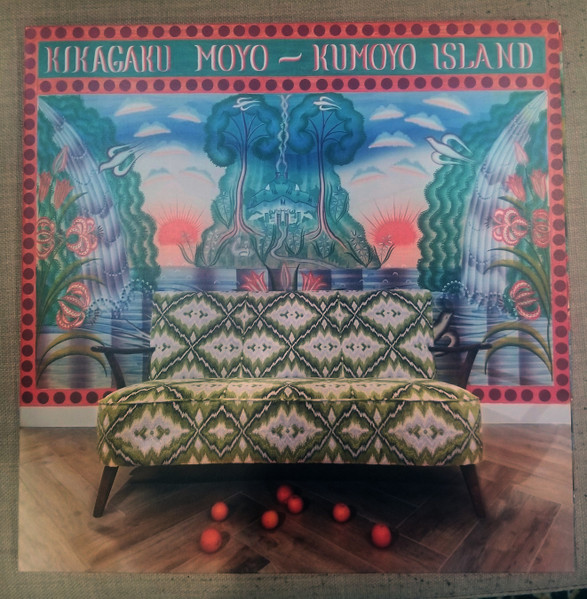
They retreated to their own studio in Tokyo to record Kumoyo Island as a deliberate farewell. After years of touring, they returned to the DIY ethos of their first EP but with the polish of a band that had played every major festival on Earth. It’s a record of everything they’d learned: the fuzz is back, the sitar is locked in, and the vibes are heavy. They announced the breakup before the record even hit the shelves, ensuring the final tour was a victory lap rather than a slow decline.
Influences
- Can — Go Kurosawa has explicitly cited Jaki Liebezeit’s 'metronome' drumming as the foundation for their rhythm section. You hear it in the unwavering 4/4 pulse of tracks like 'Dripping Sun.' It’s that same discipline of holding a groove until it becomes hypnotic.
- Far East Family Band — They are the direct spiritual heirs to Fumio Miyashita’s 70s space-rock outfit. The way Kikagaku Moyo layers synthesizers behind sitar drones is a page right out of 'Nipponjin.' It’s the sound of Japanese prog-rock being reclaimed by a new generation.
- The Velvet Underground — Tomo and Go have pointed to the 'White Light/White Heat' era for its use of feedback as a melodic tool. The track 'Green Sugar' uses that same scraping, abrasive guitar drone that Lou Reed championed. It provides the grit that keeps their sound from getting too 'hippie.'
- Ravi Shankar — Ryu Kurosawa moved to India specifically to study under the lineage of the senior masters. His playing isn't a surface-level 'Eastern' gimmick; it’s grounded in actual raga structures. You can hear the authentic discipline in the way he handles the sympathetic strings during their quieter interludes.
- Flower Travellin' Band — The band has referenced Satori as a blueprint for how to bridge the gap between heavy Sabbath riffs and Japanese traditionalism. The heavy psych freakouts on 'Stone Garden' carry that same 'Made in Japan' weight. It’s about taking a Western form and making it sound completely alien.
Discography
Their records — most-collected first.


Related artists
Around the web
Follow every record they touch.
Start your shelf and Gatefold tracks 幾何学模様's new pressings, tour dates, and the whole discography — automatically.
Start your shelf →Free forever. Works with 10 records or 10,000.