
Artist
Kansas
US prog rock band
Topeka, United States · Formed 1973
Kansas is a music group from Topeka, United States, active since 1973. Their discography on Gatefold includes 24 records.

42
Albums tracked
325
In collections
1973
Since
Biography
Kirshner Records put Kansas in a studio in 1974 with the intent of finding an American answer to the British prog-rock machine. They were a bunch of guys from Topeka who smelled like diesel and cheap beer, playing odd-time signatures on gear that barely held its tuning. Steve Walsh and Kerry Livgren were the poles of the band—Walsh wanted to be a soulful rock singer while Livgren was writing ten-minute epics about the cosmic meaning of life. It’s a miracle they didn't kill each other in the rehearsal room. By the late seventies, they were the only band on the radio following up a three-chord pop song with a six-minute violin workout. They peaked when the tension between Livgren’s heavy compositions and Walsh’s arena-rock pipes finally balanced out on Leftoverture. Then Livgren found religion, the hooks got sanded down for the CCM market, and the whole thing started to drift. They survived through sheer stubbornness and a rotating door of virtuosic players, but that mid-seventies run is the only reason people still dig through the bins for those early Kirshner pressings.
Bio from The Clerk
The Arc of Kansas
The pivots — what forced Kansas to reinvent.
The Topeka Underground
Before the gold records, they were two separate local bands, White Clover and Kansas, that kept merging and splitting until the definitive six-man lineup stuck. They spent those early years in a Wichita house rehearsing complex arrangements that most Midwestern bars hated. When Jeff Glixman stepped in to produce the debut, he captured a band that sounded like a garage act trying to play Mahavishnu Orchestra. You hear it in the raw, unpolished distortion of those first three records before the big-budget sheen took over.
The Arena-Prog Peak
The band was dead broke and facing a drop from the label when Livgren wrote Carry on Wayward Son at the tail end of the Leftoverture sessions. Suddenly, the intricate violin lines and organ swells were anchored by massive, radio-ready riffs that clicked with the American suburban crowd. This was the Glixman era at Studio in the Country, where they figured out how to make a six-minute song feel like a three-minute single. It turned them from cult weirdos into stadium headliners almost overnight.
The Ideological Split
The friction reached a breaking point during the Monolith and Audio-Visions sessions as Livgren’s lyrics shifted toward his conversion to Christianity. Steve Walsh grew miserable singing lines he didn't believe in and finally quit to form Streets, leading the band to hire John Elefante. The sound shifted toward a slicker, AOR style that fit the eighties but lost the grit of the original quintet. It’s a polished period, but the loss of that original push-and-pull between the founders made it feel like a different band entirely.
The Morse Reinvention
In 1986, the band pulled a total wildcard by recruiting guitar wizard Steve Morse after his run with the Dixie Dregs. With Phil Ehart and Rich Williams still holding the fort, the Power album moved away from the sprawling prog suites toward a muscular, technical hard rock sound. Morse brought a level of precision that revitalized their live show and proved they could survive without the classic violin-heavy blueprint. It was a brief, high-octane detour that remains a favorite for the guitar nerds.
Influences
- Yes — Kerry Livgren has frequently cited them as the reason he started writing longer, multi-part compositions. You hear the structural debt on tracks like Icarus - Borne on Wings of Steel, which mirrors the symphonic build of Fragile-era Yes. They took the British art-rock template and threw it in a blender with Kansas dirt.
- The Mothers of Invention — Robby Steinhardt specifically pointed to Frank Zappa’s use of the violin as a lead rock instrument as his primary motivation. This is why his playing on the early records is aggressive and rhythmic rather than just pretty background fluff. Without Zappa proving the violin could be a freak-instrument, Kansas is just another guitar band.
- Genesis — The band opened for Genesis on their early US tours and Livgren watched Peter Gabriel-era sets from the wings every night. The cinematic, storytelling aspect of songs like Journey from Mariabronn is a direct lift from the theatricality of Selling England by the Pound. They wanted that English grandeur but played with a frantic, American energy.
- The Marshall Tucker Band — They shared stages across the South and the Midwest, which kept the band's prog tendencies rooted in boogie and blues. You hear this influence in the dual-lead guitar harmonies and the occasional country-fried stomp that leaks into their harder tracks. It’s the reason they never sounded as precious or delicate as their European peers.
- Gentle Giant — The band’s obsession with counterpoint and interlocking vocal harmonies comes straight from the Gentle Giant playbook. Kerry Livgren has noted their technical complexity as a high-water mark they tried to hit on the more difficult sections of Song for America. It’s the math-rock DNA hidden underneath the big radio choruses.
Discography
Their records — most-collected first.
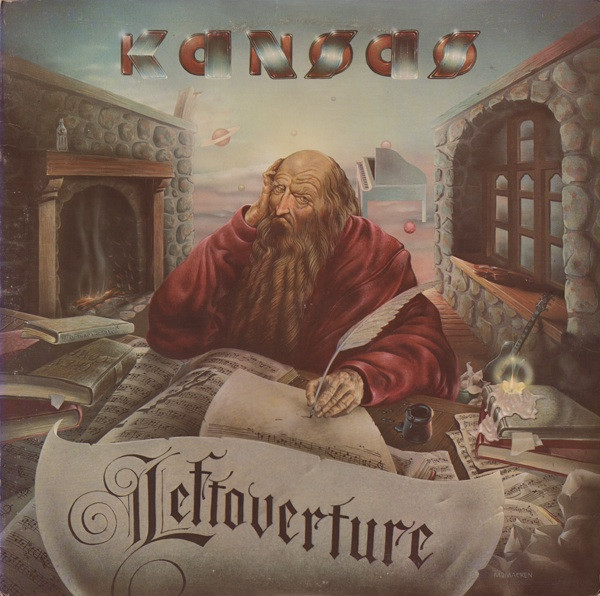
Leftoverture
1976
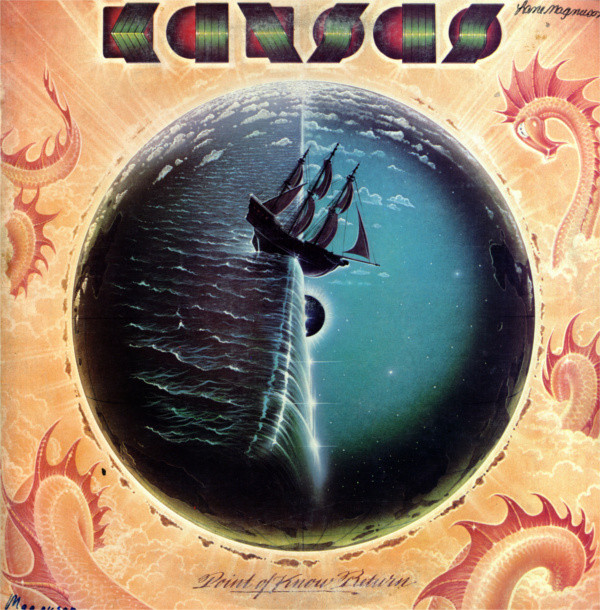
Point Of Know Return
1977

The Best Of Kansas
1984
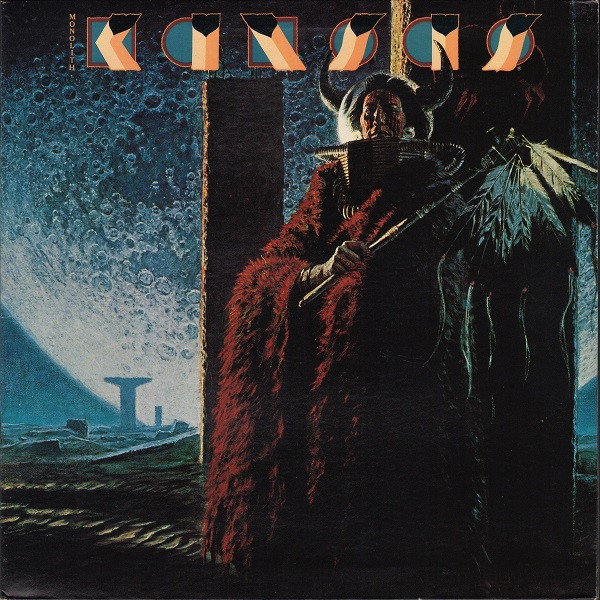
Monolith
1979
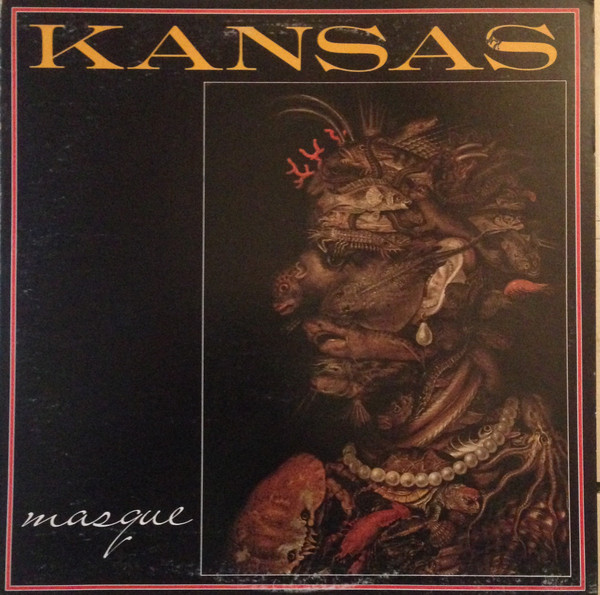
Masque
1975
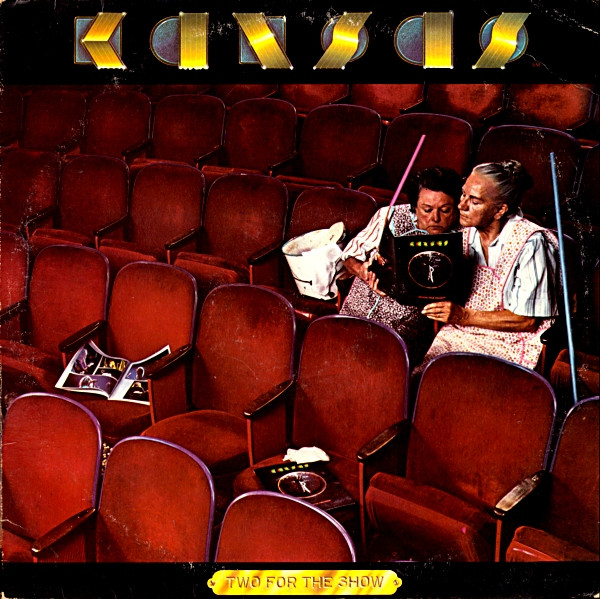
Two For The Show
1978
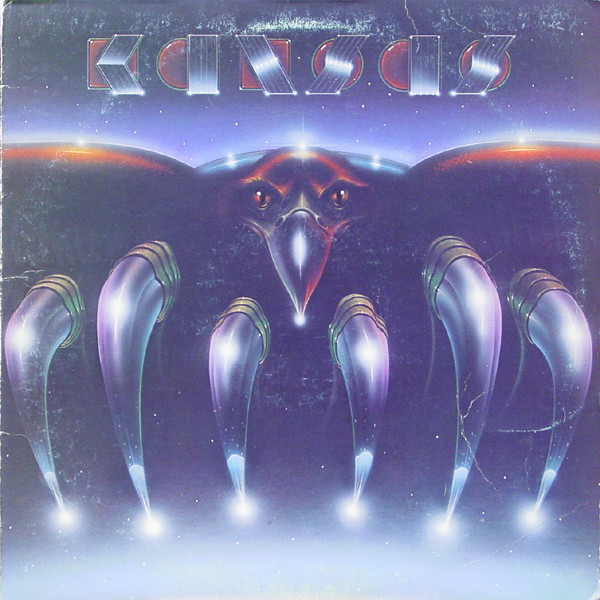
Song For America
1975

Kansas
1974
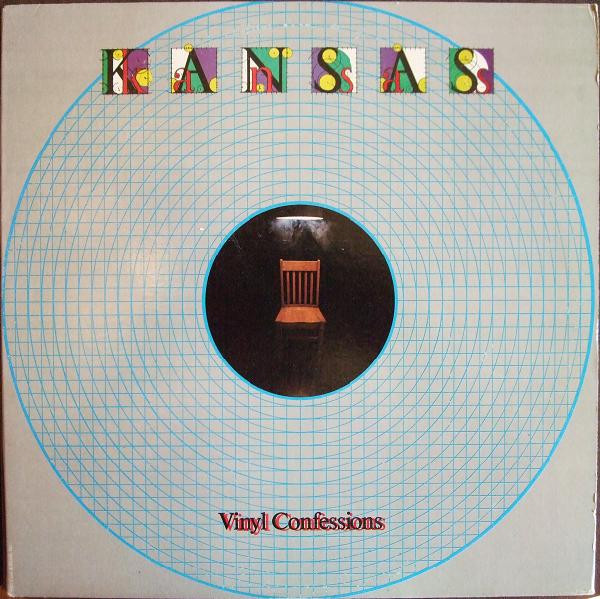
Vinyl Confessions
1982
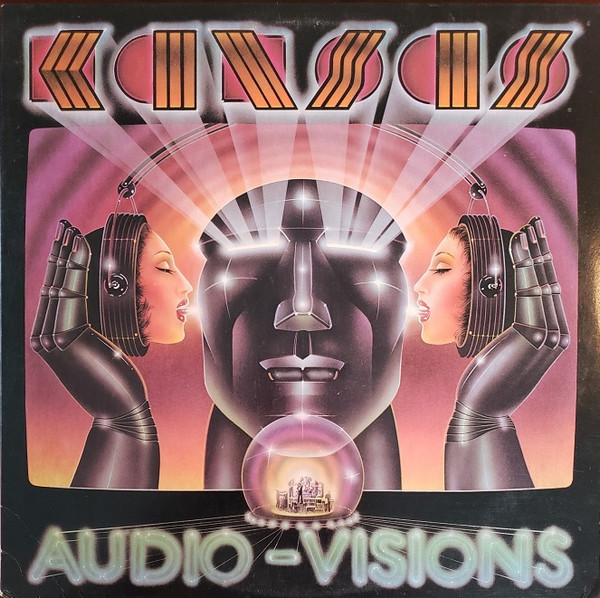
Audio-Visions
1980

Power
1986
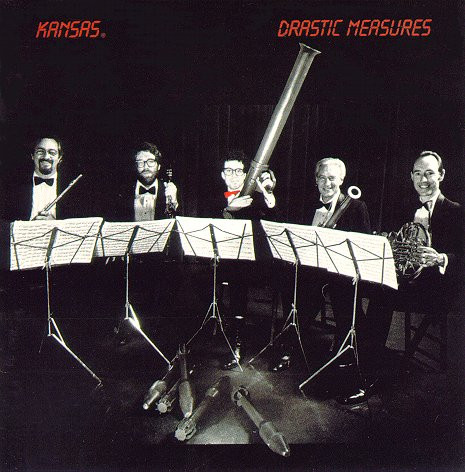
Drastic Measures
1983

The Absence Of Presence
2020
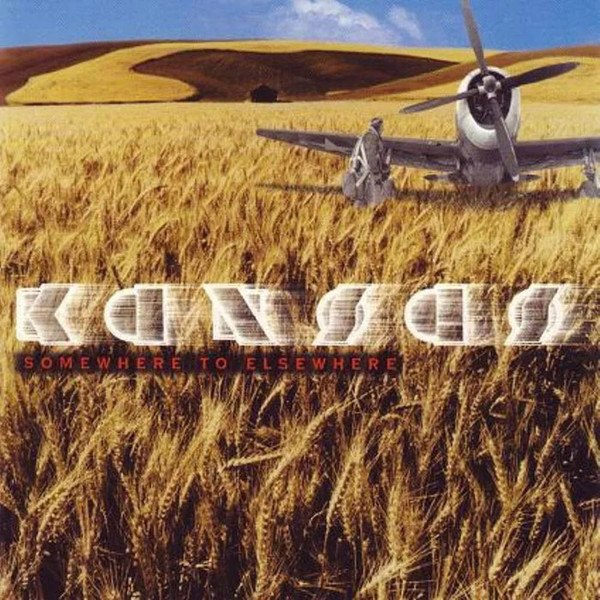
Somewhere To Elsewhere
2000
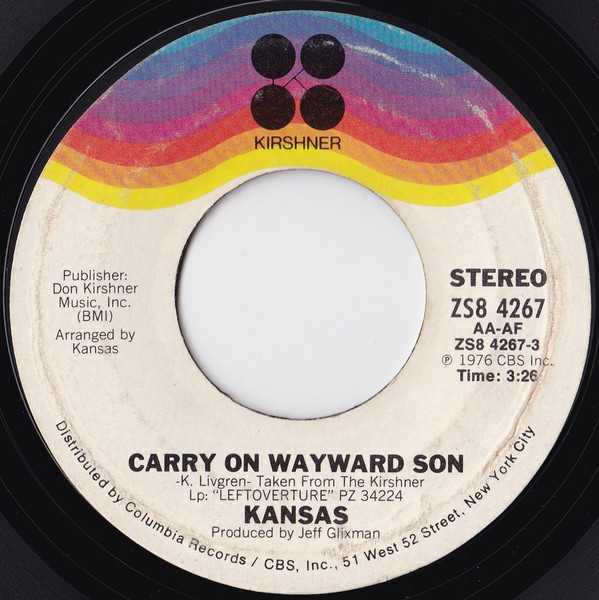
Carry On Wayward Son
1976
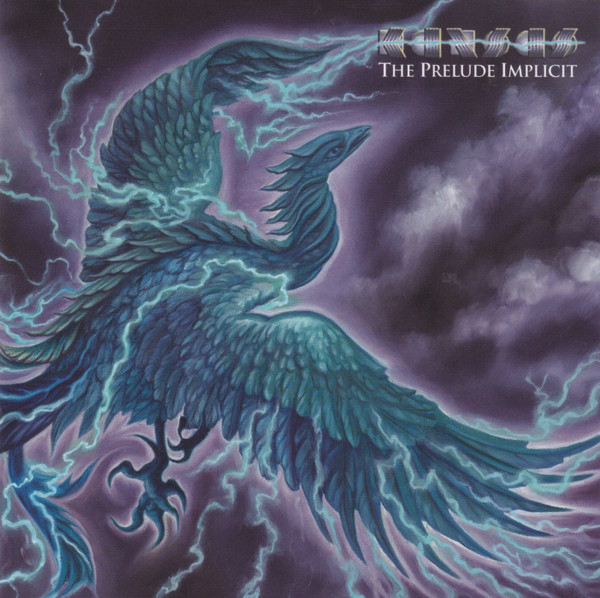
The Prelude Implicit
2016
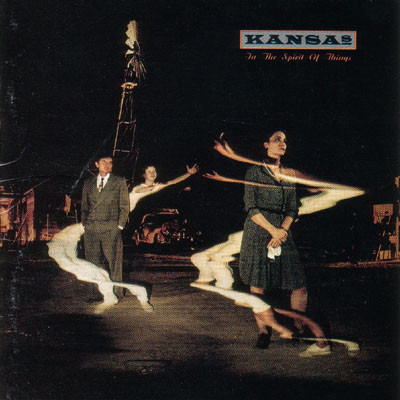
In The Spirit Of Things
1988

Dust In The Wind
1978

Point Of Know Return Live & Beyond
2021
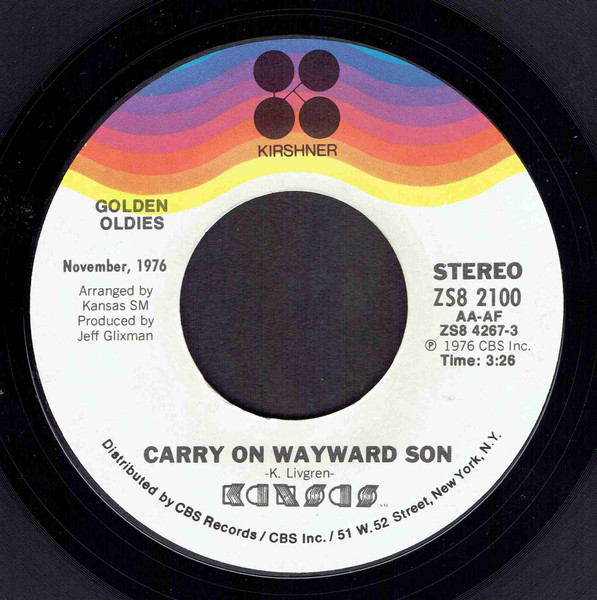
Carry On Wayward Son
1976

Leftoverture Live & Beyond
2017
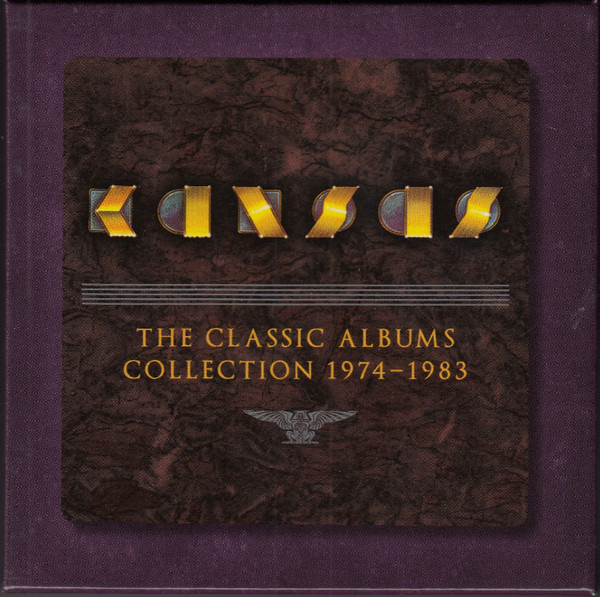
The Classic Albums Collection 1974-1983
2011

There's Know Place Like Home
2009

Extended Versions: The Encore Collection
2000
Related artists
Around the web
Follow every record they touch.
Start your shelf and Gatefold tracks Kansas's new pressings, tour dates, and the whole discography — automatically.
Start your shelf →Free forever. Works with 10 records or 10,000.