
Artist
Julia Holter
Milwaukee, United States · b. 1984
Julia Holter is a musician from Milwaukee, United States, active since 1984. Their discography on Gatefold includes 10 records.

10
Albums tracked
26
In collections
1984
Since
Biography
She tracked Tragedy on a dying computer in her Echo Park bedroom, layering software synths, a Casio, and field recordings into an open microphone until Euripides sounded like a tape loop running at half speed. No money, no session budget, just a degree from CalArts and an obsession with ancient theater. Most artists coming out of the early 2010s LA DIY scene used tape hiss as a crutch to hide thin songs. Holter used it to build an architecture of vocal polyphony that felt both centuries old and completely alienated from the pop world. She didn't stay a bedroom hermit. Signing to Domino gave her a real ensemble budget, and rather than buying into slick modern production, she hired jazz cats and contemporary classical players to chase acoustic air. She went from dense academic chamber experiments to writing gorgeous, sweeping art-pop on Have You in My Wilderness, then immediately nuked any risk of complacency by releasing an eighty-minute double album of medieval synth clatter. She treats pop songwriting like an assignment she can ace whenever she feels like it, only to wander straight back into harmonic dissonance the second people get comfortable.
Bio from The Clerk
The Arc of Julia Holter
The pivots — what forced Julia Holter to reinvent.
The Studio Ensemble & Chamber Pop Peak
A jump to Domino Recording Company blew open her palette, pairing her with co-producer Cole M. Greif-Neill and a tight circle of acoustic session players. 2013's Loud City Song took Colette's Gigi and turned it into an anxious chamber-jazz opera tracked in a professional room, followed by 2015's Have You in My Wilderness, which stripped away the heavy conceptual armor and pushed her dry, unvarnished vocal right to the front of the mix. It was her most direct, melodic work to date, trading murky field recordings for lush strings, upright bass, and crisp hooks. Instead of selling out, she just showed she could write classic pop songcraft better than the purists.
Organic Textures & The Human Pulse
Stepping through film scores like 2020's Never Rarely Sometimes Always and contemporary classical collaborations, Holter pivoted away from the harsh dissonance of her late-2010s work toward warmth and physical presence. 2024's Something in the Room She Moves, cut again with Kenny Gilmore alongside bassist Devin Hoff and woodwind player Chris Speed, centered entirely around fretless bass, breath, and fluid synthesizers. The compositions loosen their grip on rigid avant-garde noise to focus on intimate, bodily resonance and motherhood. It sounds like a living room breathing in real time, grounding her formal composition chops in genuine human warmth.
Influences
- Laurie Anderson — Holter has consistently cited Anderson's early multi-media performance art and vocal storytelling as the cornerstone for how to treat a microphone as an acoustic filter. You hear that deadpan spoken-word delivery and synthetic vocoder manipulation all over Tragedy. It is art school discipline turned into razor-sharp pop theatrics.
- Robert Ashley — Holter studied electronic composition at CalArts under mentors steeped in Ashley's tradition of opera made out of conversational, rhythmic speech. His blueprint of building entire narratives out of repetitive piano vamps and monotonous, hypnotic storytelling is the direct ancestor of Loud City Song. She took his avant-garde theatrical cadence and slipped it under pop hooks.
- Joni Mitchell — Mitchell's late-seventies shift into jazz-inflected phrasing and complex fretless bass arrangements served as the explicit North Star for Holter's later arrangements. The freewheeling bass runs and soaring, conversational vocal acrobatics across Have You in My Wilderness and Something in the Room She Moves pull directly from the open sonic spaces Mitchell carved out on Hejira. Holter treats the vocal melody not as a fixed hook, but as an elastic horn line.
- Morton Feldman — Holter's formal background in avant-garde composition roots deeply in Feldman's philosophy of soft dynamics and letting acoustic decay hang in the room. The lingering, suspended silences and subtle ambient transitions between tracks on Ekstasis mirror Feldman's slow-blooming orchestral stillness. She knows how to make quiet spaces feel just as heavy as a blast beat.
- Arthur Russell — Russell's signature method of marrying classical cello repetition with echo units and drum machine rhythm directly informed Holter's early home recordings. Tracks on Ekstasis that hinge entirely on a cello loop, an obscure keyboard preset, and her own multi-tracked harmonies echo the fragile, echoing chamber-disco experiments Russell cut in the early eighties. It is the absolute holy grail for classical players turning their bedrooms into echo chambers.
Discography
Their records — most-collected first.


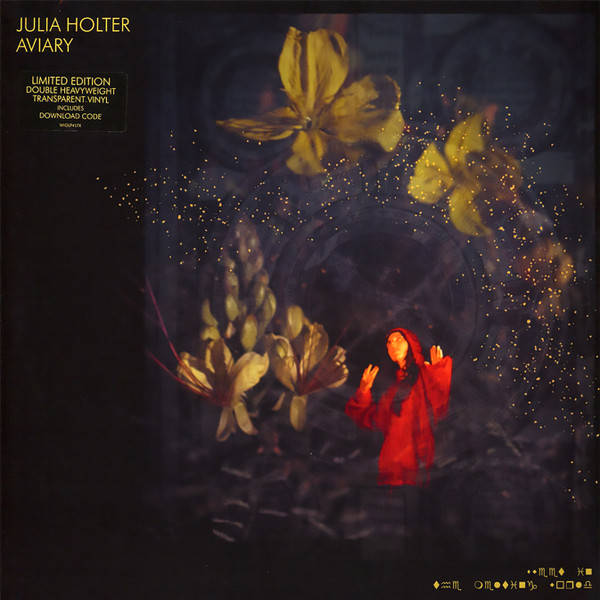
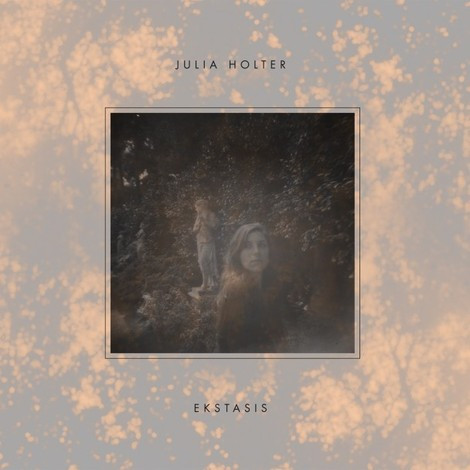

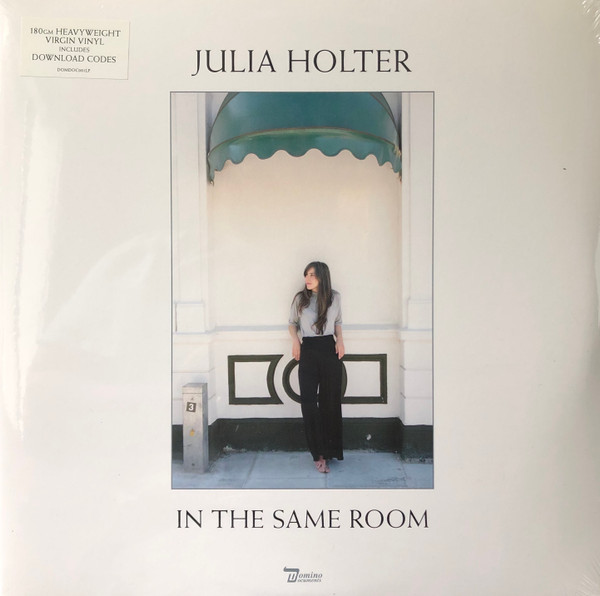
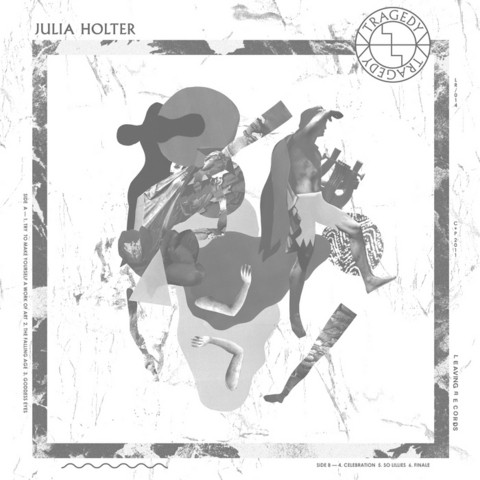


Related artists
Frequent collaborators
Around the web
Follow every record they touch.
Start your shelf and Gatefold tracks Julia Holter's new pressings, tour dates, and the whole discography — automatically.
Start your shelf →Free forever. Works with 10 records or 10,000.