
Artist
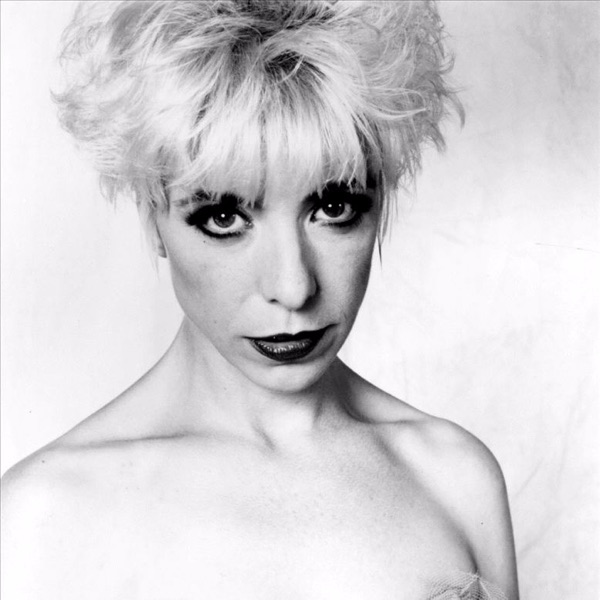
Julee Cruise
US singer and actress
Creston, United States · 1956 – 2022
Julee Cruise is a musician from Creston, United States, active 1956–2022. Their discography on Gatefold includes 6 records.
6
Albums tracked
29
In collections
1956
Since
Biography
David Lynch couldn't clear the licensing for This Mortal Coil's version of "Song to the Siren" for *Blue Velvet*, so he shoved Angelo Badalamenti into a room to write an original piece and brought in a theater singer from Iowa to hit the high notes. Julee Cruise walked up to the mic, laid down "Mysteries of Love" with pure breath control and no vibrato, and accidentally invented dream pop's most haunted vocal blueprint. Lynch handed her cryptic lyrics scribbled on scraps of paper; Badalamenti stacked slow-motion synth pads and twangy baritone guitar hooks. It was unhurried, eerie as hell, and miles away from the synthetic gloss cluttering FM radio at the end of the eighties. The industry tried to freeze her in amber as the Roadhouse chanteuse forever, but she refused to play the museum piece. Touring with the B-52's in beehive wigs to cover Cindy Wilson's parts proved she had serious theatrical chops that didn't need fog machines or Angelo's reverb tanks to land. When she cut the Lynch cord entirely, the critics were fucking merciless because they wanted her trapped under a spotlight in an imaginary Pacific Northwest bar. Too bad for them. She dove headfirst into breakbeats, downtempo electronica, and grime-soaked club collaborations, pulling off tricky vocal acrobatics while maintaining that deadpan, celestial delivery until the day she checked out.
Bio from The Clerk
The Arc of Julee Cruise
The pivots — what forced Julee Cruise to reinvent.
The Lynch-Badalamenti Crucible
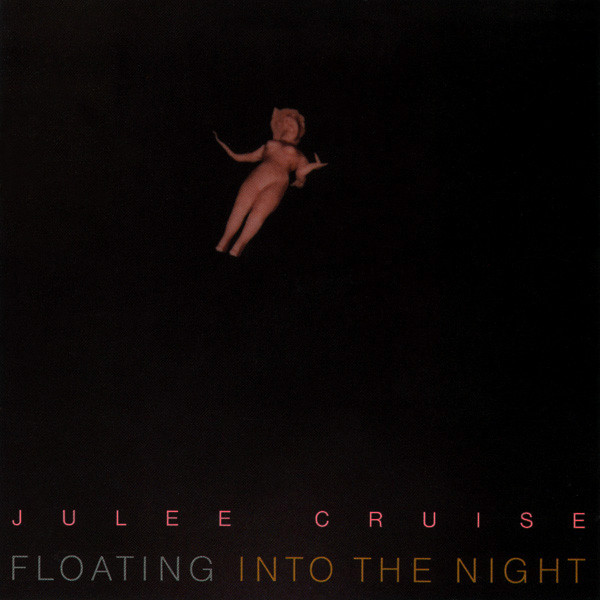
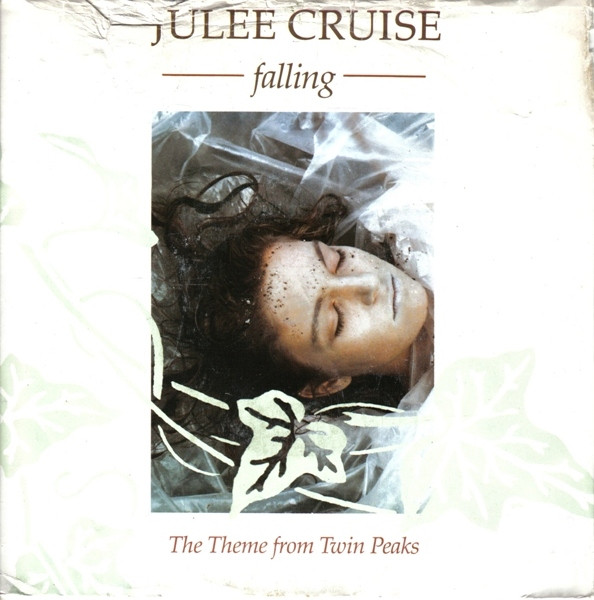
Warner Bros. put out *Floating into the Night* in 1989, effectively handing an entire full-length canvas to the team that cut "Mysteries of Love". Lynch wrote words that sounded like fractured schoolyard rhymes, Badalamenti dialed in the slow-motion twang, and Cruise brought a razor-sharp choral discipline that kept the material from dissolving into total mush. The vocal take on "Falling" became inescapable once *Twin Peaks* hit the airwaves, turning slow-motion grief into a motherfucking pop sensation. That same trio pushed the live aesthetic into surrealist staging for the 1991 Brooklyn Academy of Music performance documented on *Industrial Symphony No. 1*.
The Fracture and The Roadhouse Sunset
By the time *The Voice of Love* landed in 1993, the Lynch-Badalamenti machine was wearing thin from label demands and creative friction. Much of the record recycled cues from the *Twin Peaks: Fire Walk with Me* soundtrack alongside newly arranged ballads, catching Cruise at her absolute peak of breathy, devastated resonance. It was her final collaborative album with the duo, capturing an intimate, twilight atmosphere that neither the director nor the composer would ever recreate with anyone else. The mainstream had moved on to grunge, making the record a commercial casualty that felt like a quiet door swinging shut on a haunted room.
The Club Exodus and Reinvention
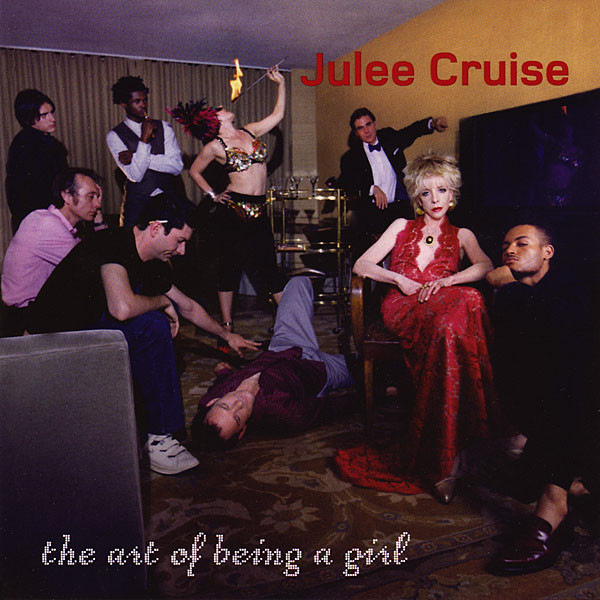
Needing distance from the cinematic shadow, Cruise spent the late nineties stepping onto dancefloors and into basement club rigs. She sang on breakbeat outfit Hybrid's 1999 record *Wide Angle*, delivering the haunting topline on the club hit "If I Survive" that proved her voice cut clean through massive bass drops. In 2002, she took back total control by dropping *The Art of Being a Girl* on Water Music Records, completely severing ties with the dream-pop machinery. Working with producer J.J. McGeehan and Khan, the record swapped retro slow-burns for trip-hop grooves, lounge jazz, and sharp, biting electronic textures.
Downtempo Dusk
Cruise closed out her studio LP run in 2011 with *My Secret Life*, teaming up directly with Super DJ Dmitry of Deee-Lite fame. The album plunged her into deep downtempo, dub textures, and smoky nocturnal electronics that let her run vocal rings around minimalist synthesizer grooves. It showed zero interest in looking backward, completely free of Badalamenti's orchestral swells. She eventually made one last Roadhouse appearance in 2017 to put the ghost to rest before leaving us in 2022, leaving behind a compact catalog that refused to follow anyone else's rules.
Influences
- This Mortal Coil — David Lynch originally wanted Elizabeth Fraser's vocal performance on This Mortal Coil's version of 'Song to the Siren' for the *Blue Velvet* soundtrack, and he specifically brought in Cruise to emulate that ethereal, vibrato-free delivery after the rights fell through. You hear that exact suspended, high-register breath control on 'Mysteries of Love' and throughout *Floating into the Night*.
- The Ronettes — Badalamenti and Cruise drew heavily from early 1960s girl-group structures and melodrama, subverting standard pop innocence into something profoundly unsettling. The longing teen-tragedy rhythm of 'Rockin' Back Inside My Heart' directly mirrors the pocket and pacing of Ellie Greenwich and Phil Spector compositions.
- Julie London — Cruise cited London's ultra-close, whisper-in-the-ear vocal mic technique as a key influence on her own phrasing. You can hear that deliberate, dry intimacy on ballad cuts like 'The Swan,' where the vocal sits directly against the listener's ear with no room noise.
- The B-52's — Cruise cut her teeth on their theatrical camp, eventually joining the band on tour in the 1990s to cover Cindy Wilson's parts on stage. That surf-pop twang and unhinged melodic bite bleeding into Badalamenti's uptempo arrangements originated right in their orbit.
- Chet Baker — Baker's frail, unadorned vocal approach served as the template for mid-century jazz balladry stripped of Broadway projection. Cruise applied that identical, nearly spent vocal exhaustion to Badalamenti's slow tempos across *The Voice of Love*.
Discography
Their records — most-collected first.


Related artists
Frequent collaborators
Around the web
Follow every record they touch.
Start your shelf and Gatefold tracks Julee Cruise's new pressings, tour dates, and the whole discography — automatically.
Start your shelf →Free forever. Works with 10 records or 10,000.