
Artist
Joji
Japanese‐Australian singer‐songwriter, rapper
Osaka, Japan · b. 1992
Joji is a musician from Osaka, Japan, active since 1992. Their discography on Gatefold includes 6 records.

6
Albums tracked
74
In collections
1992
Since
Biography
George Miller was already pulling millions of views as a chaotic internet provocateur when he decided to kill the bit and pivot to the basement-fidelity haze of the Chloe Burbank era. It was a risky move because the audience he built was looking for a punchline, not a lofi producer obsessing over Thom Yorke's solo work and niche boom-bap textures. He tracked early vocals on a cheap snowball mic, burying his voice under layers of hiss and detuned piano samples because he wasn't ready to let anyone hear him clearly yet. By the time he signed with 88rising, the bedroom aesthetics got polished into something more expensive and high-definition, but the underlying gloom didn't shift. He went from a guy sampling 1940s jazz records on a laptop to a marquee name working with massive session players and polish-heavy producers. It's a weird trajectory—going from the most hated man on the internet to a legitimate pop star who sounds like he’d rather be anywhere else but the stage.
Bio from The Clerk
The Arc of Joji
The pivots — what forced Joji to reinvent.
The GarageBand Exile
Everything started with the Chloe Burbank Vol. 1 leaks where Miller retreated into a purely digital, sample-heavy world to escape his own online persona. He was essentially a bedroom producer using basic software to chop up old jazz records and obscure vocal loops into something resembling a sedative. You hear the limitations of the gear in the heavy compression and the way the vocals sit way back in the mix. It was an anonymous, texture-first period that prioritized mood over the song structure he’d eventually adopt for the charts.
The 88rising Polish
The shift to the In Tongues EP saw him moving away from unauthorized samples toward more controlled, original compositions under the 88rising banner. Bringing in collaborators like Clams Casino meant the cloud rap influence became a structural foundation rather than just a vibe. The drums got heavier and the production cleaned up, but he kept that signature damp, underwater atmosphere that defined his early DIY work. It was the moment he proved the transition from a content creator to a musician wasn't just a gimmick.
The Arena Balladeer
Nectar and Smithereens represent the full pivot into high-budget pop production where the bedroom hiss is replaced by pristine engineering. Working with industry heavyweights like Greg Kurstin and Diplo pushed his vocals to the front of the mix for the first time. The songs became tighter and the arrangements grew more orchestral, though he managed to keep the same lyrical focus on isolation and fatigue. It’s the sound of a guy being groomed for stadiums while still writing music that feels like it was conceived in a dark room at 3:00 AM.
Influences
- Thom Yorke — Miller has cited Yorke as a massive influence on his vocal approach and the way he uses falsetto as a texture. You hear it in the way he stretches syllables and the occasional atmospheric clutter in his production. It's that specific brand of lonely, electronic-leaning melancholy.
- James Blake — The influence is documented in Miller's early interviews regarding his use of silence and minimalist percussion. The DNA of Blake's self-titled record is all over Joji's early lofi ballads. The way he layers vocal harmonies over sparse, sub-heavy beats is straight out of the Blake playbook.
- Clams Casino — They eventually collaborated on 'CAN'T GET OVER YOU,' but Clams' cloud rap production style was a blueprint for the Joji sound years before that. You hear it in the distorted, washed-out pads and the heavy use of reverb on the snare. Clams essentially built the house that Joji moved into.
- Donald Glover — Miller watched Glover successfully kill off one persona to become a serious artist and used it as a career template. The transition from comedy-adjacent rap to soulful, serious production mirrors the path Glover took with Because the Internet. It’s about the permission to be taken seriously after the internet already branded you.
- Ray Charles — Miller specifically cited 'Georgia on My Mind' as a song that shaped his understanding of how to convey longing through melody. You hear those classic pop and soul structures buried under the modern synth textures. It's the reason his songs often feel like old-school torch songs disguised as modern R&B.
Discography
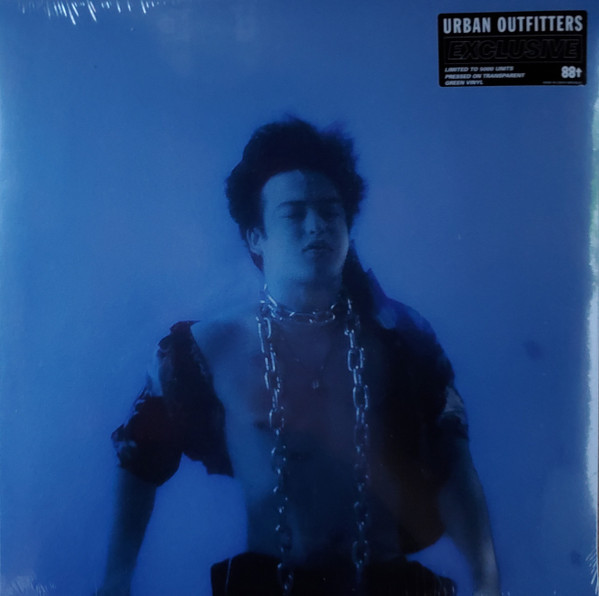
Their records — most-collected first.





Around the web
Follow every record they touch.
Start your shelf and Gatefold tracks Joji's new pressings, tour dates, and the whole discography — automatically.
Start your shelf →Free forever. Works with 10 records or 10,000.