
Artist
John Mayer
US singer‐songwriter
Bridgeport, United States · b. 1977
John Mayer is a musician from Bridgeport, United States, active since 1977. Their discography on Gatefold includes 21 records. They also recorded with John Mayer Trio.

22
Albums tracked
332
In collections
1977
Since
Biography
Mayer spent his teen years obsessing over a SRV cassette before dropping out of Berklee after two semesters because he realized he didn't want to analyze music—he wanted to sell it. He moved to Atlanta with Clay Cook, lived on Lo-Fi acoustic sketches, and got signed to Aware after a South by Southwest showcase that proved he could play circles around the coffee-house circuit. Room for Squares was the bait, a slick piece of pop engineering that made him a teen idol while he was secretly waiting for the chance to play loud, distorted blues. He eventually leveraged that pop capital to buy his way into the rooms that actually mattered, dragging Steve Jordan and Pino Palladino into the John Mayer Trio. That’s the real Mayer—the guy who can pivot from a sugary chart-topper to a 10-minute Hendrix-style improvisation without breaking a sweat. He’s spent the last two decades oscillating between being a world-class guitar player and a guy who writes lyrics that sound like they were drafted in a high-end hotel bar. It’s frustrating as hell, but the chops are undeniable.
Bio from The Clerk
The Arc of John Mayer
The pivots — what forced John Mayer to reinvent.
The Pop Idol Blueprint
Room for Squares and Heavier Things were calculated moves to dominate the early 2000s FM dial. Working with producers like John Alagía, he crafted a radio-ready acoustic sound that masked his technical proficiency behind breathy vocals and relatable hooks. You hear the restraint on 'Neon,' where the complex thumb-and-index technique is tucked into a track that sounds like standard mall-pop. He became a superstar, but he was effectively a shredder in hiding.
The Trio Rebellion
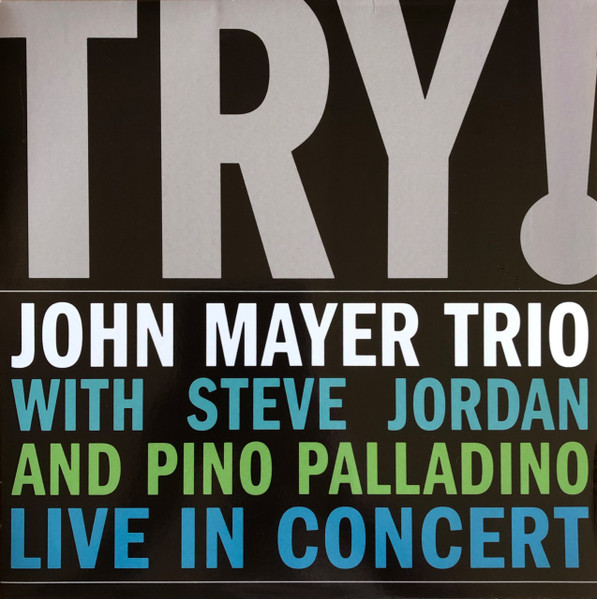
The 2005 live album Try! was the moment he stopped pretending he wasn't a blues nerd. By hiring Steve Jordan and Pino Palladino, he formed a power trio that leaned into the grit of the 1960s British blues explosion and Hendrix’s Band of Gypsys. This pivot culminated in Continuum, an album tracked mostly at Village Recorder in LA where the Stratocaster tone finally took center stage over the pop persona. It was the rarest move in the industry: a pop star successfully forcing his audience to listen to 'Gravity' instead of 'Your Body Is a Wonderland.'
The Laurel Canyon Retreat
After blowing up his public image with some truly idiotic interviews and vocal cord surgery, Mayer retreated to Montana and went full Americana for Born and Raised. He brought in Don Was to produce and recruited legendary session players like Chuck Leavell and Greg Leisz to trade the flashy blues licks for pedal steel and Crosby, Stills & Nash harmonies. This was the end of the urban playboy era, replaced by a 1970s soft-rock aesthetic that traded the sleek PRS amps for a warmer, dusty folk-rock sound. It felt like a man trying to age himself a decade overnight just to get some peace.
The Grateful Dead Internship
Becoming the lead guitarist for Dead & Company in 2015 wasn't just a side gig; it rewired how he approached the instrument. Playing four-hour sets with Bob Weir meant abandoning the tight four-minute pop structure in favor of modal improvisation and Jerry Garcia’s chromatic runs. You can hear this bleed back into his solo work on Sob Rock, where he uses that fluid, jam-band phrasing to navigate 1980s yacht-rock textures. He stopped chasing the hit and started chasing the pocket, becoming the most overqualified sideman in history.
Influences
- Stevie Ray Vaughan — Mayer has 'SRV' tattooed on his arm and spent his youth transcribing the 'Texas Flood' solos note-for-note. The aggressive string snapping and heavy vibrato on his blues tracks are straight from the Vaughan playbook. It's the foundation of his entire physical approach to the Stratocaster.
- Eric Clapton — Mayer cites the 'Beano' album as his introduction to the concept of the guitar hero. He eventually performed with Clapton at the Crossroads festivals, adopting that same clean, mid-range heavy 'Woman Tone' for his more melodic lead work. He’s essentially the 21st-century version of the Slowhand polished-blues archetype.
- Jimi Hendrix — The John Mayer Trio’s live sets are anchored by covers of 'Wait Until Tomorrow' and 'Bold as Love.' He mimics the Hendrix 'thumb-over-neck' chordal style to play rhythm and lead lines simultaneously. It’s the technical skeleton behind almost every track on 'Continuum.'
- B.B. King — Mayer shared a stage with King multiple times and credits him for teaching the value of a single, well-placed note over a flurry of scales. You hear the Lucille-style vibrato and vocal-like phrasing in the solo on 'Slow Dancing in a Burning Room.' He learned how to make the guitar breathe from the King of the Blues.
- The Grateful Dead — Mayer obsessed over the 'Europe '72' recordings before eventually joining the surviving members in Dead & Company. The influence showed up late, replacing his structured blues boxes with the wandering, mixolydian journeys typical of Jerry Garcia. It turned him from a soloist into a weaver.
John Mayer — solo
Their records — most-collected first.
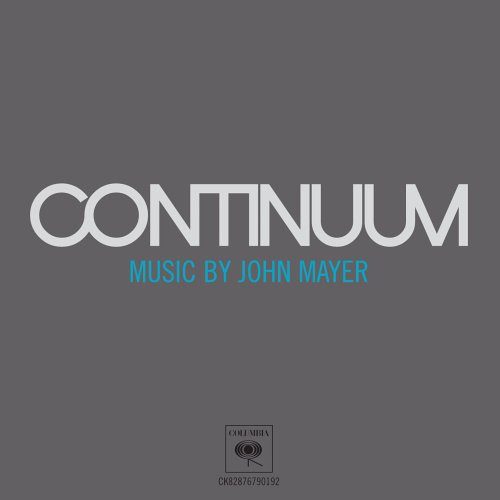
Continuum
2006
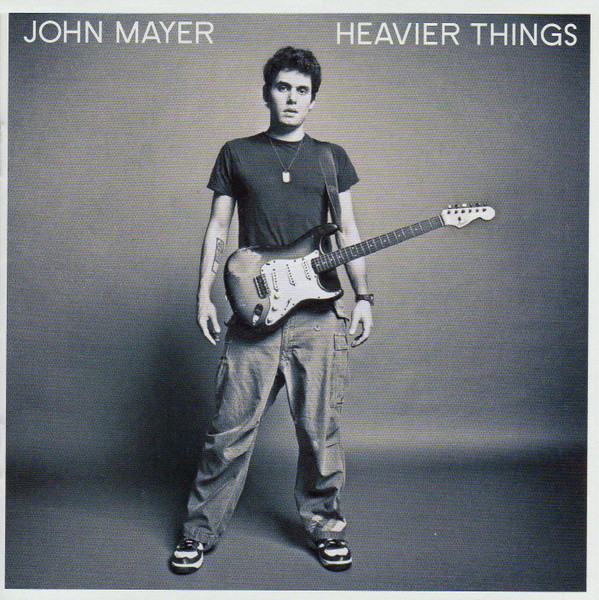
Heavier Things
2003

Room For Squares
2001
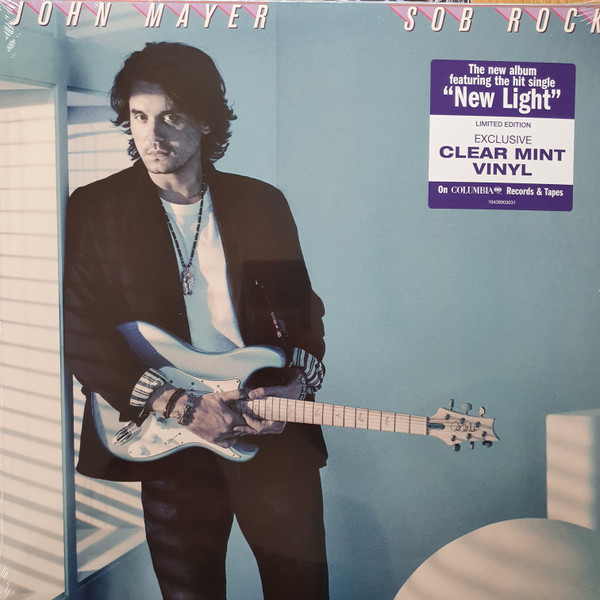
Sob Rock
2021
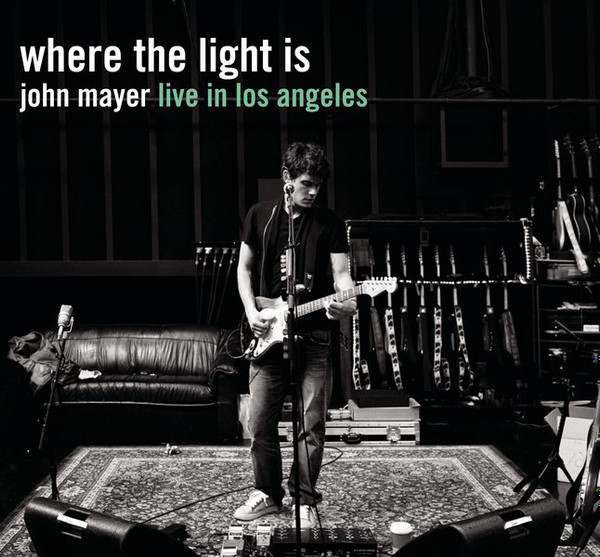
Where The Light Is: John Mayer Live In Los Angeles
2008

The Search For Everything
2017
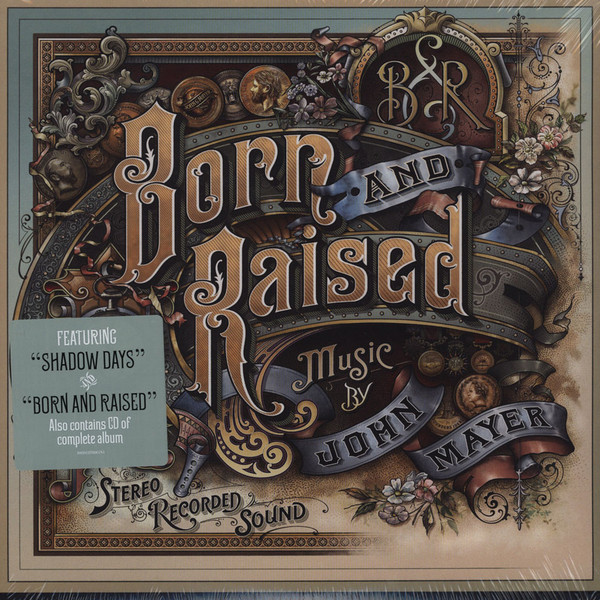
Born And Raised
2012

Battle Studies
2009

Paradise Valley
2013
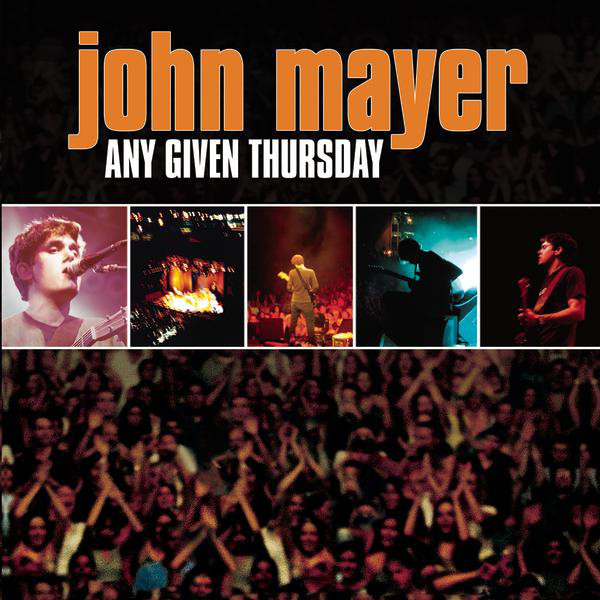
Any Given Thursday
2003
The Complete 2012 Performances Collection
2012

Who Says
2009
The Village Sessions
2006
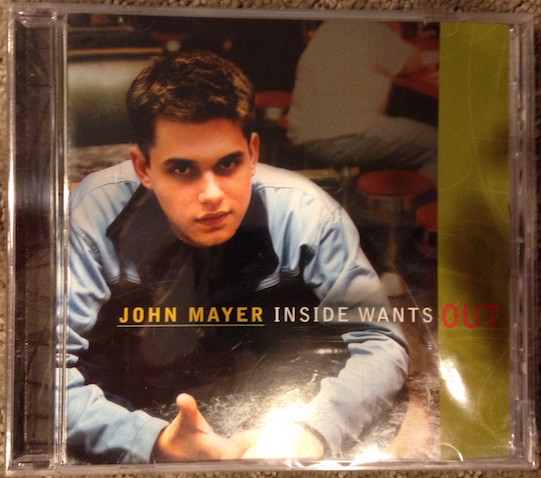
Inside Wants Out
1999
Say
2007

Bigger Than My Body
2003

Continuum / Battle Studies
2013

John Mayer
2012

Room For Squares / Heavier Things
2007

Waiting On The World To Change
2006

As/Is
2004
John Mayer Trio
John Mayer under another name — MusicBrainz marks this project eponymous.
Related artists
More projects
Frequent collaborators
Around the web
Follow every record they touch.
Start your shelf and Gatefold tracks John Mayer's new pressings, tour dates, and the whole discography — automatically.
Start your shelf →Free forever. Works with 10 records or 10,000.