
Artist
Jean‐Michel Jarre
4th arrondissement of Lyon, France · b. 1948
Jean‐Michel Jarre is a musician from 4th arrondissement of Lyon, France, active since 1948. Their discography on Gatefold includes 24 records.

39
Albums tracked
204
In collections
1948
Since
Biography
Jarre started out at the Groupe de Recherches Musicales under Pierre Schaeffer, surrounded by tape loops and guys who thought a synthesizer was a scientific instrument rather than a way to make a hit. He was the black sheep in a white lab coat, obsessed with melody while the avant-garde purists were busy recording the sound of train whistles and falling glass. He got kicked out for being too pop, but he took that concrete foundation and his VCS3 synth to his home kitchen, where he tracked Oxygène because no label would touch a guy making instrumental electronic music in 1976. He didn't just play the notes; he treated the studio like a giant modular patch bay, layering the Eminent 310 organ through Small Stone phaser pedals to get that signature swirl that defined the late seventies. Then the money rolled in and the ego followed, leading to those massive city-sized concerts that were basically just laser-show vanity projects for the Guinness World Records. He spent years chasing the spectacle while the records got increasingly polished and hollow, but if you look past the fireworks, the guy understood the physical weight of a sequence better than almost anyone in the French scene.
Bio from The Clerk
The Arc of Jean‐Michel Jarre
The pivots — what forced Jean‐Michel Jarre to reinvent.
The Kitchen Counter Synthesis
Rejected by every major label in France, Jarre set up a makeshift studio in his apartment with a handful of synths and an 8-track recorder. He leaned into the limitations of the gear, using the built-in rhythms of the Korg Mini Pops 7 to provide a steady, skeletal pulse for his multi-tracked textures. The result was Oxygène, an album that sounded like a fever dream of the future because it was built in a domestic space without a committee. It sold millions because it bridge the gap between academic tape-music and something you could actually hum.
The Fairlight Digital Pivot
By the early eighties, Jarre ditched the analog warmth of the seventies for the cold, jagged potential of the Fairlight CMI sampler. He went to Beijing and recorded the sounds of the street, then fed them into the machine for the Zoolook sessions to create a record made almost entirely of processed human voices. This wasn't about melodies anymore; it was about the jagged edges of digital synthesis and global field recordings. You can hear the transition from the lush landscapes of his early work to the sharp, robotic staccato of the digital age.
The Collaborative Reckoning
After years of being the sole architect of his own universe, Jarre hit a wall where his solo records felt like echoes of his past glories. He forced a shift by launching the Electronica project, reaching out to everyone from Tangerine Dream to John Carpenter to force himself out of his own habits. Working in other people's studios or over file shares broke his insular bubble and brought back a grit that had been missing since the mid-eighties. It wasn't about the grand vision of one man anymore, but about proving he could still hang with the new school of techno and industrial producers.
Influences
- Pierre Schaeffer — Jarre was a direct student of Schaeffer at the GRM, where he learned the concept of 'musique concrète.' You hear this influence in the sampled voices of Zoolook and the field recordings used as percussion. It gave his commercial work an academic backbone.
- The Shadows — Jarre has cited Hank Marvin’s guitar work as a primary influence on how he constructs synth melodies. The clean, melodic lead lines on Equinoxe are essentially electronic versions of the surf-rock instrumentals he loved as a kid. It explains why his music is so stubbornly catchy compared to his German peers.
- Maurice Jarre — Having a father who composed the score for Lawrence of Arabia meant the cinematic scale was literally in his DNA. The sweeping, widescreen arrangements on Chants Magnétiques mirror the grand orchestration of his father's film work. He just swapped the strings for oscillators.
- Karlheinz Stockhausen — Jarre attended Stockhausen's classes in Cologne during his formative years at the conservatory. Stockhausen’s obsession with spatial audio and the physics of sound became the blueprint for Jarre’s massive outdoor concerts. It’s the source of his belief that music should be an immersive physical environment.
- Chet Baker — Jarre grew up playing jazz trumpet and frequently cited Baker’s phrasing as an influence on his own lead lines. You can hear that breathy, melancholic timing in the way he plays the ARP 2600. It’s less about rigid sequencing and more about a human sense of swing.
Discography
Their records — most-collected first.
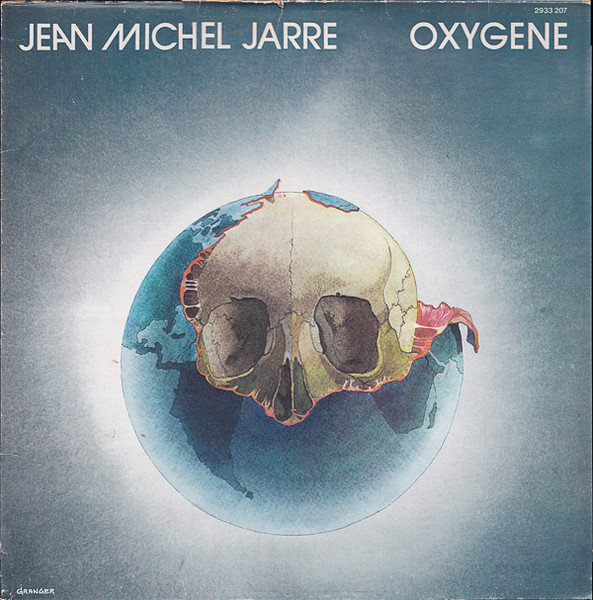
Oxygène
1976
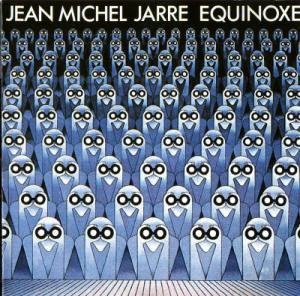
Equinoxe
1978
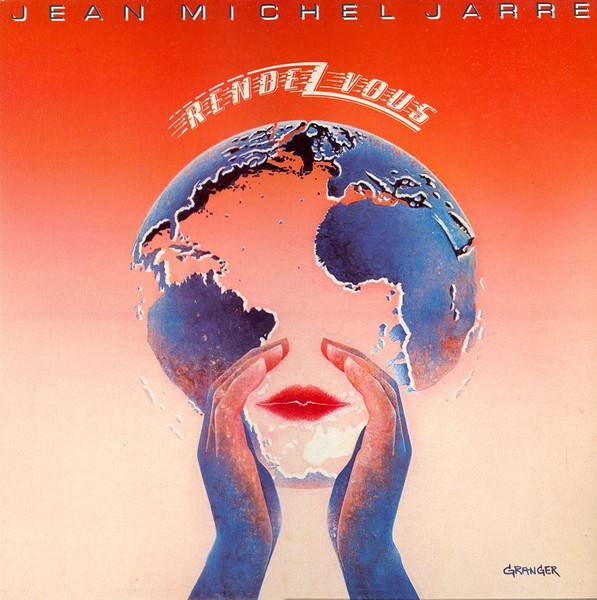
Rendez-Vous
1986

Zoolook
1984
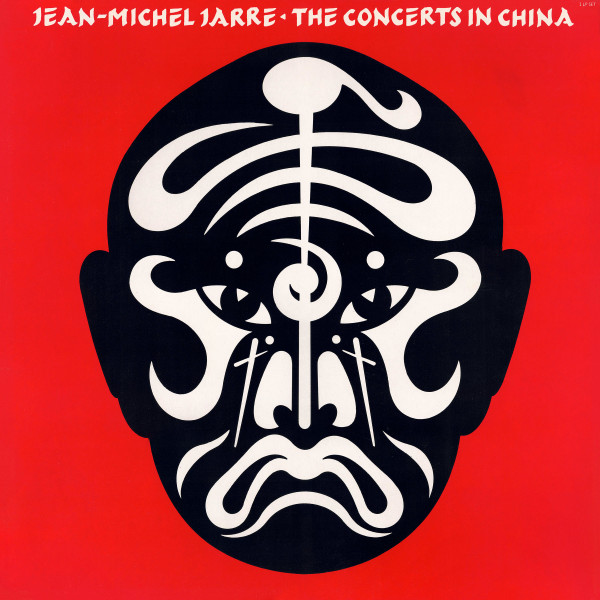
Les Concerts En Chine
1982

En Concert Houston / Lyon
1987
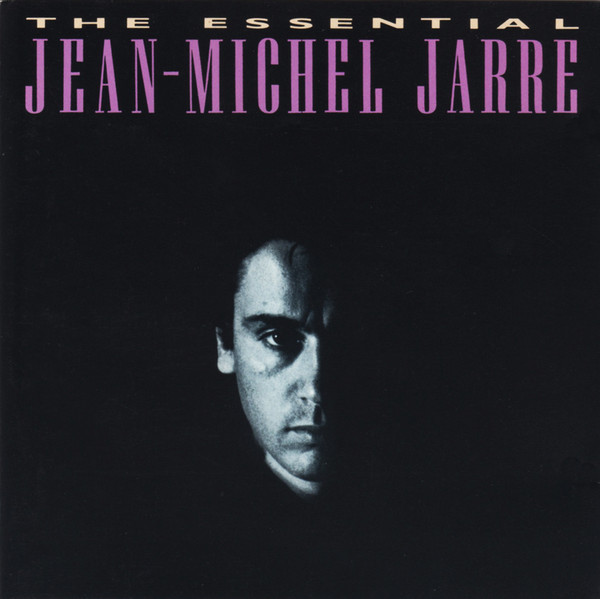
The Essential Jean Michel Jarre
1983
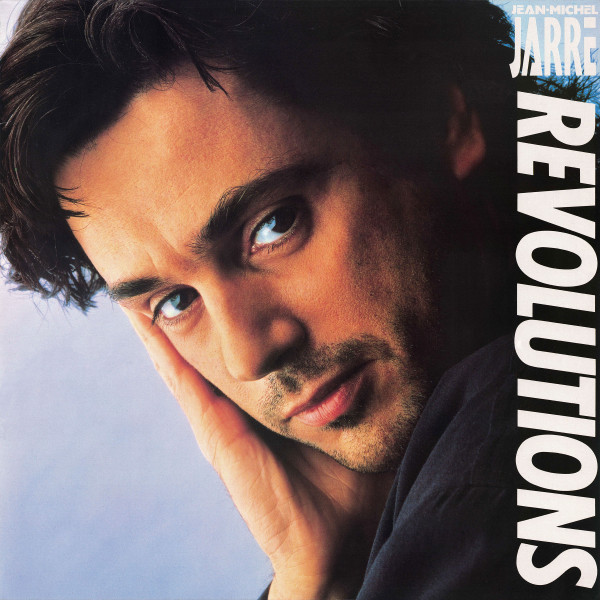
Révolutions
1988

Musik Aus Zeit Und Raum
1983
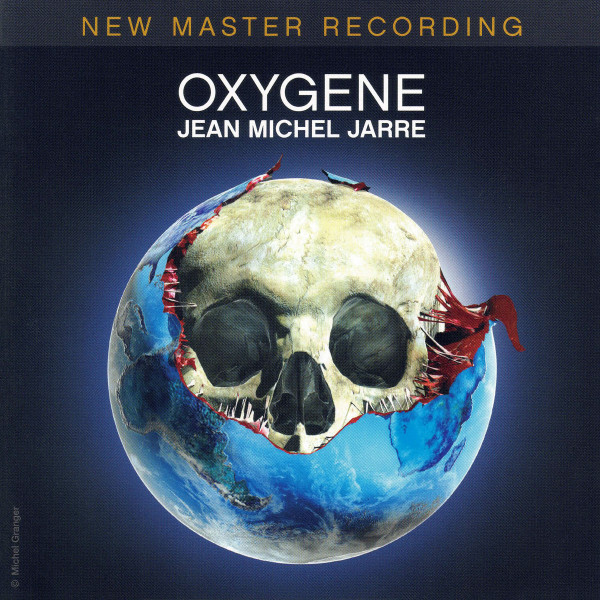
Oxygene (New Master Recording)
2007
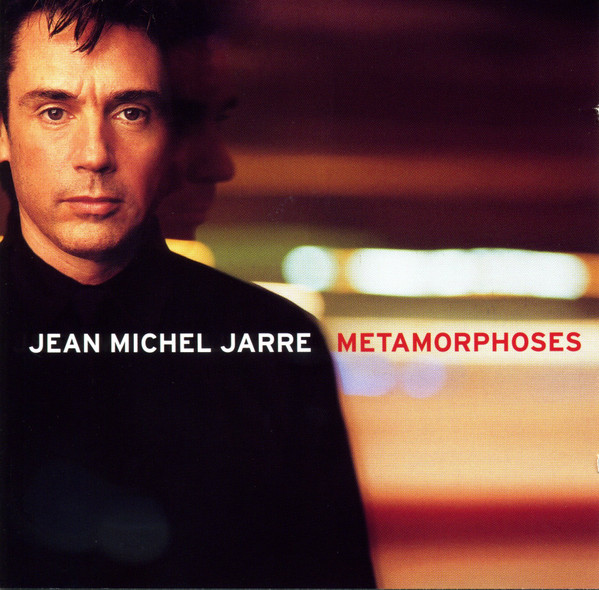
Metamorphoses
2000
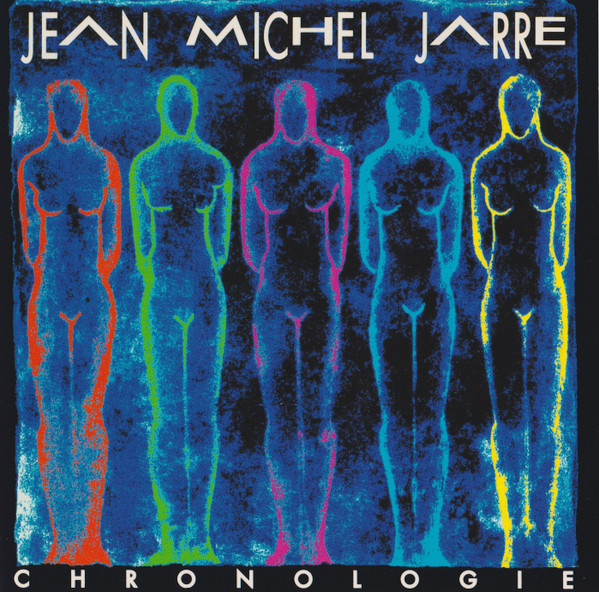
Chronologie
1993
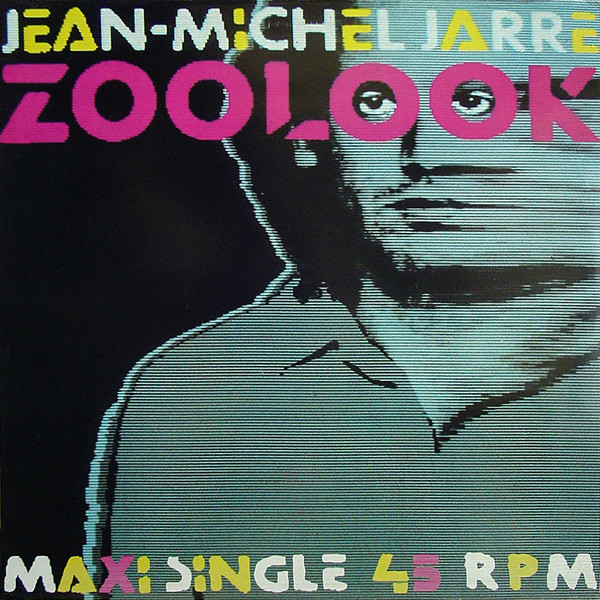
Zoolook
1984
Aero
2004
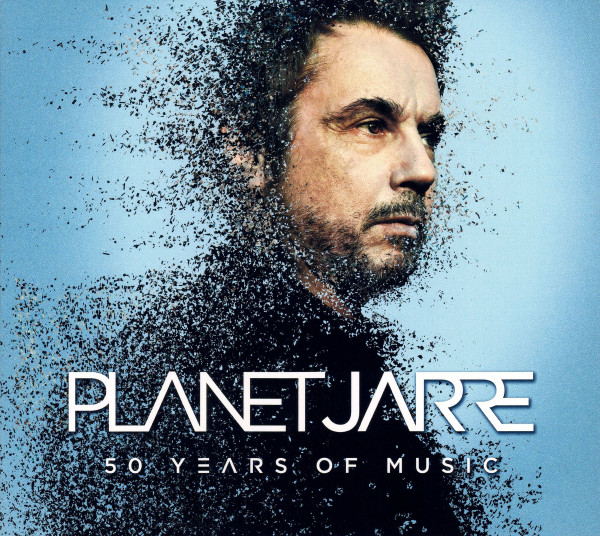
Planet Jarre (50 Years Of Music)
2018

Equinoxe Infinity
2018
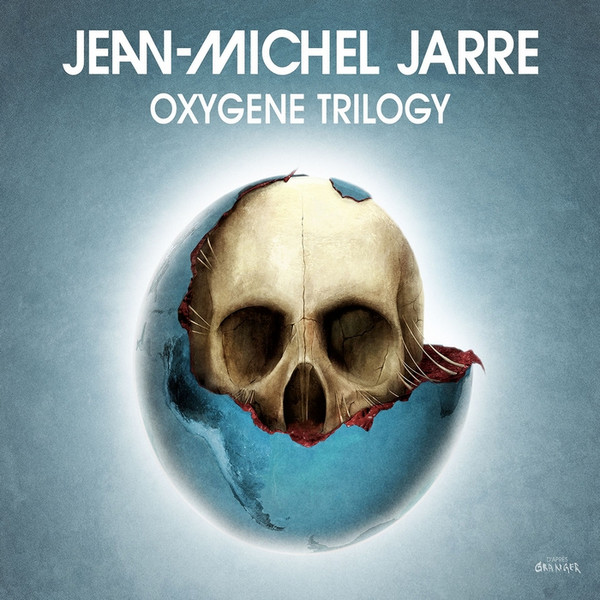
Oxygene Trilogy
2016
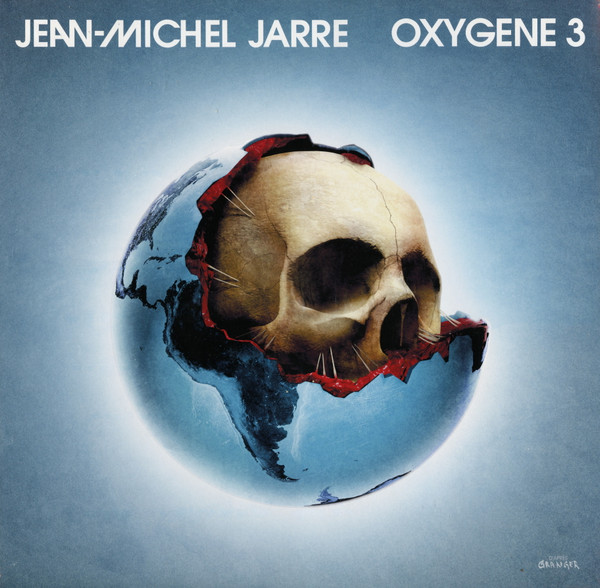
Oxygene 3
2016
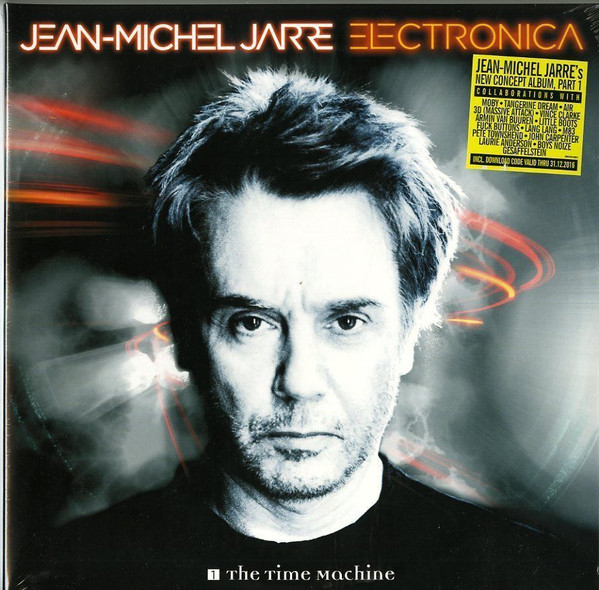
Electronica 1 - The Time Machine
2015
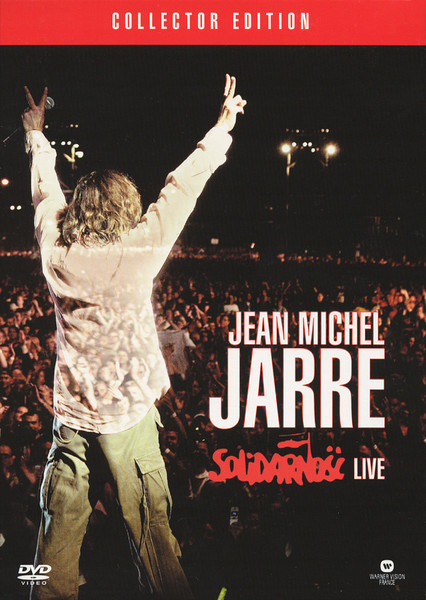
Solidarność Live
2005
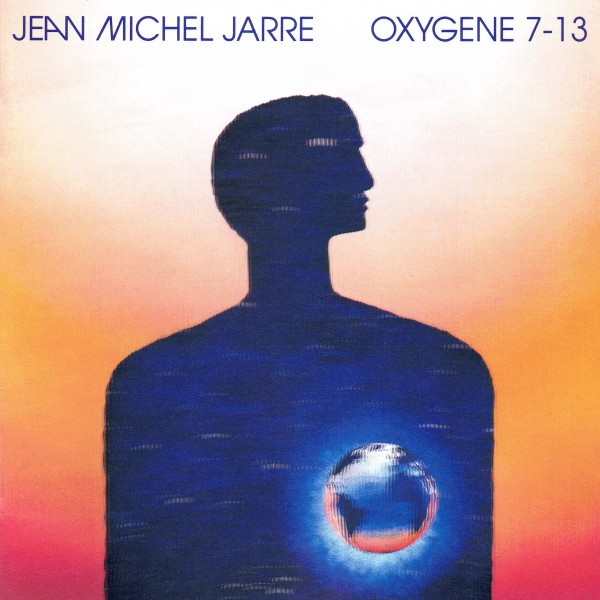
Oxygene 7-13
1997

Zoolookologie (Remix)
1985
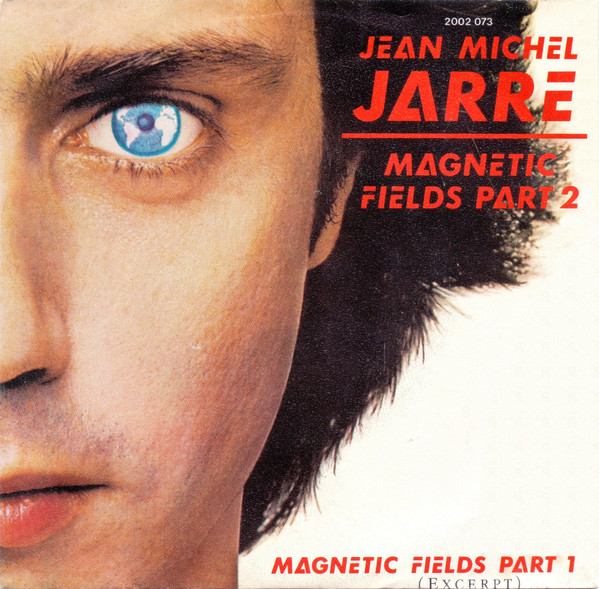
Les Chants Magnetiques
1981
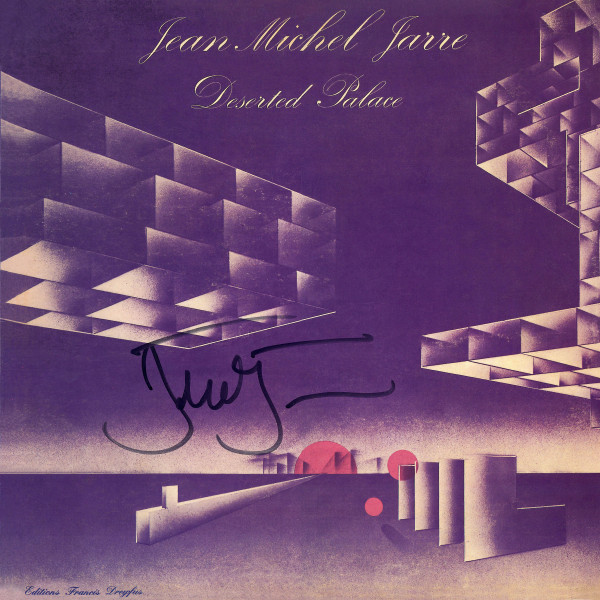
Deserted Palace
1973
Around the web
Follow every record they touch.
Start your shelf and Gatefold tracks Jean‐Michel Jarre's new pressings, tour dates, and the whole discography — automatically.
Start your shelf →Free forever. Works with 10 records or 10,000.