
Artist
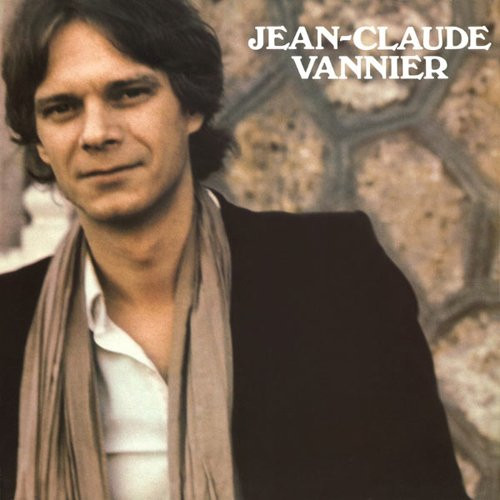
Jean-Claude Vannier
Courbevoie, France · b. 1943
Jean-Claude Vannier is a musician from Courbevoie, France, active since 1943. Their discography on Gatefold includes 8 records.

8
Albums tracked
11
In collections
1943
Since
Biography
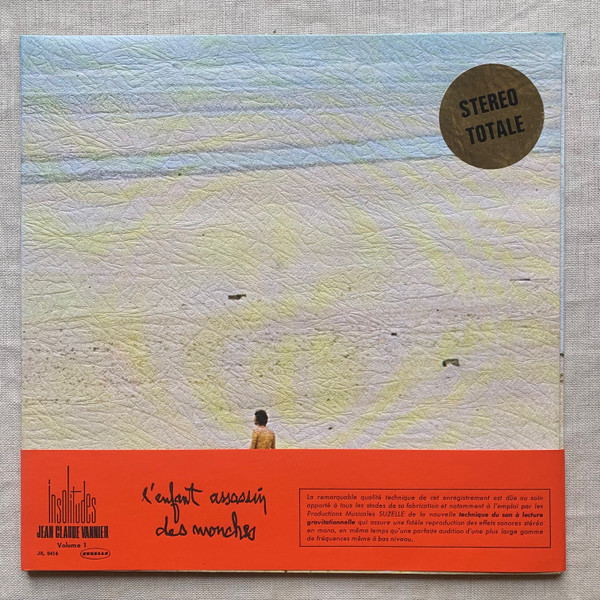
Vannier wasn't some refined conservatory ghost. He was the guy Serge Gainsbourg brought in because he could write strings that sounded like they were bleeding or fucking, often at the same time. The sessions for Histoire de Melody Nelson were a goddamn nightmare of precision—Vannier arranged the whole thing as a dark, forty-minute suite of heavy bass and jagged orchestration while Serge just whispered over the top. Without Vannier’s sense of space and those sudden, violent stabs of cello, that record is just another sleazy pop singer over-medicating in the studio. His solo work is even weirder and more confrontational. L'Enfant assassin des mouches is basically the sound of a man being given a blank check and a full orchestra just to see how fast he could drive the whole thing off a cliff. It’s got these grotesque choral arrangements and avant-garde percussion that shouldn't work with pop melodies, but they do because Vannier understood the tension between beauty and the ugly truth of a dirty rhythm section. He spent decades as the secret weapon of French pop, fixing other people's songs while saving the real filth for his own name.
Bio from The Clerk
The Arc of Jean-Claude Vannier
The pivots — what forced Jean-Claude Vannier to reinvent.
The Serge Synergy
When Serge Gainsbourg needed to pivot from the Eurovision pop of the sixties into something more cinematic and dangerous, he handed the keys to Vannier. This period was defined by the 1971 Melody Nelson sessions, where Vannier stripped the arrangements down to a menacing core of electric bass and drums before layering on massive, weeping string sections. You hear it in the way the orchestra doesn't just back the band but actively fights it for room on the tape. It turned Gainsbourg from a provocateur into a visionary, though Vannier didn't even get his name on the cover.
The Avant-Garde Outburst
After the success of his collaborations, Vannier went rogue in 1972 with L'Enfant assassin des mouches, a record so bizarre it initially sat on a shelf because nobody knew how to market it. Working with the same session killers from the Gainsbourg years, he pushed the orchestration into uncomfortable, dissonant territories that sounded more like a horror score than a rock record. The result was a cult masterpiece of 'pop-art' that ignored traditional song structures in favor of bizarre sound effects and choral chants. It’s the sound of a guy finally getting to be the conductor of his own madness.
The Rediscovery and Patton
Vannier spent years drifting through theater and film work until the crate-digging culture of the nineties and early 2000s dragged him back into the spotlight. This culminated in 2019 when Mike Patton brought him into the studio to collaborate on Corpse Flower, bridging the gap between old-school French cinema and modern weirdness. The record isn't a nostalgia trip; it’s a heavy, weirdly modern extension of the cinematic tension Vannier perfected forty years prior. It proved that his specific brand of orchestral grit didn't have an expiration date.
Influences
- Béla Bartók — Vannier has cited Bartók’s jagged, modernist string arrangements as the primary blueprint for his own orchestration style. You hear that Eastern European tension in the aggressive, non-linear string stabs on Melody Nelson. It’s classical music played with the intensity of a street fight.
- Igor Stravinsky — Vannier was obsessed with the rhythmic complexity and 'The Rite of Spring' levels of dissonance. He took Stravinsky's idea of using the orchestra as a percussion instrument and applied it to 1970s studio sessions. The chaotic, layered textures on his 1972 solo debut are a direct lineage of this avant-classical mindset.
- Léo Ferré — As a mentor and frequent collaborator, Ferré showed Vannier how to bridge the gap between anarchist poetry and symphonic scale. Vannier arranged several records for him, learning how to let a vocal breathe amidst a dense, orchestral storm. It’s where he learned that the silence between the notes is just as heavy as the strings.
- Michel Magne — Magne was the king of French film scores in the sixties and the man behind the legendary Château d'Hérouville studio. Vannier followed his lead in treating the recording studio as a laboratory for sound rather than just a place to capture a performance. The cinematic sweep of Vannier’s work is a direct evolution of Magne’s grandiose style.
- George Gershwin — Vannier frequently referenced Gershwin for the way he melded high-brow composition with the energy of the street. You hear it in Vannier’s ability to take a sleazy funk beat and elevate it with a sophisticated, jazzy horn arrangement. He saw Gershwin as the ultimate proof that pop and the orchestra weren't enemies.
Discography
Their records — most-collected first.




Related artists
Around the web
Follow every record they touch.
Start your shelf and Gatefold tracks Jean-Claude Vannier's new pressings, tour dates, and the whole discography — automatically.
Start your shelf →Free forever. Works with 10 records or 10,000.