
Artist
Jay Ferguson
Burbank, United States · b. 1947
Jay Ferguson is a musician from Burbank, United States, active since 1947. Their discography on Gatefold includes 9 records. They also recorded with Spirit and Jo Jo Gunne.

23
Albums tracked
100
In collections
1947
Since
Biography
Lou Adler sat in the producer's chair for Spirit’s self-titled '68 debut, pushing Jay Ferguson to anchor those sprawling, psychedelic jazz-rock jams with some actual pop hooks. Ferguson was the guy writing 'I Got a Line on You' on a cheap piano while Randy California’s fuzz-drenched guitar threatened to derail the whole arrangement. He was the straight-ahead melodic engine in a band full of guys who wanted to play free jazz in the dark. When Spirit split, Ferguson didn't waste time crying. He grabbed bassist Mark Andes, started Jo Jo Gunne, and cranked up the Marshall amps for 'Run Run Run' in '72. It was boogie-rock at its sleaziest and most efficient, totally stripped of the cosmic pretension. But his solo run is where the real weirdness lives, especially when Bill Szymczyk stepped in to produce Thunder Island in '77. Szymczyk brought the same slick, heavy drum sound he used on the Eagles' Hotel California and applied it to Ferguson’s keyboard pop, resulting in a title track that smells permanently of coconut oil, cheap rum, and studio-grade cocaine. Then the bottom fell out of the solo career, and Ferguson had to pivot or starve. He didn't look back. He grabbed a pile of digital synths and started scoring cheap horror sequels and TV action shows. The guy who used to open for Hendrix ended up writing the theme song for the American version of The Office on a MIDI controller in his home studio. It's a hilarious, bizarre trajectory, but the royalty checks don't lie.
Bio from The Clerk
The Arc of Jay Ferguson
The pivots — what forced Jay Ferguson to reinvent.
The Psychedelic Jazz-Pop Push
Inside Pacific High Recording in late 1967, Spirit’s internal tension was already boiling. Randy California wanted to chase Hendrix into the stratosphere, while Ed Cassidy brought a hard-boiled jazz swing from his days with Art Pepper. Ferguson held the center by writing tight, melodic pop songs that kept the band's avant-garde leanings tethered to the Earth. You hear this struggle on 'Fresh Garbage,' where Ferguson’s driving piano and vocal hook somehow survive a chaotic, free-form jazz breakdown in the middle.
The Hard Boogie Pivot
By 1971, Spirit was too fractured to survive, so Ferguson and Mark Andes jumped ship to form Jo Jo Gunne. They signed with Asylum Records, ditched the brass sections and theremins, and focused entirely on barroom boogie-rock. The self-titled 1972 debut is all slide guitars, pounding piano, and straight-ahead 4/4 beats. It was a complete rejection of LA art-rock pretension, designed to be played loud in hockey arenas.
The Yacht Rock Summer
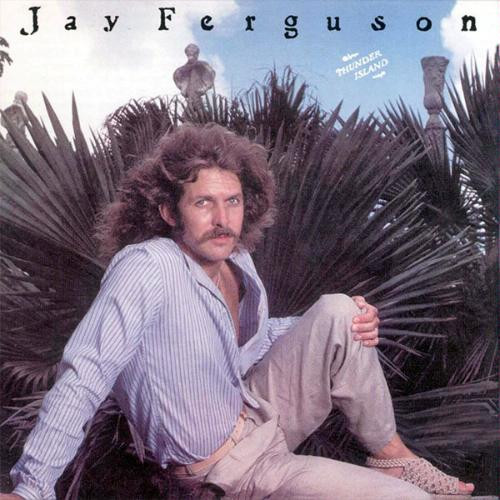
Going solo in 1976 meant competing with the massive, polished sounds dominating FM radio. Ferguson teamed up with producer Bill Szymczyk at Criteria Studios in Miami to cut Thunder Island. Szymczyk brought Joe Walsh in to play that slide guitar solo on the title track, blending West Coast harmony with a slick, driving rhythm section. This was the peak of Ferguson's pop stardom, a record engineered specifically to sound perfect through the dashboard speakers of a 1978 Trans Am.
The Synth and Screen Transition
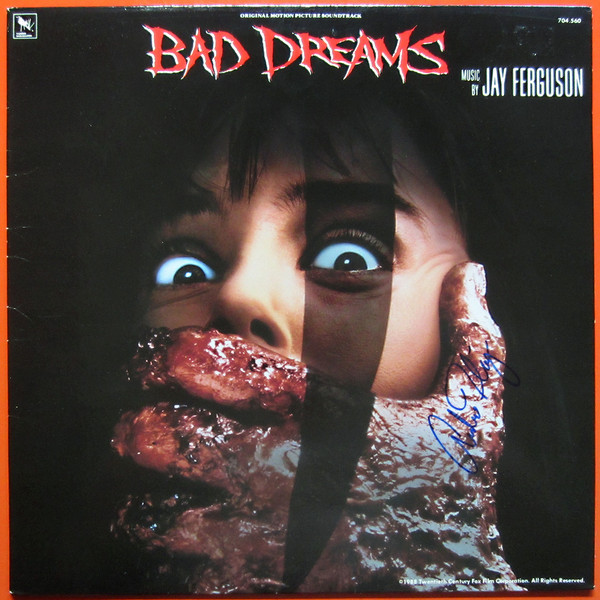
When 1982's White Noise failed to make a dent, Ferguson abandoned the touring grind for the steady paycheck of film and TV scoring. Armed with early digital samplers and sequencers, he scored A Nightmare on Elm Street 5: The Dream Child in 1989. The organic piano was replaced by cold, atmospheric synthesizer pads and programmed drums. It was a complete reinvention that kept him employed for the next three decades, culminating in his famous, jangly instrumental theme for NBC's The Office.
Influences
- The Beatles — Spirit covered 'Yesterday' during their early live sets, and Ferguson frequently cited their mid-career songwriting as his blueprint for pop structure. You can hear their melodic vocal arrangements all over Ferguson's writing on Spirit’s 'Mechanical World.' It is the classic British Invasion pop sensibility dropped into a dark, psychedelic soup.
- John Coltrane — Spirit drummer Ed Cassidy had played with jazz giants, and he introduced Ferguson to Coltrane's modal jazz sheets of sound. This influence is obvious on the instrumental jams of Spirit's early albums, where Ferguson's keyboard comping mimics McCoy Tyner’s heavy, block-chord style. It kept his pop sensibilities from getting too lightweight.
- Chuck Berry — When Ferguson abandoned psychedelia for Jo Jo Gunne, he went straight back to the foundational rock-and-roll guitar figures of Chuck Berry. The driving, double-stop guitar intro of 'Run Run Run' is a direct lift of Berry's signature style. It was the quickest way to strip the jazz-rock fat off his songwriting.
- The Beach Boys — Growing up in Southern California, Ferguson was deeply immersed in Brian Wilson's early 1960s vocal production techniques. On solo tracks like 'Thunder Island,' the layered, sun-drenched backing harmonies are a direct nod to Wilson's classic surf-pop arrangements. It is the sound of LA beach culture translated through late-70s studio technology.
- Jimi Hendrix — Spirit shared a house with Jimi Hendrix in 1967, and Randy California had actually played in Hendrix's early band, Jimmy James and the Blue Flames. Hearing Hendrix's heavy, blues-based improvisation live pushed Ferguson to write heavier, more guitar-centric riffs to compete with that volume. You can hear that aggressive, feedback-friendly edge creeping into the harder tracks on Spirit's The Family That Plays Together.
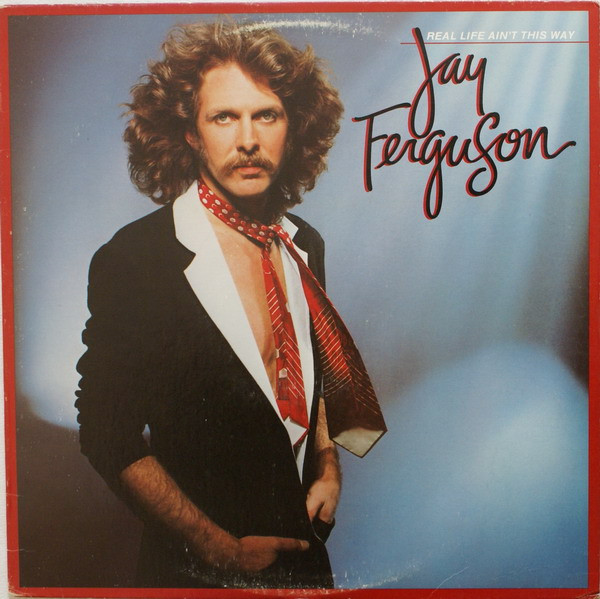
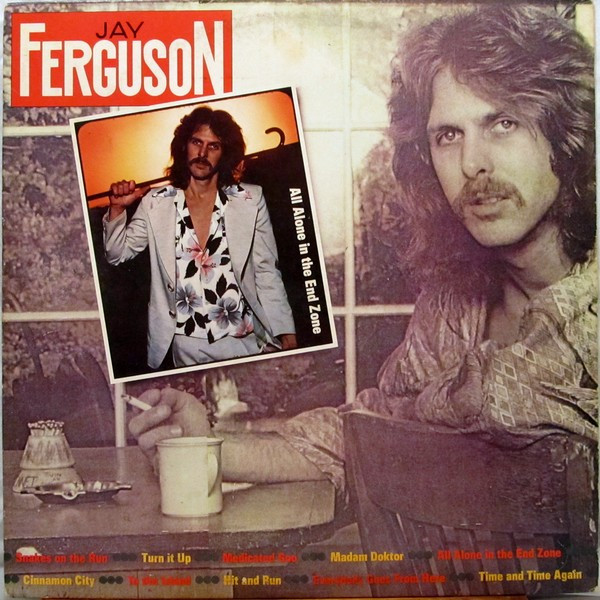
Jay Ferguson — solo
Their records — most-collected first.





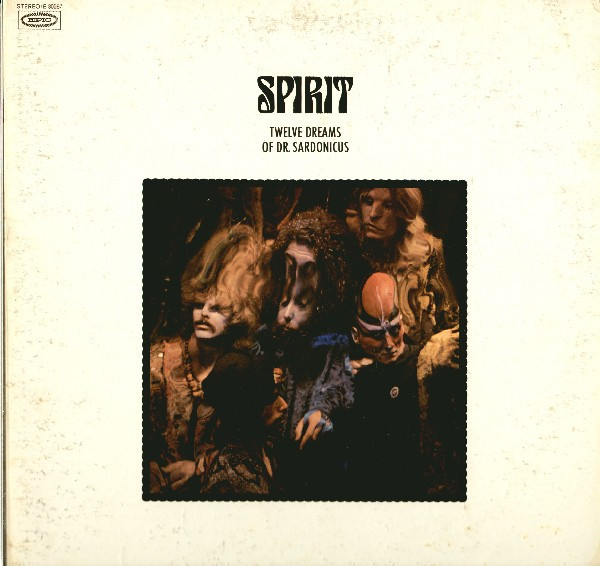
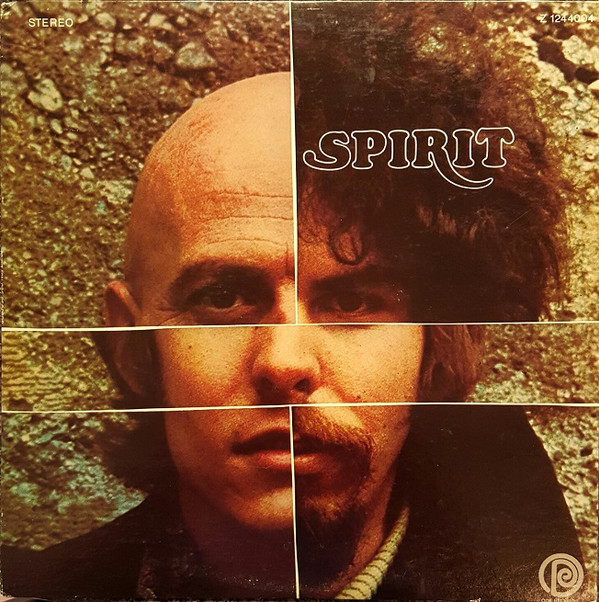
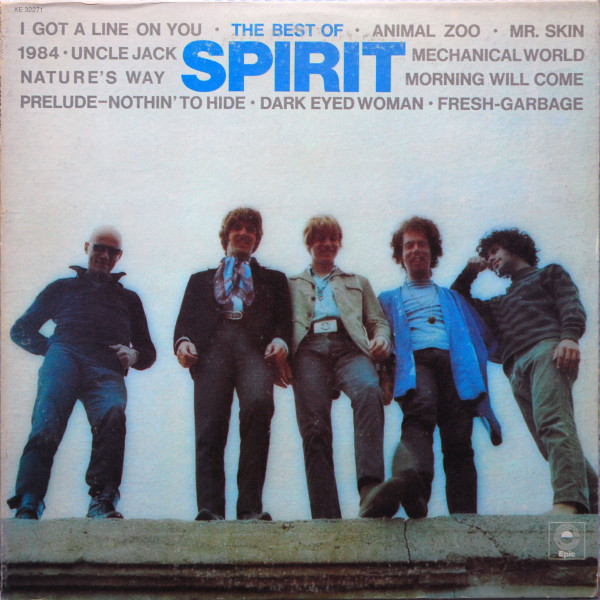
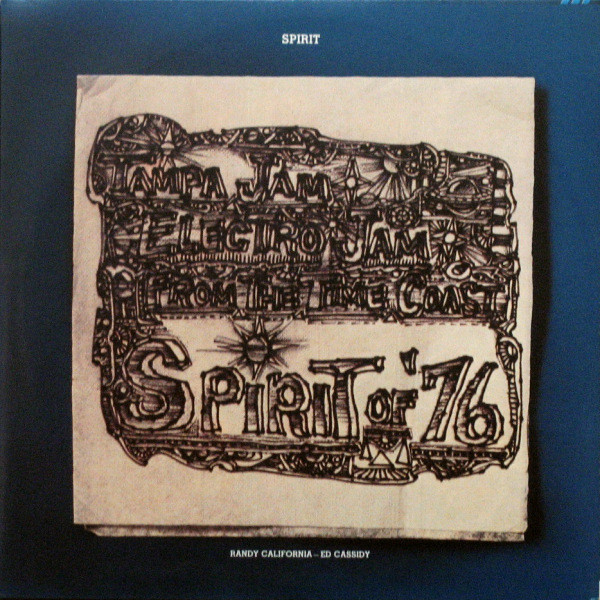
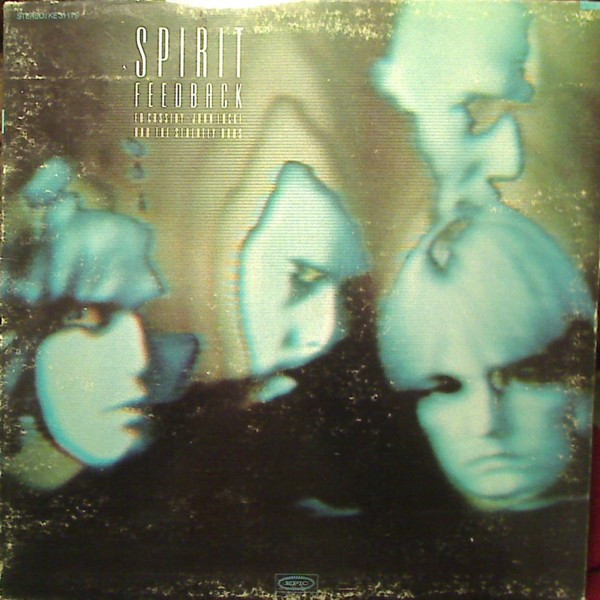
Spirit
A project Jay Ferguson was part of.



Jo Jo Gunne
A project Jay Ferguson was part of.


Related artists
Frequent collaborators
Around the web
Follow every record they touch.
Start your shelf and Gatefold tracks Jay Ferguson's new pressings, tour dates, and the whole discography — automatically.
Start your shelf →Free forever. Works with 10 records or 10,000.