
Artist
Prince
“The Artist Formerly Known as…”
Minneapolis, United States • 1958 – 2016
Prince is a musician from Minneapolis, United States, active 1958–2016. Their discography on Gatefold includes 24 records.

24
Albums tracked
940
In collections
1958
Since
Biography
Prince Rogers Nelson (June 7, 1958 – April 21, 2016), more commonly known mononymously as Prince, was an American singer-songwriter, musician, and record producer. The recipient of numerous awards and nominations, he is widely regarded as one of the greatest musicians of his generation. He was known for his flamboyant, androgynous persona; his wide vocal range, which included a far-reaching falsetto and high-pitched screams; and his skill as a multi-instrumentalist, often preferring to play all or most of the instruments on his recordings.
The Arc of Prince
The pivots — what forced Prince to reinvent.
The Uptown Lockdown
By 1980, Prince stripped the disco polish off his sound and leaned into the cold, mechanical snap of the Minneapolis scene he was building from scratch. He moved into a house in Minnetonka, installed a home studio, and tracked 'Dirty Mind' almost entirely solo. It was a rejection of the high-gloss production of the era, favoring thin, biting guitar tones and skeletal synth lines that sounded like they were recorded in a garage. This was the moment the ‘Prince’ sound actually solidified—sexually blunt, sonically sparse, and dangerously tight.
The Revolution Era
The solo wunderkind act hit a wall until he leaned on Wendy Melvoin and Lisa Coleman to help flesh out the psychedelic sprawl of the mid-80s. 'Purple Rain' and 'Around the World in a Day' aren't just solo triumphs; they are the sound of a full band pushing him into more complex, baroque pop territory. You can hear the shift in the room on 'Mountains,' where the arrangements breathe with a live energy that his programmed solo tracks lacked. This era ended the second he felt he was becoming a brand, leading him to fire the band and retreat back into his own head for 'Sign o' the Times'.
The Symbol and the Spite
The 1990s were defined by a literal identity crisis as he scrawled 'Slave' on his face and changed his name to an unpronounceable glyph to break his contract with Warner Bros. He started dumping massive quantities of music through his NPG Records imprint just to flood the market and devalue his back catalog. The production became slicker, more reliant on contemporary hip-hop tropes and New Jack Swing, often burying his best songwriting under dated drum sounds. It was a chaotic period of creative guerilla warfare that resulted in messy, overstuffed records like 'Emancipation' and 'The Gold Experience'.
Influences
- Sly Stone — Prince frequently cited Sly as the blueprint for the multi-instrumentalist bandleader who could bridge funk and rock. You hear it in the slap-bass heavy arrangements of 'Graham Central Station' and the psychedelic soul of 'Sign o' the Times.' Sly's influence is the reason Prince insisted on a racially and gender-integrated band.
- Joni Mitchell — He spent years sending her roses and obsessed over 'The Hissing of Summer Lawns,' even name-checking her in the liner notes of 'Dirty Mind.' Her non-standard guitar tunings and sophisticated harmonic shifts directly informed his acoustic ballads and jazzier detours. 'The Ballad of Dorothy Parker' is a direct sonic nod to her dreamlike songwriting style.
- James Brown — The discipline Prince demanded from the Revolution and the NPG came straight from the Hardest Working Man in Show Business. He mirrored Brown’s use of hand signals to cue the band for tight, percussive stops and starts. You hear it most clearly on live tracks like 'Sexy M.F.' where the horn hits are surgical.
- Carlos Santana — While everyone focuses on his Hendrix comparisons, Prince himself pointed to Santana as his primary guitar influence for sustain and phrasing. That soaring, melodic lead work on 'Purple Rain' or 'Computer Blue' is pure Santana-style lyricism on six strings. He grabbed that biting, overdriven tone and made it a centerpiece of his pop arrangements.
- Little Richard — The foundation of Prince's vocal performance—the high-octane screams, the falsetto, and the flamboyant stage presence—is rooted in Little Richard's 1950s template. He played the man in a middle school play and never looked back. That raw, church-bred energy is what keeps tracks like 'Let's Go Crazy' from feeling too polished.
Discography
Their records — most-collected first.
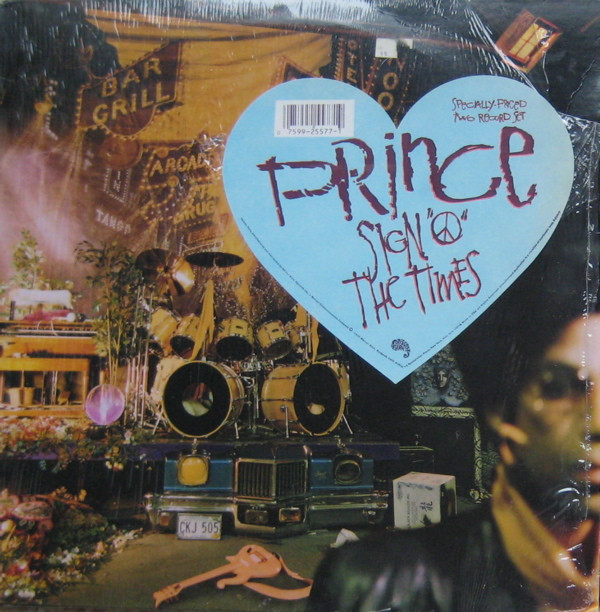
Sign "O" The Times
1987
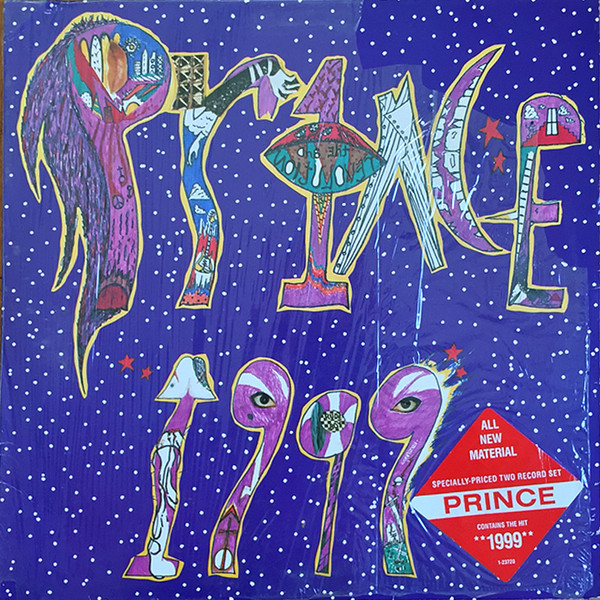
1999
1982
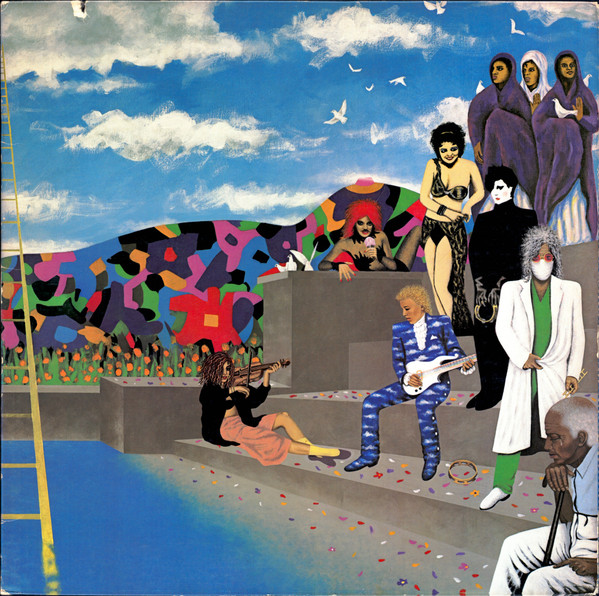
Around The World In A Day
1985

Dirty Mind
1980
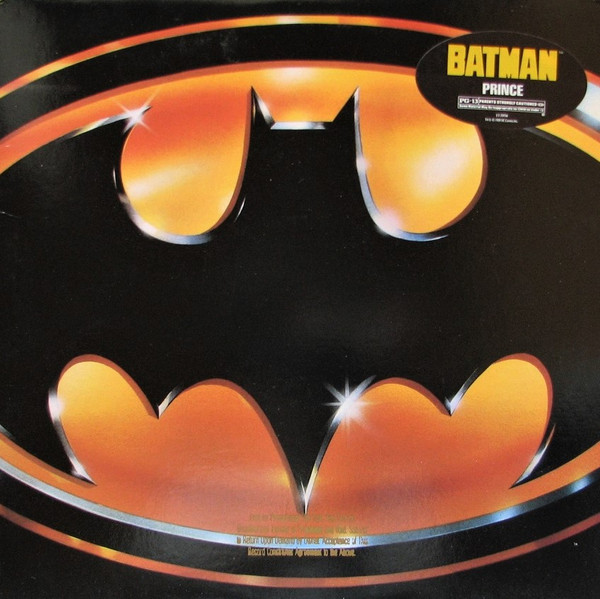
Batman™ (Motion Picture Soundtrack)
1989

Prince
1979
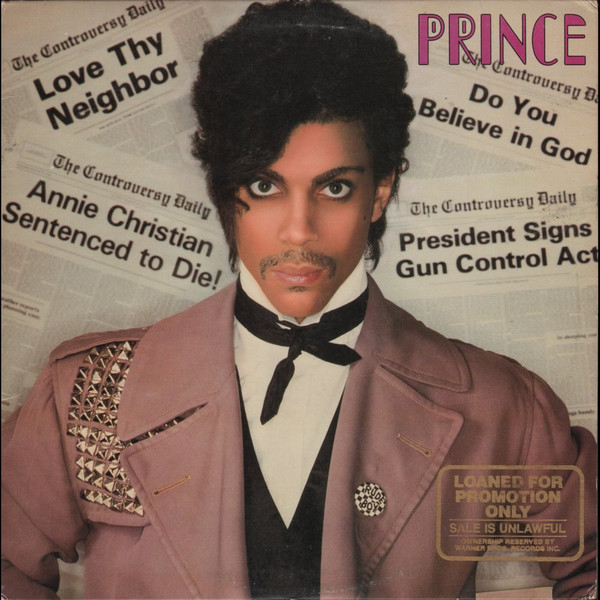
Controversy
1981
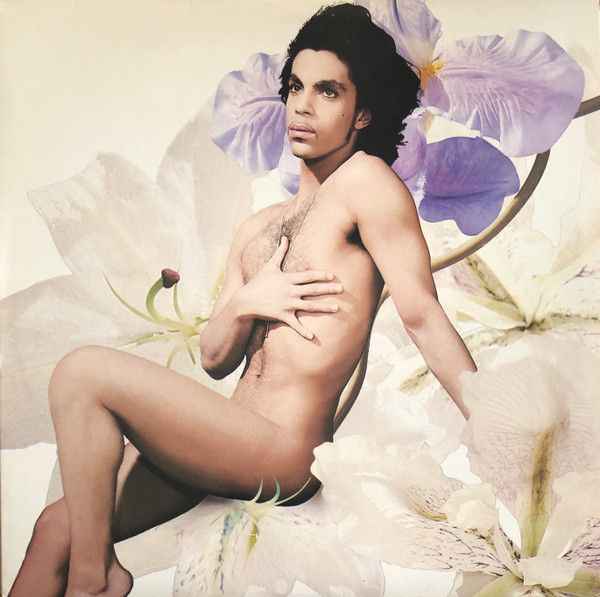
Lovesexy
1988
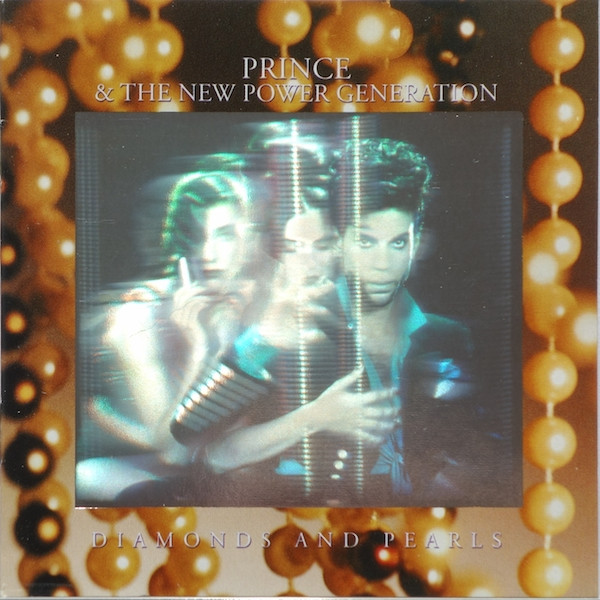
Diamonds And Pearls
1991
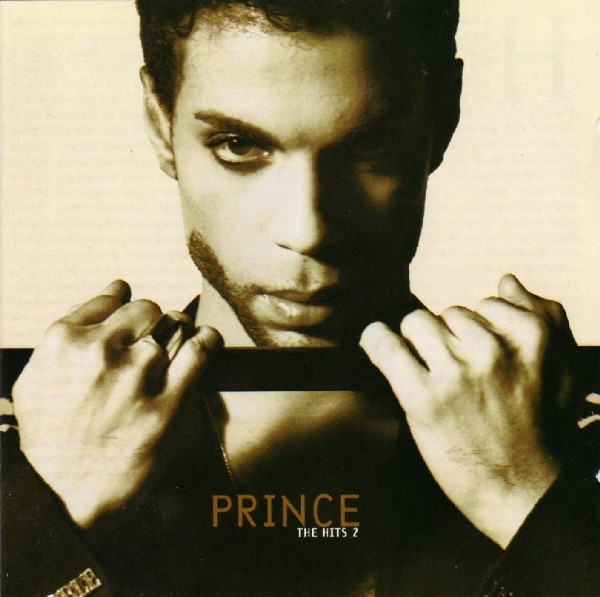
The Hits 2
1993

When Doves Cry
1984
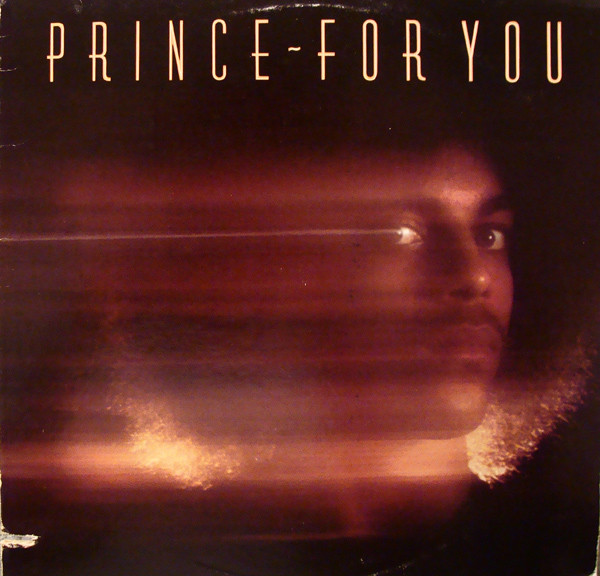
For You
1978
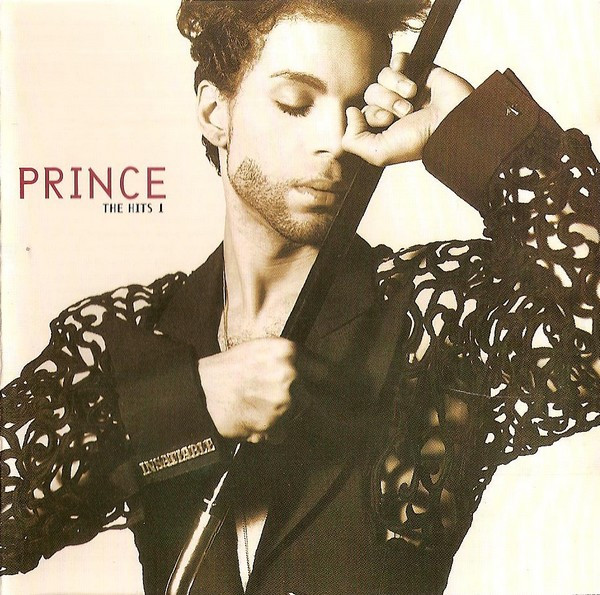
The Hits 1
1993

Originals
2019
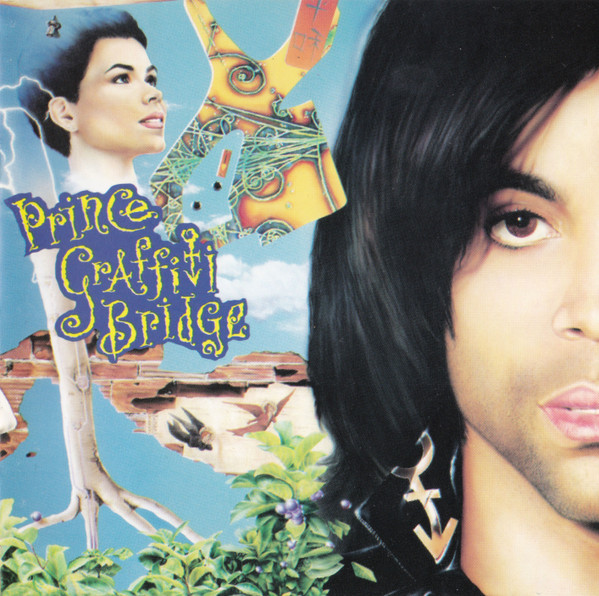
Graffiti Bridge
1990
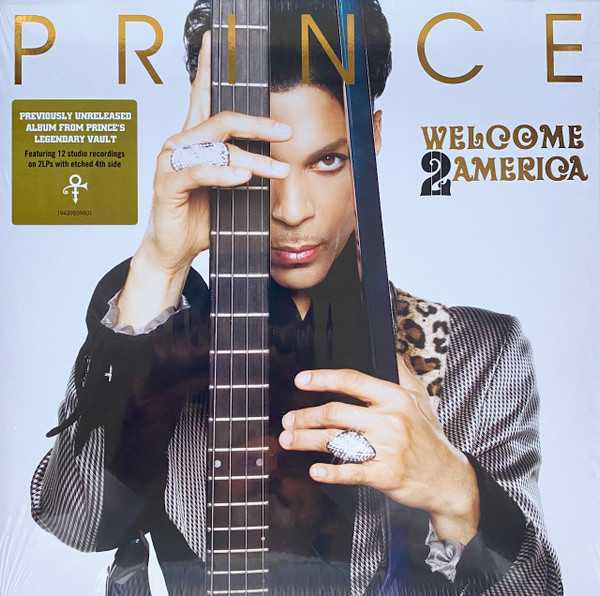
Welcome 2 America
2021
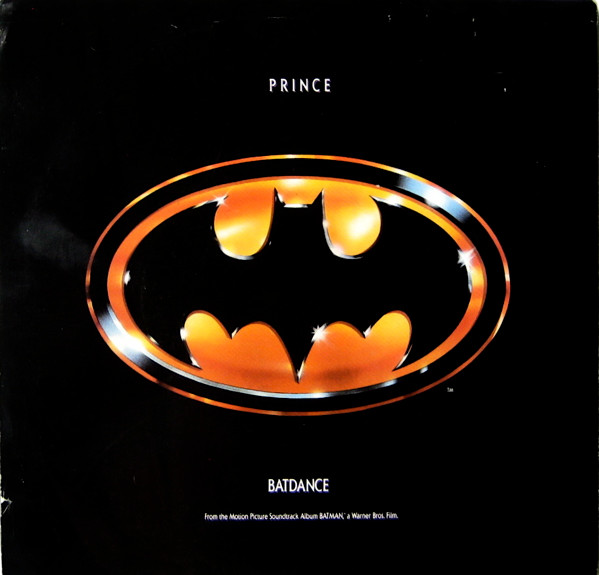
Batdance
1989
The Black Album
1987

Love Symbol
1992
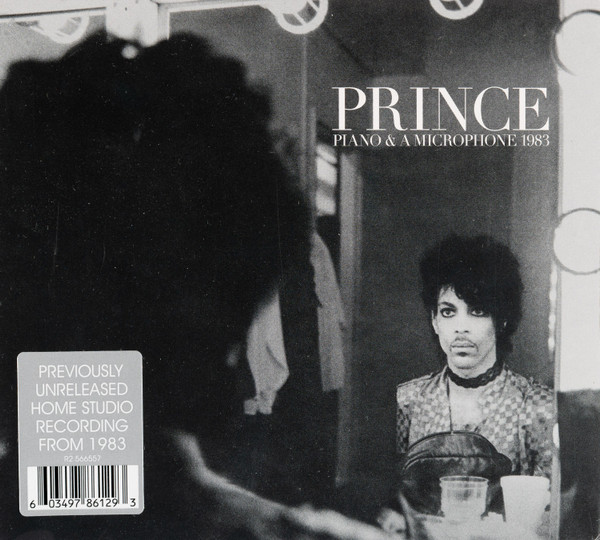
Piano & A Microphone 1983
2018
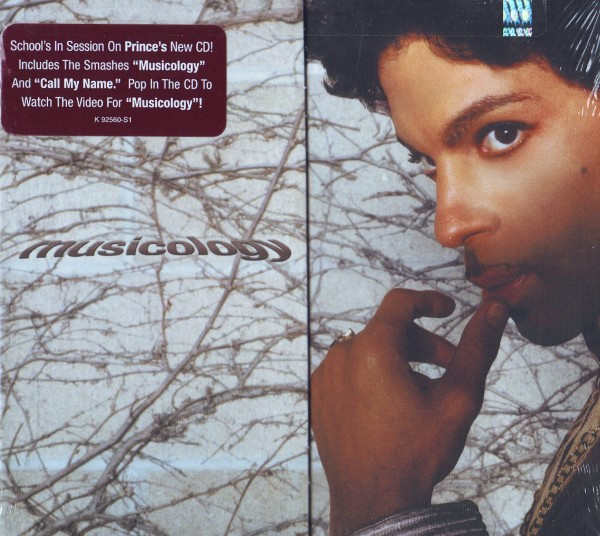
Musicology
2004
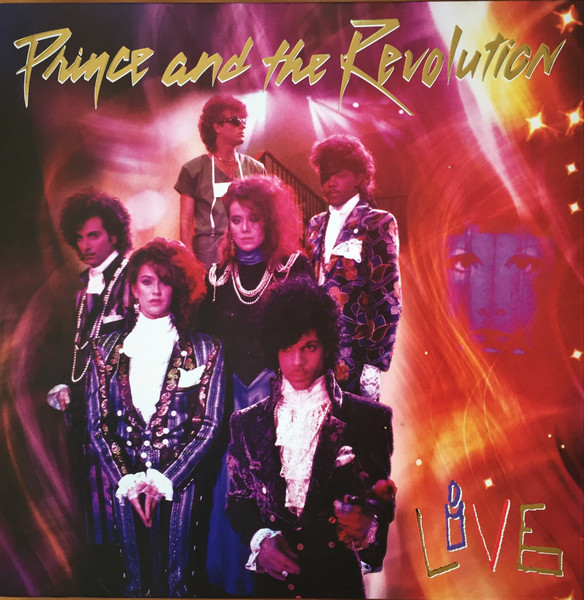
Live
1985

Partyman
1989
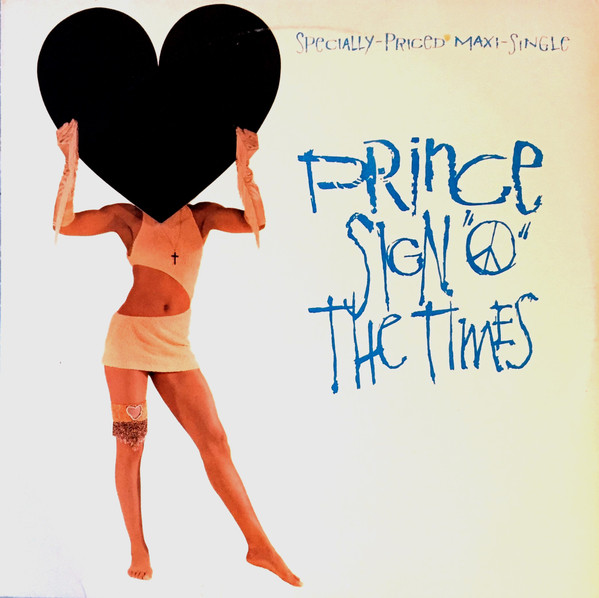
Sign "O" The Times
1987
Related artists
Around the web
Follow every record they touch.
Start your shelf and Gatefold tracks Prince's new pressings, tour dates, and the whole discography — automatically.
Start your shelf →Free forever. Works with 10 records or 10,000.