
Artist
Jackson Browne
American singer-songwriter
Heidelberg, Germany · b. 1948
Jackson Browne is a musician from Heidelberg, Germany, active since 1948. Their discography on Gatefold includes 24 records. They also recorded with Nitty Gritty Dirt Band.

39
Albums tracked
476
In collections
1948
Since
Biography
Jackson Browne got his start writing songs for the Velvet Underground's muse Nico in a basement in Greenwich Village, but he ended up as the absolute architect of the Southern California singer-songwriter boom. Before Asylum Records founder David Geffen essentially built a label around him, Browne was selling his tunes to the Nitty Gritty Dirt Band and Tom Rush because his own voice was deemed too fragile for the radio. He proved everyone wrong by stripping away the slickness of the Laurel Canyon scene. He tracked his debut album with a stark, dry intimacy that sounded like a guy sitting on the edge of your bed singing his diary. By the mid-seventies, he was the guy holding the entire West Coast scene together. He was financing Warren Zevon's debut, cowriting 'Take It Easy' with Glenn Frey in a cheap Echo Park apartment, and putting David Lindley's lap steel guitar right at the center of his arrangements. Then the eighties hit, the synthesizers came in, and Browne traded his devastating personal narratives for political anthems that split his fanbase clean down the middle. He lost the plot for a while in a wash of digital delays and reverb, but the core of his catalog remains the gold standard for putting raw, unshielded emotion on a tape reel.
Bio from The Clerk
The Arc of Jackson Browne
The pivots — what forced Jackson Browne to reinvent.
The Laurel Canyon Blueprint
Between 1972 and 1974, Browne worked with engineer Al Schmitt to capture a completely dry, unadorned acoustic sound that defined early Asylum Records. This era peaked with 'Late for the Sky', where David Lindley's weeping slide guitar and Browne's upright piano were recorded with almost zero artificial reverb. The songs were heavy, slow-tempo post-mortems of the sixties counterculture dream. You can hear the physical room on these tracks, especially on the title song, which felt like a direct counterpoint to the overproduced pop of the era.
The Road-Tested Arena Years
For 'Running on Empty' in 1977, Browne threw out the studio entirely and recorded a live concept album on stage, in hotel rooms, and on a moving tour bus. This was a massive technical gamble engineered by Greg Ladanyi using a mobile truck to capture hotel-room rehearsals on a 24-track machine. The result was a gritty, sweat-stained document of life on the road that gave Browne his biggest commercial success. The title track's driving beat and Lindley's searing lap steel solos proved that a folk-singer could front a high-octane rock band without losing his soul.
The 80s Political Pivot
Browne completely abandoned the personal for the political on 1986's 'Lives in the Balance', reacting to US foreign policy in Central America. He brought in synthesizers, heavily gated drums, and slick production help from Waddy Wachtel. The organic acoustic warmth of his seventies records was replaced by cold digital sequencers and DX7 keyboards. While it alienated fans who wanted another heartbreak record, it showed a writer desperate to use his platform for something larger than his own ego.
Influences
- Nico — Browne was Nico's teenage guitarist in Greenwich Village and contributed three songs to her 1967 debut album 'Chelsea Girl', including 'These Days'. You can hear her deadpan, melancholic delivery directly influencing his own early, unadorned vocal style. It taught him the power of absolute restraint.
- Fred Neil — Browne spent his formative years hanging out at the Troubadour watching Neil, who wrote 'Everybody's Talkin' and mentored the young songwriter. The deep, rolling fingerpicking style and warm baritone delivery on Browne's self-titled debut are direct lifts from Neil's folk-jazz templates. It is the exact bridge between Greenwich Village folk and West Coast country-rock.
- Bob Dylan — Browne has repeatedly cited Dylan's mid-sixties trilogy as his primary lyrical awakening, specifically pointing to 'Bringing It All Back Home' as the record that made him want to write songs. You hear this influence in the dense, cinematic lyricism of 'The Pretender', where Browne crams complex internal rhymes into tight melodic structures. It's Dylan's surrealism filtered through a grounded, suburban lens.
- The Byrds — Before making his own records, Browne auditioned for the Byrds and spent years absorbing their jangle-rock adaptations of traditional folk. The Rickenbacker chime and country-inflected vocal harmonies on tracks like 'Take It Easy'—which Browne cowrote—stem directly from the template Gene Clark and Roger McGuinn created. They gave him the blueprint for putting acoustic songs on the radio.
- Rev. Gary Davis — As a young guitar player in Orange County, Browne studied the intricate ragtime blues fingerpicking of Reverend Gary Davis. You can hear this complex, syncopated thumb-and-finger style all over early album tracks like 'Looking Into You'. It gave his acoustic ballads a rhythmic drive that kept them from sounding like standard, sleepy folk music.
Jackson Browne — solo
Their records — most-collected first.
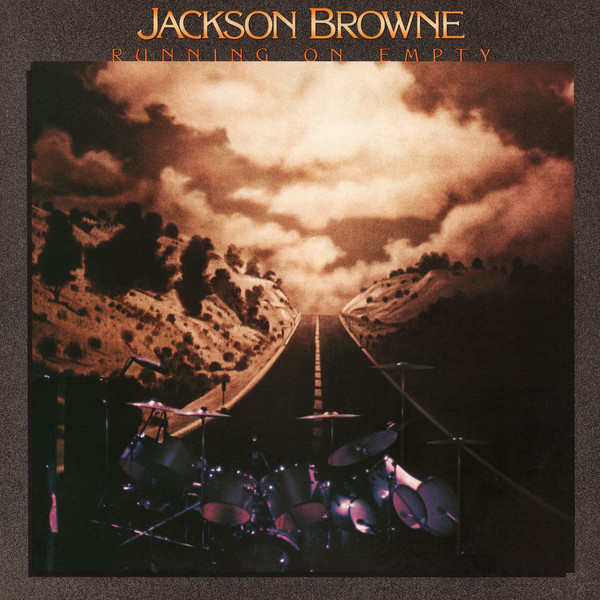
Running On Empty
1977
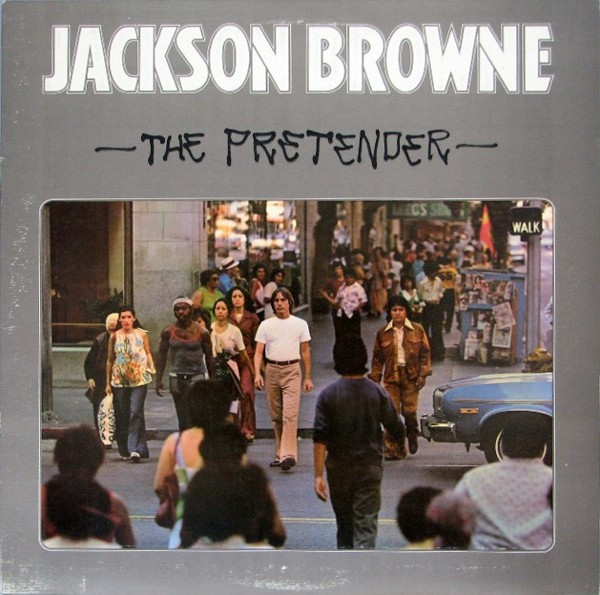
The Pretender
1976
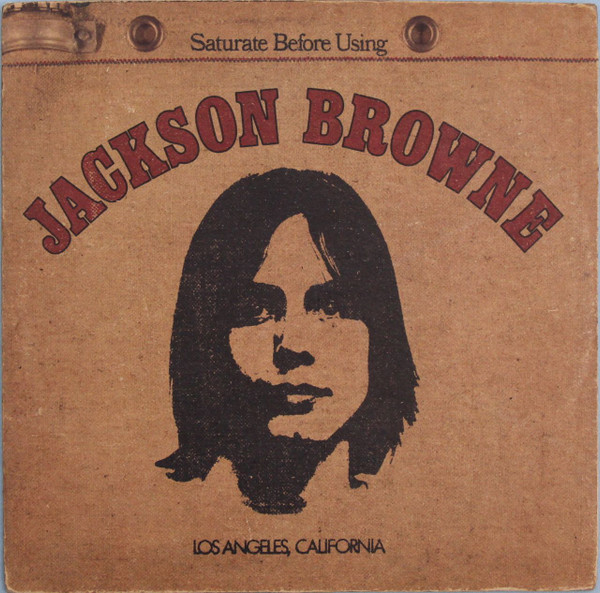
Jackson Browne
1972
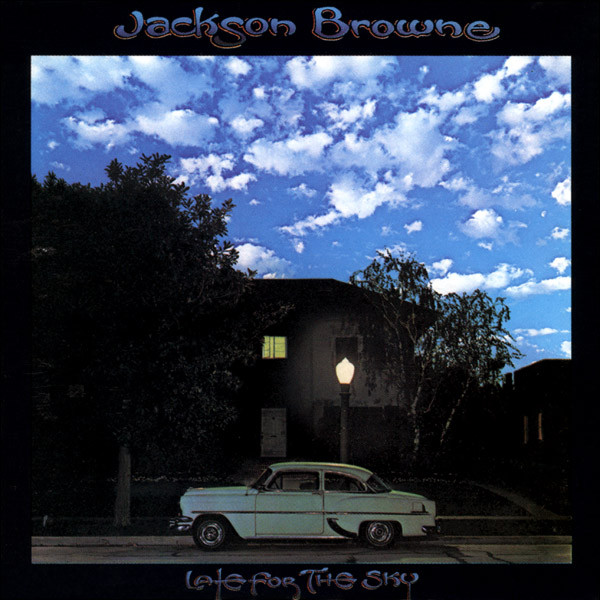
Late For The Sky
1974
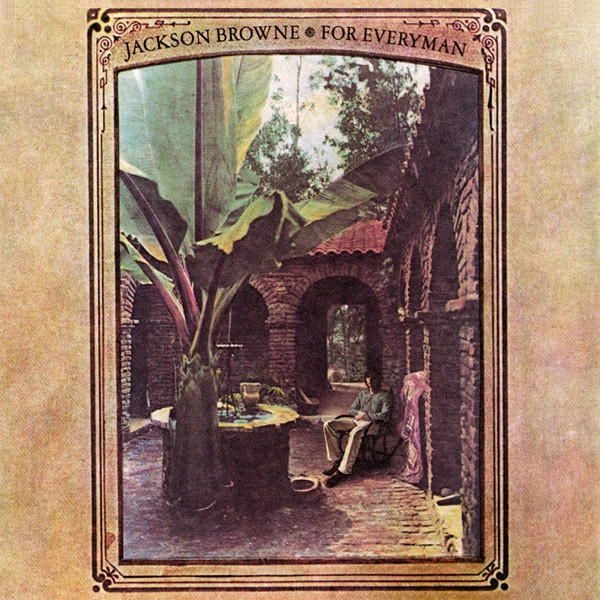
For Everyman
1973
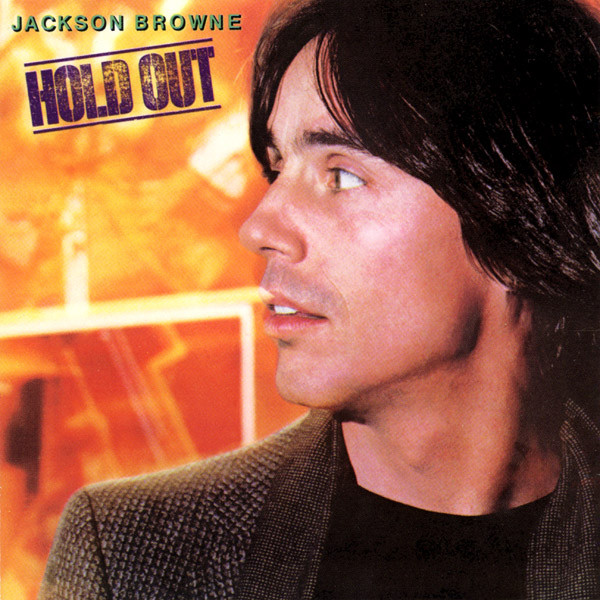
Hold Out
1980

Lawyers In Love
1983

Lives In The Balance
1986
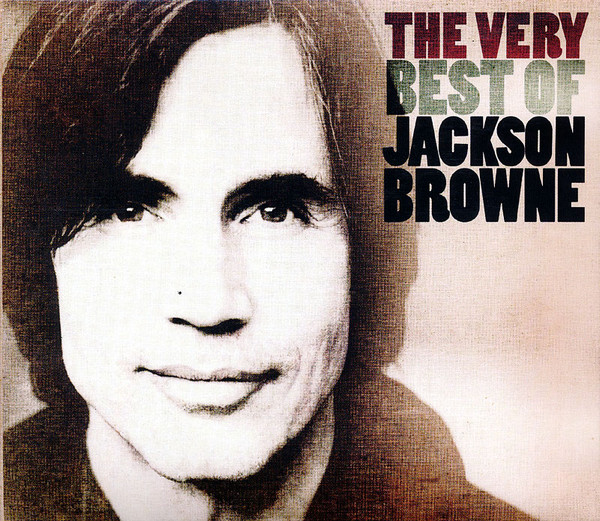
The Very Best Of Jackson Browne
2004

The Next Voice You Hear - The Best Of Jackson Browne
1997
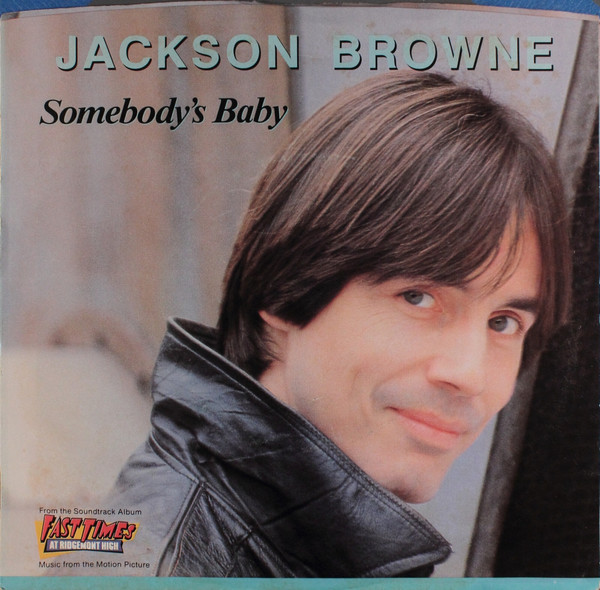
Somebody's Baby
1982

World In Motion
1989
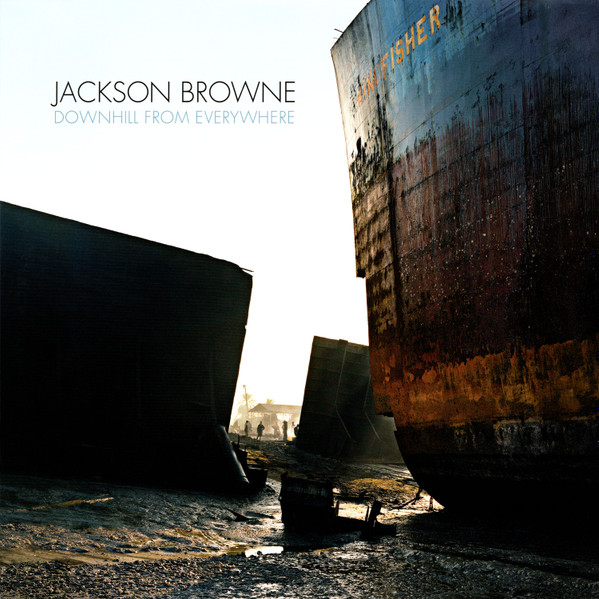
Downhill From Everywhere
2021

Time The Conqueror
2008

Solo Acoustic Vol. 2
2008

Boulevard
1980

Standing In The Breach
2014

Looking East
1996
Doctor My Eyes
1972

The Road East - Live In Japan
2017
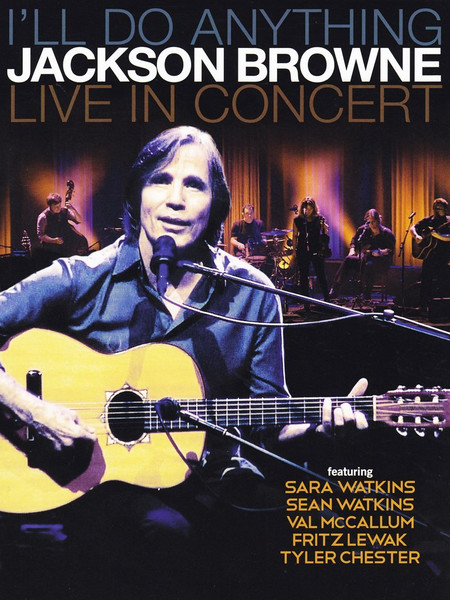
I'll Do Anything: Live In Concert
2013

Where The Shadows Fall (The Classic 1972 Broadcast)
2013
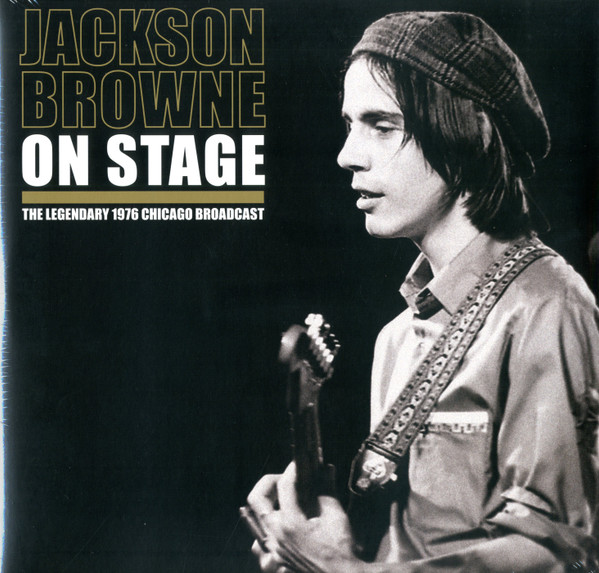
On Stage (The Legendary 1976 Chicago Broadcast)
2011

Solo Acoustic Volumes 1 & 2
2008
Nitty Gritty Dirt Band
A project Jackson Browne was part of. Former member.
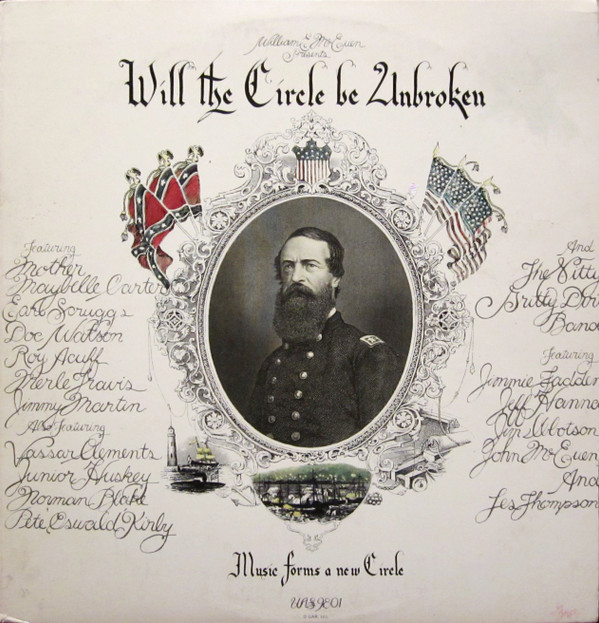
Will The Circle Be Unbroken
1972
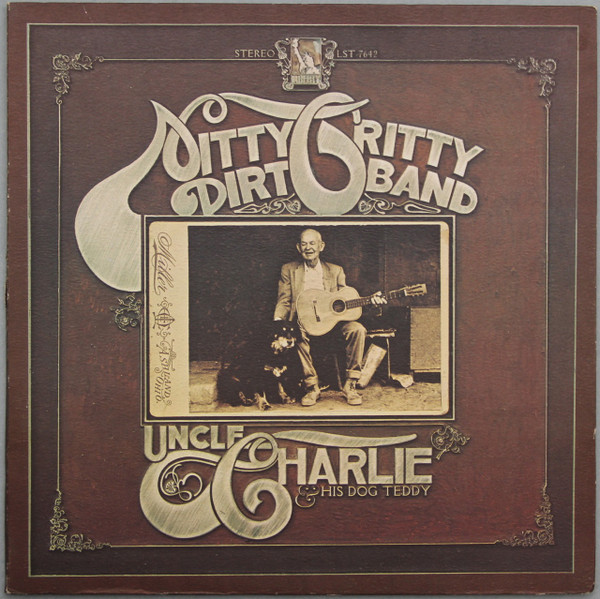
Uncle Charlie & His Dog Teddy
1970
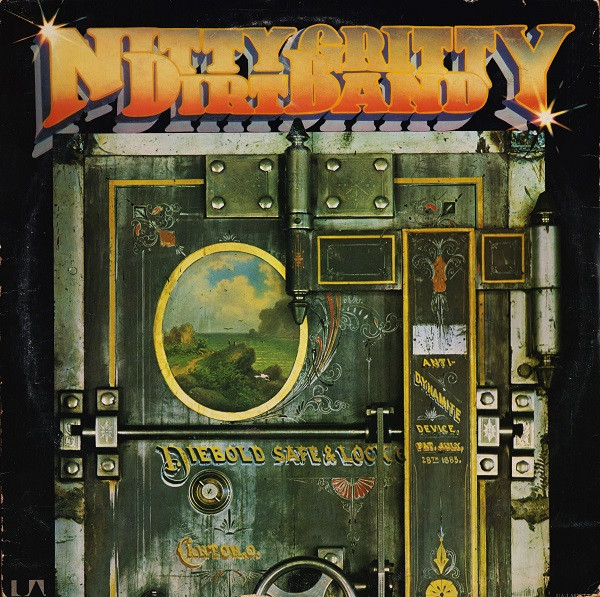
Dirt, Silver & Gold
1976
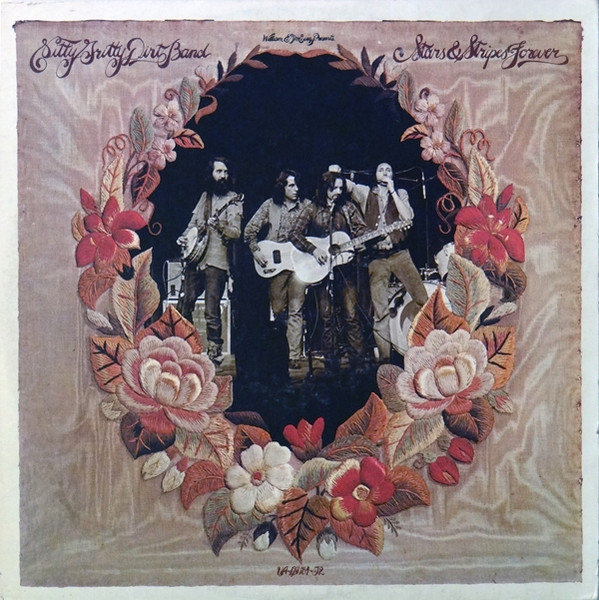
Stars And Stripes Forever
1975
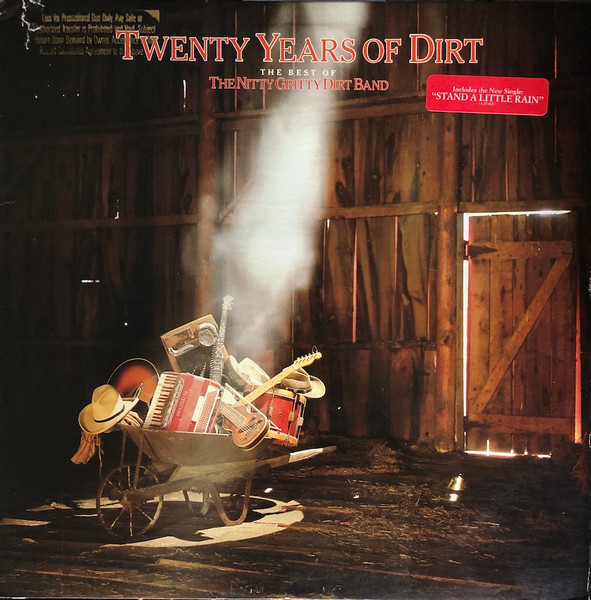
Twenty Years Of Dirt - The Best Of The Nitty Gritty Dirt Band
1986

Hold On
1987

An American Dream
1979

All The Good Times
1971

Make A Little Magic
1980

Ricochet
1967

Partners, Brothers And Friends
1985

Plain Dirt Fashion
1984
Related artists
Around the web
Follow every record they touch.
Start your shelf and Gatefold tracks Jackson Browne's new pressings, tour dates, and the whole discography — automatically.
Start your shelf →Free forever. Works with 10 records or 10,000.