
Artist
The J. Geils Band
Worcester, United States · 1967 – 2015
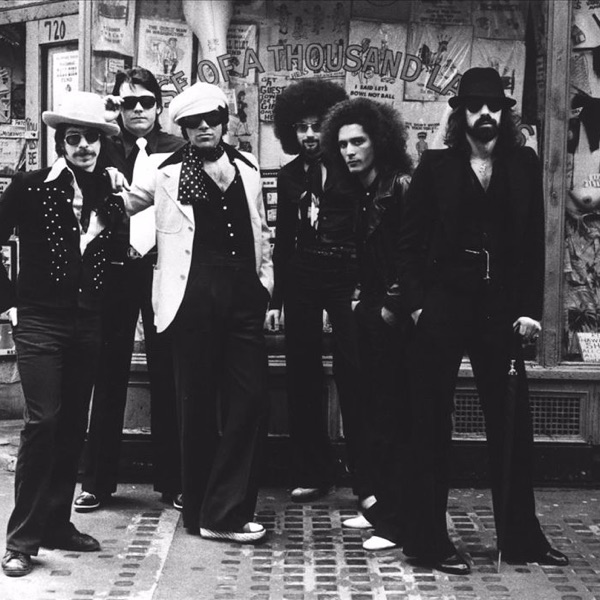
The J. Geils Band is a music group from Worcester, United States, active 1967–2015. Their discography on Gatefold includes 22 records.
22
Albums tracked
202
In collections
1967
Since
Biography
Bill Szymczyk did not bother with studio polish when he tracked their self-titled debut in 1970. He just set up the mics and let a pack of Boston ruffians play Chicago blues at double speed. For most of the seventies, this band was an absolute menace on stage, routinely blowing headliners like Black Sabbath and The Allman Brothers right off the bill. Peter Wolf was a fast-talking former FM radio DJ who sounded like a carnival barker on speed, while Magic Dick played the harmonica through a screaming fender amp like he was trying to tear the speaker cone in half. Then the eighties happened, and the checkbook got too big to ignore. Seth Justman took the steering wheel, sidelined the greasy R&B guitar, and drowned the band in cheap synthesizer presets. It made them rich as hell for about eighteen months, but it killed the chemistry. When Wolf walked out in '83 over creative disputes during the recording of their final flop, the heart of the band went with him.
Bio from The Clerk
The Arc of The J. Geils Band
The pivots — what forced The J. Geils Band to reinvent.
The Dirty Atlantic Years
From 1970 to 1976, they were a relentless blue-collar road machine grinding out greasy R&B for Atlantic Records. They cut classics like Bloodshot on cheap equipment with Bill Szymczyk, capturing the sweat-soaked energy of a Boston dive bar. You can hear this era in the red-lined bass of Danny Klein and the fierce, unhinged harmonica solos on Whammer Jammer. It was raw, dangerous, and completely out of step with the bloated prog-rock dominating the charts.
The Arena-Pop Transition
A jump to EMI in 1978 changed the entire blueprint as Seth Justman started steering the band toward the top forty. Sanctuary traded the raw blues-harp workouts for radio-friendly choruses and slicker production. The guitars got pushed back in the mix to make room for big drum sounds and commercial hooks. It was a calculated play for the big rooms, setting the stage for the massive pop crossover that was right around the corner.
The Synth-Pop Jackpot
In 1981, they went all-in on MTV-era technology with Freeze-Frame, using sequential synthesizers and sequenced horn sections to dominate the airwaves. The title track and Centerfold were massive global hits, but the transformation from a sweat-stained bar band into cartoonish pop stars created massive internal friction. The raw blues groove was replaced by sterile, mechanical rhythms. Peter Wolf hated the direction, causing a massive blowout during the sessions for the follow-up that shattered the band for good.
Influences
- The Paul Butterfield Blues Band — Before forming J. Geils, Magic Dick studied Butterfield's revolutionary amplified harmonica style, which brought the instrument into the modern rock era. You can hear this influence directly in the tone and aggressive phrasing on Whammer Jammer. It was the blueprint for turning a blues harp into a lead rock instrument.
- John Lee Hooker — The band regularly covered his material in their early live sets and officially cut a high-octane version of Serves You Right to Suffer on their debut album. They took Hooker's loose, hypnotic boogie and supercharged it with a nervous, northeast energy. It kept their early rhythm section anchored in the dirt.
- Muddy Waters — Peter Wolf obsessed over Waters' Chess Records catalog, even inviting the blues legend to tour with them in the early seventies to show them how it was done. The slide guitar work of Jay Geils on their first three albums is a direct, unfiltered homage to Waters' electric delta style. It gave their street-level rock an authentic Chicago backbone.
- The Contours — The band famously covered their Motown hit First I Look at the Pocketbook on the Bloodshot album, turning a soul-shouter into a sweaty rock anthem. They took the wild vocal delivery and frantic energy of early sixties Detroit R&B and fused it with heavy guitars. It proved they were as much a dance band as they were blues purists.
- Albert Collins — Jay Geils modeled his sharp, icy guitar attack and fingerpicking style directly on Collins' signature Telecaster bite. You hear this influence in the stinging, treble-heavy solos on songs like Sno-Cone. It kept their guitar sound clean and cutting rather than warm and fuzzy.
Discography
Their records — most-collected first.
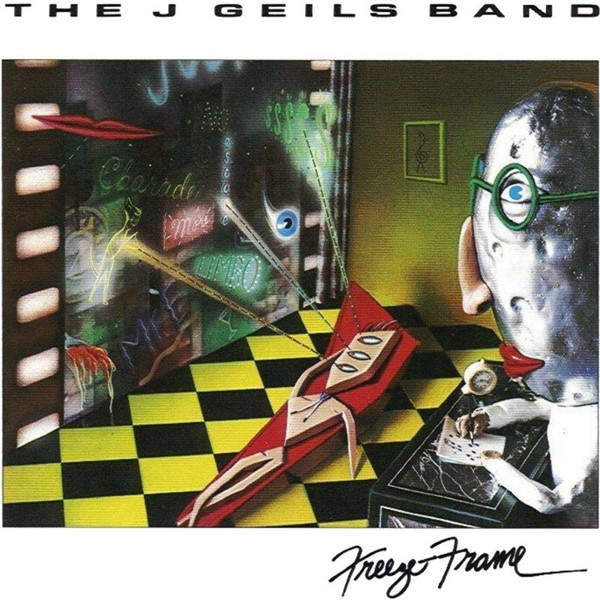
Freeze-Frame
1981

"Live" Full House
1972
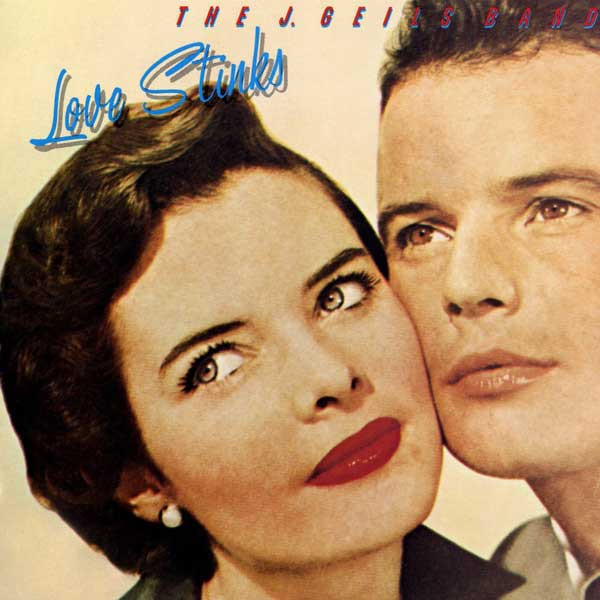
Love Stinks
1980
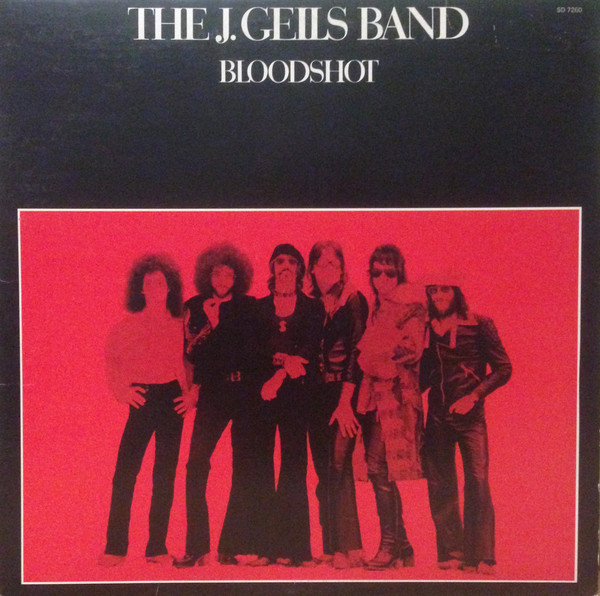
Bloodshot
1973
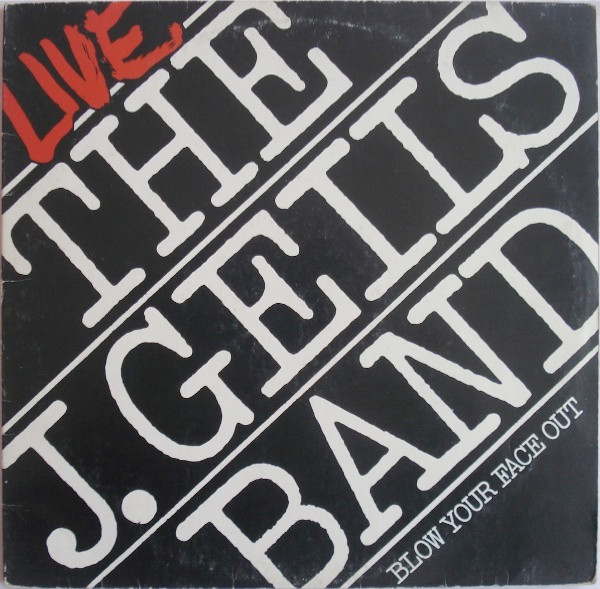
Live - Blow Your Face Out
1976

Nightmares ...And Other Tales From The Vinyl Jungle
1974

Best Of The J. Geils Band
1979

Showtime!
1982
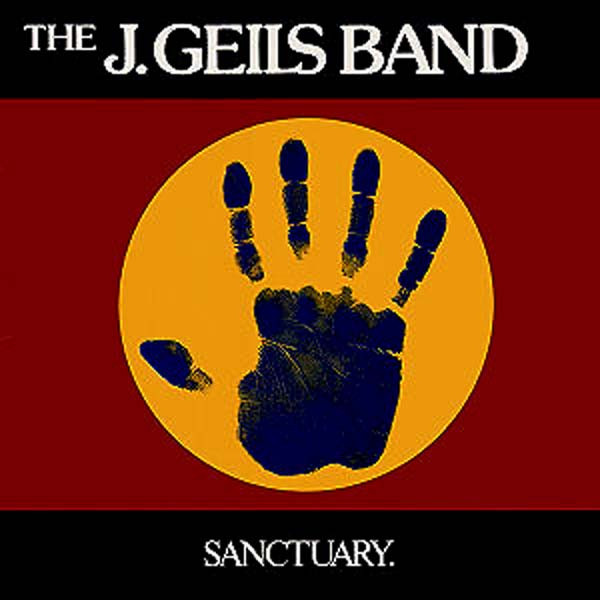
Sanctuary.
1978
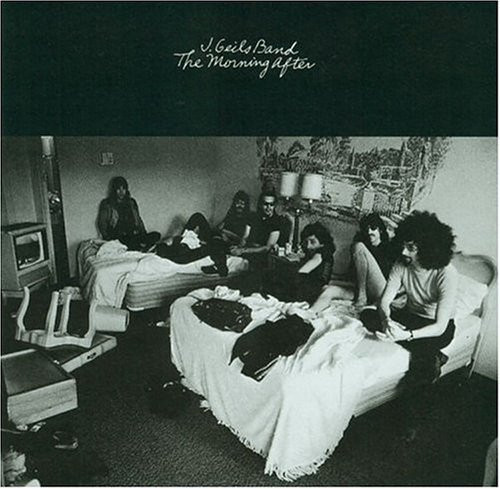
The Morning After
1971

Flashback - The Best Of J. Geils Band
1985
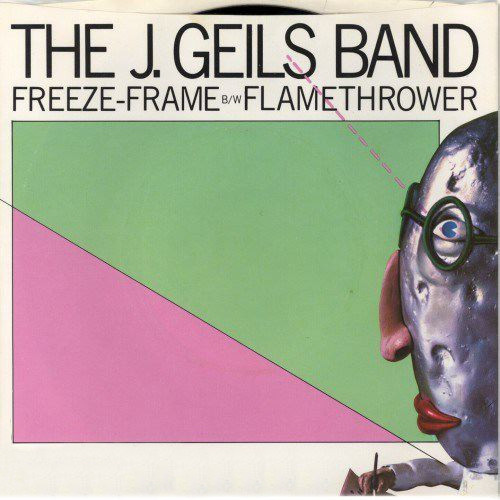
Freeze-Frame
1982

Centerfold
1981
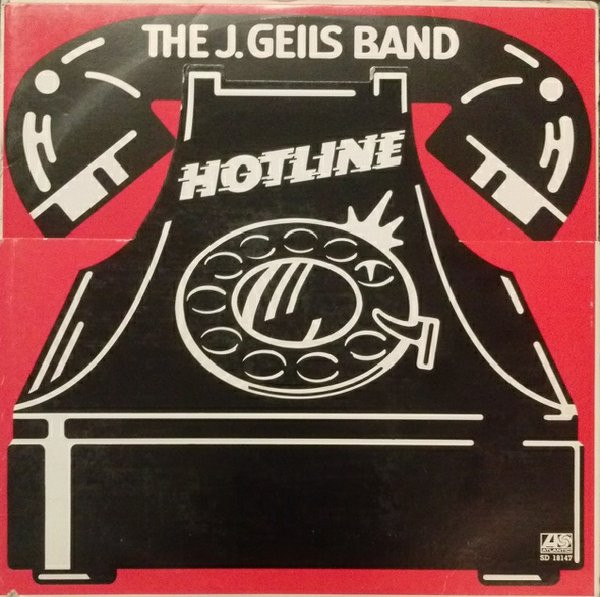
Hotline
1975

Ladies Invited
1973

The J. Geils Band
1970
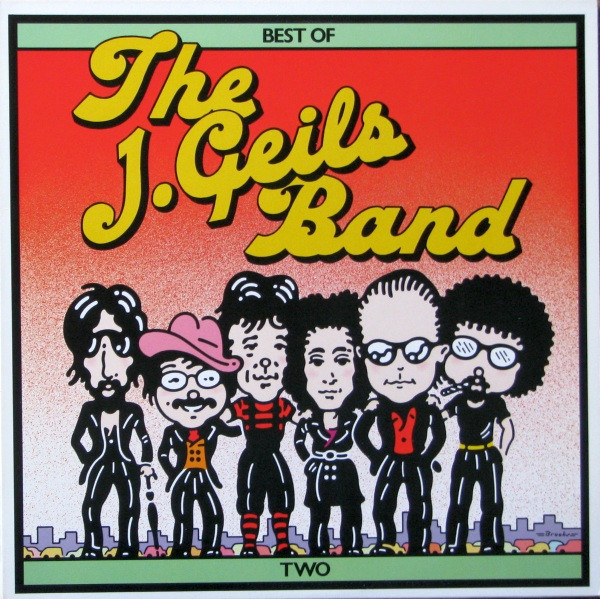
Best Of The J. Geils Band Two
1980

You're Gettin' Even While I'm Gettin' Odd
1984

Land Of A Thousand Dances (Live Version)
1982

House Party (Live In Germany)
2014
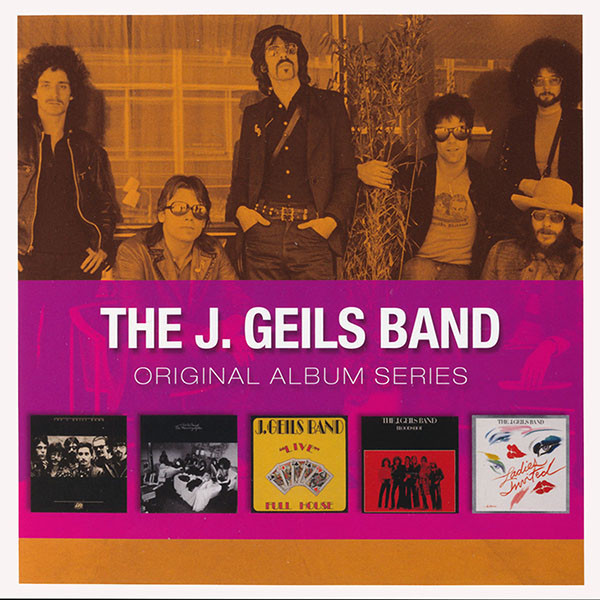
Original Album Series
2009

Anthology: Houseparty
1993
Related artists
Frequent collaborators
Around the web
Follow every record they touch.
Start your shelf and Gatefold tracks The J. Geils Band's new pressings, tour dates, and the whole discography — automatically.
Start your shelf →Free forever. Works with 10 records or 10,000.