Artist
The Intelligence
Seattle, United States
The Intelligence is a music group from Seattle, United States. Their discography on Gatefold includes 10 records.

10
Albums tracked
13
In collections
—
Since
Biography
Lars Finberg was playing drums for the A-Frames in Seattle when he realized his own ideas were too twitchy and weird for a standard garage-rock grid. He started The Intelligence as a solo project armed with a cheap four-track and a drum machine that sounded like it was being electrocuted. It was low-budget, basement-tier fidelity that prioritized the rhythmic skip over the actual melody. He wasn't trying to be a guitar hero; he was trying to see how much tension he could cram into a two-minute track before the tape hissed out. The project eventually ballooned into a revolving door of a band, but it always came back to Finberg's obsession with dry, brittle sounds. He moved to LA, teamed up with the Osees crowd, and kept churning out records at a pace that would kill most touring bands. The magic of this band isn't in the polish—they never had any. It's in the way they managed to stay consistently agitated for over twenty years without ever sounding like they were trying too hard to be 'punks.'
Bio from The Clerk
The Arc of The Intelligence
The pivots — what forced The Intelligence to reinvent.
The Four-Track Nervous Breakdown
The early era defined by Boredom and Terror was basically just Lars in a room with a handful of budget gear and a specific disdain for high fidelity. He leaned heavily on thin, treble-spiked guitar lines and robotic drumming that felt more like Devo than The Stooges. You hear the limitations of the basement recording on every track, where the tape saturation acts as the fifth band member. It’s a claustrophobic sound that proved you didn’t need a full band to make a garage-rock record feel dangerous.
The In the Red Expansion
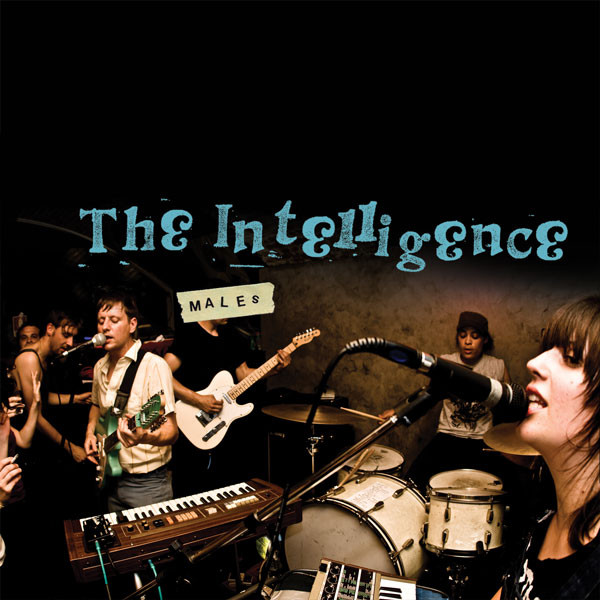
Once Lars started working with labels like In the Red and collaborating with guys like Chris Woodhouse, the sound opened up into something leaner and meaner. Records like Deuteronomy and Males benefit from actual studio air, giving the drums a physical weight they lacked in the four-track days. The songwriting shifted from static-filled experiments to actual post-punk anthems that still felt like they were vibrating apart. This is the peak of their 'band' feel, where the interplay between the members actually threatens to eclipse the solo-project origins.
The Peavey City Pivot
Moving into Un-Psychedelic in Peavey City, Finberg doubled down on the 'un-psychedelic' mantra by stripping away any lingering garage-rock tropes. The production got weirder and more skeletal, often sounding like it was recorded through a practice amp found in a dumpster. It’s a deliberate deconstruction of the sound he’d spent a decade building, favoring oddball samples and jagged, abrupt transitions. This era is for the lifers who don't want the hits, just the pure, unfiltered twitch of Finberg's brain.
Influences
- The Fall — Finberg has explicitly cited Mark E. Smith's 'repetition' rule as the guiding light for his rhythmic approach. You hear it in the deadpan vocal delivery and the way The Intelligence will ride a single, grating riff into the dirt. It's the art of the intentional annoyance.
- Devo — Before they were synth-pop stars, Devo were Akron mutants using stiff, mechanical rhythms to mock suburban life. The Intelligence took that 'spastic-yet-calculated' energy and applied it to dirty guitar music. The robotic tightness of the early drum machine tracks is a direct nod to the Hardcore Devo era.
- The Country Teasers — The Intelligence covered 'The Last Space Adventure' and shared a similar appetite for nihilistic, satirical songwriting. You hear Ben Wallers' influence in the way Finberg uses sarcasm as a primary instrument. It’s about being the smartest, most cynical guy in a very loud room.
- Wipers — The Pacific Northwest DNA is undeniable, specifically the moody, driving intensity of Greg Sage. While The Intelligence is more playful, the underlying sense of isolation and the jagged guitar tone are straight out of the Portland '80s underground. It's the sound of being rained in with nothing but a guitar and a grudge.
- Chuck Berry — Finberg has frequently mentioned that underneath all the noise, he’s just trying to write basic rock and roll songs. You can hear the skeleton of '50s progression buried under the distortion and the art-school leanings. It's traditionalism viewed through a cracked, filthy lens.
Discography
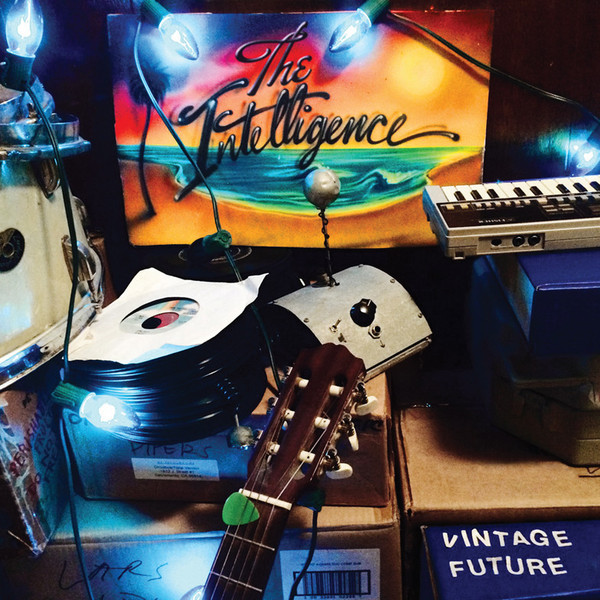
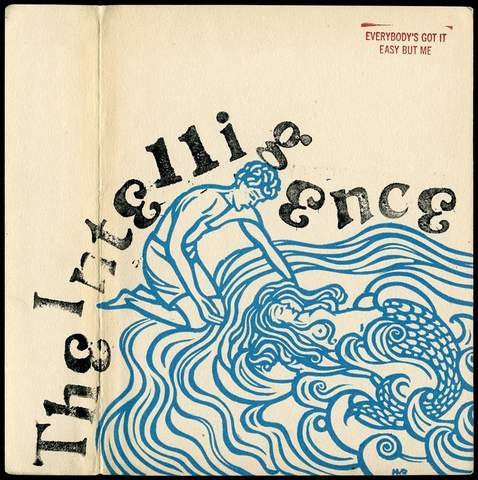
Their records — most-collected first.




Related artists
Members
Around the web
Follow every record they touch.
Start your shelf and Gatefold tracks The Intelligence's new pressings, tour dates, and the whole discography — automatically.
Start your shelf →Free forever. Works with 10 records or 10,000.