
Artist
Incubus
Calabasas, United States · Formed 1991
Incubus is a music group from Calabasas, United States, active since 1991. Their discography on Gatefold includes 24 records.

27
Albums tracked
293
In collections
1991
Since
Biography
They got lumped into the late-nineties nu-metal trash heap because Mike Einziger played a seven-string Ibanez and Gavin Koppell scratched records over slap bass. It was an unfair tag, but they brought it on themselves playing funk-metal party tunes in gym shorts. The secret weapon was always the rhythm section and Einziger's pedalboard. While their Ozzfest peers were tuning down to drop-A to mask boring riffs, Einziger was obsessing over phasers, tape delays, and jazz inversions. By the time they hauled their gear into a rented Malibu beach house for Morning View, the aggro posturing was completely dead. Chris Kilmore treated the turntables like an ambient synth pad instead of a hip-hop gimmick, and Brandon Boyd leaned hard into vocal melody over rap-rock barking. They spent the next decade alienating the bros who wanted another heavy breakdown, chasing lush pop chord changes and art-rock oddities that confused rock radio. They survived the era because they actually knew how to play their damn instruments.
Bio from The Clerk
The Arc of Incubus
The pivots — what forced Incubus to reinvent.
The Slap-Funk Spazzes
Fungus Amongus and S.C.I.E.N.C.E. were the sound of hyperactive kids overdosing on slap bass and skate punk. Dirk Lance played like Les Claypool on speed, while Einziger ran an Ibanez through Boss phasers to mimic jungle breaks and drum-and-bass tempos. Rock radio wanted them to be Korn, but the record sounded more like a funk-metal science experiment thrown down a flight of stairs. It built them a rabid touring base, but it was a stylistic dead end they were eager to escape.
The Malibu Platinum Pivot
Make Yourself blew the doors open with acoustic ballads, but Morning View cemented the pivot away from heavy metal entirely. The band decamped to a mansion on the Pacific Coast Highway, tracked with open doors facing the ocean, and replaced the frenetic funk aggression with open space and tape delays. Kilmore's turntables became texture instead of rhythm, providing haunting sweeps on tracks like 'Wish You Were Here.' It turned them into stadium mainstays precisely because they stopped trying to scream over the noise.
The Post-Dirk Prog Digression
When founding bassist Dirk Lance split after internal friction, they brought in Ben Kenney, who had just stepped out of the Roots' touring band. The resulting record, A Crow Left of the Murder…, immediately ditched radio-friendly sheen for odd time signatures and political bite. Kenney's fluid, pocket-heavy style freed Einziger to lean heavily into guitar freak-outs, extended solos, and dissonant chord structures. It divided fans expecting another batch of smooth pop-rock singles, signaling their refusal to stay in the turn-of-the-century alt-rock box.
The Mellow Drift
By the arrival of If Not Now, When?, the volume dropped down to a simmer and the heavy riffs vanished almost completely. Boyd focused on crooning over piano ballads and mid-tempo arrangements that stripped away the kinetic drive of their early years. Decades of relentless touring had taken a physical toll, and Einziger's writing favored subtle textures over high-octane grooves. Longtime fans checked out, but the band was content to age out of the alternative rock machine on their own quiet terms.
Influences
- Faith No More — Boyd has repeatedly cited The Real Thing and Angel Dust as the exact spark that made him want to front a band. The early Incubus material shamelessly borrows Mike Patton's elastic blend of white-boy rap cadence and sweeping, operatic vocal melodies. You hear it loudest on tracks like 'A Certain Shade of Green,' which basically operates as an open-hearted tribute to Patton's vocal arrangements.
- Primus — Original bassist Dirk Lance lifted his entire four-string vernacular directly from Les Claypool's playbook. Fungus Amongus and S.C.I.E.N.C.E. are packed with popping thumb techniques, flamenco strumming, and cartoonish mid-range bass tones that came right out of the Frizzle Fry era. Without Claypool making the bass the primary lead instrument in alternative rock, early Incubus does not exist.
- The Police — Mike Einziger has openly credited Andy Summers for teaching him how to use modulation effects to build atmospheric chord shapes. Instead of playing standard power chords, Einziger used Summers' signature jazz-add9 voicings drowned in chorus and flanger pedals. Listen to the verses of 'Drive' or 'Stellar' and you are hearing pure Reggatta de Blanc chord economy.
- Red Hot Chili Peppers — Incubus came up in the Southern California circuit where Mother's Milk and Blood Sugar Sex Magik were treated as holy scripture. The tight, bouncing lock between José Pasillas's drumming and Lance's slap riffs was engineered directly from the Chad Smith and Flea engine room. They eventually shook off the funk-rap derivative tags, but that bouncy syncopation remained in their rhythm DNA for life.
- Mr. Bungle — The chaotic, genre-hopping whiplash across their 1997 record S.C.I.E.N.C.E. mirrors the frantic tempo and style changes of Trevor Dunn and Mike Patton's side project. Einziger frequently pointed to their first self-titled record as the license to jump from jazz lounge chords to blast beats in four bars. It was the blueprint for proving you could be weird, heavy, and technically proficient all at once.
Discography
Their records — most-collected first.

Make Yourself
1999

Morning View
2001
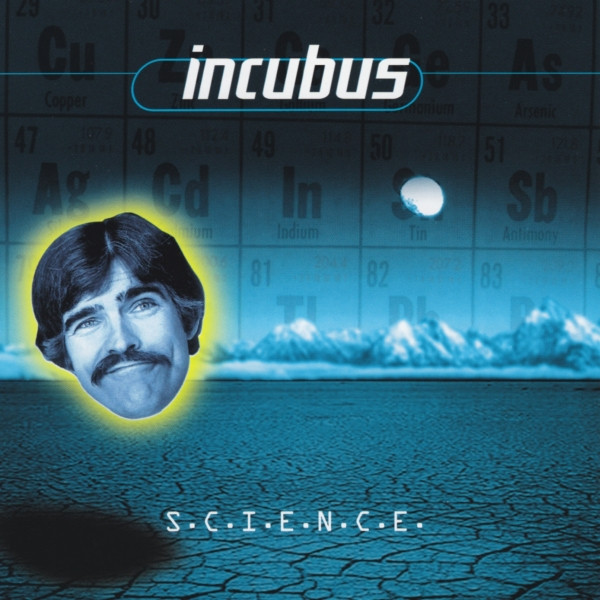
S.C.I.E.N.C.E.
1997
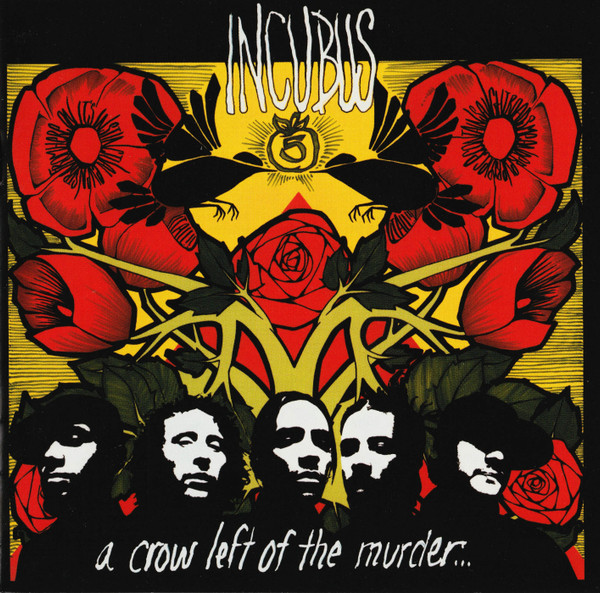
A Crow Left Of The Murder...
2004
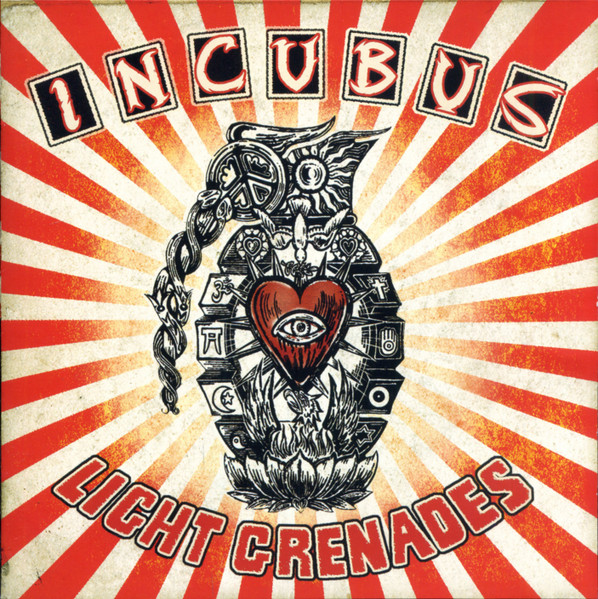
Light Grenades
2006
Enjoy Incubus
1997

Fungus Amongus
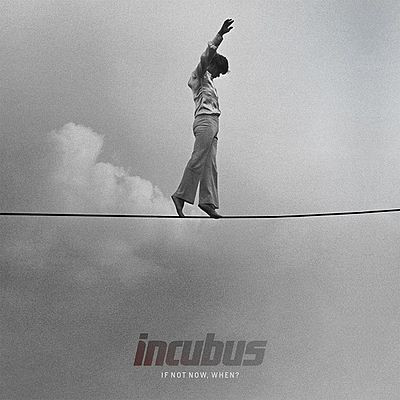
If Not Now, When?
2011
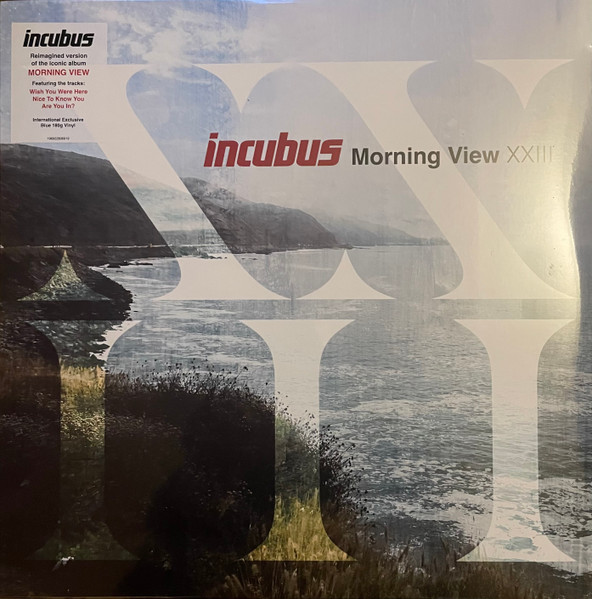
Morning View XXIII
2024
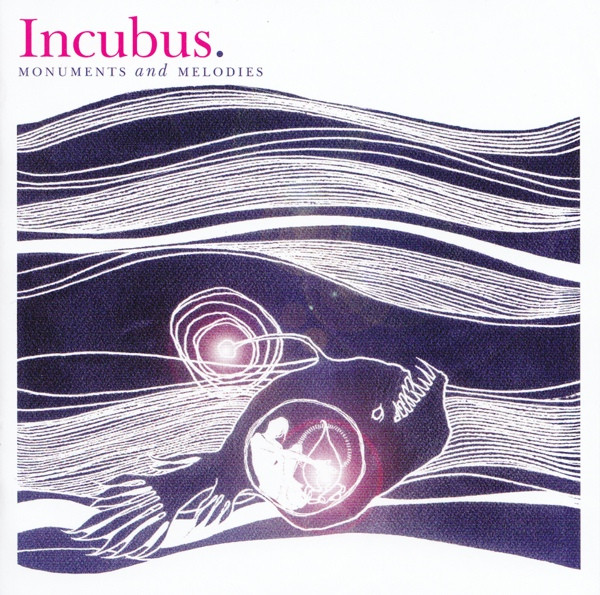
Monuments And Melodies
2009

8
2017
Wish You Were Here
2001

Alive At Red Rocks
2004

The Morning View Sessions
2002
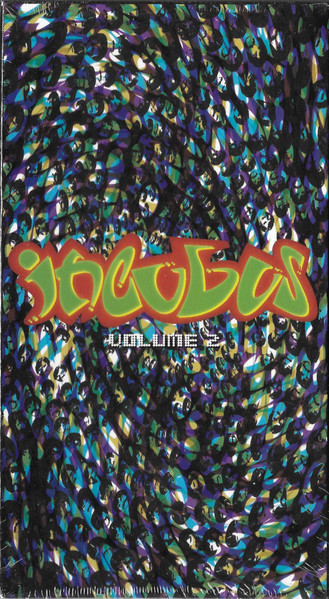
Volume 2
2002

Nice To Know You
2001
Pardon Me
2000

Trust Fall (Side A)
2015
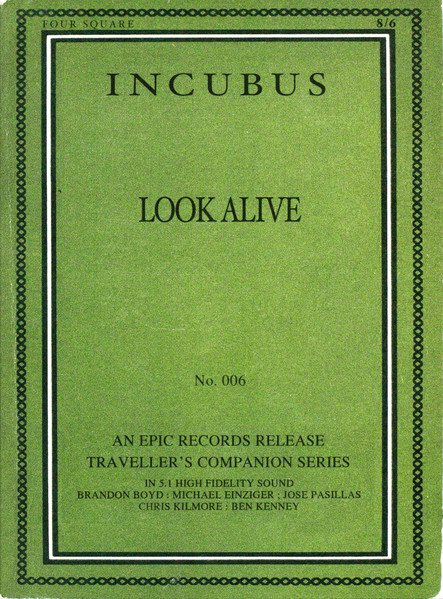
Look Alive
2007

Talk Shows On Mute
2004
Are You In?
2002
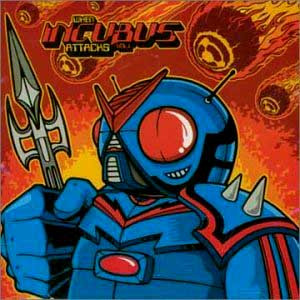
When Incubus Attacks, Vol. 1
2000

Playlist: The Very Best Of Incubus
2013

The Essential Incubus
2012
Related artists
Around the web
Follow every record they touch.
Start your shelf and Gatefold tracks Incubus's new pressings, tour dates, and the whole discography — automatically.
Start your shelf →Free forever. Works with 10 records or 10,000.