Artist
In Flames
Gothenburg, Sweden · Formed 1990
In Flames is a music group from Gothenburg, Sweden, active since 1990. Their discography on Gatefold includes 21 records.

21
Albums tracked
89
In collections
1990
Since
Biography
Jesper Strömblad was still pulling double duty in Ceremonial Oath when he started In Flames because he wanted to hear Iron Maiden melodies buried under a pile of Swedish death metal filth. He didn't even have a permanent singer for the first few years, so he traded appearances with guys from Dark Tranquillity just to get the tapes finished. By the time they hit Studio Fredman with Fredrik Nordström, they weren't just playing fast; they were layering twin-guitar harmonies that sounded more like Thin Lizzy than Entombed. Then the 2000s hit and they decided they wanted to be a stadium band, swapping the folk-inflected riffs for American radio polish and synthesizers. Fans lost their minds, calling them sellouts while the band started headlining massive festivals across the pond. It’s a weird catalog because you have to reconcile the guys who wrote acoustic interludes on Lunar Strain with the guys who hired Howard Benson to give them that slick, compressed alternative metal sheen. They survived by being the only death metal band brave—or stupid—enough to admit they liked catchy choruses as much as blast beats.
Bio from The Clerk
The Arc of In Flames
The pivots — what forced In Flames to reinvent.
The Fredman Dual-Lead Era
Between 1995 and 1999, the band locked themselves into Studio Fredman with producer Fredrik Nordström to perfect the Gothenburg blueprint. Björn Gelotte moved from the drum kit to lead guitar, creating a tighter harmonic bond with Jesper Strömblad that leaned heavily on folk melodies and classical scales. Records like Whoracle and Colony defined this run, characterized by a dry, biting guitar tone and Anders Fridén’s transition from a low growl to a more rhythmic, mid-range bark.
The American Radio Pivot
Reroute to Remain was the moment they stopped trying to please the underground and started looking at what Korn and Deftones were doing in the States. They introduced electronics, clean choruses, and a bounce that stripped away the complex tremolo picking in favor of heavy, syncopated grooves. This shift was fueled by a desire to break out of the European club circuit, resulting in a polarizing sound that prioritized hooks over technical death metal heritage.
The Modern Alt-Metal Shift
After Jesper Strömblad left the band in 2010, the last tether to their death metal origins essentially snapped. They leaned fully into the Howard Benson production style, focusing on massive vocal layers and polished, arena-ready arrangements that sounded more like active rock than extreme metal. Battles and Siren Charms represent the peak of this era, where the aggression is mostly theatrical and the songwriting is built entirely for massive singalongs in open-air stadiums.
Influences
- Iron Maiden — Jesper Strömblad has repeatedly cited them as the reason for the band's entire melodic framework. You hear it in the galloping rhythms and the constant use of third-interval guitar harmonies that define the Jester Race era. Without Steve Harris, this band is just another generic Stockholm buzzsaw act.
- Black Sabbath — The band covered 'It's Alright' on the Used & Abused collection, signaling their debt to the masters of the heavy riff. Beyond the obvious doom, the influence shows up in the way they anchor their mid-tempo tracks with massive, simple pentatonic hooks. It's the foundation beneath the Swedish flash.
- Metallica — The band covered 'Eye of the Beholder' early on, and the thrash-influenced palm muting on records like The Jester Race comes straight from the James Hetfield playbook. You can track their evolution from thrash precision to stadium-sized ambition directly alongside Metallica’s own trajectory. They took the lesson that melody doesn't have to sacrifice weight.
- Thin Lizzy — The dual-lead harmony is the In Flames calling card, and they've openly credited Phil Lynott's crew for that twin-guitar attack. Listen to the harmonized solos on Colony and you're hearing a death metal version of 'The Boys Are Back in Town.' It's the classic rock DNA inside the metal shell.
- Depeche Mode — Their cover of 'Everything Counts' on Whoracle wasn't a joke; it was a roadmap for their later career. The way they integrated dark synth textures into their 2000s output traces back to a deep obsession with 80s electronic pop. It explains why they eventually valued a strong synth hook as much as a heavy riff.
Discography
Their records — most-collected first.
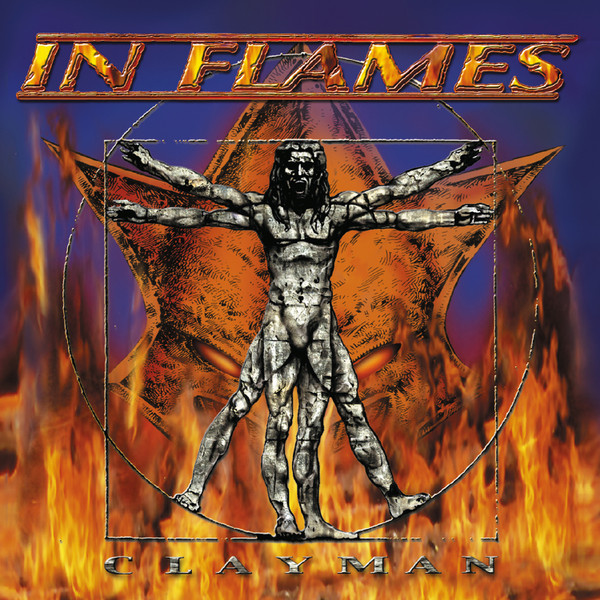
Clayman
2000
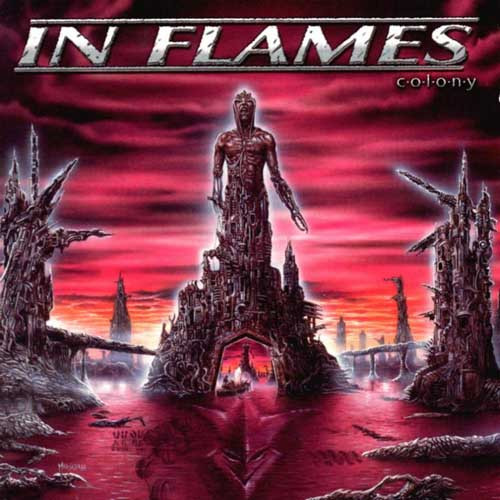
Colony
1999
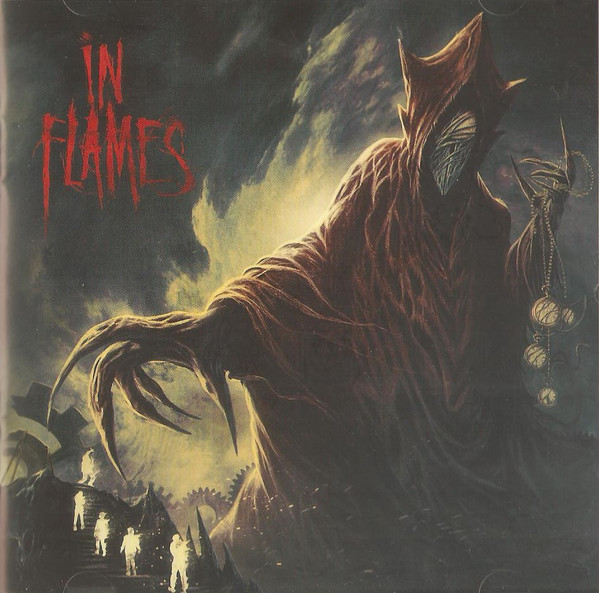
Foregone
2023
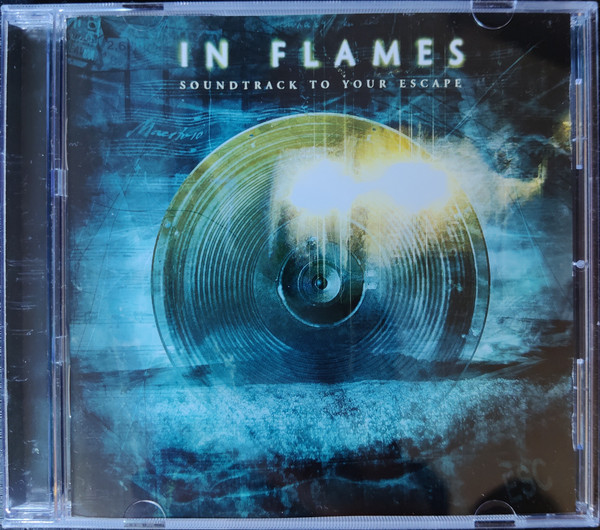
Soundtrack To Your Escape
2004

Whoracle
1997
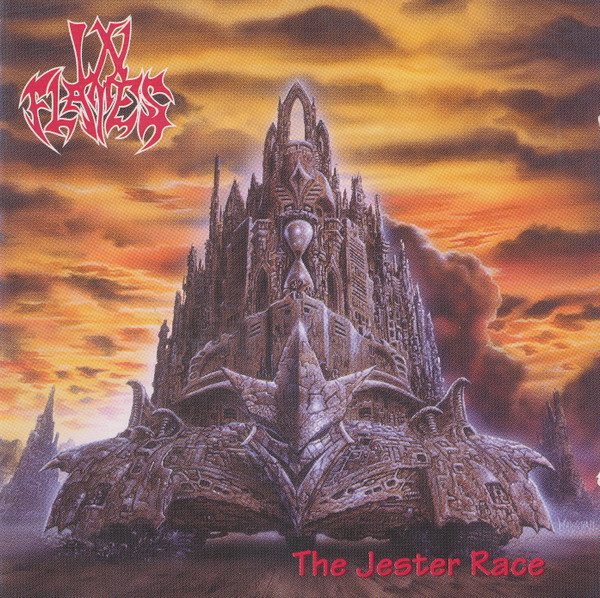
The Jester Race
1996

Come Clarity
2006

Sounds Of A Playground Fading
2011

A Sense Of Purpose
2008
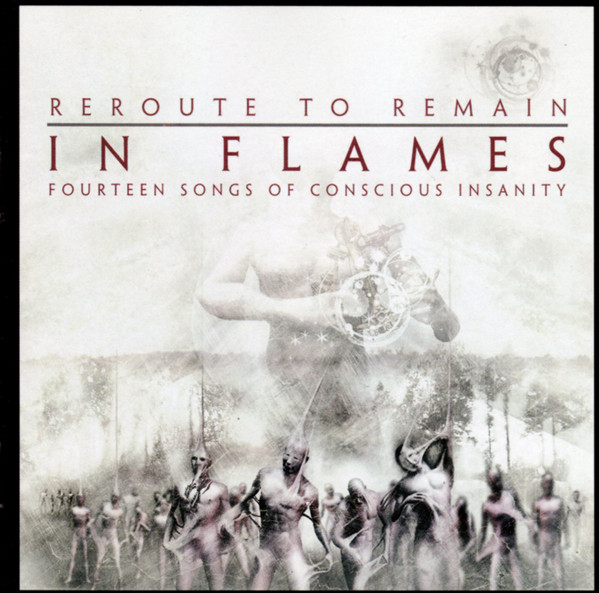
Reroute To Remain
2002
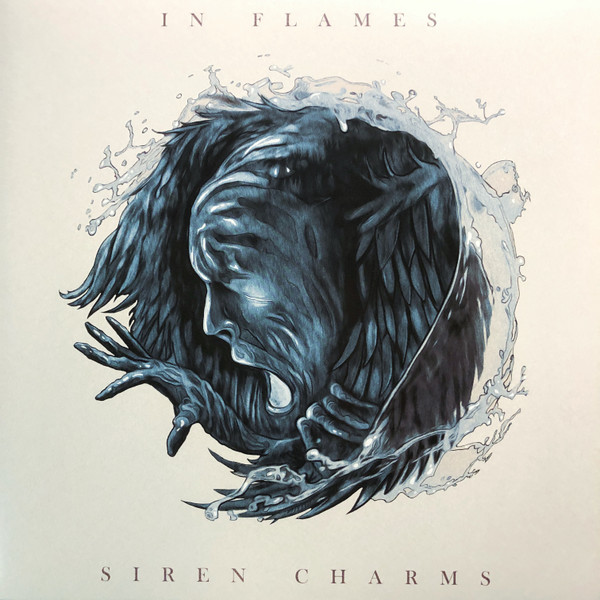
Siren Charms
2014
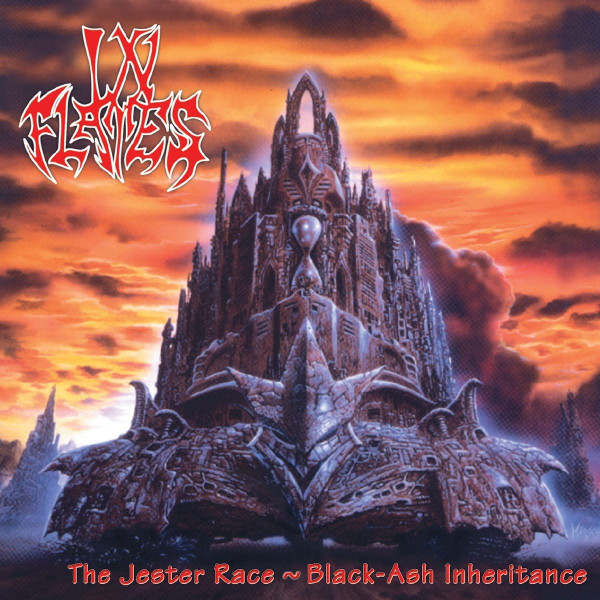
The Jester Race ~ Black-Ash Inheritance
2002
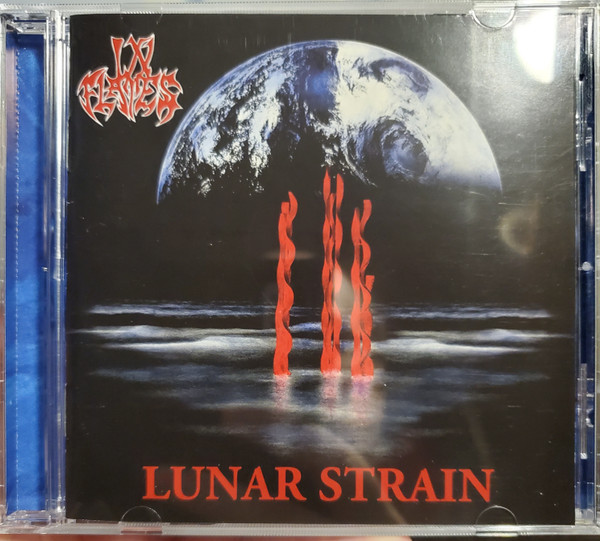
Lunar Strain / Subterranean
1999

Lunar Strain
1994

I, The Mask
2019

Battles
2016

The Tokyo Showdown - Live In Japan 2000
2001
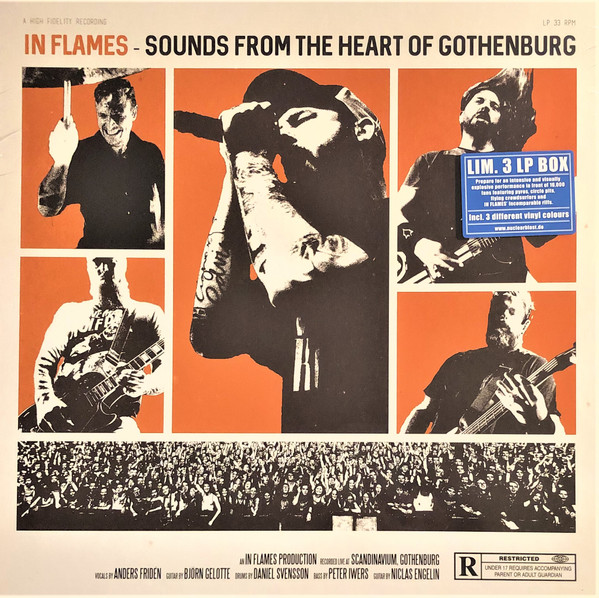
Sounds From The Heart Of Gothenburg
2016
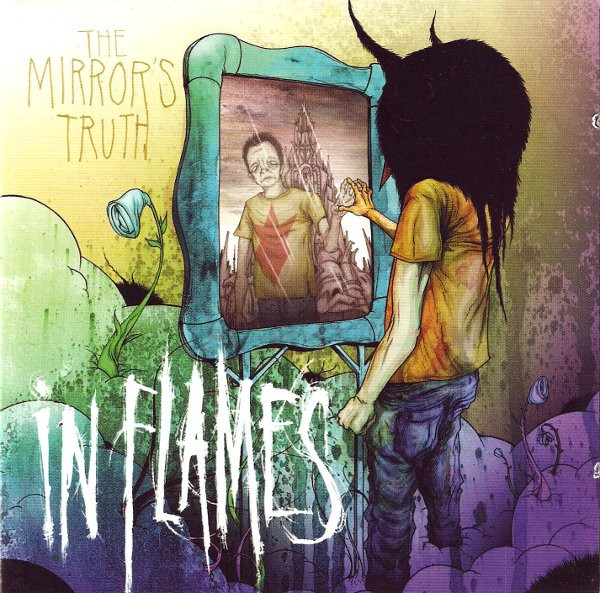
The Mirror's Truth
2008
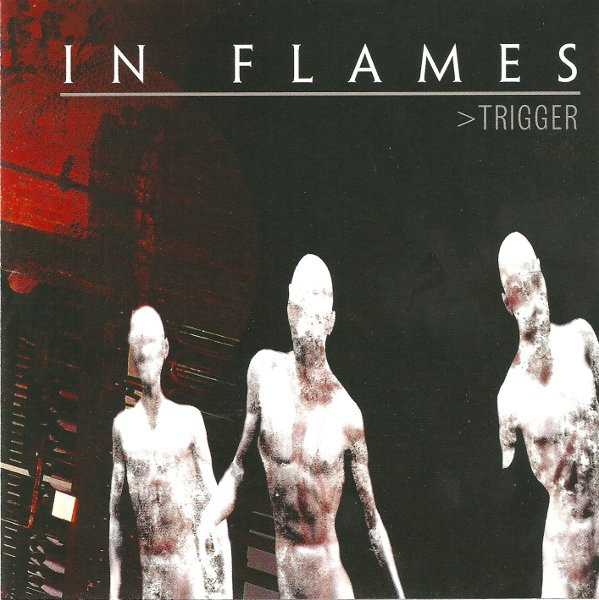
Trigger
2003
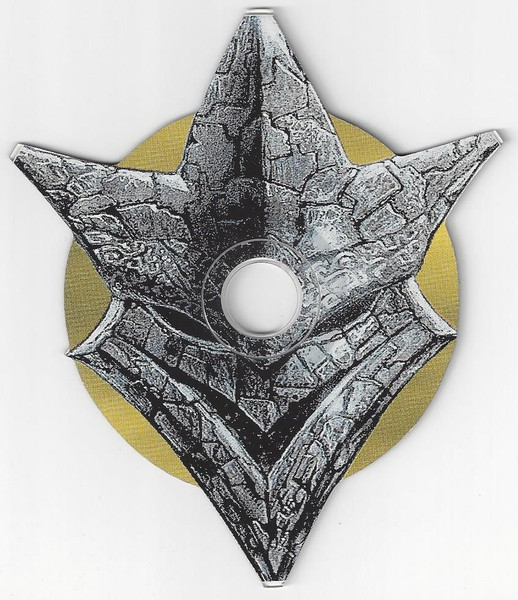
Black-Ash Inheritance
1997
Related artists
Around the web
Follow every record they touch.
Start your shelf and Gatefold tracks In Flames's new pressings, tour dates, and the whole discography — automatically.
Start your shelf →Free forever. Works with 10 records or 10,000.