
Artist
Goblin
Italian progressive rock band
Rome, Italy · Formed 1972
Goblin is a music group from Rome, Italy, active since 1972. Their discography on Gatefold includes 24 records.

24
Albums tracked
56
In collections
1972
Since
Biography
Dario Argento threw out Giorgio Gaslini's orchestral score for Profondo Rosso because he wanted something that actually rattled theater seats, then locked four twenty-something prog-rock kids in a Rome studio with a Mellotron, a Minimoog, and an upright bass. Claudio Simonetti, Massimo Morante, Fabio Pignatelli, and Walter Martino didn't write traditional cues. They cut relentless, syncopated funk riffs and drowned them in church organ reverb until the tracks sounded like high-wire murder scenes. Most bands fall apart when they sign on for film work, but Goblin thrived in the pressure cooker of Italian exploitation cinema. When they stepped outside the screening room to make a straight prog record like Roller or Bagarozzo Mark, the chops were dizzying, but the blood-drenched tape loops of Suspiria and Romero's Dawn of the Dead are where they cracked the code. They weaponized progressive rock by stripping out the hippie pretension and replacing it with razor-sharp horror minimalism.
Bio from The Clerk
The Arc of Goblin
The pivots — what forced Goblin to reinvent.
The Argento Crucible
Argento hired the young lineup in 1975 to rescue Profondo Rosso, kicking off the most lethal four-year run in soundtrack history. The band leaned on heavy Moog patches, celesta, bouzouki, and distorted whispered vocal tapes to construct the claustrophobic dread of Suspiria. Those sessions proved they weren't just Yes clones; they were masters of rhythmic terror who could anchor a slasher movie with a filthy bassline.
Soundtrack Mercenaries and Disintegration
By the late seventies, Italian producers hired the band for every genre under the sun, from poliziotteschi cop thrillers like Squadra antigangsters to sci-fi schlock like Contamination. Constant lineup fractures saw Walter Martino leave while Maurizio Guarini stepped in, gradually shifting the sound toward glossy disco rhythms and polished synth-pop on Volo. The core quartet shattered under the commercial grind, leaving Simonetti and Pignatelli to chase split solo and studio projects throughout the eighties.
The Fractured Bloodline
A studio reunion for Argento's Non ho sonno in 2001 proved the original chemistry was still lethal, but old egos instantly split the camp into rival touring factions. Morante, Pignatelli, Guarini, and Simonetti traded brand variations and competing records like BackToTheGoblin and Four of a Kind across two decades. Even with multiple lineups brawling over the moniker on tour posters, the live shows still run entirely on the unhinged momentum of their mid-seventies master tapes.
Influences
- King Crimson — Claudio Simonetti and Massimo Morante modeled their early chops directly on Robert Fripp's dissonant scale runs and Ian McDonald's Mellotron walls. You hear the dark, crushing heaviness of Red driving the title track of Profondo Rosso. It gave them the blueprint for making rock music feel genuinely dangerous.
- Yes — Fabio Pignatelli's lead bass tone was shaped entirely by Chris Squire's aggressive, treble-heavy Rickenbacker attack. The intricate, interlocking runs on Roller mirror the structure of Fragile. Without Squire's punch, Goblin's rhythm section would have been buried under the keyboards.
- Emerson, Lake & Palmer — Keith Emerson's percussive Hammond organ assaults and modular synth patchings were Simonetti's holy text. You hear the kinetic, runaway organ lines all over the 1978 Zombi score. Simonetti ended up working directly with Emerson years later because of that shared sonic foundation.
- Ennio Morricone — Morricone broke the rules of film scoring in Rome by dropping avant-garde noise, microtonal dissonance, and human voices straight into mainstream cinema. Goblin took that exact cue-sheet rulebook and applied it to Suspiria with shrieking whispers and treated ethnic percussion. They were operating in the direct wake of Morricone's Cinecittà revolution.
- Gentle Giant — The band studied Gentle Giant's tight, counterpoint-heavy rhythmic shifts when structuring their longer instrumental suites. The bizarre time signatures and sudden acoustic breaks across Il fantastico viaggio del “bagarozzo” Mark pull straight from Octopus. It kept their arrangements sharp instead of wandering into bloated jams.
Discography
Their records — most-collected first.

Suspiria (Musiche Dalla Colonna Sonora Originale Del Film)
1977
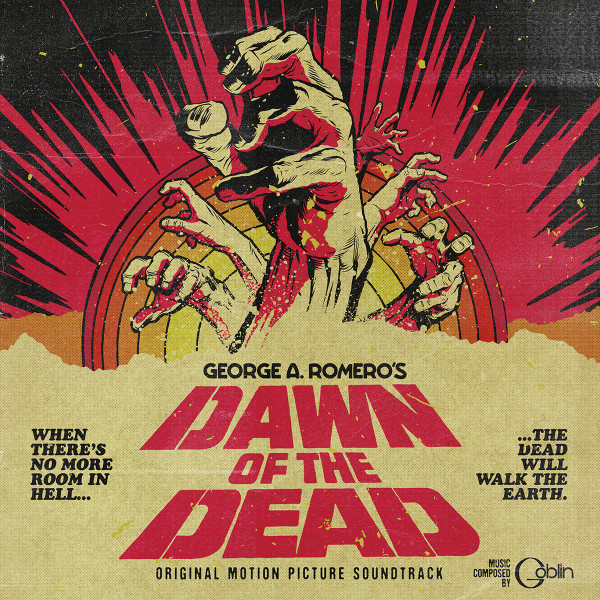
Zombi (Colonna Sonora Originale Del Film)
1978
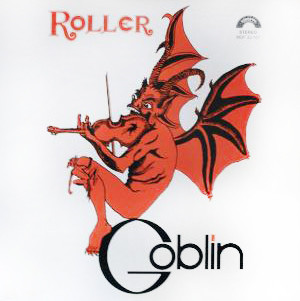
Roller
1976

Profondo Rosso (Colonna Sonora Originale Del Film)
1975

The Singles Collection 1975–1979
2026
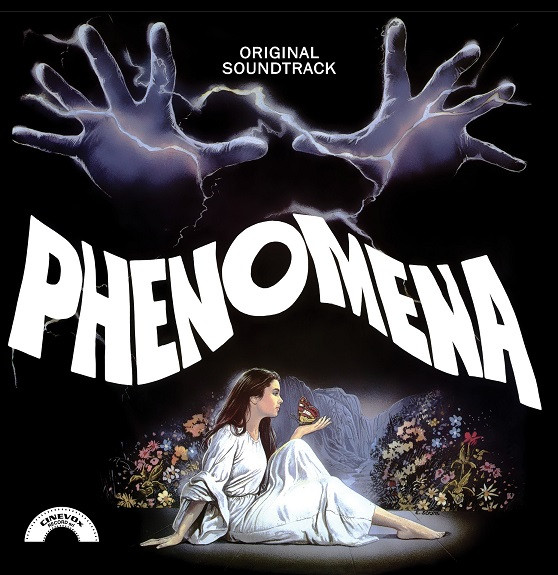
Phenomena (The Complete Original Instrumental Sound Track Album)
1997
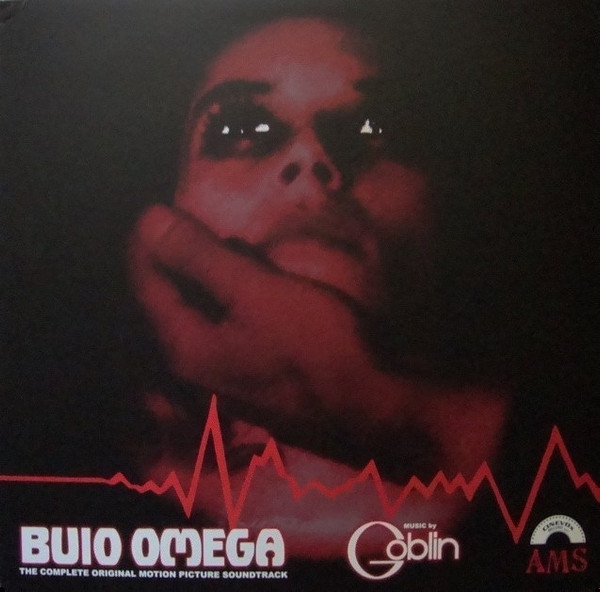
Buio Omega (The Complete Original Motion Picture Soundtrack)
1997

Contamination (Colonna Sonora Originale Del Film)
1980
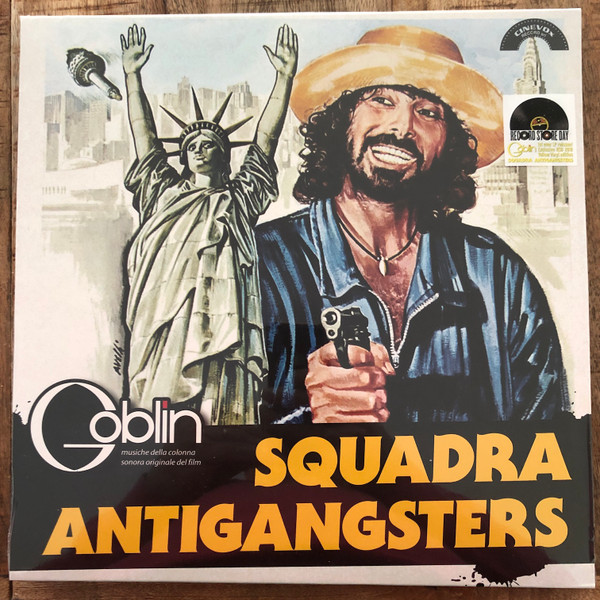
Squadra Antigangsters (Colonna Sonora Originale Del Film)
1979

Il Fantastico Viaggio Del "Bagarozzo" Mark
1978

Fearless (37513 Zombie Ave.)
2018
Austinato
2016

Four Of A Kind
2015

Volo
1982

Greatest Hits
1979

Amo Non Amo (I Love You I Love You Not)
1979
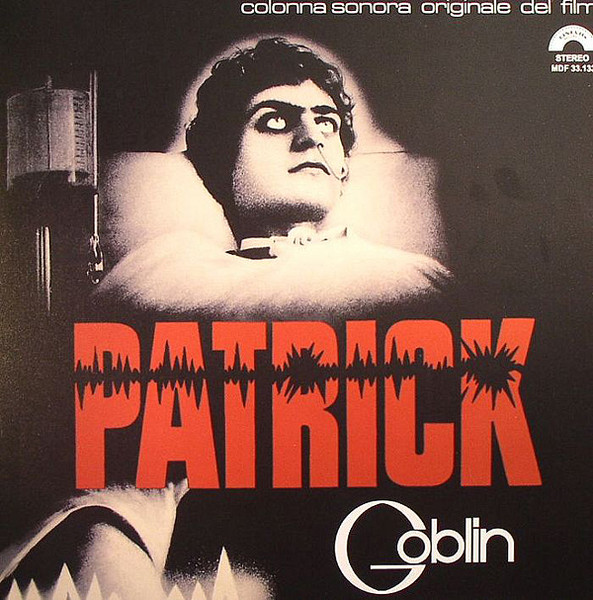
Patrick (Colonna Sonora Originale Del Film)
1979

Suspiria
1977
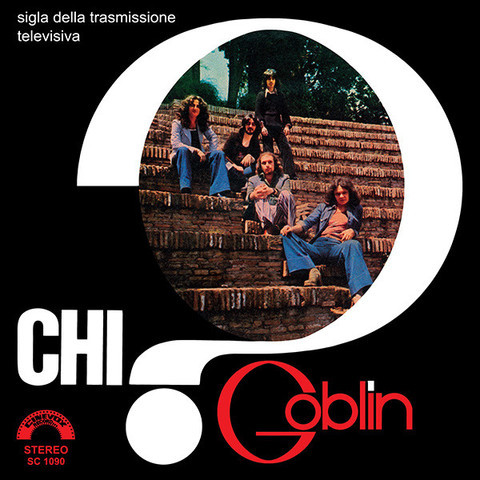
Chi?
1976

Profondo Rosso
1975
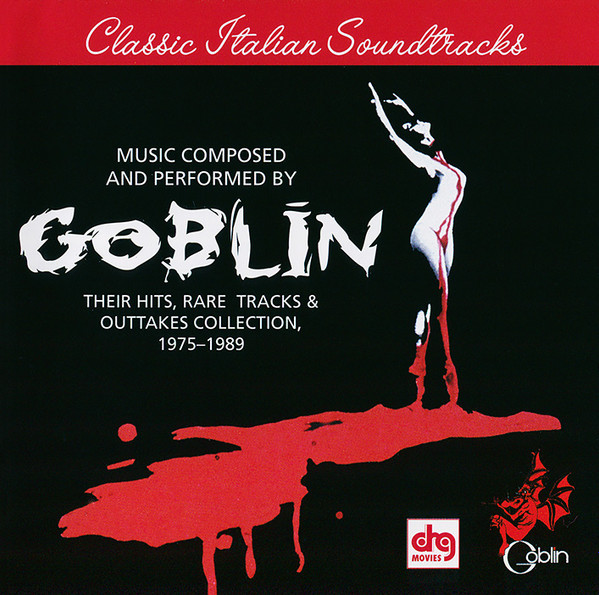
Their Hits, Rare Tracks & Outtakes Collection 1975-1989

The Ultimate Collection
2015

The Fantastic Voyage Of Goblin The Sweet Sound Of Hell
2007
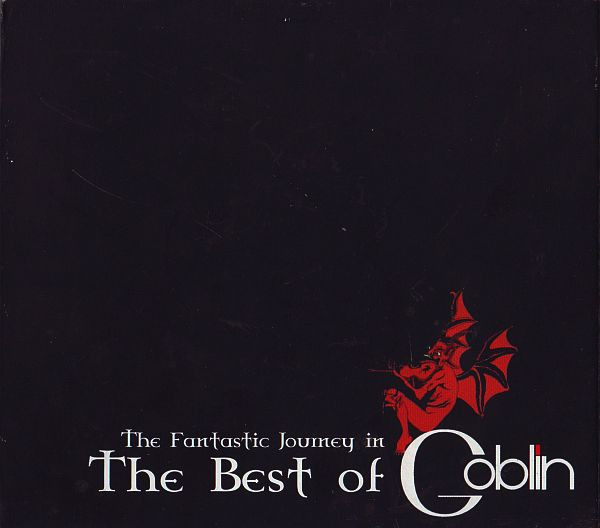
The Fantastic Journey In The Best Of Goblin
2006
Related artists
Frequent collaborators
Around the web
Follow every record they touch.
Start your shelf and Gatefold tracks Goblin's new pressings, tour dates, and the whole discography — automatically.
Start your shelf →Free forever. Works with 10 records or 10,000.