
Artist
Howlin’ Wolf
Clay County, United States · 1910 – 1976
Howlin’ Wolf is a musician from Clay County, United States, active 1910–1976. Their discography on Gatefold includes 24 records.

52
Albums tracked
134
In collections
1910
Since
Biography
Chester Burnett stood six-foot-three and weighed three hundred pounds, but the scariest thing about him was that gravel-pit voice that sounded like it was coming out of a throat full of broken glass. Sam Phillips recorded him first at Memphis Recording Service and said his greatest frustration was never truly capturing the physical force of that sound on tape. He didn’t just sing. He haunted the track until the tape saturated and the needles stayed in the red. He moved to Chicago and spent twenty years in a psychological war with Muddy Waters for the top spot at Chess Records. While Muddy had the charm and the sharp suits, Wolf had Hubert Sumlin and a terrifying intensity that made the rock and roll kids look like choir boys. He was smart enough to keep his own money, too—he was one of the few bluesmen from that era who actually had a pension and health insurance because he treated the band like a business and didn't let the label heads fleece him for every cent.
Bio from The Clerk
The Arc of Howlin’ Wolf
The pivots — what forced Howlin’ Wolf to reinvent.
The Memphis Distortion
Before moving north, Sam Phillips pushed Wolf to the brink in 1951 by letting the amplifiers distort until the sound was practically industrial. Recording 'Moanin’ at Midnight' with just a sparse, vibrating guitar and that primitive harmonica scream, they accidentally created the blueprint for heavy metal. The room was small and the heat was miserable, forcing a frantic, claustrophobic energy that you can still feel in the floorboards when you crank the volume.
The Chess Powerhouse
Once he landed in Chicago, Willie Dixon started feeding him songs that turned his persona into a literal force of nature like 'Spoonful' and 'The Red Rooster.' This era was defined by his partnership with guitarist Hubert Sumlin, whose jagged, unpredictable lines provided the perfect foil for Wolf’s massive vocal presence. This wasn't just barroom music anymore; it was high-drama studio construction designed to rattle the teeth of anyone listening on a transistor radio.
The Psychedelic Sellout
In 1969, Marshall Chess tried to 'update' the sound by forcing Wolf to record with wah-wah pedals and fuzzed-out psych-rock arrangements on The Howlin’ Wolf Album. Wolf hated the sessions so much he told the press the album was dog shit and that the cover should warn people not to buy it. The label actually leaned into his hatred, printing a self-deprecating disclaimer on the front, but the record stands as a weird, distorted artifact of a legend being dragged kicking and screaming into the hippie era.
The London Sessions
By 1970, the British blues explosion kids finally got their chance to back the master at Olympic Sound Studios in London. Eric Clapton was so intimidated by Wolf that he reportedly had to be coached through the 'Little Red Rooster' sessions like a nervous session hand. Despite Wolf’s failing health and the presence of Rolling Stones and Beatles members in the room, the record stripped away the psych-rock fluff of the previous year and returned to a heavy, muscular rhythm section that proved he could still command a room of millionaires.
Influences
- Charley Patton — Wolf saw Patton play at the Will Dockery plantation in Mississippi and learned how to turn a live performance into a full-contact sport. You hear it in the way Wolf growls and stomps, mimicking Patton’s grit and showmanship. Patton literally taught him how to handle a guitar and a crowd at the same time.
- Tommy Johnson — Johnson was the original 'deal with the devil' bluesman, and Wolf copped the eerie, howling falsetto from Johnson’s 'Canned Heat Blues.' It’s the direct source of that high-lonesome moan that breaks through his lower register. Wolf took the technique and turned it from a ghostly trill into a predatory roar.
- Blind Lemon Jefferson — Wolf frequently cited Jefferson as a primary teacher for his timing and the way he phrased his vocal lines around the guitar. You can hear Jefferson’s complex, erratic rhythm style buried under the electric noise of the Chess sessions. It’s the foundation of how Wolf moved through a 12-bar progression without being predictable.
- Jimmie Rodgers — Wolf tried to imitate the 'Blue Yodeler' but his voice was too rough, which is exactly how he ended up with his signature howl. He was a huge fan of Rodgers' Victor recordings and admitted that his famous 'howl' was just a failed attempt at a country yodel. For fuck's sake, the most terrifying voice in blues was born from an obsession with a country singer.
- Son House — The raw, percussive intensity of House’s Delta style is all over Wolf’s early Memphis sides. House taught him that the beat was more important than the melody, a philosophy Wolf took to the grave. You hear it in the rhythmic grunt he uses to fill the spaces between his harmonica lines.
Discography
Their records — most-collected first.
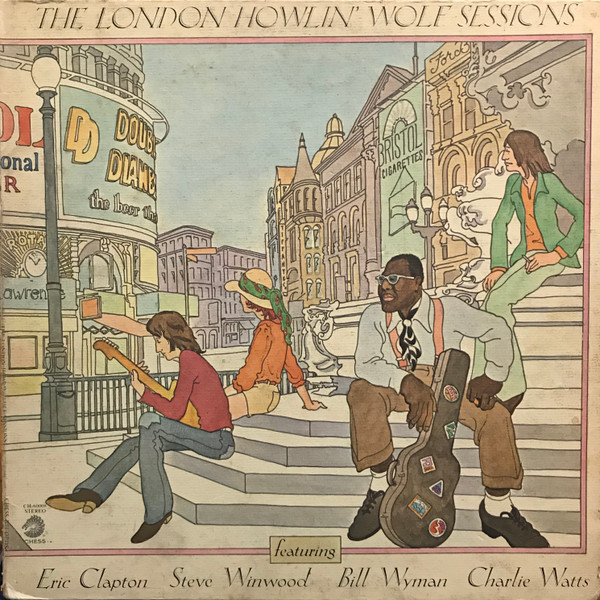
The London Howlin' Wolf Sessions
1971

Moanin' In The Moonlight
1959

Howlin' Wolf
1962

The Howlin' Wolf Album
1969

The Super Super Blues Band
1967

The Real Folk Blues
1966

Chester Burnett A.K.A. Howlin' Wolf
1972

The Best Of Howlin' Wolf
2014
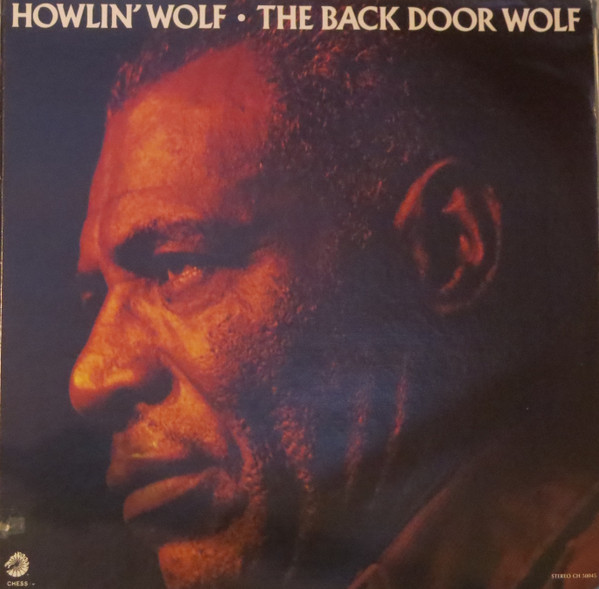
The Back Door Wolf
1973

Live And Cookin' At Alice's Revisited
1972
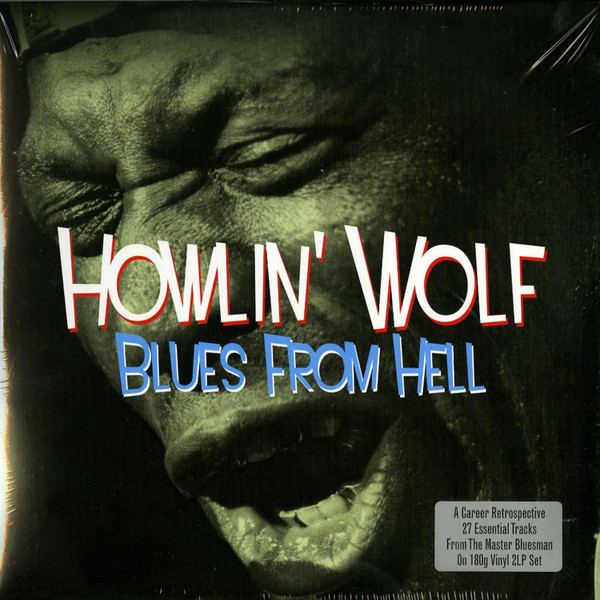
Blues From Hell
2011

Howlin' Wolf / Moanin' In The Moonlight
1986
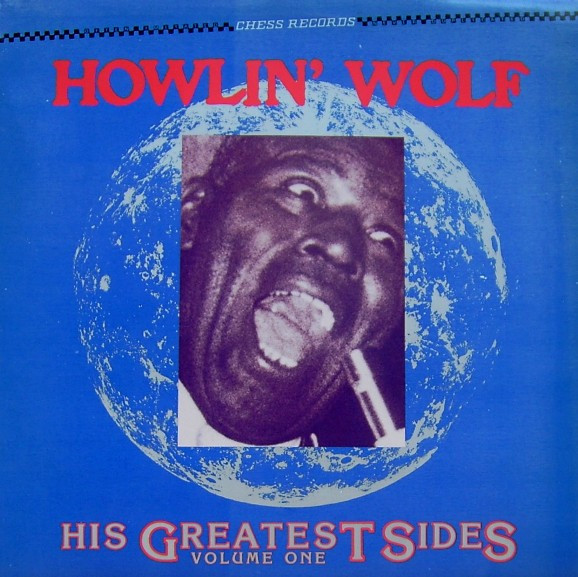
His Greatest Sides, Volume One
1983
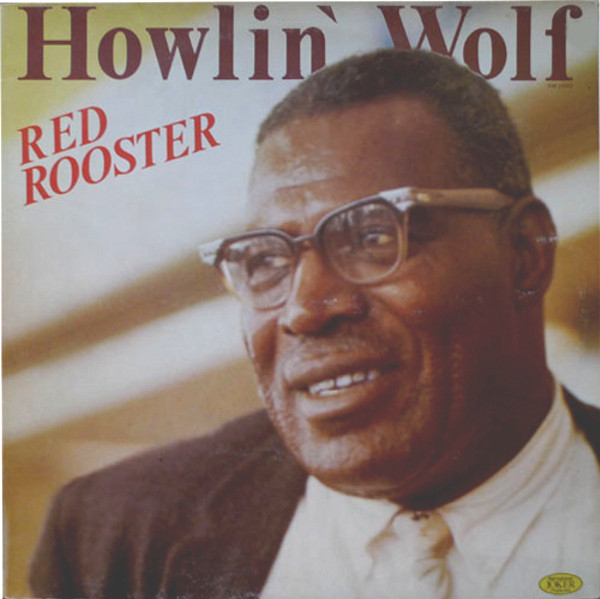
All Night Boogie
1981

Evil / Tail Dragger
1969

My Mind Is Ramblin'

The Collection
2000

His Best
1997
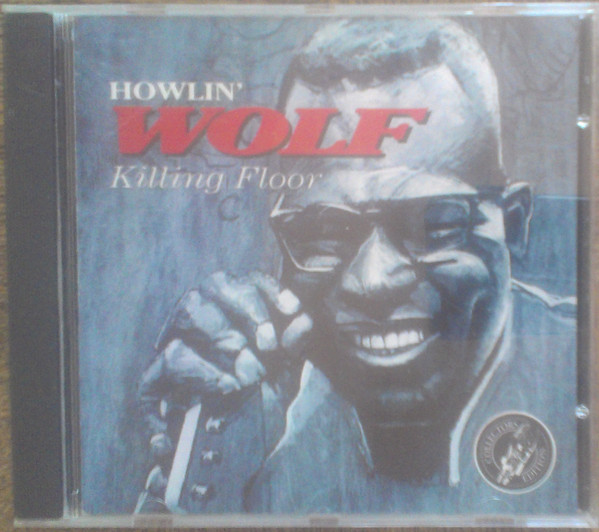
Killing Floor
1996
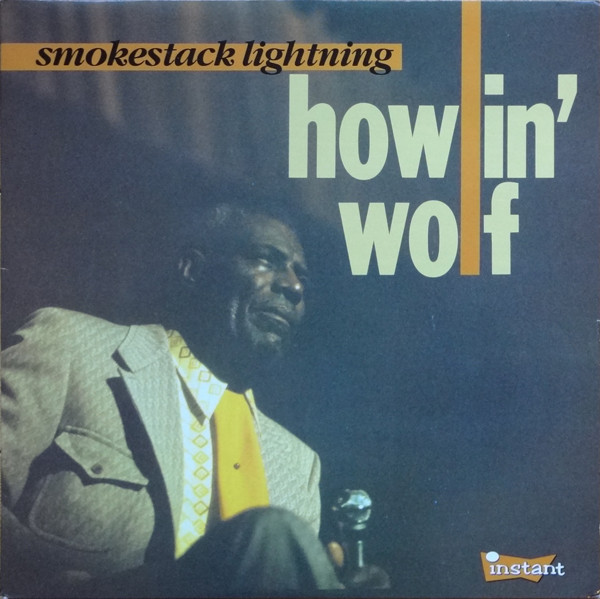
Smokestack Lightning
1990

Message To The Young
1971

Love Me Darling / My Country Sugar Mama
1965

Going Back Home

The Rough Guide To Blues Legends: Howlin' Wolf (Reborn And Remastered)
2012
Around the web
Follow every record they touch.
Start your shelf and Gatefold tracks Howlin’ Wolf's new pressings, tour dates, and the whole discography — automatically.
Start your shelf →Free forever. Works with 10 records or 10,000.