
Artist
The Hollies
Manchester, United Kingdom · Formed 1963
The Hollies is a music group from Manchester, United Kingdom, active since 1963. Their discography on Gatefold includes 24 records.

47
Albums tracked
101
In collections
1963
Since
Biography
Ron Richards spent years at EMI trying to turn these Manchester kids into a hits machine, and for a while, he succeeded by leaning on their terrifyingly precise three-part harmonies. While every other British Invasion band was trying to be the Stones, The Hollies were obsessed with being the Everly Brothers with better gear. They were the ultimate singles band, popping off melody after melody at Abbey Road, but they lacked the internal gravity to stay weird for long. Graham Nash eventually got tired of the pop treadmill and bolted for Laurel Canyon, leaving the band to figure out if they were a cabaret act or a serious rock outfit. They hit a bizarre stride in the early seventies where they went from psych-pop rejects to heavy-hitter balladeers. It’s a messy catalog full of brilliance and absolute fluff, usually dictated by whoever was winning the argument in the studio that day.
Bio from The Clerk
The Arc of The Hollies
The pivots — what forced The Hollies to reinvent.
The Abbey Road Hit Factory
Between 1963 and 1966, the band was essentially a high-functioning engine for producer Ron Richards, cranking out covers and tight originals like 'Bus Stop.' The addition of Bobby Elliott on drums changed the physics of the band, providing a jazz-influenced swing that kept their bubblegum leanings from sounding too thin. You hear it in the frantic energy of 'I'm Alive,' where the vocal blend is so tight it sounds like a single, multi-tracked supernatural voice. This was the era of the matching suits and the relentless pursuit of the two-minute-thirty-second radio gem.
The Psychedelic Fracture
By 1967, Nash was pushing for experimentation on 'Evolution' and 'Butterfly,' experimenting with sitars and more abstract lyricism while the rest of the band stayed grounded in pop structure. The tension peaked during the 'King Midas in Reverse' sessions, a gorgeous, ambitious track that failed to chart as high as their simpler hits, bruising the band's confidence. When the group decided to record an album of Dylan covers to play it safe, Nash saw the writing on the wall and headed for the airport. The split forced the band to replace their primary creative spark with Terry Sylvester and lean harder into a muscular, polished rock sound.
The Swamp-Pop Pivot
After the Dylan detour, the band surprisingly found a second life by ditching the flowery psych vibes for a darker, more rhythmic approach. They decamped to AIR Studios and stumbled into 'Long Cool Woman (In a Black Dress),' where Allan Clarke channeled John Fogerty over a distorted, swampy riff that didn't sound anything like their 1964 output. This version of the band was more anonymous but arguably more powerful, trading the delicate harmonies for a grit that allowed them to survive the early seventies FM radio shift. Even when Clarke briefly left and was replaced by Mikael Rickfors, the band maintained this heavy, adult-contemporary-meets-pub-rock aesthetic.
Influences
- The Everly Brothers — The band famously covered 'Bye Bye Love' early on and based their entire vocal architecture on the Don and Phil template. You hear it in the parallel thirds and the way Nash and Clarke locked their phrasing. It’s the DNA of their whole career.
- Buddy Holly — They literally named the band after him and eventually recorded a full tribute album in 1980. The clean, melodic guitar figures Tony Hicks played were a direct evolution of Holly’s Stratocaster style. They took the 1950s pop-rock blueprint and just polished the hell out of it.
- Maurice Williams & the Zodiacs — The Hollies covered 'Stay' for their debut album, which became a foundational hit for them in the UK. They ripped the high-tenor delivery from Williams and made it a permanent fixture of their sound. It’s the source of that 'screaming but in tune' energy they brought to the early singles.
- The Shadows — Tony Hicks has cited the Shadows as a massive influence on his early technique and gear choices. You can hear that clean, shimmering British surf-rock tone all over the early Hollies records before the fuzz pedals arrived. They provided the standard for what a professional UK touring band should sound like.
- The Coasters — They covered 'Searchin'' and 'Ain't That Just Like Me' during their first sessions at Abbey Road. The band obsessed over the theatricality and tight rhythmic timing of these Leiber and Stoller productions. It gave their early R&B covers a Vaudeville snap that separated them from the more blues-obsessed London bands.
Discography
Their records — most-collected first.

The Hollies' Greatest Hits
1973

Evolution
1967

The Hollies' Greatest Hits
1967

Hollies
1974
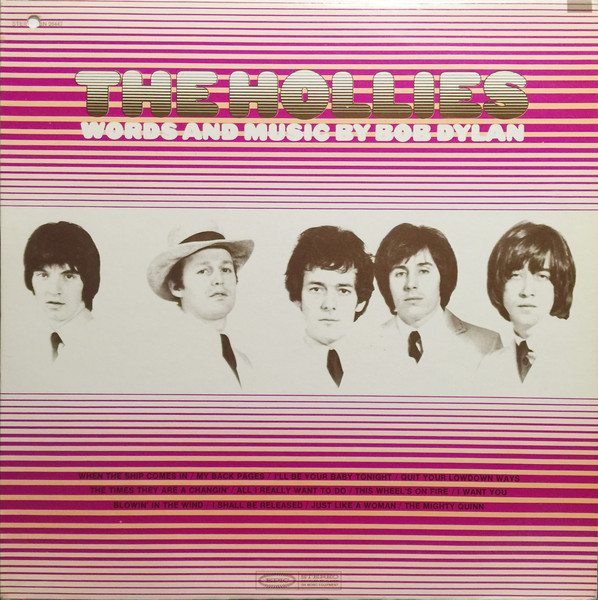
Hollies Sing Dylan
1969

20 Golden Greats
1978

The Air That I Breathe
1974
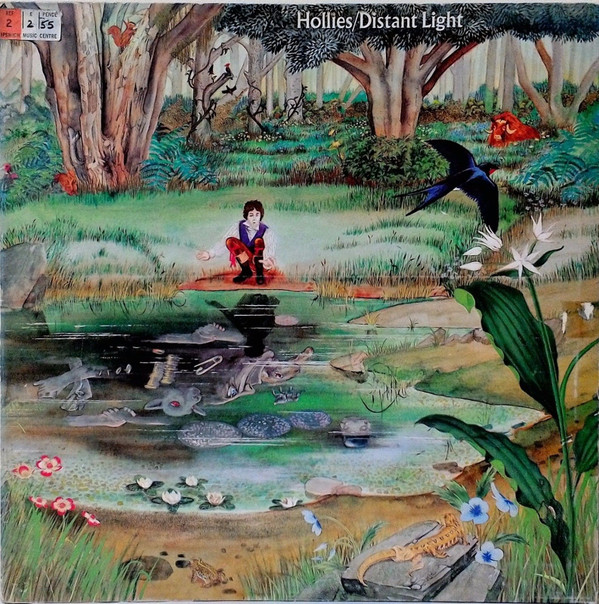
Distant Light
1971
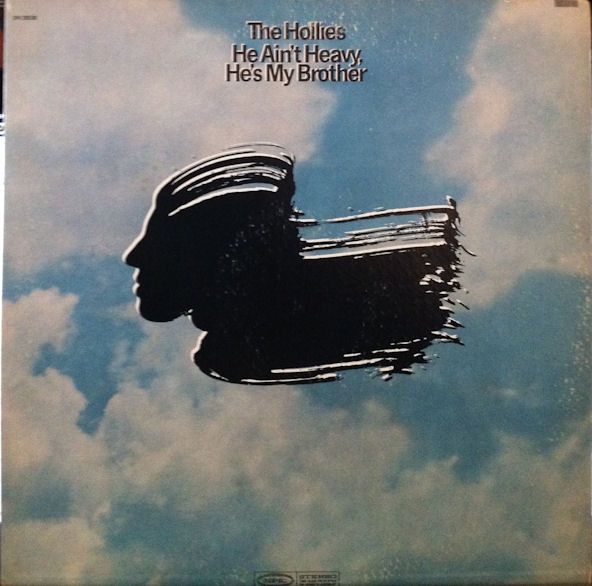
He Ain't Heavy, He's My Brother
1969
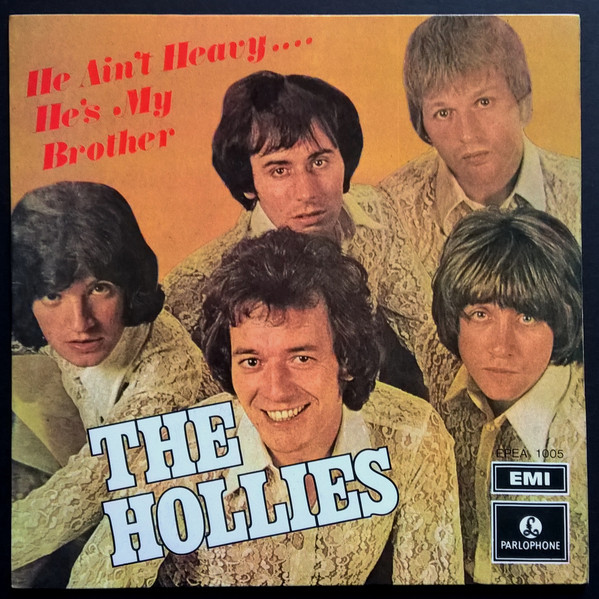
He Ain't Heavy .... He's My Brother
1969

Greatest Hits
2003

The History Of Rock (Volume Seven)
1982

Best Of The Hollies (1964-75)
1975

Dear Eloise / King Midas In Reverse
1967

For Certain Because...
1966
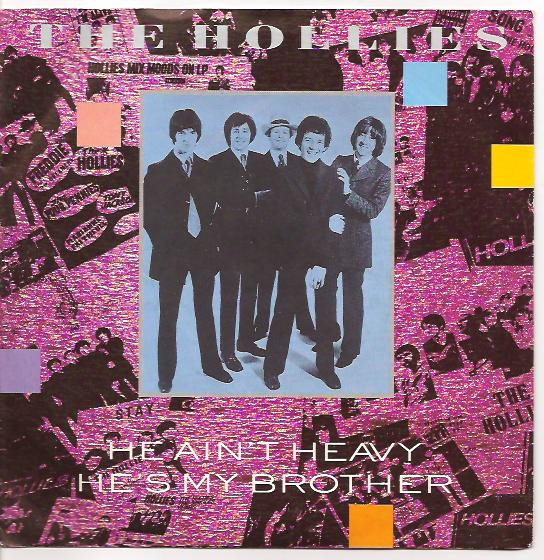
He Ain't Heavy...He's My Brother / Carrie
1988

Hallo! The Hollies! (Ihre 20 Größten Hits)
1979

Romany
1972
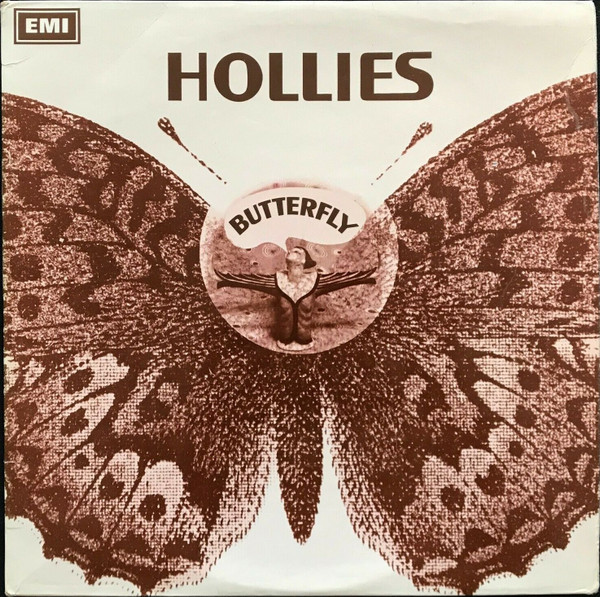
Butterfly
1967

Then, Now, Always
2009

Singles A's & B's 1970-1979
1993

All The Hits And More - The Definitive Collection
1988
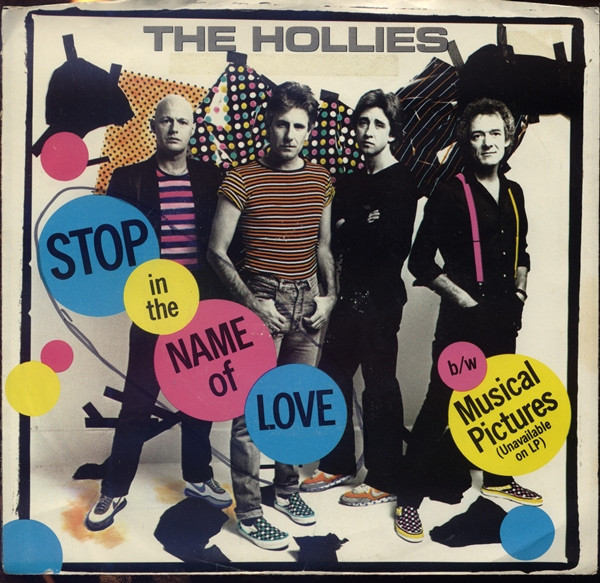
Stop In The Name Of Love
1983

Pop Heroes
1981
Related artists
Around the web
Follow every record they touch.
Start your shelf and Gatefold tracks The Hollies's new pressings, tour dates, and the whole discography — automatically.
Start your shelf →Free forever. Works with 10 records or 10,000.