
Artist
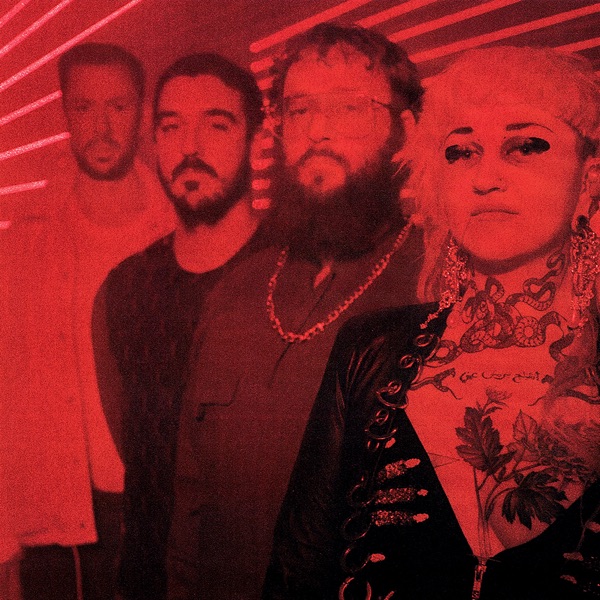
Hiatus Kaiyote
Australian neo‐soul group
Melbourne, Australia · Formed 2011
Hiatus Kaiyote is a music group from Melbourne, Australia, active since 2011. Their discography on Gatefold includes 5 records.
5
Albums tracked
55
In collections
2011
Since
Biography
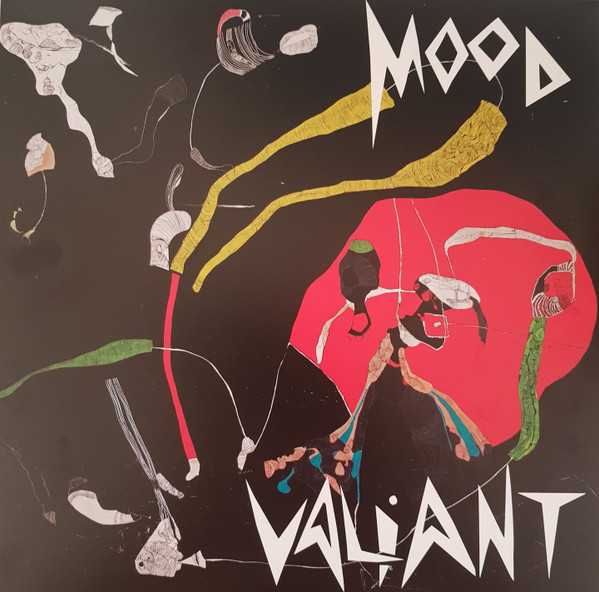
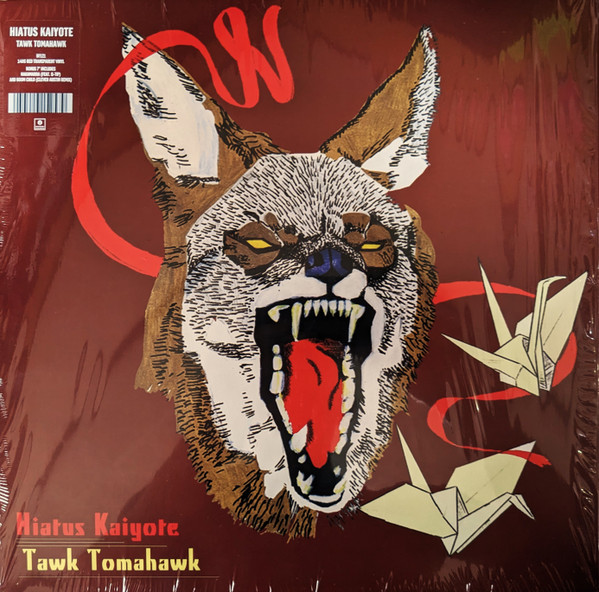
Nai Palm was gigging solo with an acoustic guitar around Melbourne before she linked up with Bender, Mavin, and Moss. They tracked Tawk Tomahawk in a home studio setup with basically zero budget and a lot of borrowed gear. It wasn't some slick major label operation—it was four nerds in a room trying to figure out how to play polyrhythms without losing the groove. When Questlove and Erykah Badu started tweeting about them, the industry lost its mind trying to figure out how a bunch of Australians captured that specific Dilla-adjacent pocket so perfectly. Then things got heavy when Nai Palm got hit with a breast cancer diagnosis in 2018. That reality check completely stripped away the polished session-player veneer for their third record. They stopped trying to prove how technically proficient they were and started leaning into the weird, jagged edges of the arrangements. It’s the difference between a band playing at you and a band playing for their lives. No more hiding behind complex signatures for the sake of it—Mood Valiant feels like a collective exhale after holding their breath for three years.
Bio from The Clerk
The Arc of Hiatus Kaiyote
The pivots — what forced Hiatus Kaiyote to reinvent.
The Bandcamp Breakthrough
Tawk Tomahawk was an independent release that bypassed every traditional gatekeeper because the musicianship was undeniable. Paul Bender was producing the sessions himself, focusing on a raw, dry drum sound that felt more like a sampled break than a live kit. This era is defined by that 'Nakamarra' vibe—stripped back, focused on Nai Palm’s vocal phrasing, and heavily indebted to the late-night beat-making culture of the early 2010s. You hear the limitations of the home studio in the best way possible, where every synth choice feels deliberate because they didn't have fifty different outboard options.
The Maximalist Expansion
Choose Your Weapon saw the band moving into a professional space with a much larger sonic palette and a sprawling 70-minute runtime. They were suddenly working with more complex layering, bringing in cinematic transitions and heavy synth-bass textures that blurred the lines between jazz and video game soundtracks. The sessions became an exercise in technical endurance, pushing the limits of what a four-piece could execute live without backing tracks. It is a dense, sometimes overwhelming record that proved they weren't just a one-hit neo-soul fluke.
The Verocai Pivot
After years of touring and health scares, the band traveled to Brazil to record with legendary arranger Arthur Verocai. Getting Verocai to write strings and horns for Mood Valiant shifted their entire gravity away from the frantic energy of their earlier work. The arrangements opened up, favoring lush, psychedelic textures over the jittery polyrhythms of their mid-career output. It grounded the band in a 1970s MPB tradition, making the record feel like a collaboration with history rather than just another modern soul project.
Influences
- J Dilla — The band has explicitly cited Dilla’s 'Donuts' as a blueprint for their rhythmic approach. You hear it in Perrin Moss’s drumming, which mimics the unquantized, slightly off-kilter swing of an MPC3000. It is the foundation of their entire 'pocket' philosophy.
- Erykah Badu — Badu was one of their earliest public champions and a massive vocal touchstone for Nai Palm's slurred, jazz-inflected delivery. The influence is undeniable on tracks like 'Breathing Underwater,' where the vocal melody floats independently of the rigid bassline. She basically gave them the permission to be weird.
- Arthur Verocai — They loved his self-titled 1972 masterpiece so much they flew to Rio just to get him on their record. You hear his DNA in the sprawling string arrangements and the sun-drenched acoustic textures on Mood Valiant. He's the reason they moved toward a more cinematic, orchestral sound.
- Stevie Wonder — Simon Mavin’s synth work frequently references the TONTO-era Stevie records like Innervisions. The way they use the Moog as a lead melodic instrument instead of just background padding comes straight from the '70s Stevie playbook. It’s about the warmth of the analog patch.
- Björk — Nai Palm has frequently mentioned Björk’s 'Homogenic' as a major influence on her songwriting and vocal layering. You hear this in the way the band treats the voice as a rhythmic texture rather than just a vehicle for lyrics. It’s that avant-pop sensibility applied to a soul quartet.
Discography
Their records — most-collected first.


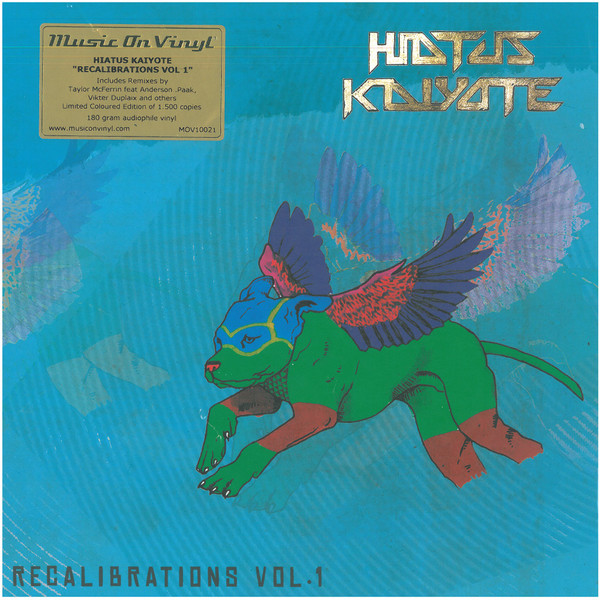
Related artists
Around the web
Follow every record they touch.
Start your shelf and Gatefold tracks Hiatus Kaiyote's new pressings, tour dates, and the whole discography — automatically.
Start your shelf →Free forever. Works with 10 records or 10,000.