
Artist
Henry Franklin
American jazz double-bassist
Los Angeles, United States · b. 1940
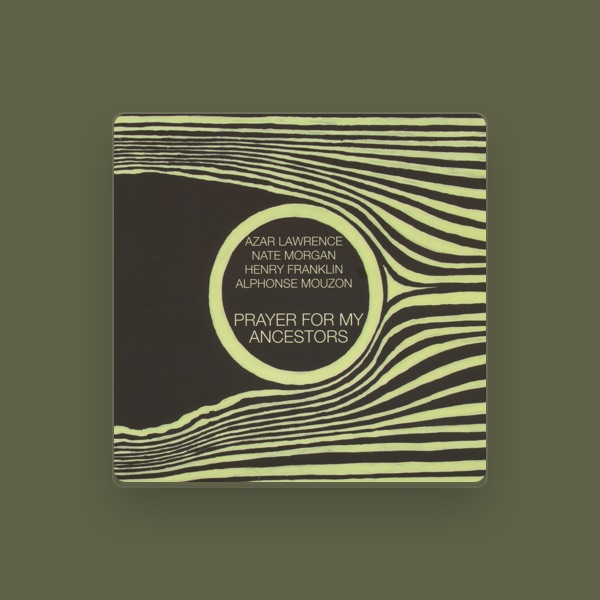
Henry Franklin is a musician from Los Angeles, United States, active since 1940. Their discography on Gatefold includes 4 records. They also recorded with Gerry Mulligan Quartet and Hampton Hawes Trio.
21
Albums tracked
32
In collections
1940
Since
Biography
Gene Russell tracked The Skipper on an almost non-existent indie budget in 1972, but Henry Franklin’s upright cuts right through the center of the mix like a lead horn. Nobody was babying the low end on those Black Jazz dates. Franklin pulled Oscar Brashear and Charles Owens into the room, leaned on Bill Henderson’s Fender Rhodes, and walked the entire session forward with an aggressive, wooden pulse that sounded like it wanted to kick down the doors of the majors. He did not play the bass like an anchor. He played it like an engine. The industry tried to bury guys like Franklin in the eighties when the acoustic jazz market evaporated. He responded by cutting sides for tiny imprints like Dennis Gonzalez's Daagnim label, playing sessions for Stevie Wonder, and launching Skipper Productions so nobody could tell him how to mix his strings. He stayed working, gritty, and fiercely independent while the majors chased sleek pop-jazz fluff.
Bio from The Clerk
The Arc of Henry Franklin
The pivots — what forced Henry Franklin to reinvent.
The Black Jazz Manifestos
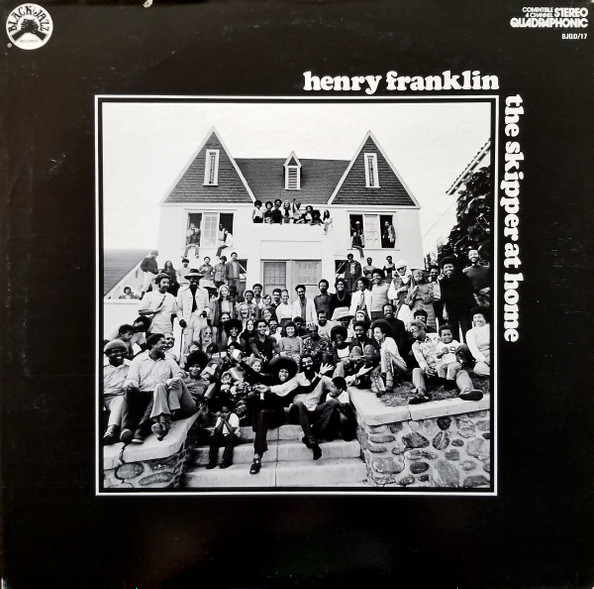
Gene Russell co-founded Black Jazz Records to bypass the white corporate gatekeepers, and Franklin instantly became the label's rhythmic spine. Cut in 1972, The Skipper brought hard-bop drive into modal, spiritually charged arrangements alongside players like Charles Owens and Oscar Brashear. Two years later, Franklin leveled up with The Skipper at Home, dragging Leon 'Ndugu' Chancler and Kirk Lightsey into the room for a sprawling, electric set that leaned harder into polyrhythmic funk. The tracks were loose, heavy, and completely unbothered by commercial radio demands.
Underground Imprints and Sideman Hustle
After Black Jazz folded, Franklin hit the regional circuit and did not wait around for an offshore major to call. He took the crew to Dallas to cut We Came to Play (The Skipper .... And Crew) for Dennis Gonzalez's Daagnim Records in 1985, chasing a fiery mix of post-bop and Latin jazz alongside tenor titan Marchel Ivery. He survived the lean jazz years of the late seventies and eighties through pure session grit, even laying down double bass on Stevie Wonder's mammoth Journey Through the Secret Life of Plants. It was about keeping the chops sharp and the bills paid on his own terms.
Skipper Productions and Post-Bop Autonomy
Tired of dealing with outside distributors and dying labels, Franklin took total control of his masters by launching Skipper Productions. Releases like 1998's The Hunter proved he had zero interest in chasing the smooth-jazz radio trend that was choking out record stores at the time. He kept the upright acoustic, front and center, trading fiery, unadorned hard-bop lines with trusted West Coast vets. The production was dry, unvarnished, and completely loyal to the acoustic tradition.
The Indie Hard-Bop Grind
Entering the new millennium, Franklin bounced between boutique labels like WJ3 and Beezwax while maintaining a relentless performance calendar. He dropped Sakura in 2002 and followed it fast with Ears Wide Open in 2003, showing off a muscular tone that had only deepened with decades on the road. The arrangements stayed lean, anchored by Franklin's huge, walking pocket and relentless drive. It was pure, no-nonsense hard-bop made for small rooms rather than festival hype.
The Analog Crate-Digger Renaissance
A whole new generation of hip-hop heads and crate-diggers spent decades hunting original Black Jazz wax, setting the stage for Franklin's late-career revival. In 2022, he linked up with Erik Jekabson and Gregory Howe for Daggerboard & The Skipper, bridging acoustic hard-bop with cinematic production. Later that same year, Adrian Younge and Ali Shaheed Muhammad brought him into their Linear Labs studio for Henry Franklin JID014, putting him in front of vintage tape machines to cut brand-new, psychoactive jazz-funk. The old man stepped up to the mic and sounded as lethal as he did in 1972.
Influences
- Hampton Hawes — Franklin put in heavy road and studio work as the anchor of the Hampton Hawes Trio long before launching his own leader career. You hear that West Coast hard-bop discipline all over the pacing on The Skipper. Hawes taught him how to keep an intense bounce without crowding the piano player.
- Charles Mingus — Franklin approached the upright bass as a percussive, dominant frontline voice rather than polite background wallpaper. Listen to his combative, wood-snapping attack on 'Plastic Circle' from The Skipper and the lineage straight back to Mingus is undeniable. It is bass playing designed to direct traffic, not just hold the root.
- Paul Chambers — The fluid, dead-accurate walking basslines that define Franklin's uptempo bop tracks trace directly to Chambers' foundational work with Miles Davis. You hear that seamless timekeeping engine running hot throughout Franklin's 2003 dates on Ears Wide Open. Chambers wrote the book on modern post-bop walking, and Franklin read every damn page.
- Gerry Mulligan — Franklin held down the bass chair in the Gerry Mulligan Quartet, absorbing the master baritone player's deep command of counterpoint and melodic space. That clean, lyric-minded low end directly informs the spacious charts on The Skipper at Home. It gave him an ear for arrangement that kept his later big ensembles from sounding cluttered.
- Hugh Masekela — Franklin toured and recorded with the exiled South African trumpet legend in the late 1960s, soaking up township grooves and polyrhythmic African cadences. You can hear those infectious, rolling Afro-jazz rhythms exploding all over Franklin's composition style on his 1970s dates like Tribal Dance. It completely loosened his swing from standard American 4/4 confines.
Henry Franklin — solo
Their records — most-collected first.



Gerry Mulligan Quartet
A project Henry Franklin was part of.

What Is There To Say?
1959
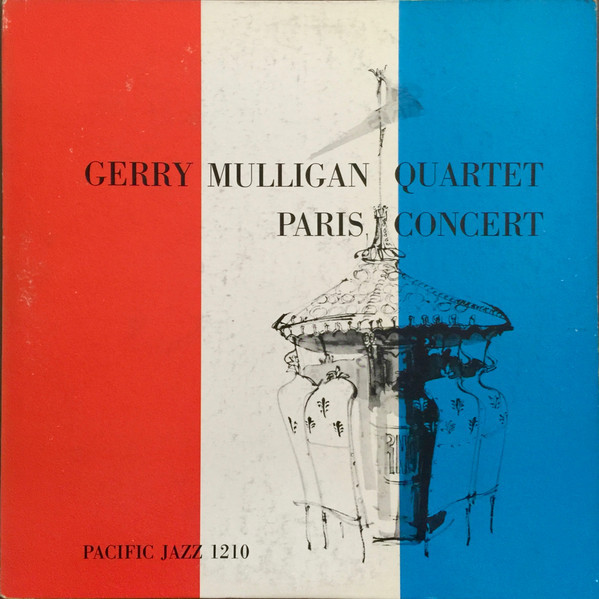
Paris Concert
1955

Spring Is Sprung
1963

Soft Shoe
2004

The Gerry Mulligan Quartets In Concert
2001

Dragonfly
1995

Dream A Little Dream
1994

Gerry Mulligan Quartet
1991

A Night In Rome Vol. 1
1990

Paris 1954 / Los Angeles 1953
1987

Reunion With Chet Baker
1958
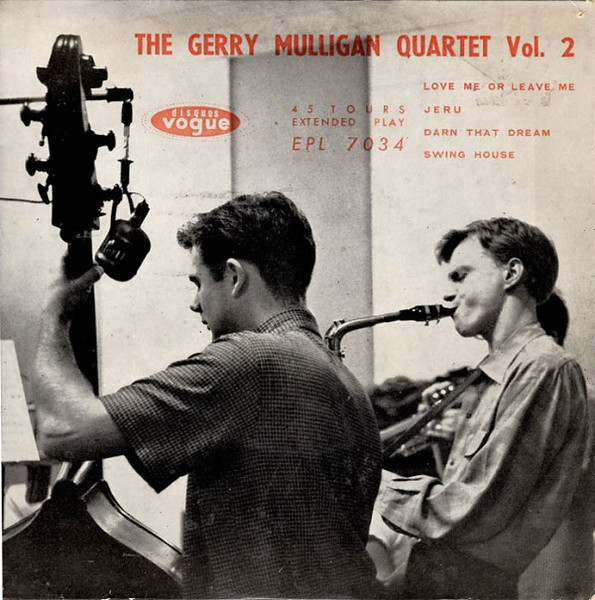
The Gerry Mulligan Quartet Vol. 2
1955

Gene Norman Presents The Gerry Mulligan Quartet
1954
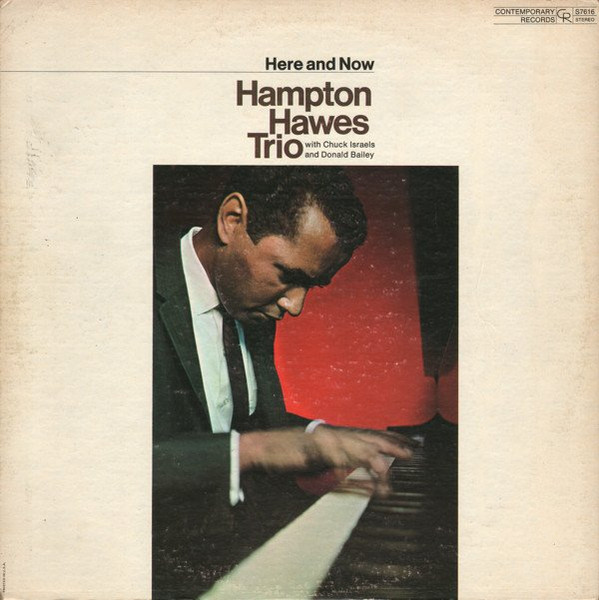
Hampton Hawes Trio
A project Henry Franklin was part of.



Related artists
Frequent collaborators
Around the web
Follow every record they touch.
Start your shelf and Gatefold tracks Henry Franklin's new pressings, tour dates, and the whole discography — automatically.
Start your shelf →Free forever. Works with 10 records or 10,000.