
Artist
Helmet
US alternative metal band
New York City, United States · Formed 1989
Helmet is a music group from New York City, United States, active since 1989. Their discography on Gatefold includes 21 records.

21
Albums tracked
163
In collections
1989
Since
Biography
Page Hamilton showed up to New York with a jazz degree and a custom ESP guitar he didn't even have a case for. Most bands in '89 were either trying to be Jane's Addiction or falling down the grunge well, but Helmet was about surgical precision and drop-D math. They tracked Strap It On for Amphetamine Reptile with Wharton Tiers, and it sounded like a factory floor—cold, rhythmic, and physically punishing. It wasn't about the hair or the lifestyle; it was about the snare crack and the silence between the chords. Then Interscope handed them a million-dollar deal because every suit in LA thought they were the next Nirvana. They weren't. They were too disciplined for that shit. Page ran that band like a drill sergeant, demanding every downstroke hit at the exact same millisecond. It made for some of the tightest records of the nineties, but that kind of friction eventually burns out the bearings. By the time they hit the late nineties, the original machine was seizing up from the inside.
Bio from The Clerk
The Arc of Helmet
The pivots — what forced Helmet to reinvent.
The AmRep Grind
Before the major label bidding war, the band was anchored in the gritty Minneapolis-via-NYC noise scene centered around Tom Hazelmyer’s Amphetamine Reptile label. Working with producer Wharton Tiers at Fun City Studios, they stripped away all the classic rock fat to focus on the staccato interplay between John Stanier’s incredible drumming and Page’s jazz-inflected chords. This era is defined by a lack of ego—just four guys in t-shirts playing grooves that felt like a pneumatic drill. You hear it in the raw, unpolished midrange of Strap It On, where the riffs have zero breathing room.
The Million-Dollar Precision
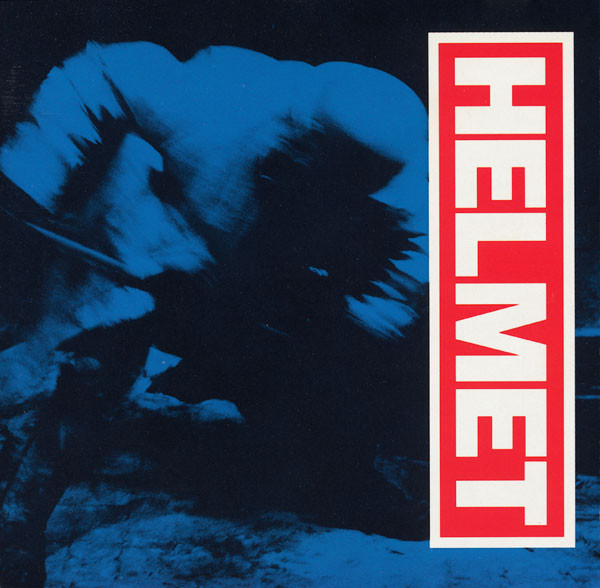
Moving to Interscope for Meantime changed the stakes, bringing in Andy Wallace to mix a record that sounded like it was forged in a steel mill. Wallace, fresh off mixing Nevermind, gave Hamilton’s riffs a massive, hi-fi weight that made the stop-start dynamics hit like a car crash. This was the peak of their commercial power, where the band’s obsession with syncopation and technical proficiency turned them into a stadium-sized anomaly. Every single snare hit on Meantime is a violent event, proving that you could be clinical and heavy as hell at the same time.
The Betty Diversion
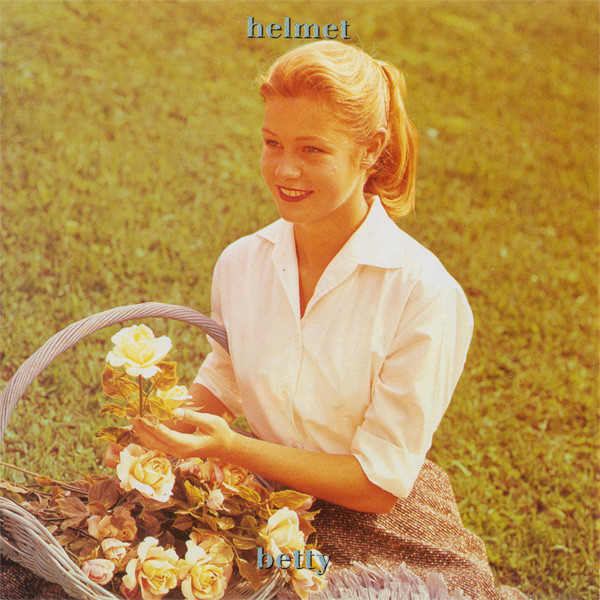
After the success of Meantime, the band leaned into their weirder, avant-garde tendencies by bringing in T-Ray to produce Betty at the Hit Factory. They started messing with blues covers, jazz progressions, and even some funkier, off-kilter grooves that confused the hell out of the kids waiting for 'Unsung' part two. It was the sound of a band trying to prove they weren't just a one-trick riff machine, adding texture and color to the grey concrete of their previous sound. It’s arguably their best work because it shows the cracks in the armor and the actual humans behind the instruments.
The Post-Stanier Reshuffle
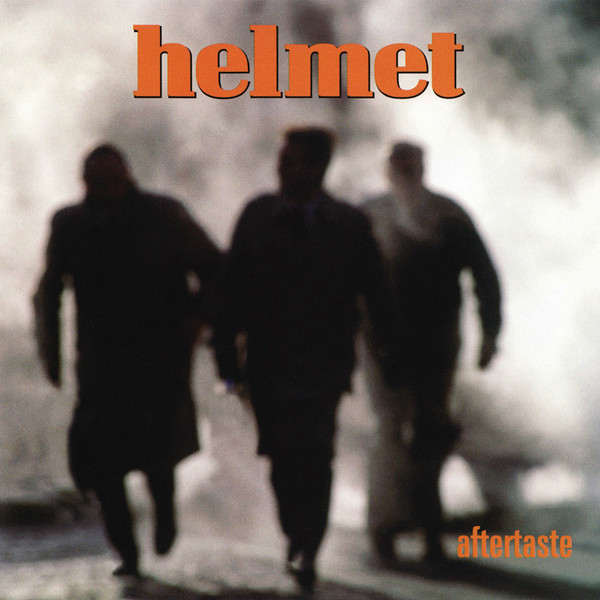
The original lineup fractured after 1997’s Aftertaste, leading to a long silence before Page revived the name in 2004 with a rotating cast of heavy hitters. Recruiting Frank Bello from Anthrax and John Tempesta on drums for Size Matters changed the DNA of the band, moving away from the idiosyncratic swing of Stanier toward a more straightforward, muscular metal approach. The production got slicker and the jazz-chords took a backseat to more conventional songwriting. While the riffs are still there, the records from this period feel like a solo project with a high-budget backing band rather than the telepathic unit of the early nineties.
Influences
- Glenn Branca — Hamilton played in Branca’s guitar orchestra and studied the way massive volume and microtonal tunings could create physical overtones. You hear this in the way Helmet’s chords ring out with a metallic, dissonant shimmer that feels larger than a standard power chord. It’s the sound of high-art theory meeting low-end dirt.
- Killing Joke — Page has repeatedly cited Geordie Walker’s rigid, rhythmic guitar style and the band’s cold, industrial atmosphere as a primary blueprint. The mechanical, repetitive nature of Helmet's grooves is a direct descendant of the post-punk precision found on records like What's THIS For...!. It's the same dread, just tuned lower.
- Led Zeppelin — John Stanier's drumming style is a massive nod to John Bonham, specifically the way he plays slightly behind the beat to give the heavy riffs more room to breathe. You hear it in the swing of 'In the Meantime,' which wouldn't work if the drums were played straight. It’s the Bonham stomp applied to a New York noise-rock session.
- Wire — The band’s obsession with brevity and 'no-filler' songwriting comes straight from Wire’s Pink Flag era. Page loved the way Wire could deliver a complete musical idea in two minutes and then just stop. That lack of traditional rock indulgence is why Helmet tracks feel so concentrated and lethal.
- John Coltrane — As a trained jazz guitarist, Hamilton looked to Coltrane’s 'sheets of sound' and vertical improvisational style for his soloing. Instead of standard blues scales, Helmet solos are often frantic, chromatic bursts of energy that mirror the intensity of a free-jazz sax workout. It's high-level theory disguised as a freak-out.
Discography
Their records — most-collected first.
Meantime
1992
Betty
1994
Aftertaste
1997

Strap It On
1990

Born Annoying
1989

Unsung
1991
Unsung: The Best Of Helmet (1991-1997)
2004
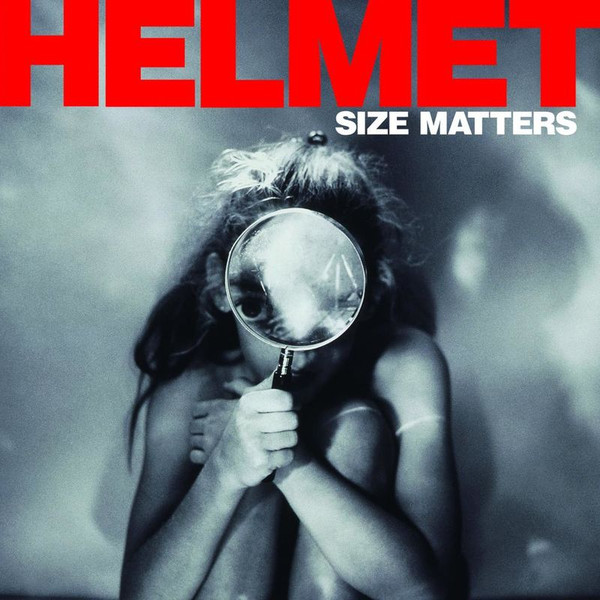
Size Matters
2004

Biscuits For Smut
1994
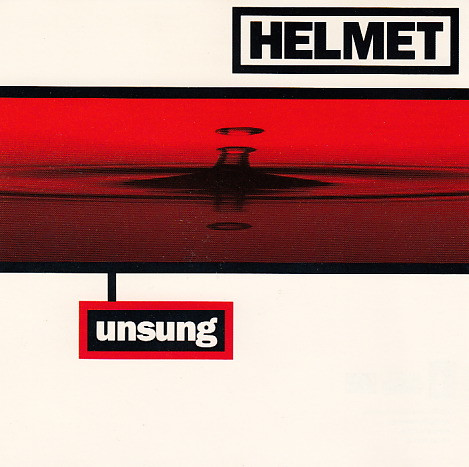
Unsung
1992

Just Another Victim
1993

Move On
2021

Stuck
2015

Monochrome
2006

Wilma's Rainbow EP
1994

Previously Unreleased Tracks
1992

Left
2023

Live And Rare
2021

Dead To The World
2016

Seeing Eye Dog
2010
Born Annoying
1995
Related artists
Around the web
Follow every record they touch.
Start your shelf and Gatefold tracks Helmet's new pressings, tour dates, and the whole discography — automatically.
Start your shelf →Free forever. Works with 10 records or 10,000.