
Artist
Hayley Williams
Paramore vocalist
Meridian, United States · b. 1988
Hayley Williams is a musician from Meridian, United States, active since 1988. Their discography on Gatefold includes 4 records. They also recorded with Paramore.

20
Albums tracked
458
In collections
1988
Since
Biography
Atlantic Records originally signed Hayley Williams as a solo pop artist when she was fourteen, and she flatly refused the pop-princess playbook to drag a real rock band into the room instead. For fifteen years she was the undeniable engine and focal point of Paramore, taking every blow that comes with Warped Tour sexism, messy public lineup splits, and the suffocating label of being a teenage scene queen. When she finally stepped out on her own in 2020, she didn't call up Swedish hitmakers or pivot to generic radio bait. She holed up with Taylor York at East Iris in Nashville to dissect depression, rage, and divorce over syncopated basslines and fractured art-pop. The real turn came when she stripped every safety net away. On her second solo outing, she didn't even keep the band around to track guitars. She recorded in her living room, wrote every line herself, and tracked every drum hit, acoustic chord, and piano run without outside hands. It killed off the lingering myth that she was just a powerhouse voice executing other people's arrangements. Williams turned her solo run into an unvarnished masterclass in self-reliance, proving she could command a record with a whisper just as effortlessly as a four-octave belt.
Bio from The Clerk
The Arc of Hayley Williams
The pivots — what forced Hayley Williams to reinvent.
The Art-Pop Deconstruction
Stepping out from Paramore's shadow after an exhausting tour cycle, Williams used 2020 to release Petals for Armor, initially rolled out in staggered bursts with the EPs Petals for Armor I and Petals for Armor II. Co-produced with Taylor York at East Iris Studios in Nashville, the record ditched roaring guitars for slinky bass grooves, nervous percussion, and Björk-adjacent experimental pop. Tracks like 'Simmer' and 'Dead Horse' laid bare her personal wreckage, turning anger into a measured, rhythmic exercise rather than an arena-rock outburst. She capped the year by stripping it right down to bare wood on the acoustic EP Petals for Armor: Self-Serenades.
The Solitary Quarantine Tapestry
Locked inside her Nashville home during the pandemic, Williams bypassed her bandmates entirely for the first time on FLOWERS for VASES / descansos. Bringing in producer Daniel James to engineer, she wrote every song and played every single instrument on the record herself. The sprawling art-pop was traded for fragile acoustic guitars, muted drums, and raw indie folk that felt like overhearing a diary entry. It proved she had the chops to build a record from the floorboards up without leaning on rock dynamics.
The Dark Tongue-in-Cheek Left Turn
Heading into 2025's Ego Death at a Bachelorette Party, Williams pushed past the quiet mourning of her lockdown folk into a sharper, more cynical frame of mind. The record caught her dissecting modern feminine rituals, aging out of youth culture, and the absurdity of adult milestones with dry gallows humor. The sonic palette tightened, trading acoustic introspection for biting riffs and jagged, rhythm-forward arrangements. It framed her not just as an introspective survivor, but as an acerbic, razor-sharp observer of modern social rot.
Influences
- Björk — Williams cited Björk's rhythm-heavy vulnerability and vocal elasticity as a primary compass while putting Paramore's angst aside to map out her solo arrangements. You hear the Scandinavian titan's DNA all over the twitchy electronic textures, layered whispers, and syncopated vocal phrasing on 'Simmer'. It was the blueprint for how to channel visceral dread without shouting over a wall of distorted guitars.
- Talking Heads — Williams was obsessed with Stop Making Sense, frequently praising David Byrne's jittery funk-rock rhythms before eventually collaborating with Byrne directly on tribute material. That nervous, polyrhythmic low-end drive anchors the funk-leaning arrangements throughout Petals for Armor. Byrne gave her permission to make emotional turmoil danceable instead of miserable.
- The Cure — Williams has repeatedly credited Robert Smith's bittersweet dynamic—marrying devastating, tear-stained lyricism to buoyant, jangly pop hooks—as a lifelong foundation. You hear that exact tension bleeding through the bouncy bounce and bleak marital dissection of 'Dead Horse'. Smith showed her that despair hits harder when the listener is tapping their foot.
- Slick Shoes — Coming up in the underground rock world, Williams regularly namechecked the 90s Tooth & Nail melodic punk roster as her teenage fuel for learning breath control and fast vocal attacks. That crisp, lightning-fast pop-punk inflection never fully left her delivery, even when she stripped things back to indie-pop tempos. It's the foundational muscle memory that kept her vocal phrasing urgent.
- Tori Amos — Williams cited 90s alt-rock piano powerhouses like Amos as a major influence for tackling trauma and female rage behind an acoustic instrument. That stark, unflinching lyrical confessionalism and unadorned keyboard playing directly drive tracks like 'Good Grief' on FLOWERS for VASES / descansos. Amos provided the roadmap for laying down unvarnished grief without hiding behind a rhythm section.
Hayley Williams — solo
Their records — most-collected first.



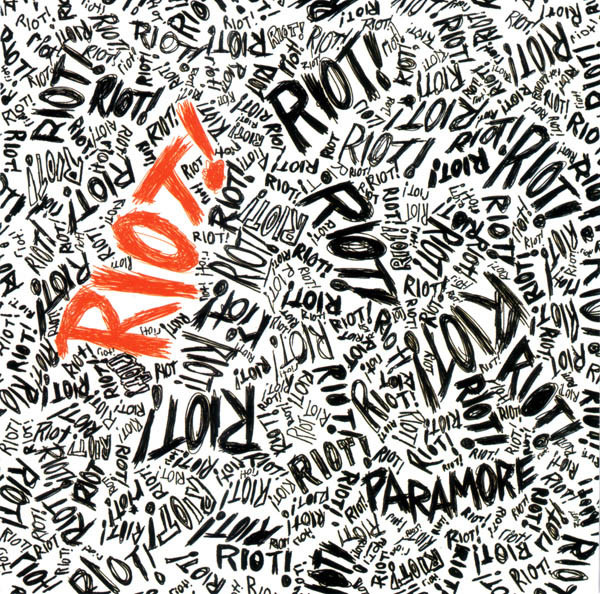
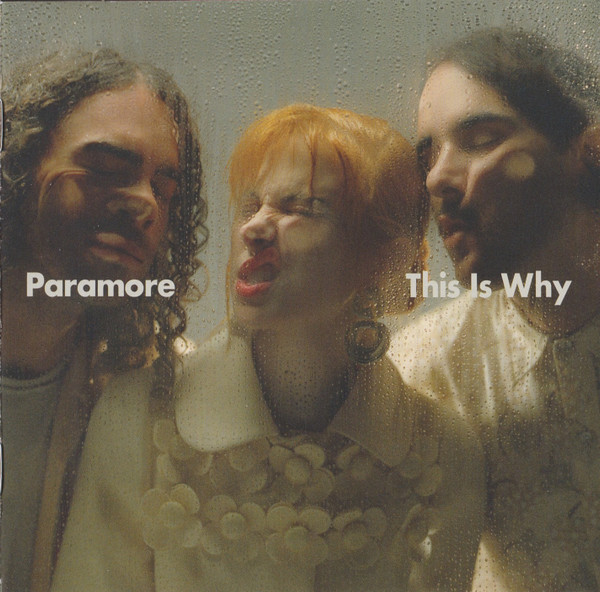
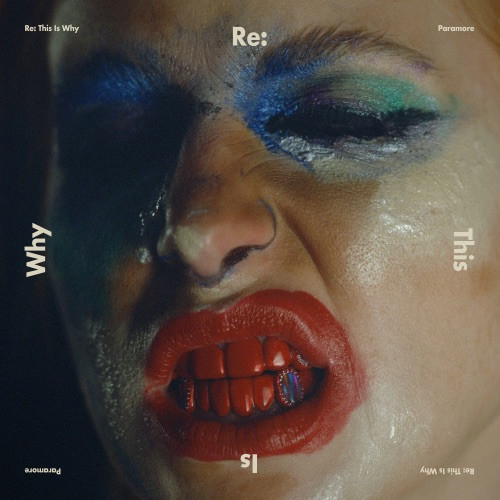
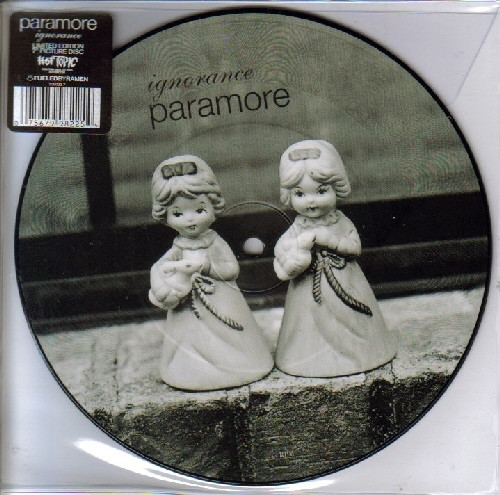
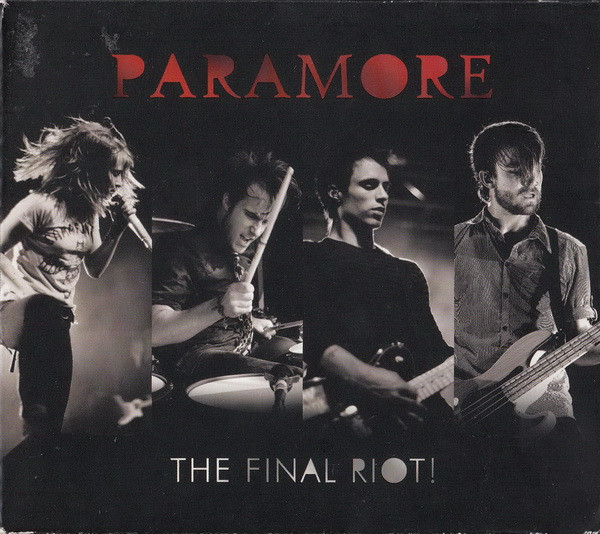
Paramore
A project Hayley Williams was part of.





Related artists
Around the web
Follow every record they touch.
Start your shelf and Gatefold tracks Hayley Williams's new pressings, tour dates, and the whole discography — automatically.
Start your shelf →Free forever. Works with 10 records or 10,000.