
Artist
Hammock
ambient / post-rock band
Nashville, United States · Formed 2004
Hammock is a music group from Nashville, United States, active since 2004. Their discography on Gatefold includes 19 records.

19
Albums tracked
25
In collections
2004
Since
Biography
Marc Byrd and Andrew Thompson started Hammock by plugging volume pedals directly into rack delays and running them through small combo amps in a Nashville spare bedroom, completely ignoring the Music Row studio machinery surrounding them. Byrd had spent years in the Christian alt-rock circuit with Common Children and co-wrote a massive crossover hit for Third Day, but he cashed out that world entirely to chase pure decay and infinite reverb trails. The duo treated their guitars like bowed cellos and synth pads, layering tracks until the attack of the pick disappeared completely. Most ambient acts get buried in soft textures, but Hammock kept a heavy shoegaze dynamic buried under the wash. They hit a rough patch when the cinematic swell formula threatened to turn into prestige television soundtrack wallpaper. Instead of leaning into easy background music, they pushed back by introducing real orchestral arrangements and stark, devastating themes of personal grief that pulled them back from the easy-listening brink.
Bio from The Clerk
The Arc of Hammock
The pivots — what forced Hammock to reinvent.
The Bedroom Reverb Era
After walking away from conventional band structures, Byrd and Thompson self-released 'Kenotic' in 2005. Working with minimal outboard gear and endless layers of treated guitar, they built a sound defined by drifting swells, tape delay, and faint whisper vocals. The music operated far away from typical post-rock crescendos, prioritizing weightless drift and slow harmonic decay.
The Cinematic Double-Album Apex
The duo expanded beyond home-recorded minimalism on 2012's 'Departure Songs', committing to a massive double-disc format that embraced cinematic shoegaze and towering climaxes. They brought in live brass, string sections, and guest vocals from artists like Christine Glass Byrd to push the dynamics into the red. It marked the moment Hammock transitioned from a quiet cult secret to a widescreen post-rock heavyweight.
The Grief Trilogy
The sudden death of Byrd's nephew in 2016 shattered the band's standard writing process and resulted in 2017's 'Mysterium', beginning a trilogy that continued through 'Universalis' and 'Silencia'. They stripped away the loud guitars, recruited the Macedonian Symphonic Orchestra, and focused on neoclassical arrangements centered around loss and quiet mourning. The records abandoned explosive climaxes in favor of hushed choir parts and raw, aching string arrangements.
The Post-Void Re-emergence
Exiting the prolonged heaviness of the grief records, the duo plugged their overdrive pedals back in for 2023's 'Love in the Void'. The shift brought back upfront drums, soaring vocal hooks, and soaring wall-of-sound guitar crunch not heard since their mid-2000s material. It proved they could still deliver huge, driving anthems without relying entirely on quiet orchestral drift.
Influences
- Cocteau Twins — Byrd has repeatedly cited Robin Guthrie's heavily processed guitar techniques as the direct blueprint for Hammock's shimmer and wash. You hear it across 'Raising Your Voice… Trying to Stop an Echo' in the way Guthrie-style chorus and reverse reverb erase the initial pick strike. It is pure Dream-pop DNA turned into modern drone.
- Brian Eno — Eno's late-seventies tape-loop philosophy and 'Apollo: Atmospheres and Soundtracks' established the spacious pedal-steel and ambient guitar vocabulary Hammock uses daily. The structural patience of 'Maybe They Will Sing for Us Tomorrow' borrows directly from Eno's non-linear, generative ambient records. Without Eno, nobody is treating guitar output like weather patterns.
- Talk Talk — Mark Hollis and Tim Friese-Greene wrote the manual on dynamic silence and space on 'Spirit of Eden' and 'Laughing Stock', which Byrd regularly name-checks as life-changing records. You can hear that exact discipline on Hammock's quieter string arrangements, where rests hit harder than volume. They learned how to let an acoustic note decay into dead air from Hollis.
- The Church — The Church's jangly neo-psychedelia and intricate guitar interplay heavily shaped Byrd and Thompson's melodic sensibilities, eventually leading to direct collaborations with Steve Kilbey and Tim Powles. That chiming, dual-guitar delay balance is baked right into 'Chasing After Shadows... Living With the Ghosts'. It gives their float a distinct early-90s alternative rock backbone.
- Arvo Pärt — Pärt's tintinnabuli composition style and austere choral works serve as the bedrock for Hammock's mid-career orchestral transition. The stark, sacred minimalism on 'Mysterium' mirrors Pärt's 'Tabula Rasa' note for note in emotional intent. They stopped writing like a rock band and started arranging like contemporary classical minimalists.
Discography
Their records — most-collected first.

Everything And Nothing
2016

Nevertheless
2025
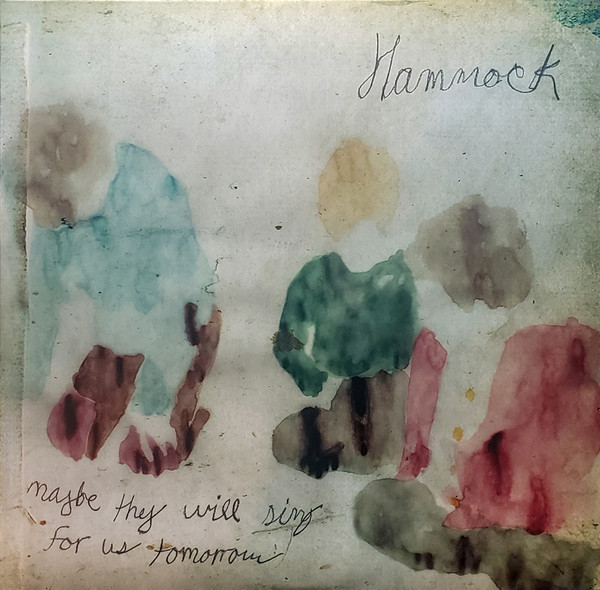
Maybe They Will Sing For Us Tomorrow
2008
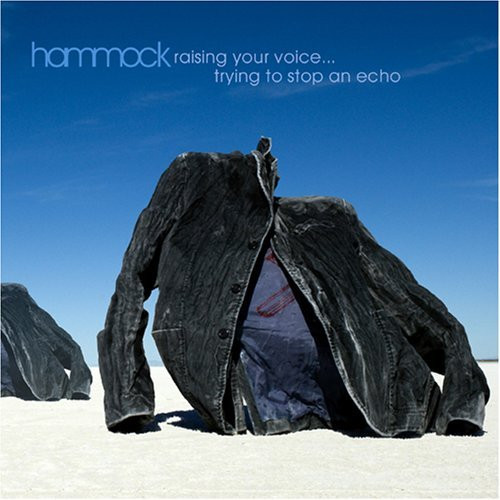
Raising Your Voice...Trying To Stop An Echo
2006
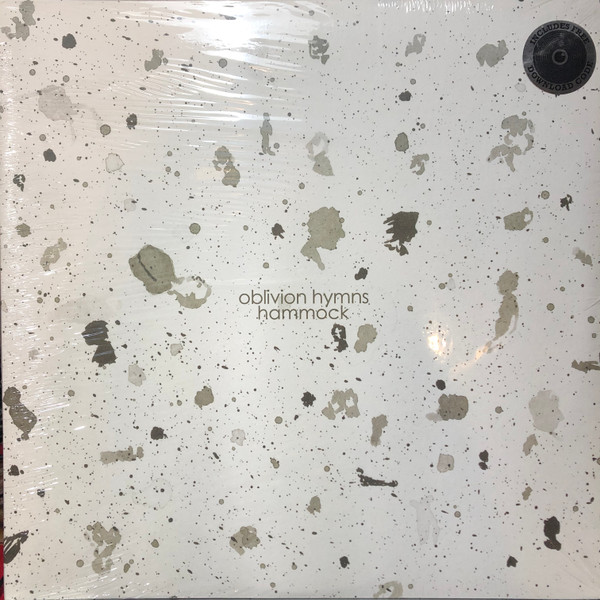
Oblivion Hymns
2013
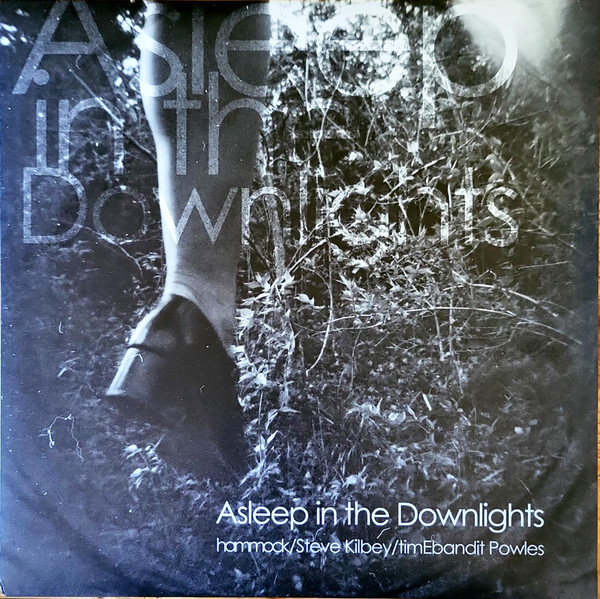
Asleep In The Downlights
2011

The Second Coming Was A Moonrise
2026

From The Void
2024

Love In The Void
2023

Elsewhere
2021

Repeat / Texture
2018

Longest Year
2010
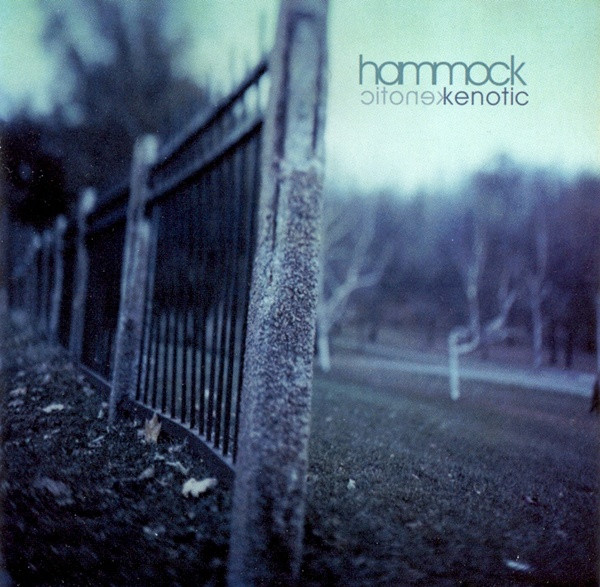
Kenotic
2005
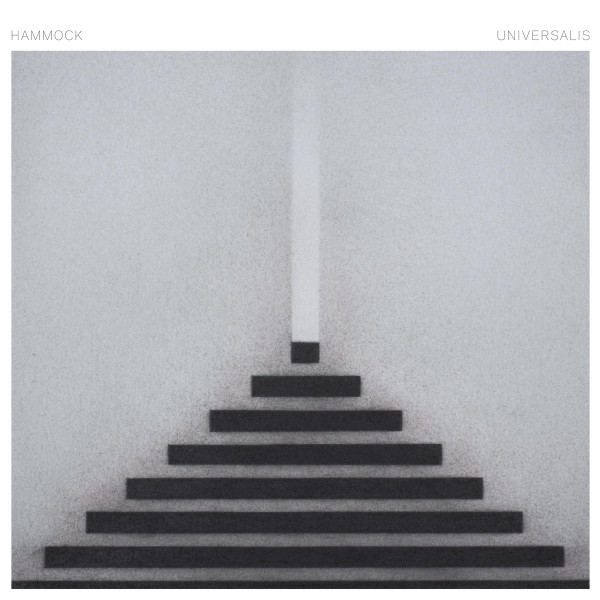
Universalis
2018

Mysterium
2017
The Sleepover Series, Volume Two
2014
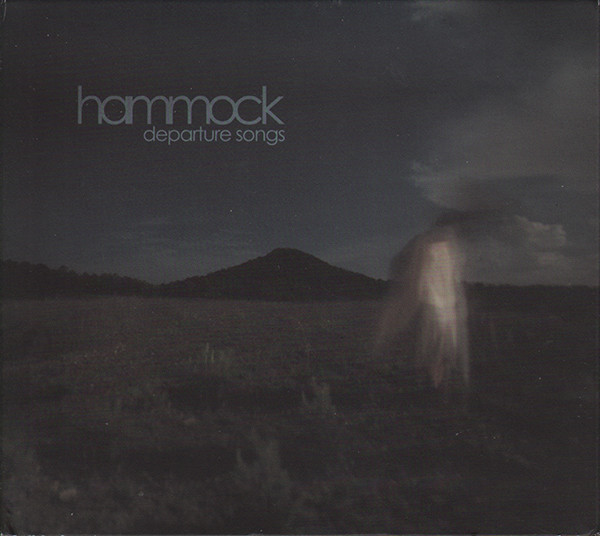
Departure Songs
2012
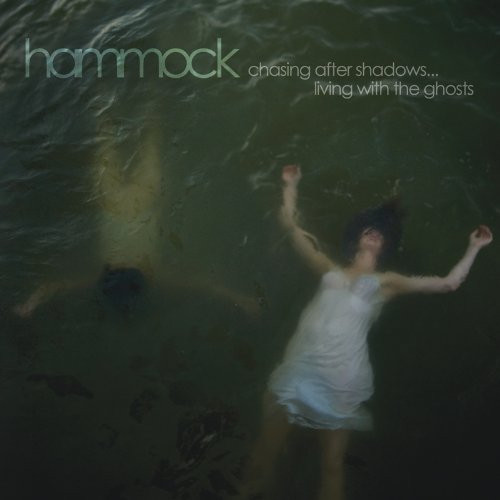
Chasing After Shadows...Living With The Ghosts
2010
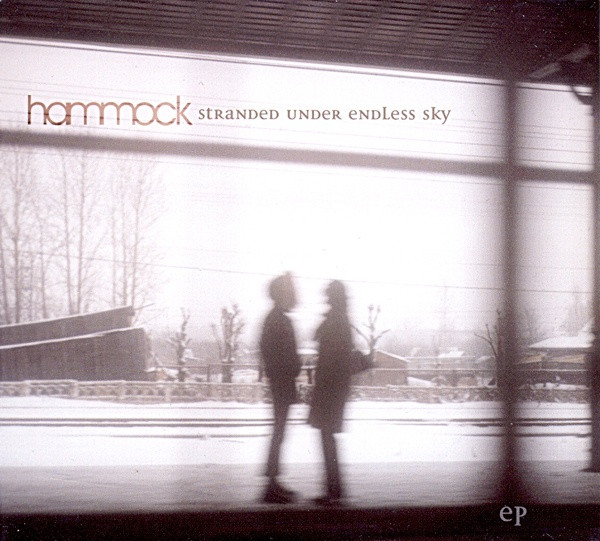
Stranded Under Endless Sky
2005
Related artists
Members
Frequent collaborators
Around the web
Follow every record they touch.
Start your shelf and Gatefold tracks Hammock's new pressings, tour dates, and the whole discography — automatically.
Start your shelf →Free forever. Works with 10 records or 10,000.