
Artist
Guided by Voices
Dayton, United States · Formed 1983
Guided by Voices is a music group from Dayton, United States, active since 1983. Their discography on Gatefold includes 24 records.

66
Albums tracked
363
In collections
1983
Since
Biography
Robert Pollard was a fourth-grade teacher in Dayton who spent his weekends and summer breaks recording lo-fi sketches on a Tascam four-track in his basement, which he dubbed Snake Pit Studios. He didn't play a live gig for years, choosing instead to blow his own money pressing small runs of vinyl that he'd mostly give away to friends or hide in the local record shop's bins. The early stuff sounds like a guy trying to summon the ghost of 1960s British psych through a broken radiator. It was less about songwriting and more about capturing a specific, humid atmosphere of Midwestern boredom and beer-fueled bravado. By the mid-90s, the band finally 'broke' because they couldn't afford to keep the basement door shut anymore. The lineup was a revolving door of Dayton drinking buddies, but the core was always Pollard's obsession with the 45-second pop hook. He’d write ten songs in a morning, record them with a hiss that would make a purist cry, and move on. It’s a catalog of fragments. People complain about the sheer volume of releases—nearly 200 at this point—but that’s the fuckin' point. It’s an archival project of a man who views melody as a renewable resource and recording as a disposable act.
Bio from The Clerk
The Arc of Guided by Voices
The pivots — what forced Guided by Voices to reinvent.
The Classic Lineup and the Basement Hiss
Between 1992 and 1995, Pollard, Tobin Sprout, and the Mitchell brothers captured lightning in a bottle using cheap mics and cassette tape. Bee Thousand and Alien Lanes were the result of Sprout’s technical ability to make the Snake Pit sound like a professional studio that had been hit by a wrecking ball. The songs are held together by literal tape hiss and sudden cut-offs where the reel ran out. It turned their lack of a budget into a weapon, proving that a two-minute anthem like 'Game of Pricks' didn't need a million-dollar board to sound like a stadium hit.
The TVT Big Budget Gamble
After the lo-fi era peaked, Pollard signed to TVT Records and brought in Ric Ocasek and Rob Schnapf to produce polished, shiny versions of his stadium-rock dreams. The move from the basement to the professional studio on albums like Do the Collapse was a massive culture shock for fans who liked the grime. Ocasek cleaned up the guitars and smoothed out the vocals, trying to turn a group of Ohio weirdos into the next big radio act. It didn't quite work, but it proved Pollard could write a massive hook even when the hiss was scrubbed away by corporate money.
The Factory Mode Return
Following the breakup and eventual reunion of the 'classic' lineup, Pollard settled into a relentless, high-output rhythm with the current stable of players like Doug Gillard and Kevin March. This era is defined by technical proficiency and a lack of filter, with the band frequently releasing three full-length albums a year. They stopped trying to chase the zeitgeist or the perfect pop polish of the Ocasek years. Instead, they became a self-sustaining machine, recording high-fidelity rock records that bridge the gap between prog-rock complexity and the two-minute power-pop punch they started with.
Influences
- The Who — Pollard has cited Tommy and A Quick One as the blueprints for his 'pop-opera' fragments. You hear it in the windmill guitar chords and the way he sequences twenty short songs to feel like one massive, crashing movement. It’s the arena-rock ambition trapped in a basement.
- The Beatles — The band famously covered 'It Won't Be Long' during their early years, and Pollard’s obsession with the 1966-era Lennon/McCartney melody is the DNA of every record. The short, punchy song structures on Alien Lanes are basically Revolver played through a blown-out speaker. It’s the fundamental pursuit of the perfect three-minute pop song.
- Wire — The influence of Pink Flag is undeniable in the way Pollard treats songs like disposable sketches that don't need a bridge or a second chorus. If the idea is spent after 40 seconds, they just stop. Wire taught them that a song is finished when the point is made, regardless of the clock.
- Genesis — Pollard is a massive prog-head and has frequently cited Peter Gabriel-era Genesis as a primary influence on his more 'eccentric' lyrical imagery. You hear it in the weird, fantastical song titles and the occasional odd-meter time signature that creeps into the middle of a power-pop track. He wants to be a prog wizard and a rock star at the same time.
- R.E.M. — In the early 80s, Pollard saw R.E.M. at a small club in Ohio and realized he could make melodic, jangle-heavy music without being a virtuoso. The murky, unintelligible lyrics on Murmur gave him the permission to hide his own vocals behind the mix. It provided the template for a weird, regional band staying weird while getting big.
Discography
Their records — most-collected first.
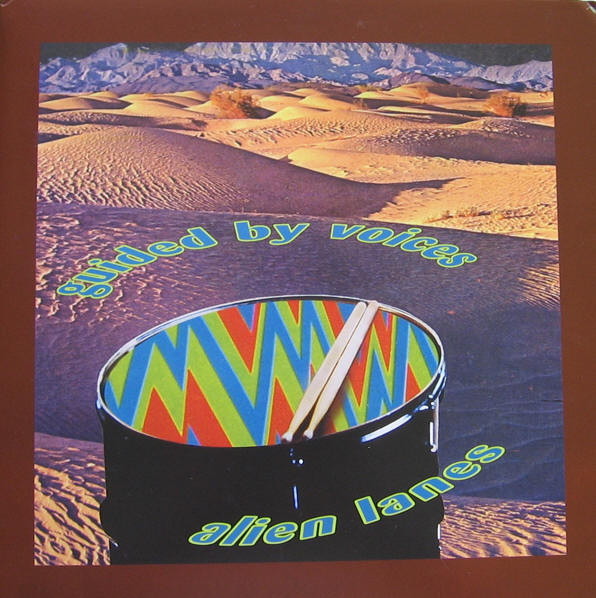
Alien Lanes
1995
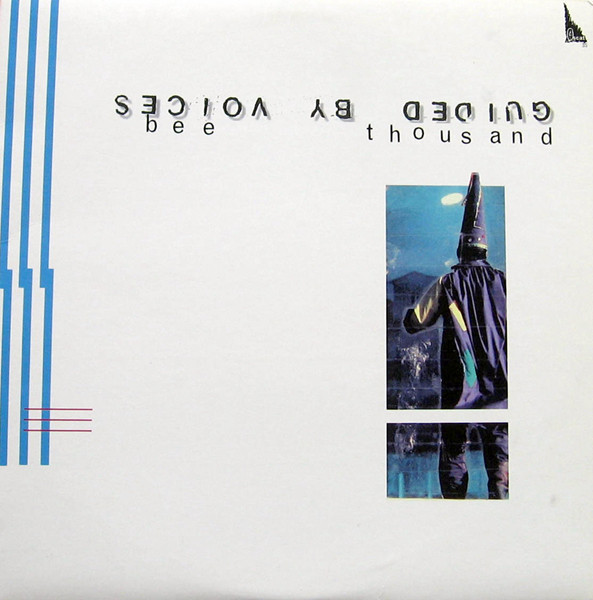
Bee Thousand
1994
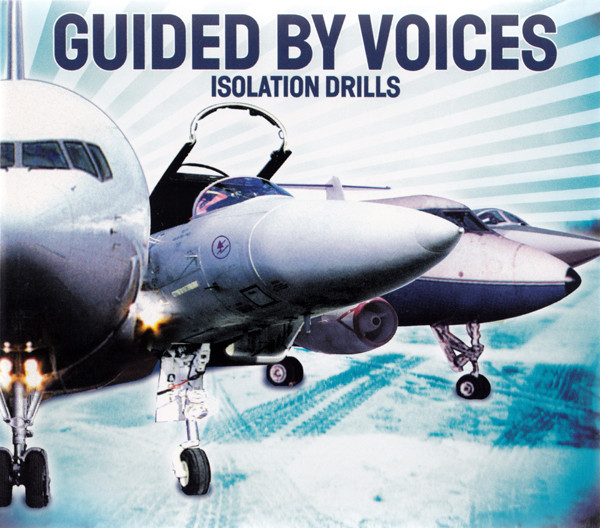
Isolation Drills
2001

Vampire On Titus
1994

Under The Bushes Under The Stars
1996

Mag Earwhig!
1997
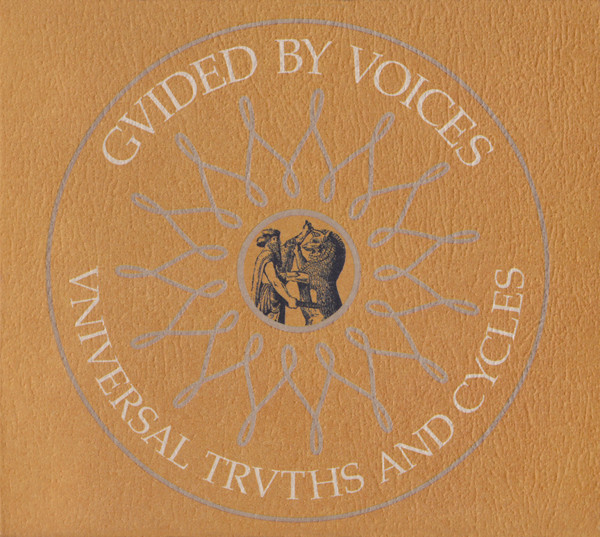
Universal Truths And Cycles
2002
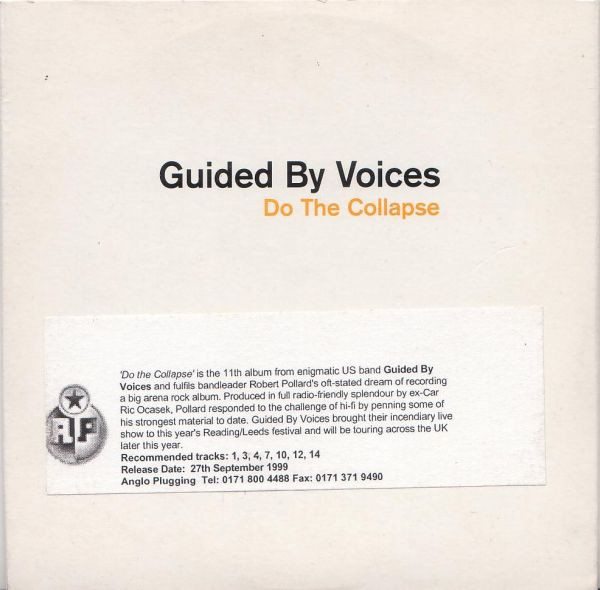
Do The Collapse
1999

Propeller
1992

Let's Go Eat The Factory
2012

Crying Your Knife Away
1994

Sandbox
1987

Cool Planet
2014

The Bears For Lunch
2012

Class Clown Spots A UFO
2012

Half Smiles Of The Decomposed
2004

Hold On Hope EP
2000

Tonics & Twisted Chasers
1996

Tigerbomb
1995
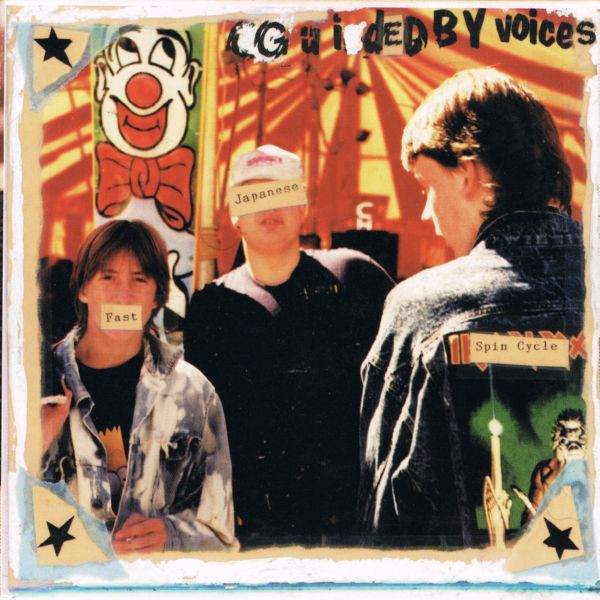
Fast Japanese Spin Cycle
1994
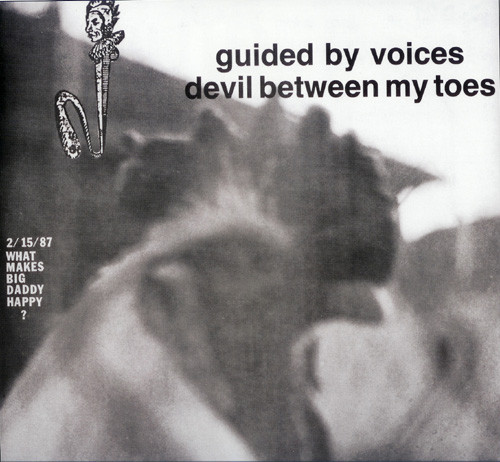
Devil Between My Toes
1987

Strut Of Kings
2024

Scalping The Guru
2022
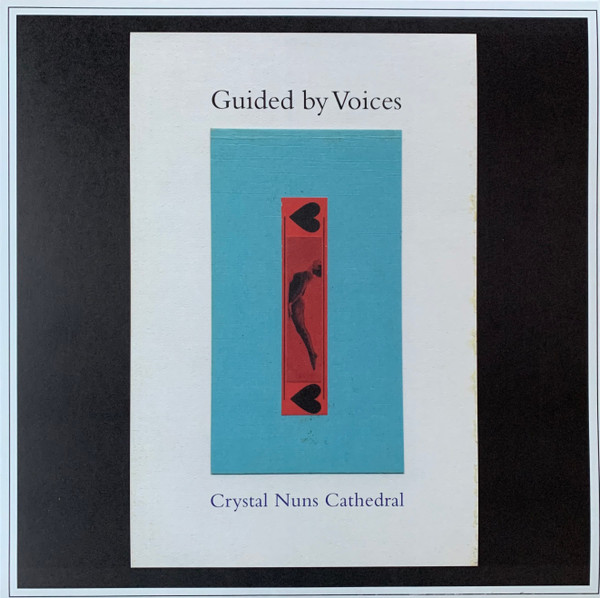
Crystal Nuns Cathedral
2022
Related artists
Around the web
Follow every record they touch.
Start your shelf and Gatefold tracks Guided by Voices's new pressings, tour dates, and the whole discography — automatically.
Start your shelf →Free forever. Works with 10 records or 10,000.