
Artist
Grover Washington, Jr.
Buffalo, United States · 1943 – 1999
Grover Washington, Jr. is a musician from Buffalo, United States, active 1943–1999. Their discography on Gatefold includes 24 records.

42
Albums tracked
204
In collections
1943
Since
Biography
Grover didn't even want the spotlight on Inner City Blues. Hank Crawford blew off the session because he was under house arrest or something similarly inconvenient, so Creed Taylor shoved Grover into the room to cut the sax parts over the existing rhythm tracks. Creed knew what he was doing with CTI—he wanted that polished, lush, commercial-ready jazz that didn't scare off the R&B crowd. Grover's tone was the secret weapon because he wasn't trying to be Coltrane. He was playing the melody like a singer, which is why your grandmother and the local crate-digger both have a copy of Mister Magic. By the late '70s, he was the face of the Kudu label and basically invented the template for what became smooth jazz, which is a hell of a cross to bear. Some of it gets too sugary, especially when the synthesizers start thinning out the mix in the mid-80s, but the guy could still blow. When he's on, like on those live dates at the Bijou, he’s got this raspy, soulful bite that reminds you he cut his teeth in organ trios playing for drinks. He survived the transition from the gritty Philly scene to the yacht-club vibes because his phrasing never got lazy, even when the production did.
Bio from The Clerk
The Arc of Grover Washington, Jr.
The pivots — what forced Grover Washington, Jr. to reinvent.
The Kudu Substitution
Creed Taylor turned a last-minute fill-in session for Hank Crawford into a blueprint for the entire CTI/Kudu sound. Grover was a session cat who suddenly found himself leading a band of heavy hitters like Bob James and Idris Muhammad. The result was a weirdly perfect hybrid of jazz improvisation and Motown-style production that prioritized the groove over the solo. You hear it in the way he sits just behind the beat, letting the bassline dictate the energy while he floats on top.
The Winelight Pivot
Moving to Elektra and teaming up with producer Ralph MacDonald changed the stakes from jazz-funk to adult contemporary dominance. Bill Withers walked into the studio to sing 'Just the Two of Us,' and suddenly Grover wasn't just a sax player—he was a pop star. The production got cleaner, the reverb got deeper, and the rough edges of the Philly clubs were polished away for a champagne-and-silk audience. It’s the most commercially successful thing he ever touched, but it also locked him into a smooth-jazz box he spent the rest of the 80s trying to navigate.
The Columbia Return
By the late 80s and early 90s, the smooth jazz world was getting crowded with imitators, so Grover signed to Columbia and started leaning back into his straight-ahead roots. He started showing up on records with guys like Eddie Henderson and Cedar Walton, trying to remind the purists that he could still handle a standard. The records from this era feel more acoustic and grounded, ditching the drum machines of the mid-80s for real room sound. It was an intentional move to reclaim his dignity after a decade of being the king of the dentist's office playlist.
Influences
- Hank Crawford — Grover literally broke into the mainstream by filling Crawford's seat on the 'Inner City Blues' session. You hear it in the bluesy, gospel-inflected alto tone that favors short, melodic bursts over long, technical runs. Crawford's Ray Charles-era phrasing is the DNA of everything Grover cut for Kudu.
- Gene Ammons — Ammons was the king of the big, soulful tenor sound, and Grover cited him as a primary reason for picking up the horn. The heavy, vibrato-rich sound on 'Mister Magic' is a direct descendant of the 'Jug' style of playing. It’s about that greasy, bar-room grit that Ammons perfected.
- John Coltrane — Before he was a smooth-jazz icon, Grover was a teenage head shedding to 'Giant Steps' in Philly. While he didn't play in sheets of sound, his technical facility on the soprano sax—especially on tracks like 'Hydra'—shows a disciplined control learned from studying Trane’s Atlantic period. He took the instrument's intonation seriously when most guys were just using it for flavor.
- Julian 'Cannonball' Adderley — Adderley’s ability to bridge the gap between bebop and soul-jazz was the roadmap for Grover’s career. You hear the Cannonball influence in Grover’s joyous, rhythmic attack and his tendency to play 'around' the melody like a preacher. They both understood that jazz didn't have to be homework—it could be a party.
- Charles Lloyd — Grover toured in Lloyd’s group early on, which exposed him to the more atmospheric, flute-heavy side of the jazz spectrum. Lloyd’s crossover success in the late 60s showed Grover that a jazz musician could actually reach a younger, rock-adjacent audience. It gave him the confidence to experiment with the textures that eventually defined the 'quiet storm' sound.
Discography
Their records — most-collected first.
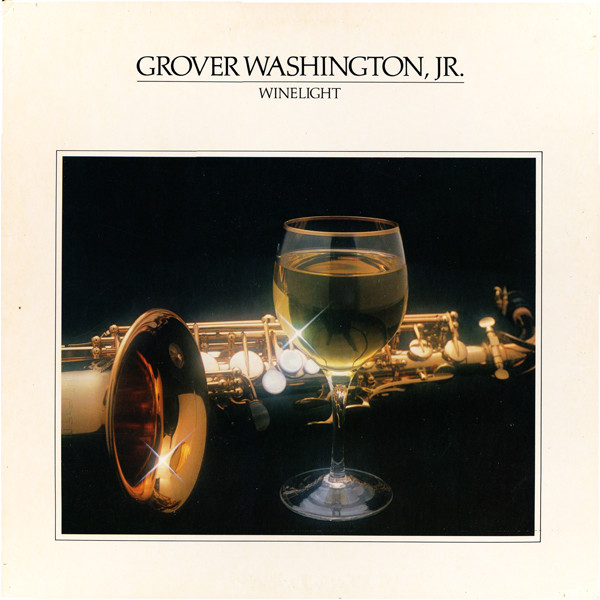
Winelight
1980
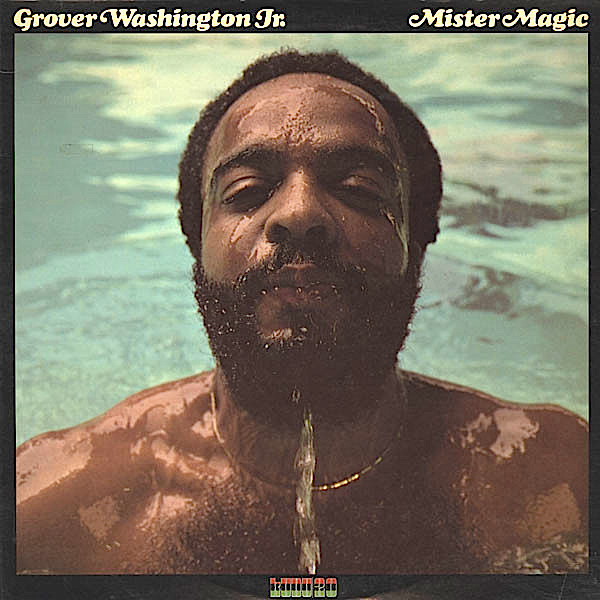
Mister Magic
1975
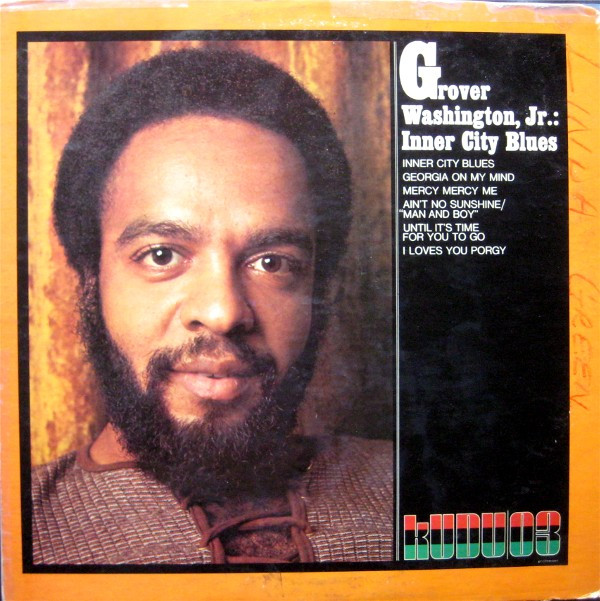
Inner City Blues
1971

Live At The Bijou
1977
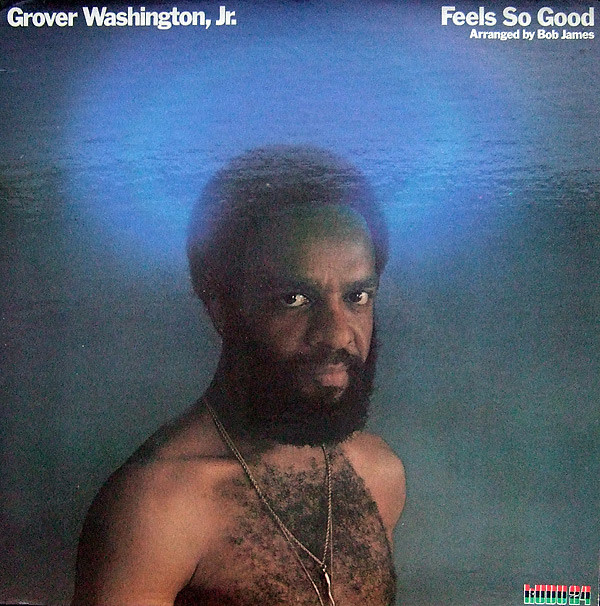
Feels So Good
1975

Paradise
1979

Reed Seed
1978
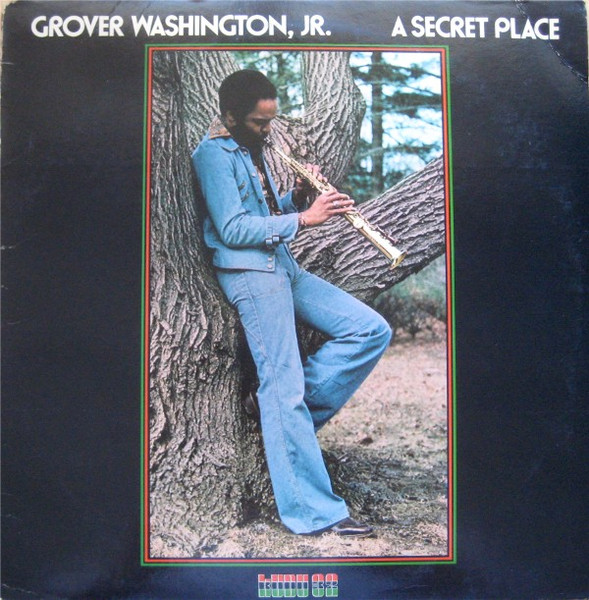
A Secret Place
1976
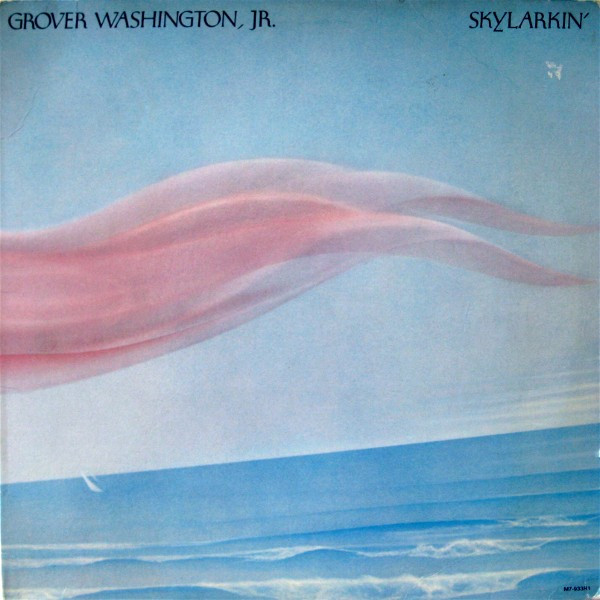
Skylarkin'
1980

Soul Box
1973
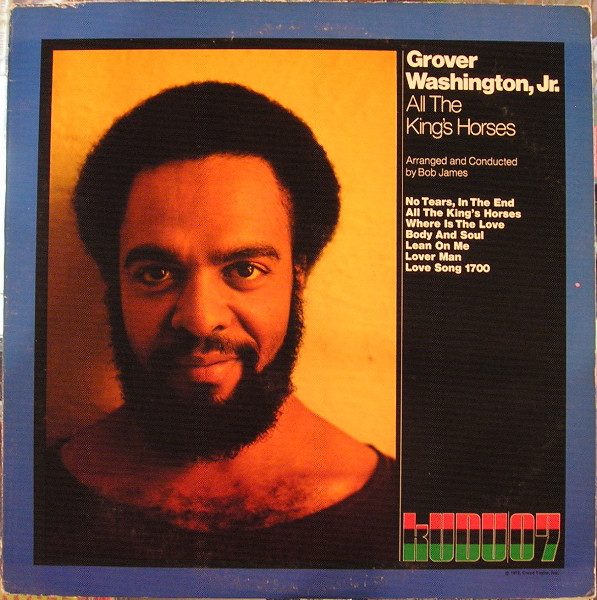
All The King's Horses
1972
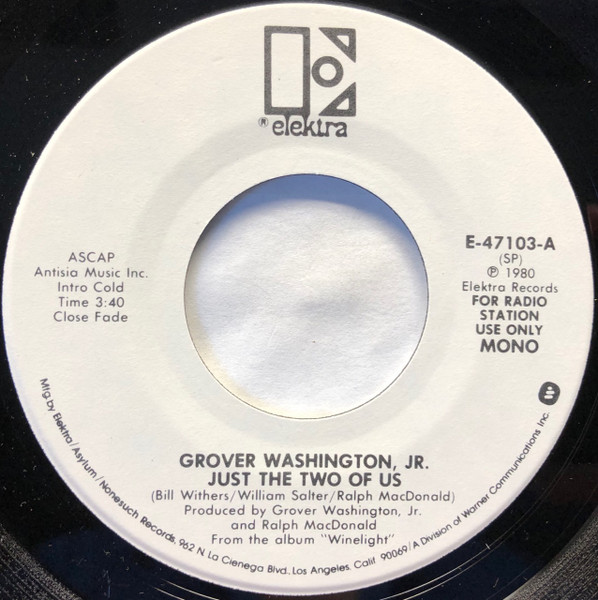
Just The Two Of Us B/W Make Me A Memory (Sad Samba)
1981

Soul Box Vol. 1
1973
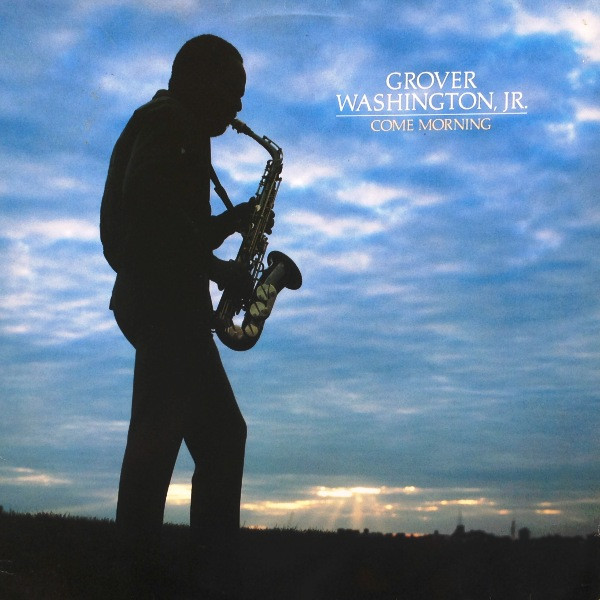
Come Morning
1981

Strawberry Moon
1987

Anthology Of Grover Washington Jr.
1985

The Best Is Yet To Come
1982

Baddest
1980

Grover Live
2010

Love Songs
2001

Anthology
1981

Soul Box Vol. 2
1973
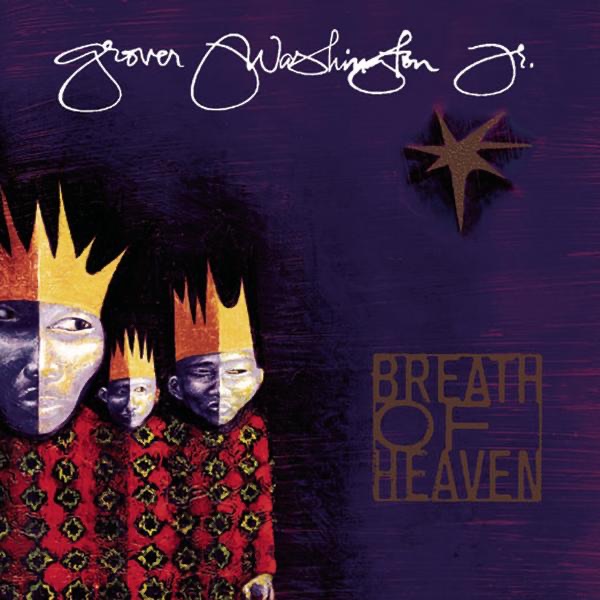
Breath Of Heaven - A Holiday Collection
1997

The Best Of Grover Washington Jr.
1993
Related artists
Bands & projects
Around the web
Follow every record they touch.
Start your shelf and Gatefold tracks Grover Washington, Jr.'s new pressings, tour dates, and the whole discography — automatically.
Start your shelf →Free forever. Works with 10 records or 10,000.