
Artist
Grizzly Bear
Brooklyn, United States · Formed 2002
Grizzly Bear is a music group from Brooklyn, United States, active since 2002. Their discography on Gatefold includes 12 records.

12
Albums tracked
146
In collections
2002
Since
Biography
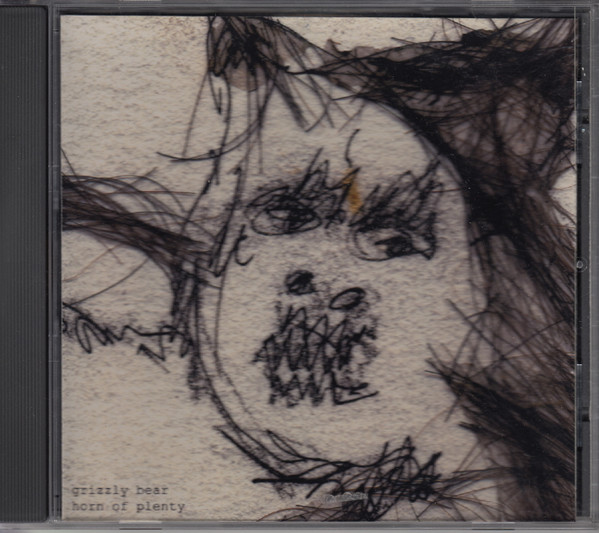
Horn of Plenty was just Ed Droste fucking around with a cassette four-track in a Greenpoint bedroom, using junk percussion and acoustic guitars because he lacked proper studio gear. It was intimate, hiss-laden lo-fi tape drift, barely hinting at a functioning band until Christopher Bear stepped in to help finalize it. Then Daniel Rossen brought the jazz-chord voicings, Chris Taylor brought the engineering brain, and the project morphed into a four-headed beast. Taylor's production became the secret weapon: ribbon mics, room decay, layered vocal harmonies, and woodwinds tracked like orchestral chamber music rather than polite indie rock. They hit their commercial ceiling with Veckatimest and Shields, where the arrangements got so dense and intricate they were practically daring the live set to fail. Every beat landed on an off-kilter subdivision, every chord avoided straightforward triads, and they proved pop melodies could survive inside genuinely difficult structures. When Painted Ruins landed in 2017 with tighter electronics and slicker contours, the scene had already moved on to cheaper, direct aesthetics. They walked away rather than grind out the festival circuit as nostalgia bait, leaving behind records that demand real attention instead of background noise.
Bio from The Clerk
The Arc of Grizzly Bear
The pivots — what forced Grizzly Bear to reinvent.
The Bedroom Tape
Droste cut the early material on cheap tape machines inside his Brooklyn apartment, treating songs like whispered voice memos. Christopher Bear was the only other player involved, adding touches to what was essentially a solo tape experiment. Horn of Plenty sounded frayed, distant, and deliberately unresolved. It earned local attention purely on the strength of its ghostly tape echo and fragile melodic skeletons.
The Upstate House Transformation
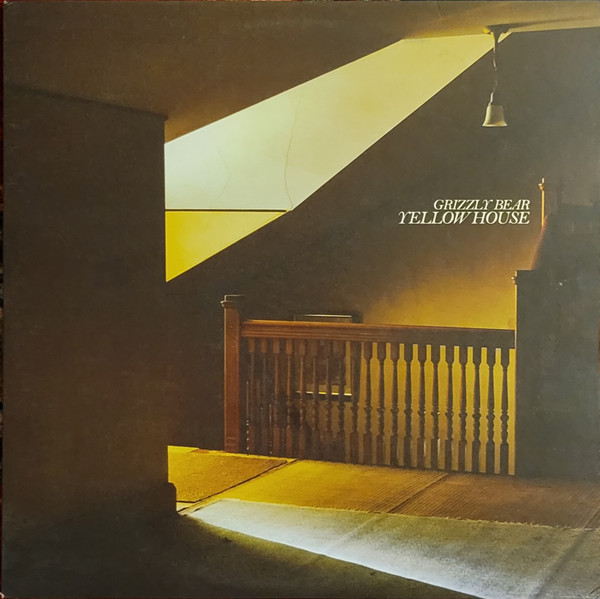
Bringing Rossen and Taylor into the fold altered their entire dynamic. The quartet holed up in Droste's mother's upstate New York home to cut Yellow House, leaning into the hardwood natural reverbs and Taylor's keen ear for multi-instrumental detail. Rossen's fingerpicked modal tunings collided with four-part vocal rounds, shedding the lo-fi tag completely. The result was a startling leap into dense folk-orchestral architecture that stunned everyone who thought they were just another freak-folk side note.
The Baroque Peak
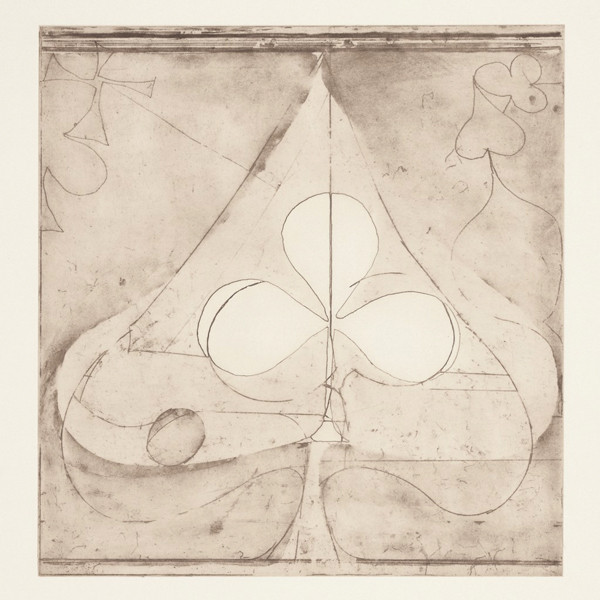
By 2009, they stepped out of the rustic attic vibe and chased massive, hyper-detailed production on Veckatimest and Shields. Brooklyn string players and session horns were layered across tracks, while Rossen and Droste traded lead vocal duties with surgical precision. Taylor's production captured every wood block strike and room resonance, turning complex time signatures into Top 10 chart material. They became standard-bearers of late-2000s indie rock without sacrificing an ounce of harmonic weirdness.
The Polished Dissolution
A five-year hiatus preceded 2017's Painted Ruins, tracked with the band living on different coasts and working under polished studio lights. Synthesizers and crisp rhythm-section loops took the foreground, pushing past the woody warmth of their earlier catalog. The songwriting remained sharp, but the collaborative friction felt cooler and more mechanized. After touring the cycle, Droste stepped back to pursue other paths, locking the band's run in amber before they could turn stale.
Influences
- The Beach Boys — Droste and Rossen have repeatedly cited the vocal stacking and chord inversions of Pet Sounds and the Smile sessions as foundational to their vocal arrangements. You hear it immediately on Yellow House and Veckatimest, where four voices split into staggered, non-traditional harmonies. It is the direct lineage of Brian Wilson's dense choral layering stripped of surf-pop gloss.
- Talk Talk — Mark Hollis pioneered the use of negative space, acoustic room decay, and meticulous woodwind layering on Spirit of Eden and Laughing Stock. Chris Taylor's engineering ethos treats silence and real room ambiance with that exact Hollis-style patience. You can hear it in how the drums breathe on 'Foreground' and 'Sun in Your Eyes'.
- Nick Drake — Daniel Rossen learned the guitar through open-tuning fingerstyle players, with Drake serving as a primary structural template. Rossen's rolling acoustic patterns and minor-ninth chord choices on songs like 'Little Brother' pull straight from Drake's Bryter Layter and Pink Moon tunings. It grounds their avant-pop arrangements in English folk melancholy.
- Van Dyke Parks — The band brought Parks in to contribute orchestral arrangements for the 2007 Friend EP, sealing a direct lineage to his eccentric chamber-pop arrangements. His footprint runs through their brass and string orchestrations, favoring quirky countermelodies over swelling movie-score filler. You hear that chaotic, theatrical charm all over their mid-career bridge sections.
- Can — Christopher Bear's drumming leans heavily on Jaki Liebezeit's metronomic, jazz-informed propulsion rather than standard indie-rock backbeats. The band cited krautrock's circular tension as an antidote to verse-chorus-verse monotony. Tracks like 'Two Weeks' and 'Yet Again' drive forward on persistent, polyrhythmic pulses borrowed straight from Cologne.
Discography
Their records — most-collected first.





Related artists
Around the web
Follow every record they touch.
Start your shelf and Gatefold tracks Grizzly Bear's new pressings, tour dates, and the whole discography — automatically.
Start your shelf →Free forever. Works with 10 records or 10,000.