
Artist
Graham Parker & The Rumour
London, United Kingdom · 1976 – 1982
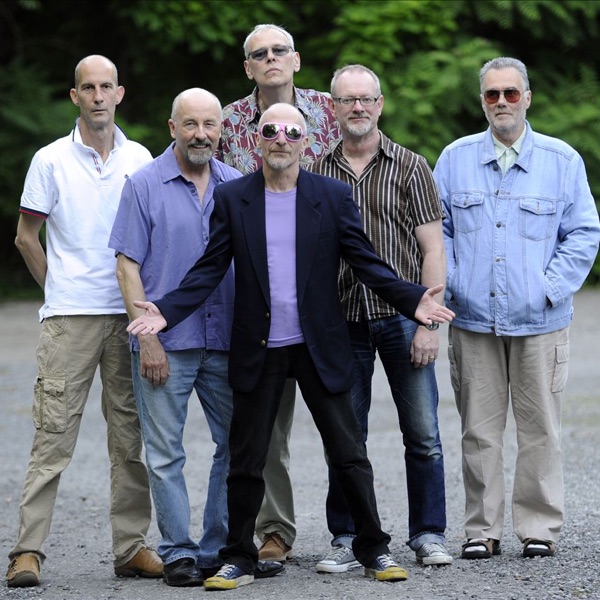
Graham Parker & The Rumour is a music group from London, United Kingdom, active 1976–1982. Their discography on Gatefold includes 18 records.
18
Albums tracked
44
In collections
1976
Since
Biography
Graham Parker walked into the Hope and Anchor with a demo tape and a chip on his shoulder that never quite leveled out. Nick Lowe was behind the board for the early sessions, stripping away any pub-rock polite-ness to let Parker’s raspy, R&B-soaked vitriol cut through. The Rumour wasn't some backing band for hire; they were a goddamn supergroup of the pub circuit, featuring Brinsley Schwarz and Bob Andrews, guys who knew exactly how to weaponize a Stax-style horn section against a punk-rock deadline. The industry tried to polish him, but Parker was too jagged for the pop machine to swallow whole. He spent half his career fighting his labels, famously writing 'Mercury Poisoning' as a direct middle finger to the suits who couldn't figure out how to market a guy who looked like a bank clerk but sang like he was passing a kidney stone. By the time he hit the 80s without the Rumour, the production got slick and the bite softened, proving that he needed those specific five guys to keep the fire hot enough to burn.
Bio from The Clerk
The Arc of Graham Parker & The Rumour
The pivots — what forced Graham Parker & The Rumour to reinvent.
The Pub-Soul Explosion
Nick Lowe and Dave Edmunds were hovering over the 1976 sessions for 'Howlin’ Wind' and 'Heat Treatment,' creating a bridge between the dying pub-rock scene and the emerging punk snarl. The Rumour provided a tight, organic swing that felt like a localized version of the E Street Band if they’d been raised on warm ale and Motown 45s. You hear it in the way the brass stabs collide with Parker's Dylan-on-speed delivery, making the band sound like they were trying to outrun their own frantic arrangements.
The American Tighten
Jack Nitzsche took the wheel for 'Squeezing Out Sparks' in 1979 and stripped the band of their signature horns, forcing the Rumour to become a lean, New Wave guitar machine. The recording happened at Sound City in LA, and the shift in geography matched a shift in intensity, trading the soul-revue vibes for a dry, claustrophobic rock sound. This was the moment the Rumour proved they could play with a knife to their throats, resulting in the most cohesive and commercially viable record of Parker’s life.
The Solo Departure
The 1980 release 'The Up Escalator' was the final stand for the original lineup, with Jimmy Iovine pushing a massive, radio-ready sound that featured Bruce Springsteen on backing vocals. Without the Rumour to push back against his ego, Parker’s 80s output drifted into thinner, more synth-heavy territory that lacked the grit of the late 70s. It took decades of solo wandering and various backing units before the original five guys finally got back in a room together in 2012 to reclaim that specific, jagged chemistry on 'Three Chords Good'.
Influences
- Van Morrison — Parker openly cited 'Astral Weeks' as the record that shifted his focus toward more poetic, soulful songwriting. You hear the Celtic soul influence in his phrasing and the way he uses his rasp to push through horn arrangements. He isn't just singing; he's testifying over the groove.
- Bob Dylan — The mid-60s 'Subterranean Homesick Blues' era of Dylan is the blueprint for Parker’s lyrical density and spit-fire delivery. He took Dylan’s cynical worldview and filtered it through a working-class British lens. It’s most obvious on tracks like 'Don't Ask Me Questions' where the sneer is pure 1965 Dylan.
- The Rolling Stones — The Rumour’s twin-guitar attack of Brinsley Schwarz and Martin Belmont was a direct descendant of the Richards/Taylor interplay. They leaned into the greasy, blues-based rock that the Stones perfected on 'Exile on Main St.' Parker’s obsession with American R&B mirrors the Stones' early fixation on Chess Records.
- Smokey Robinson — Parker has frequently praised Robinson’s songwriting as the gold standard for melody and structure. While his voice is miles away from Smokey’s falsetto, the tight pop structures and soul hooks of early Motown are the skeletons beneath 'Howlin’ Wind.' He’s a soul singer trapped in a pub-rocker’s body.
- The Band — The Rumour’s foundational members in Brinsley Schwarz were obsessed with the earthy, ensemble-first approach of 'Music from Big Pink.' They prioritized the collective pocket over individual flash, a dynamic they carried directly into their work with Parker. It gave the early records a weathered, lived-in feel that most punk acts lacked.
Discography
Their records — most-collected first.
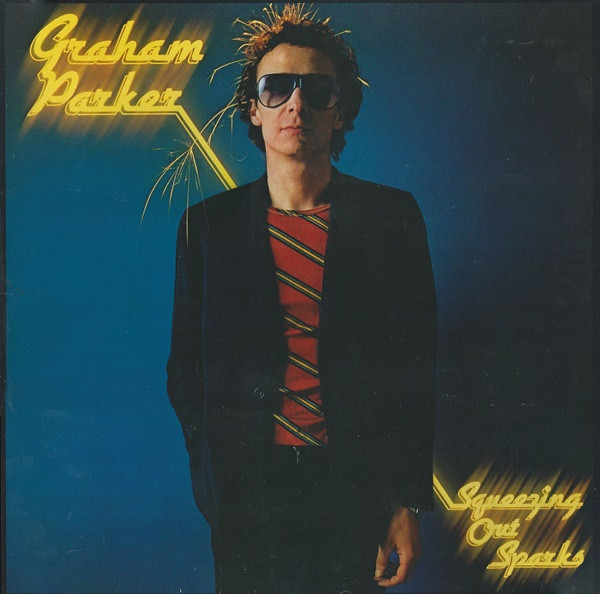
Squeezing Out Sparks
1979
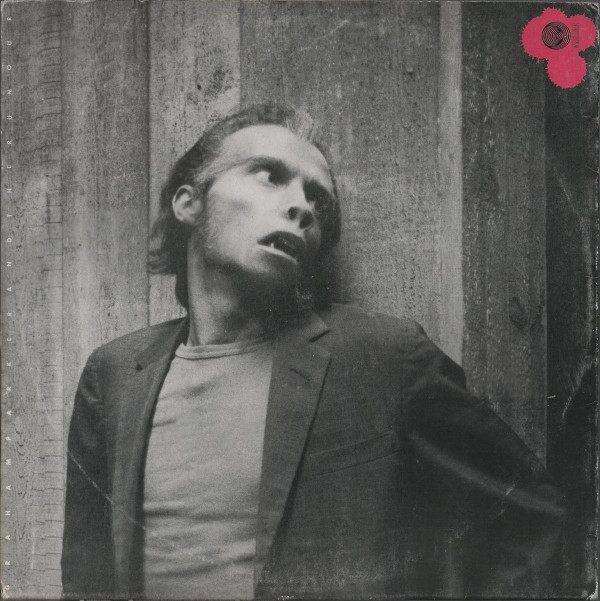
The Parkerilla
1978
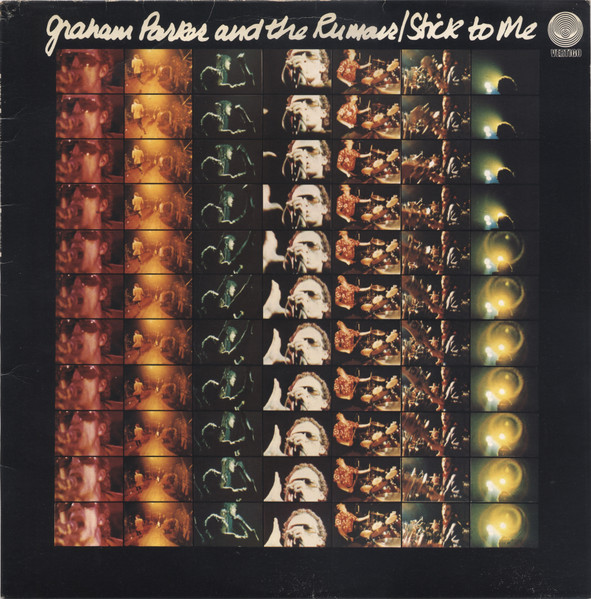
Stick To Me
1977

Heat Treatment
1976
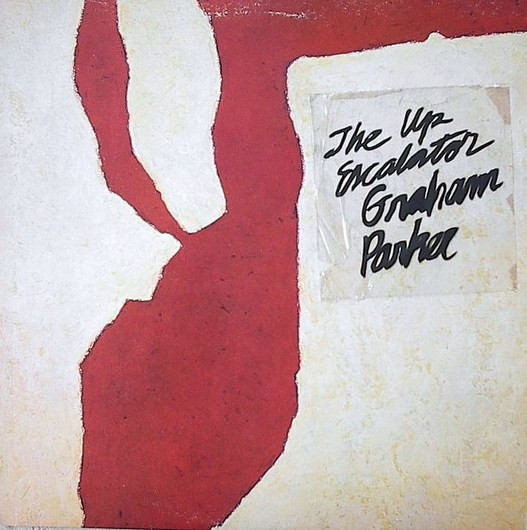
The Up Escalator
1980
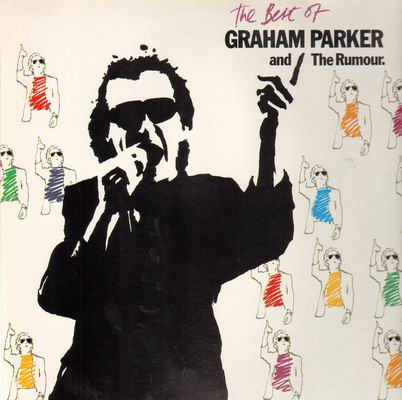
The Best Of Graham Parker And The Rumour
1980

The Pink Parker
1977
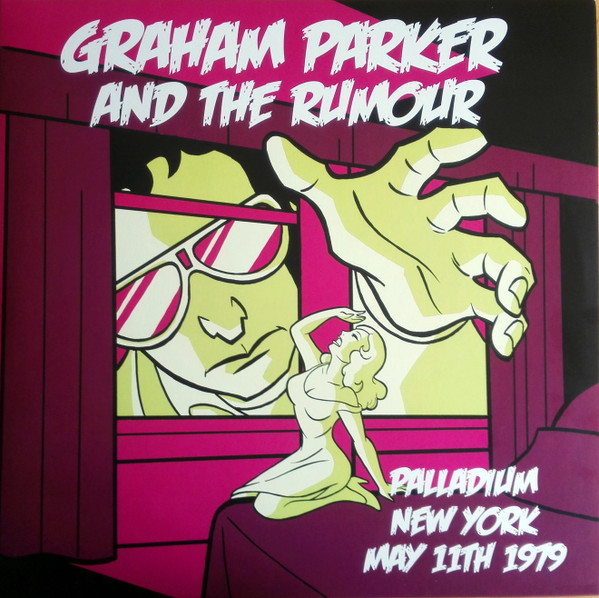
Palladium New York May 11th 1979
2017

5 Classic Albums
2016

Mystery Glue
2015

Three Chords Good
2012

Live In San Francisco 1979
2009

You Can't Be Too Strong - An Introduction To Graham Parker & The Rumour
2001

Not If It Pleases Me
1998

It Don't Mean A Thing If You Ain't Got That Swing
1984

"Live Sparks"
1979

High Times
1979

Live At Marble Arch
1976
Related artists
Around the web
Follow every record they touch.
Start your shelf and Gatefold tracks Graham Parker & The Rumour's new pressings, tour dates, and the whole discography — automatically.
Start your shelf →Free forever. Works with 10 records or 10,000.