
Artist
Gong
Paris, France · Formed 1966
Gong is a music group from Paris, France, active since 1966. Their discography on Gatefold includes 24 records.

33
Albums tracked
60
In collections
1966
Since
Biography
Daevid Allen got kicked out of Soft Machine because of a visa snag at the French border, leaving him stuck in Paris with nothing but a head full of pot-smoke and weird ideas while the rest of his band went on to be art-rock darlings. He didn't mope. He leaned into the student riots of '68 and turned Gong into a communal anarchy project that treated the recording studio like a high-altitude flight simulator. By the time they signed to Virgin, they weren't just a band—they were a mythology involving pot-head pixies and flying teapots that would have been a total joke if the musicianship hadn't been so terrifyingly tight. They spent the early seventies living in a farmhouse outside Sens, making records that sounded like a head-on collision between free jazz and space-rock. Gilli Smyth was doing her 'space whisper' vocals while Didier Malherbe played sax like he was trying to summon a demon. It’s a mess of glissando guitar and VCS3 synth gurgles that shouldn't work. Most of the time, the band was more interested in the communal vibe than the commercial charts, which is why the lineup turned into a revolving door of virtuosos who couldn't handle the weirdness or couldn't stop contributing to it.
Bio from The Clerk
The Arc of Gong
The pivots — what forced Gong to reinvent.
The Radio Gnome Invisible Trilogy
Between '73 and '74, the band hit their peak by channeling Allen’s elaborate mythology through the precision of drummer Pip Pyle and synth wizard Tim Blake. These sessions at the Manor Studio produced a trilogy of records that defined the space-rock aesthetic, blending heavy glissando guitar with complex, jazz-inflected time signatures. You hear the perfect balance of Gilli Smyth’s ethereal vocals against a rhythm section that was starting to lean much harder into fusion. It was the definitive statement of the 'Pot Head Pixie' era before the internal friction became unsustainable.
The Pierre Moerlen Fusion Shift
Once Daevid Allen and Gilli Smyth walked away in '75, the lunatics truly took over the asylum, and the asylum became a conservatory. Drummer Pierre Moerlen took the reins, stripped away the mythology, and turned Gong into a high-octane jazz-fusion machine on records like Gazeuse! and Expresso II. The space whispers were replaced by vibraphones and Marimbas, reflecting a shift toward the technical prowess seen in the European fusion scene. It lost the whimsical soul of the early years, but the sheer technicality of the playing became undeniable.
The Post-Allen Resurrection
After Allen passed away in 2015, the band did something almost unheard of by continuing with a hand-picked lineup that actually lived up to the name. Led by Kavus Torabi, the 2016 release Rejoice! I'm Dead! proved that Gong was a philosophy rather than a fixed lineup. They moved away from the fusion noodling of the late 70s and returned to the heavy, psychedelic riffs and hypnotic motorik beats that defined their origin. It’s rare to see a legacy act find a new gear this late in the game, but they managed to stop being a tribute band and started being a threat again.
Influences
- Soft Machine — Allen was a founding member and their early psychedelic-jazz hybrid is the literal DNA Gong was built on. You hear the whimsical Dadaist humor and the sprawling organ solos of the Kevin Ayers era reflected in every early Gong record. It’s the same school of Canterbury freak-folk but with more acid.
- Sun Ra — Allen frequently cited the Arkestra as the blueprint for his 'mythology-first' approach to band leadership. The way Gong uses horns to create chaotic, interstellar textures mirrors the Arkestra’s free-jazz explosions. Both groups treated the stage like a religious ritual for a planet that didn't exist yet.
- Terry Riley — The heavy use of tape loops and repetitive synth patterns by Tim Blake and Daevid Allen stems directly from Riley’s minimalism. You hear it in the rhythmic pulses of 'Flying Teapot,' where the music breathes through cycles rather than standard verse-chorus structures. It's the foundation for their trancier, more repetitive space-rock jams.
- Ornette Coleman — Didier Malherbe’s approach to the saxophone was rooted in the 'harmolodic' freedom Ornette championed in the late 50s and 60s. Instead of playing over the changes, Malherbe often played the energy of the room, a hallmark of Coleman's influence. It gave the band a jazz credibility that kept them from being just another hippie psych outfit.
- The Beatles — Allen admitted that Revolver-era studio experimentation was the catalyst for his move into tape manipulation and sound collage. The psychedelic whimsy and non-linear songwriting on Camembert Électrique owes a massive debt to the 'Tomorrow Never Knows' school of production. They took the Fabs' studio-as-instrument idea and drove it off a cliff.
Discography
Their records — most-collected first.
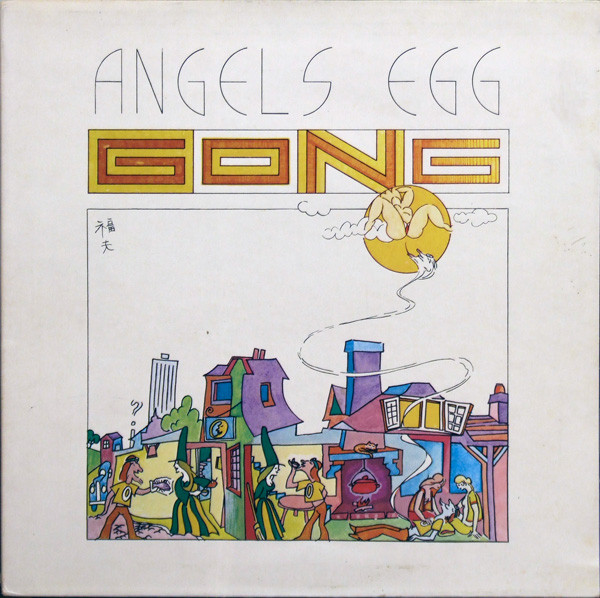
Angel's Egg (Radio Gnome Invisible Part 2)
1973
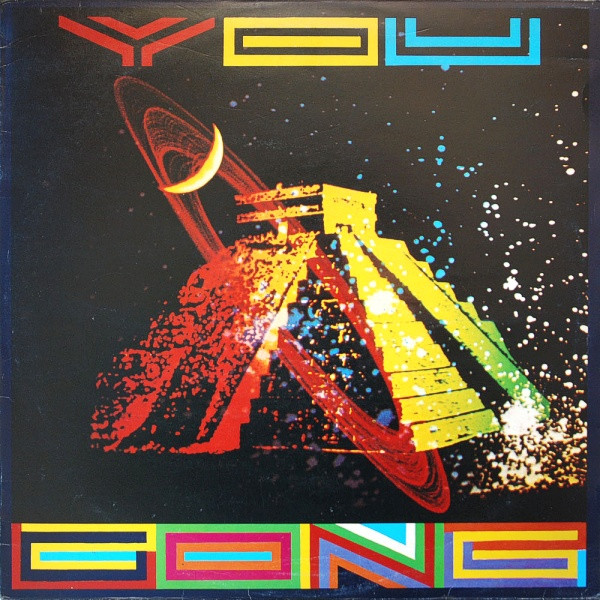
You
1974
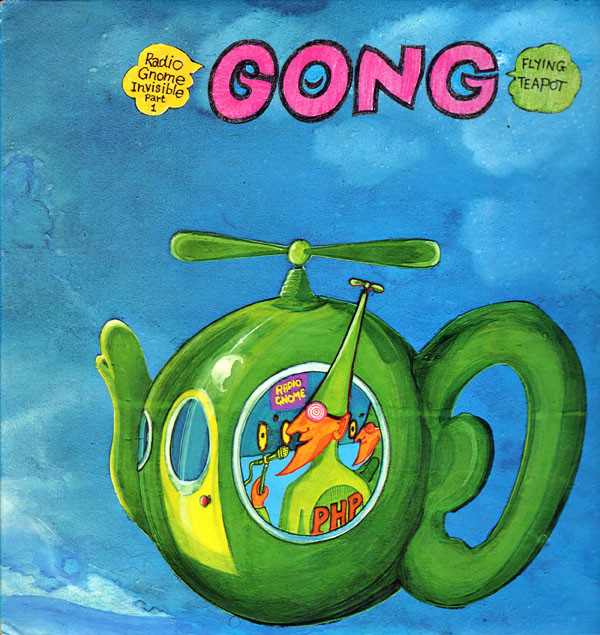
Flying Teapot (Radio Gnome Invisible Part 1)
1973
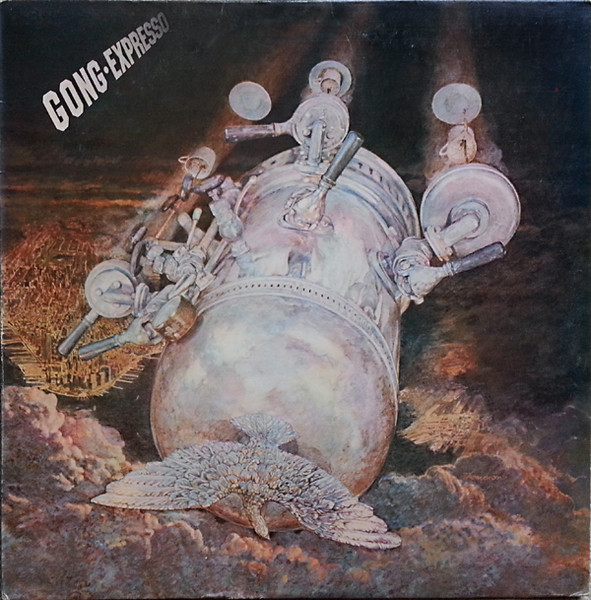
Gazeuse!
1976
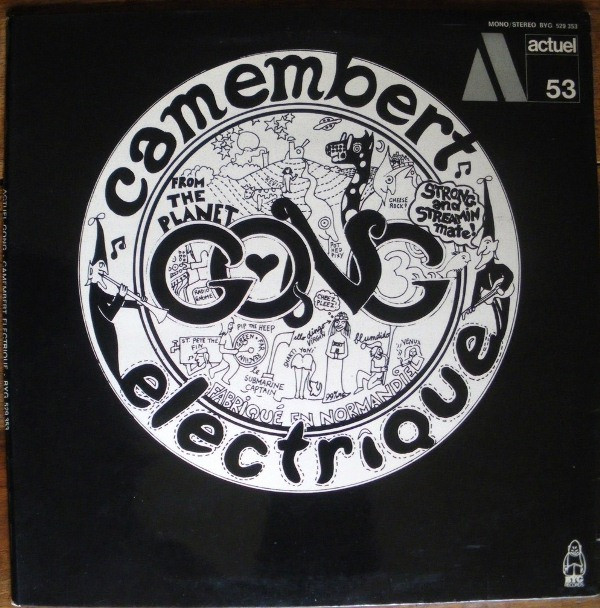
Camembert Electrique
1971
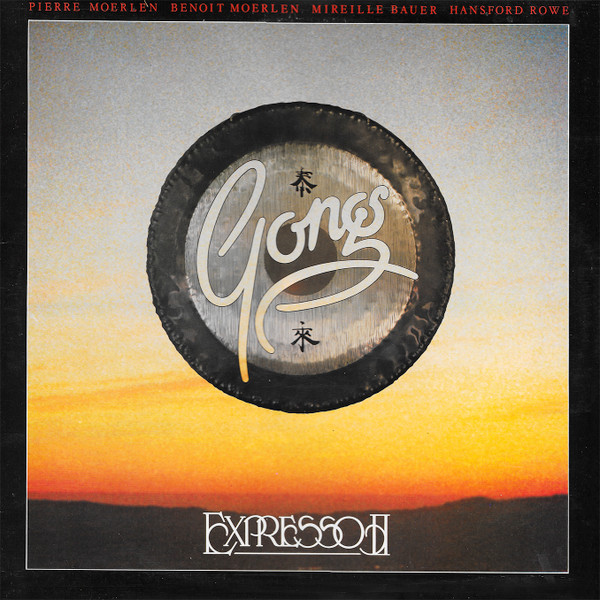
Expresso II
1978

Shamal
1976
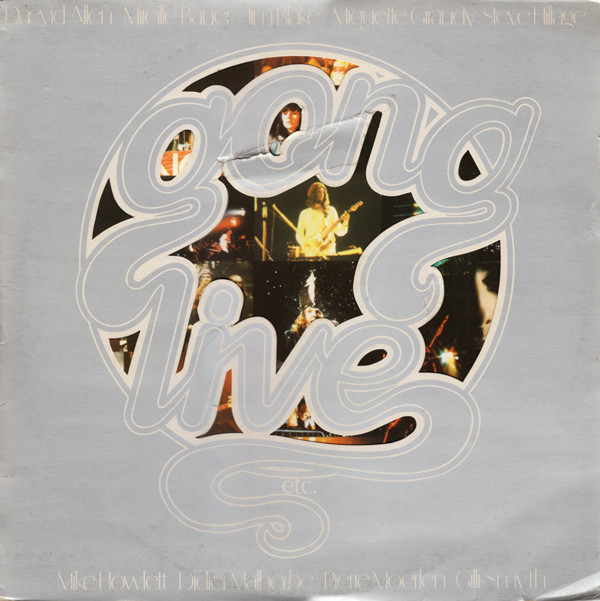
Live Etc.
1977

Magick Brother
1969

Bright Spirit
2026

Unending Ascending
2023
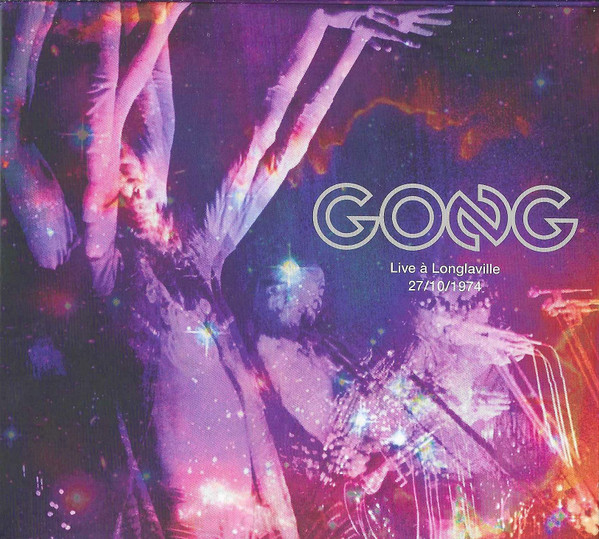
Live À Longlaville 27/10/1974
2021
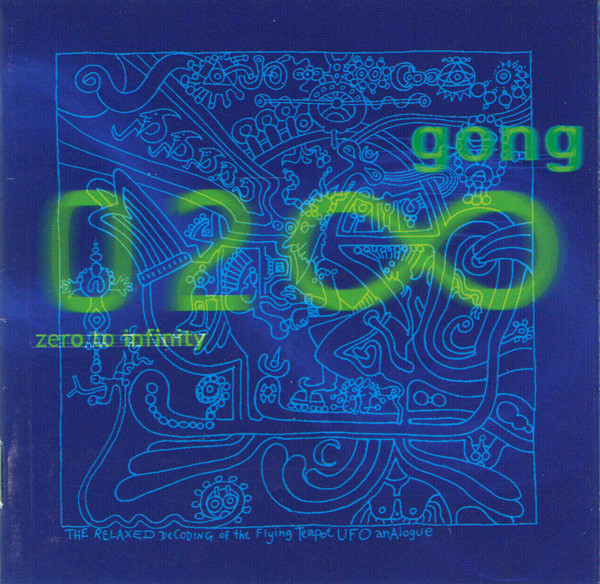
Zero To Infinity
2000
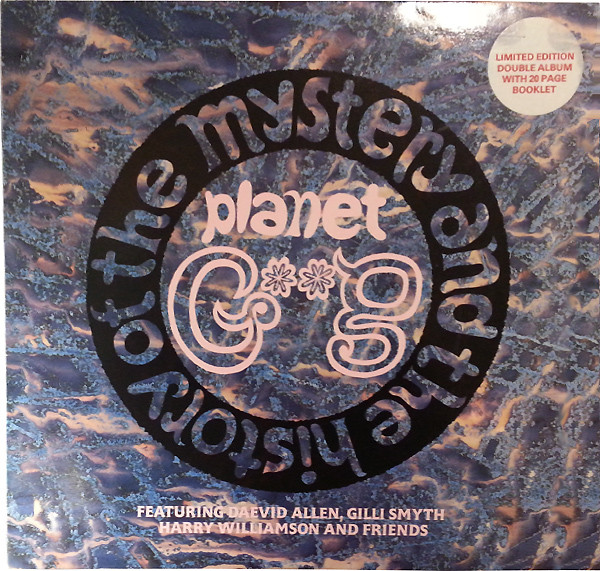
The Mystery And The History Of The Planet Gong
1989

The Universe Also Collapses
2019
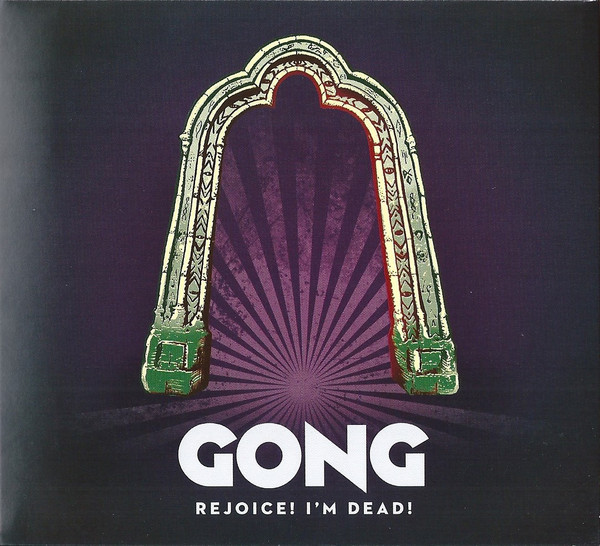
Rejoice! I'm Dead!
2016

I See You
2014

2032
2009
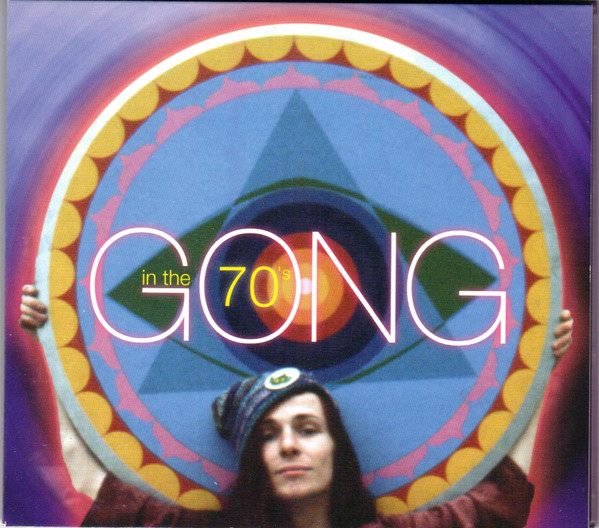
Gong In The 70's
2006

The Very Best Of Gong
2005
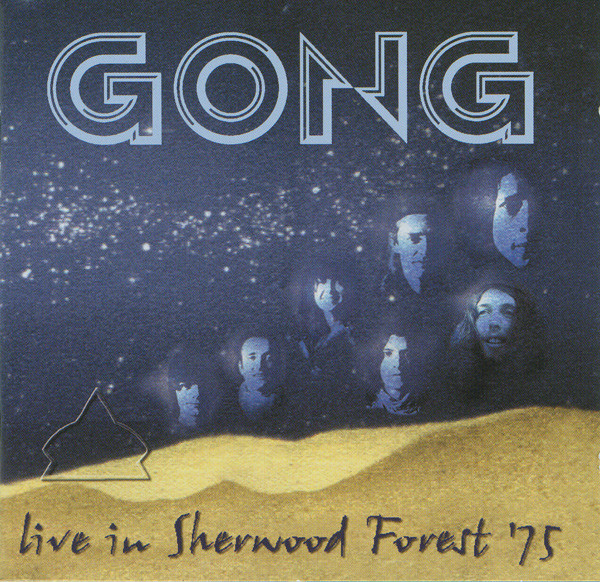
Live In Sherwood Forest '75
2005
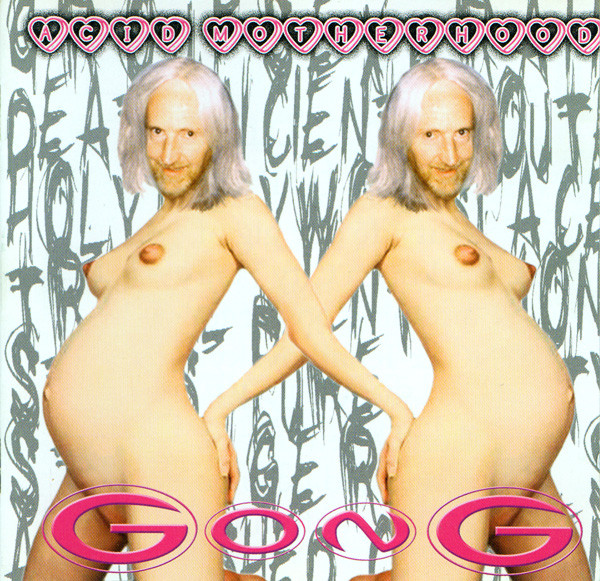
Acid Motherhood
2004
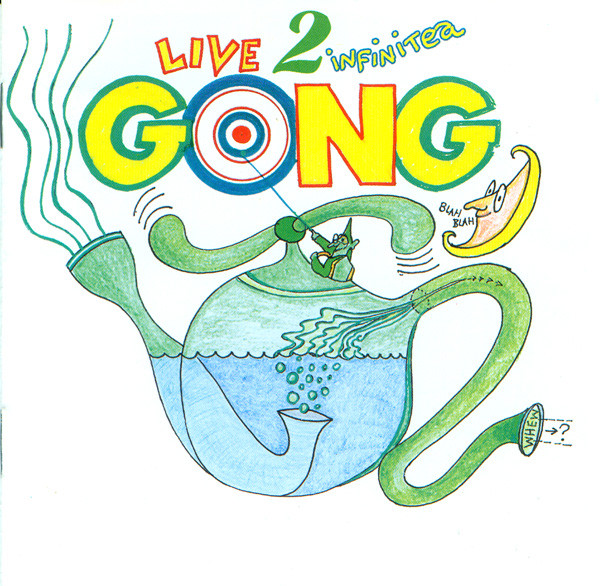
Live 2 Infinitea
2000

Other Side Of The Sky 'A Collection'
1999
Related artists
Members
Frequent collaborators
Around the web
Follow every record they touch.
Start your shelf and Gatefold tracks Gong's new pressings, tour dates, and the whole discography — automatically.
Start your shelf →Free forever. Works with 10 records or 10,000.