
Artist
Gomez
Southport, United Kingdom · Formed 1996
Gomez is a music group from Southport, United Kingdom, active since 1996. Their discography on Gatefold includes 18 records.

18
Albums tracked
55
In collections
1996
Since
Biography
They recorded their demos on an analog four-track in a Southport bedroom with two vocalists who sounded like they belonged to entirely different zip codes. When Bring It On dropped in '98 and snatched the Mercury Prize from Massive Attack, the UK press tried to paint them as some calculated indie-blues anomaly. But there was no calculation. It was just five guys swapping instruments, passing the mic between Ben Ottewell’s gravel-pit throat and Ian Ball’s deadpan rasp, and throwing weird sample loops over acoustic slide guitars. By the time they signed to Dave Matthews' ATO Records in the mid-2000s, the dirt had been mostly scrubbed off the tires. The eccentricities got filed down for American adult-alternative radio, turning a wonderfully weird, scrap-heap band into a reliable touring machine. They never made a truly terrible record, but they definitely traded their rusty, experimental edge for clean sightlines and professional polish.
Bio from The Clerk
The Arc of Gomez
The pivots — what forced Gomez to reinvent.
The Scrap-Heap Blues
Between '98 and '99, the band operated like a junkshop orchestra. For Liquid Skin, they holed up in Abbey Road and various home studios, piling up Mellotrons, weird percussion, and distorted basslines. You can hear the chaotic energy of five multi-instrumentalists refusing to settle on a single frontman or a standard arrangement. It was messy, brilliant, and completely out of step with the dying gasp of Britpop.
The Sampler and the Synth
For 2002's In Our Gun, the band bypassed the acoustic roots and fell hard for the Akai MPC sampler. They built tracks out of electronic glitches, cut-up loops, and heavy synthesizer lines, much to the confusion of their traditional blues-rock fanbase. The title track and 'Shot Shot' showed a band desperate to escape the 'folky' label by burying their acoustic guitars under layers of digital grit. It was their most divisive studio experiment, recorded almost entirely by themselves without an outside producer to reign in the weirdness.
The American Radio Polish
With 2006's How We Operate, the band relocated to America, signed with ATO, and hired producer Gil Norton to clean up the clutter. Norton, famous for his work with Pixies, stripped away the tape loops and home-recorded eccentricities to focus on clean, massive guitar hooks and direct arrangements. The title track became a massive US radio hit, but the transition marked the end of their era as unpredictable sonic collagists. They became a tight, professional rock band, but the beautiful mess was gone.
Influences
- Tom Waits — Ottewell has explicitly cited Waits as the blueprint for his scorched-earth vocal delivery. You hear it immediately on the whiskey-soaked growl of 'Get Miles' from their debut. They took Waits' junkyard percussion ideas and applied them to late-90s indie rock.
- Captain Beefheart — The band frequently referenced Beefheart's fractured blues structures during the promotional run for Liquid Skin. The stuttering, off-kilter slide guitar work on 'Blue Moon Rising' directly channels the delta-blues-on-acid style of Trout Mask Replica. It kept their acoustic tendencies from sounding too polite.
- The Beatles — Gomez spent their early career obsessed with the tape-loop experiments of Revolver, even recording parts of Liquid Skin in Abbey Road's Studio Two. The backward guitars and psychedelic collage work on 'We Haven't Turned Around' are a direct nod to those mid-60s studio tricks. They wanted to be a blues band with a pop brain.
- Dr. John — The swampy, second-line funk groove of Gris-Gris was a major touchstone for Tom Gray's keyboard arrangements. You can hear this specific New Orleans greasy soul all over 'Whippin' Piccadilly.' It gave their British indie sensibilities a weird, humid Southern export quality.
- Beck — The band's early methodology of mixing acoustic folk with hip-hop beats and cheap samplers was directly inspired by Odelay. Tracks like 'Rie's Wagon' rely on the same cut-and-paste aesthetic that Beck popularized in the mid-90s. They saw the sampler as just another instrument in the room.
Discography
Their records — most-collected first.

Bring It On
1998
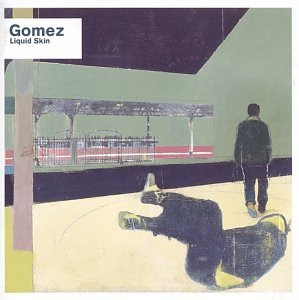
Liquid Skin
1999

Split The Difference
2004

How We Operate
2006

See The World
2006

In Our Gun
2002

How We Operate
2006

Abandoned Shopping Trolley Hotline
2000

Machismo E.P.
2000
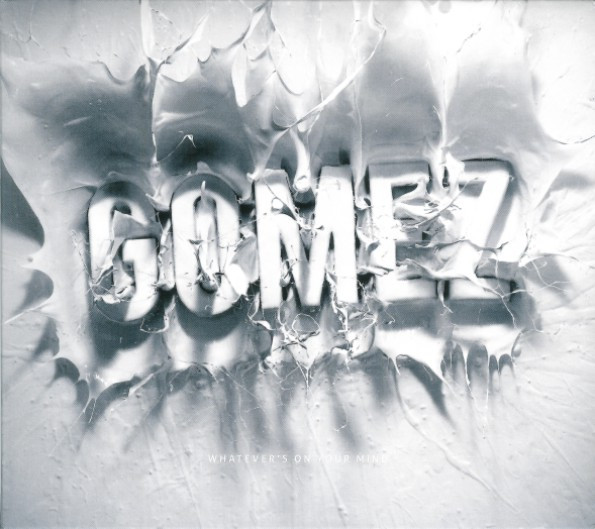
Whatever's On Your Mind
2011

A New Tide
2009

Five Men In A Hut (A's, B's, & Rarities: 1998-2004)
2006

Girlshapedlovedrug
2006

Out West
2005

Silence
2004

Catch Me Up
2004

Hotel Commissariat
2002

Detroit Swing 66 / Ping One Down EP
2002
Related artists
Around the web
Follow every record they touch.
Start your shelf and Gatefold tracks Gomez's new pressings, tour dates, and the whole discography — automatically.
Start your shelf →Free forever. Works with 10 records or 10,000.