
Artist
Gogol Bordello
New York City, United States · Formed 1999
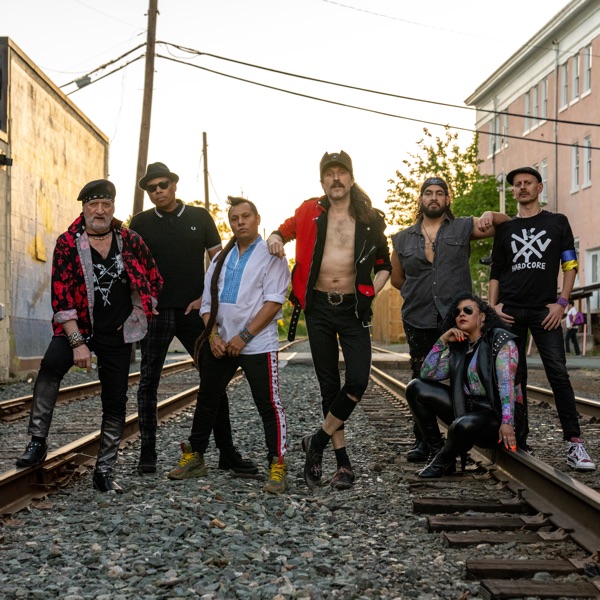
Gogol Bordello is a music group from New York City, United States, active since 1999. Their discography on Gatefold includes 11 records.
11
Albums tracked
41
In collections
1999
Since
Biography
Eugene Hütz started this whole mess playing acoustic guitar in a Bulgarian bar in Lower Manhattan before realizing he needed a rhythm section that could keep up with his manic energy. The early gigs were less like concerts and more like a riot in a communal kitchen, fueled by cheap wine and the frantic interplay between Sergey Ryabtzev’s violin and Yuri Lemeshev’s accordion. They weren't just playing folk music; they were playing punk rock with the 'wrong' instruments because that’s all they had on hand in the immigrant basement scene of the late nineties. By the time they hit the mid-2000s, they weren't just a local curiosity anymore. They became a legitimate global machine that could headline festivals without losing that weird, sweaty grit. Steve Albini tracked 'Gypsy Punks: Underdog World Strike' at Electrical Audio, and you can hear the difference—he captured the room exactly as it was, dry and violent, without the polish that usually kills this kind of energy. They had a few years where the spectacle threatened to swallow the songs, but Hütz is a smart enough songwriter to keep the hooks sharp enough to cut through the theatrics.
Bio from The Clerk
The Arc of Gogol Bordello
The pivots — what forced Gogol Bordello to reinvent.
The Lower East Side Basement Era
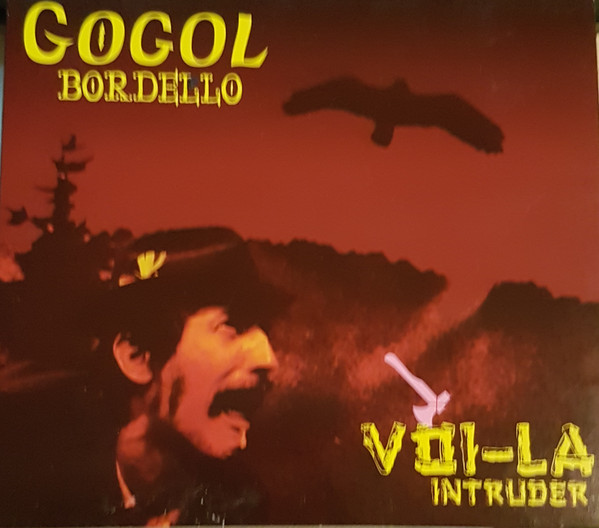
Before the big stages, the band was a rotating cast of immigrants and outsiders playing the Purity Diner and Mehanata. This period was defined by 'Voi-La Intruder' and 'Multi Kontra Culti vs. Irony,' where the production is thin and frantic because they were recording on a shoestring budget. The sound is dominated by the accordion and violin fighting for space over a backbone of dub-heavy basslines, marking their transition from a theatrical cabaret act into a genuine punk outfit.
The Albini Sessions
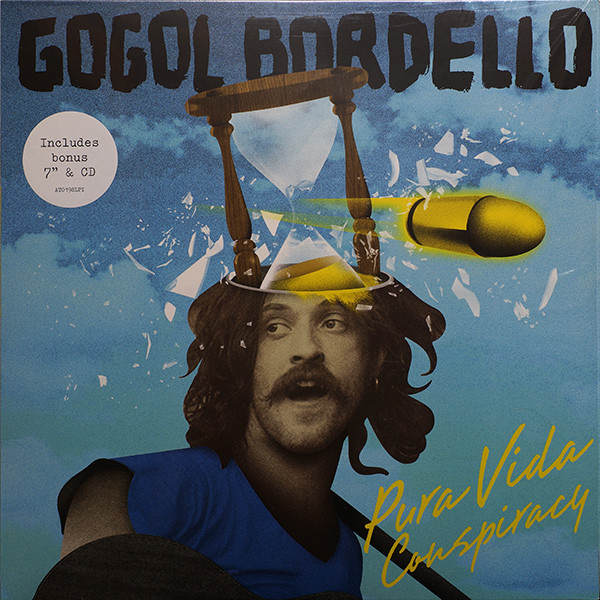
In 2005, the band headed to Chicago to work with Steve Albini, a move that stripped away the clutter and focused on their raw percussive power. Albini’s hands-off, high-fidelity analog approach on 'Gypsy Punks: Underdog World Strike' forced the band to play tighter than they ever had in the studio. You hear it in the drum room sound—no triggers, no bullshit, just the sound of a band finally catching up to the speed of Hütz’s internal metronome.
The Rick Rubin Polish
For 'Trans-Continental Hustle,' the band moved to Los Angeles and worked with Rick Rubin, who tried to find the pop heart inside the chaos. Rubin stripped back the frantic arrangements to let the vocals and acoustic guitars breathe, which pissed off some of the purists but gave the band their most cohesive radio-friendly sound. It was a polarizing shift that traded some of the basement grime for massive hooks and a cleaner, more deliberate low end.
Influences
- The Clash — Hütz has cited 'Sandinista!' as a blueprint for how a rock band can absorb global rhythms without losing its teeth. You hear it in the way they treat dub as a foundational element rather than a gimmick. It’s the spirit of 'know your rights' translated into a multilingual street fight.
- Mano Negra — Manu Chao’s original band set the standard for high-speed, multicultural patchwork punk that refuses to stay in one lane. Gogol Bordello took that template and swapped the French-Spanish vibe for a Slavic-Romani filter. The sheer speed and lyrical density are a direct carry-over from the 'Puta's Fever' era.
- Vladimir Vysotsky — The Russian bard’s raspy, raw delivery and 'blatnaya pesnya' (criminal songs) style is the DNA of Hütz’s vocal performance. You hear it in the theatrical growls and the focus on the struggle of the marginalized man. It’s folk music with a cigarette burn and a chip on its shoulder.
- Bad Brains — The band’s ability to pivot from blistering hardcore to deep, spiritual reggae comes straight from the HR playbook. Hütz has frequently cited their live energy as the bar he wants to hit every night. The syncopation in the rhythm section is too tight to be anything else.
- The Stooges — Before the folk instruments come in, Gogol Bordello is built on the foundation of Iggy Pop’s unhinged front-man energy and primitive, driving riffs. They’ve covered '1969' live because that specific brand of Detroit nihilism is the only thing loud enough to compete with a Balkan wedding band. It’s the raw power behind the accordion.
Discography
Their records — most-collected first.






Related artists
Around the web
Follow every record they touch.
Start your shelf and Gatefold tracks Gogol Bordello's new pressings, tour dates, and the whole discography — automatically.
Start your shelf →Free forever. Works with 10 records or 10,000.