Artist
Gloria Gaynor
Newark, United States · b. 1943
Gloria Gaynor is a musician from Newark, United States, active since 1943. Their discography on Gatefold includes 24 records.

24
Albums tracked
37
In collections
1943
Since
Biography
Gloria Gaynor spent the early seventies grinding in New Jersey clubs like the Wagon Wheel, fronting the Soul Satisfiers and getting her voice ready for a room that didn't exist yet. By the time she landed at MGM, the label was desperate for a hit and paired her with Meco Monardo. Meco wasn't just some suit; the guy was a trombone player who understood how to layer a kick drum so it didn't just play the beat—it drove the needle right through the floorboards. They took a Jackson 5 cover, stretched it out to nineteen minutes for the dance floor, and essentially invented the continuous club mix on Never Can Say Goodbye. But the industry is a fickle bitch. After a bad fall on stage at the Beacon Theatre left her paralyzed for months and the disco-sucks movement started burning crates of records in baseball stadiums, she had to pivot from the glitter to the pulpit just to keep her sanity. She went from the queen of the discotheque to a woman cutting contemporary gospel records that actually won Grammys, proving that the pipes matter more than the BPM.
Bio from The Clerk
The Arc of Gloria Gaynor
The pivots — what forced Gloria Gaynor to reinvent.
The Disco Blueprint
In 1974, Meco Monardo and Tony Bongiovi took over the production for Never Can Say Goodbye at MediaSound Studios. They engineered the first side of the album to play as one long, uninterrupted track specifically for the club DJs who were tired of dead air between 7-inch singles. This wasn't just a collection of songs; it was a technical shift that changed how R&B was sequenced for the next decade. You can hear that high-end shimmer and the relentless four-on-the-floor kick that defined the MGM sound before the rest of the world caught up.
The Perren Recovery
After her spinal injury and a string of mid-chart sleepers, Gloria signed with Polydor and linked up with Freddie Perren and Dino Fekaris. They were ex-Motown guys who had just been fired, and Gloria was wearing a back brace in the booth, which gave 'I Will Survive' a grit that most disco tracks lacked. It was originally a B-side to a cover of 'Substitute,' but the DJs flipped the record and realized the lyrics were a raw, heavy-hitting anthem for anyone who'd been kicked around. The production is tighter, leaner, and trades the orchestral fluff for a bassline that refuses to quit.
The Gospel Pivot
By the early eighties, the disco market had cratered and Gloria shifted her focus toward her faith and the church circuit. She stopped chasing the Billboard dance charts and started leaning into the heavy gospel arrangements she grew up on in Newark. Records like 2019's Testimony were tracked at RCA Studio A in Nashville with a room full of seasoned session players and guests like Yolanda Adams. It’s a return to the roots where the sequins are gone, replaced by a vocal power that sounds more lived-in and honest than anything from her stadium years.
Influences
- Sarah Vaughan — Gaynor has cited 'Sassy' as her primary vocal north star for phrasing and control. You hear that jazz-inflected discipline in the way she holds notes over a disco beat without losing the melody. It’s why she never sounded like a studio creation.
- The Jackson 5 — Her breakout was a direct cover of their hit 'Never Can Say Goodbye' reimagined for the dance floor. She took the bubblegum soul structure and aged it up for the nightlife crowd. That cover literally paved the way for the disco remix culture.
- Aretha Franklin — Gaynor credits Aretha's Atlantic era for teaching her how to project over a massive horn section. The authority in Gaynor's mid-range on 'I Will Survive' is a direct descendant of the Queen of Soul’s grit. No one else in disco had that kind of church-bred gravity.
- Nat King Cole — Gloria grew up listening to her father and brothers sing his repertoire at home. His smooth, impeccable diction influenced her clear delivery, ensuring every lyric landed even in a loud, cavernous club environment. She wasn't just a shouter; she was a storyteller.
- The Supremes — The glamor and the girl-group precision of Motown's flagship act provided the visual and professional template for Gloria's solo career. You can hear the influence in the tight, melodic backing vocal arrangements on her 70s Polydor sessions. It’s pop sensibility applied to a 120 BPM groove.
Discography
Their records — most-collected first.

Substitute / I Will Survive
1978

Never Can Say Goodbye
1975

Love Tracks
1978

Gloria Gaynor
1982

Gloria Gaynor's Park Avenue Sound
1978

I've Got You
1976

Experience Gloria Gaynor
1975

I Will Survive (Phil Kelsey Remix)
1993
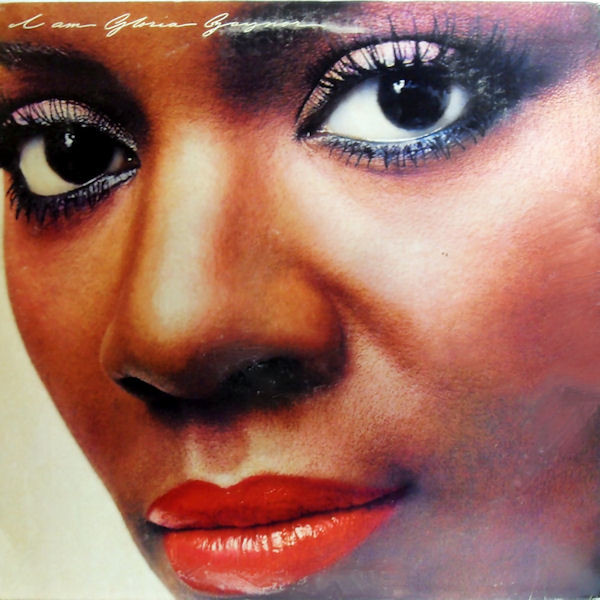
I Am Gloria Gaynor
1984

I Will Survive / Never Can Say Goodbye / Honey Bee / Reach Out (I'll Be There)
1982

The Best Of Gloria Gaynor
1980

The Best Of Gloria Gaynor
1977

How High The Moon
1975

Walk On By / Real Good People
1975
I Will Survive

Christmas Presence
2007

I Wish You Love
2003
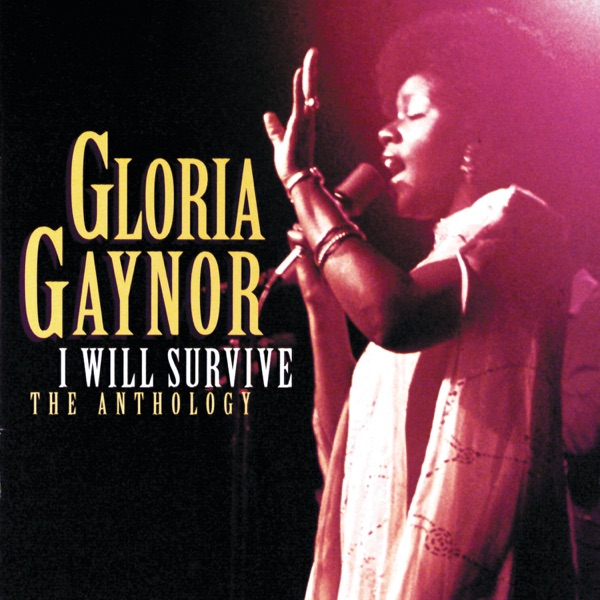
I Will Survive: The Anthology
1998

I'll Be There
1995

Love Affair
1992
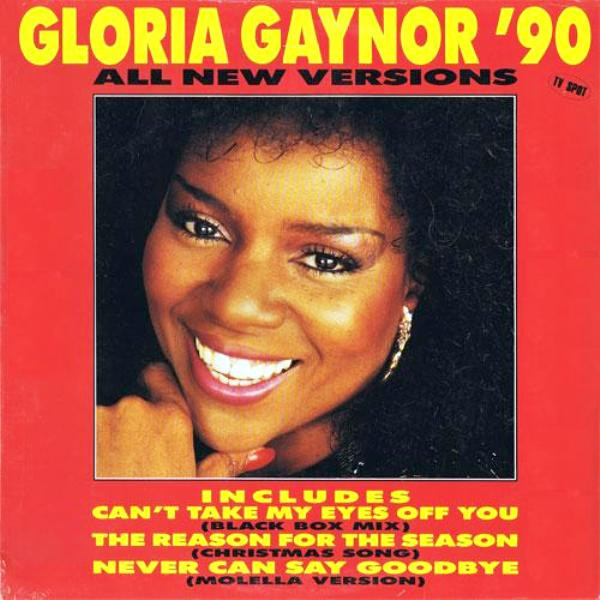
Gloria Gaynor '90
1990

The Power
1986
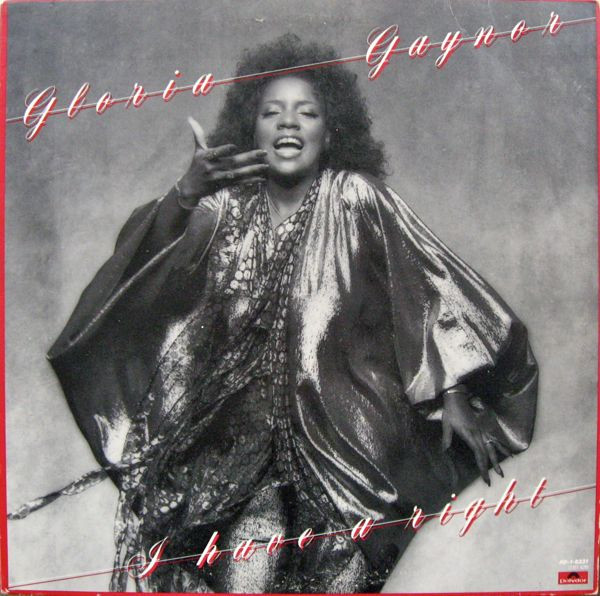
I Have A Right
1979
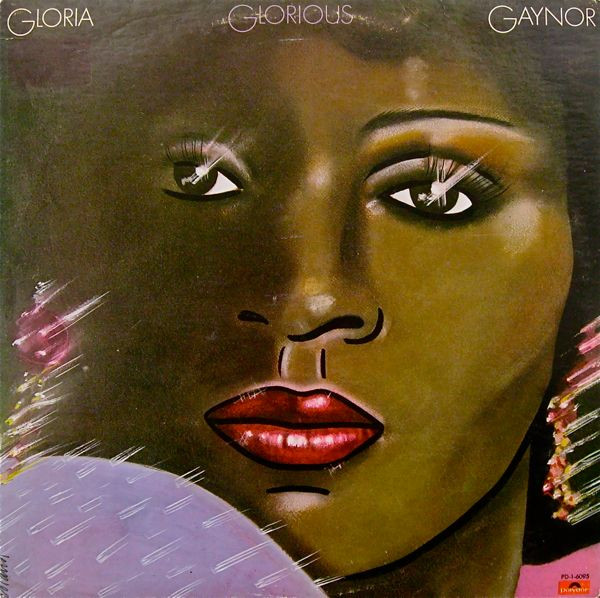
Glorious
1977
Related artists
Frequent collaborators
Around the web
Follow every record they touch.
Start your shelf and Gatefold tracks Gloria Gaynor's new pressings, tour dates, and the whole discography — automatically.
Start your shelf →Free forever. Works with 10 records or 10,000.