
Artist
The Ghost
Linköping, Sweden
The Ghost is a music group from Linköping, Sweden. Their discography on Gatefold includes 10 records.

10
Albums tracked
383
In collections
—
Since
Biography
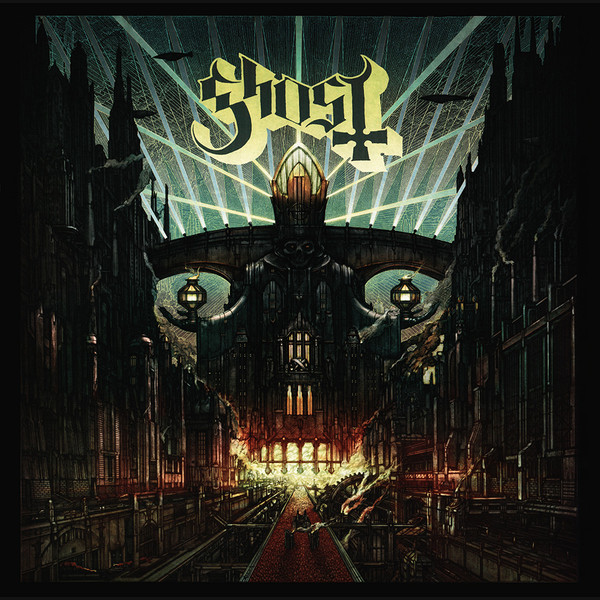
Tobias Forge spent his early years in the Swedish death metal trenches with Repugnant, but Ghost only happened because he realized these specific songs didn't work with a cookie-monster growl. He tracked the Opus Eponymous demos by himself, originally intending to just be the songwriter and guitarist before every other vocalist he approached turned him down. That first record sounds like it was recorded in a damp basement in 1979 because it basically was—lo-fi, analog, and stripped of the clinical polish that ruins most modern metal. By the time they hit Meliora, the budget finally matched the ego. They brought in Klas Åhlund, a guy known for producing Robyn and Katy Perry, to sharpen the hooks until they drew blood. It was a hell of a gamble that could have ended in a total sellout disaster, but it worked because the foundation was still rooted in that 70s heavy rock filth. Forge runs this thing like a dictator, cycling through Nameless Ghouls like guitar strings, which is why the vision never wavers even when the lawsuit drama threatened to burn the whole church down a few years back.
Bio from The Clerk
The Arc of The Ghost
The pivots — what forced The Ghost to reinvent.
The Basement Occultist
Opus Eponymous caught everyone off guard by sounding like a lost Blue Öyster Cult tape found in a Satanic ritual site. Forge handled almost everything on the record, leaning into a dry, mid-heavy production that ignored the loud-ness wars of 2010. You hear the limitations of the budget in the drum sounds, but that thinness actually makes the Mercyful Fate-style vocal harmonies pop. It was a niche record for people who missed the era when metal felt like a dangerous secret rather than a stadium show.
The Pop Transformation
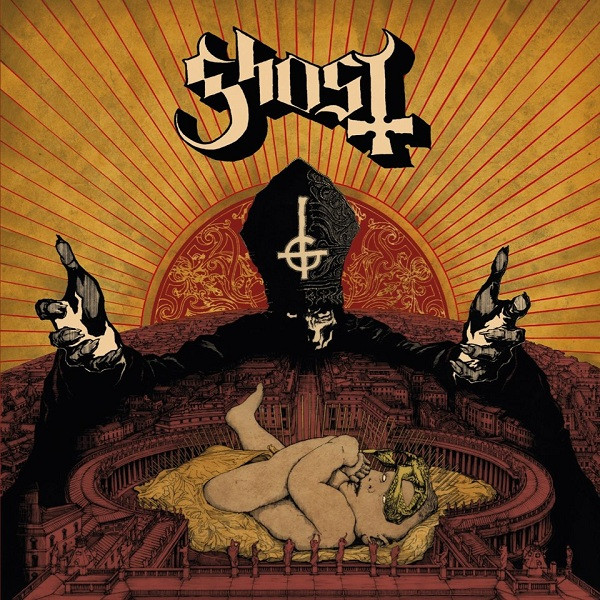
Infestissumam moved the operation to Nashville to work with Nick Raskulinecz, but the real pivot happened when they pivoted toward theatrical arena rock. The production got massive and the choir arrangements started eating up the frequency range, signaling a shift away from doom and into something much more flamboyant. This era forced the band to embrace the pantomime, trading the gritty mystery for a technicolor nightmare. It’s where the hooks started to sound like ABBA if they’d spent a weekend reading the Lesser Key of Solomon.
The Stadium Plague
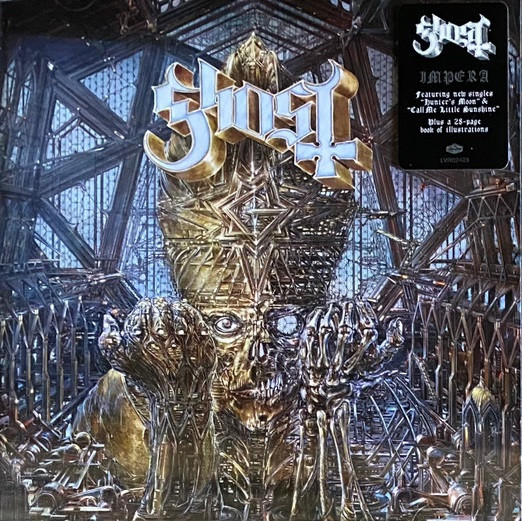
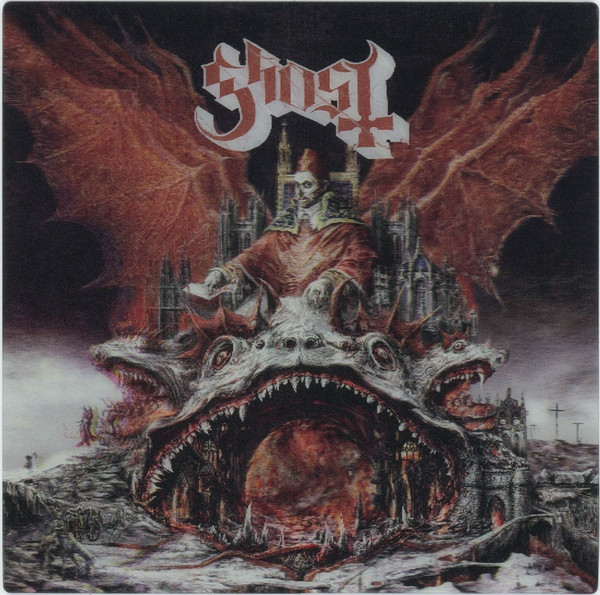
Prequelle and Impera saw the band fully shed their metal skin to become a pure 80s theatrical powerhouse. Forge brought in Tom Dalgety to produce, resulting in a sound that pulls as much from Foreigner and Def Leppard as it does from anything heavy. The riffs became cleaner and the synths moved to the front of the mix, turning the band into a legitimate pop-culture phenomenon. It’s the sound of a guy who finally won his battle with the underground and decided to take over the FM dial instead.
Influences
- Blue Öyster Cult — Forge has explicitly cited the 'Don't Fear the Reaper' harmonies as the blueprint for his vocal stacking. You hear it most clearly in the melodic swing of 'Ritual' and the eerie, clean guitar arpeggios that anchor their early material. It's the exact same marriage of occult dread and radio-friendly hooks.
- Mercyful Fate — King Diamond’s influence is all over the early riffs and the overtly Satanic lyrical theatre, which Forge has acknowledged in numerous interviews. The twin-guitar harmonies on Opus Eponymous are a direct lift from the Shermann/Denner playbook. Without Melissa, there is no Ghost.
- ABBA — It’s a Swedish thing, and Forge has never hidden his respect for the way Björn and Benny structured their pop songs. You can hear that meticulous attention to melody and bridge-building on a track like 'Dance Macabre.' It’s the DNA of Swedish pop applied to a heavy rock template.
- Arthur Brown — The theatricality and the greasepaint go back to the 'God of Hellfire' himself, who Ghost actually toured with during the early days. Brown’s flamboyant stage presence and fusion of horror and blues-rock provided the visual and conceptual permission for the Papa Emeritus persona. Fuckin' hell, the guy literally performed in a flaming helmet.
- Candlemass — The Swedish doom legends provided the slow-motion weight that Ghost used to anchor their early records. Leif Edling’s influence is baked into the DNA of the slower, more lumbering tracks like 'Death Knell.' It’s that specific brand of melodic doom that keeps the band from drifting too far into pure pop territory.
Discography
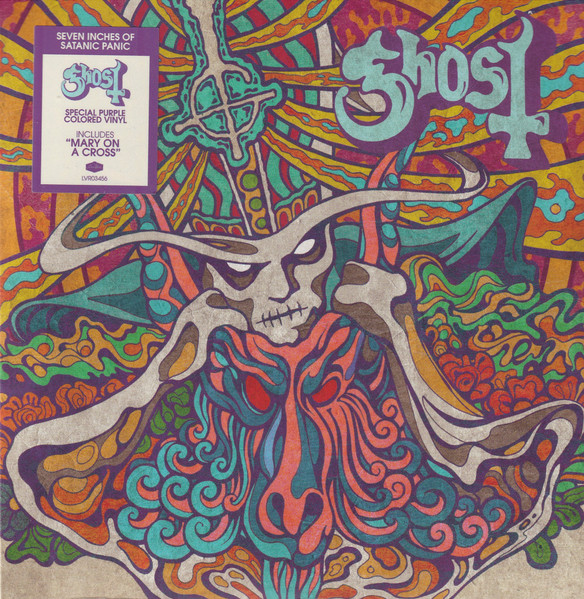
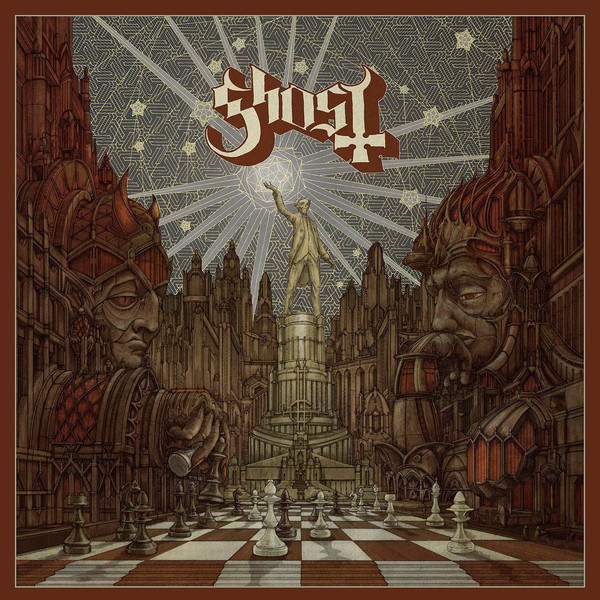
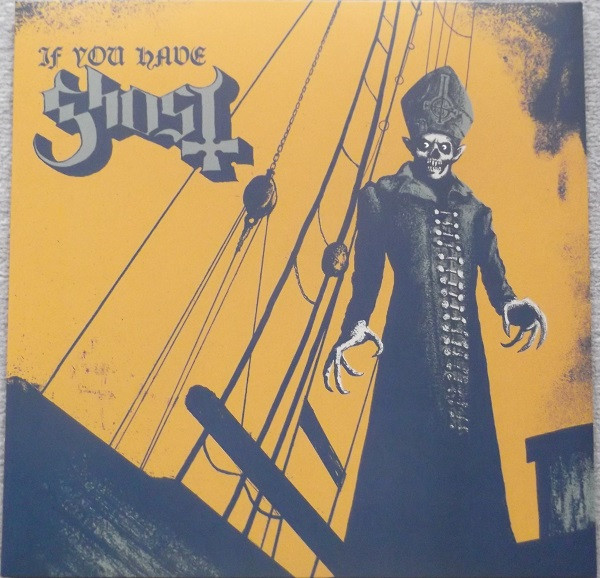
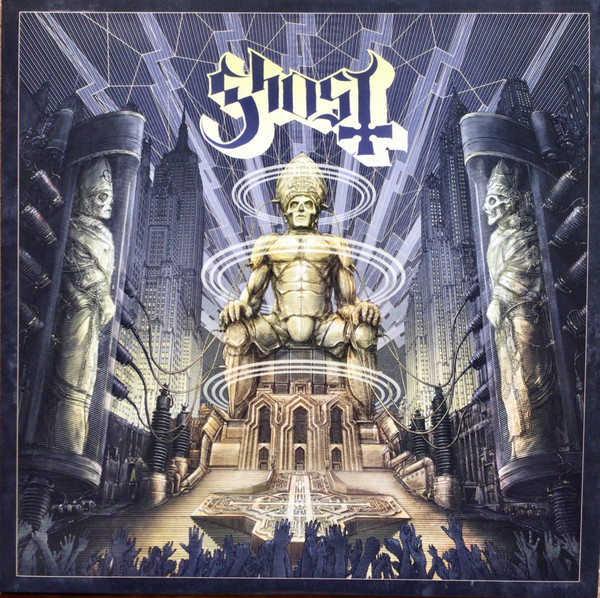
Their records — most-collected first.


Related artists
Around the web
Follow every record they touch.
Start your shelf and Gatefold tracks The Ghost's new pressings, tour dates, and the whole discography — automatically.
Start your shelf →Free forever. Works with 10 records or 10,000.