
Artist
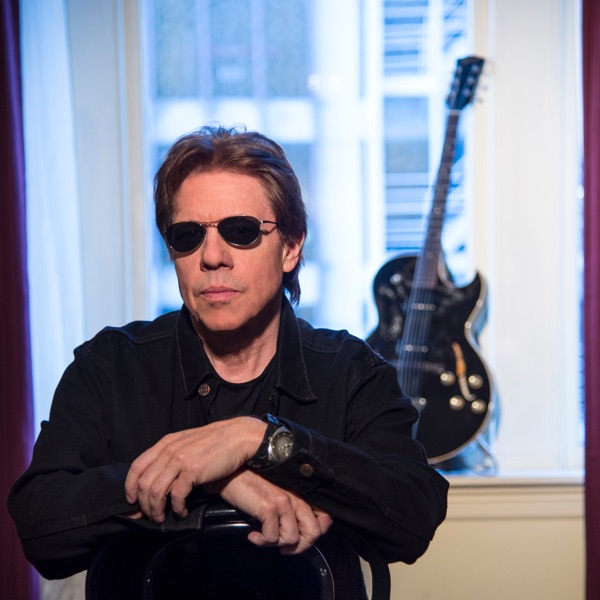
George Thorogood & the Destroyers
Wilmington, United States · Formed 1976
George Thorogood & the Destroyers is a music group from Wilmington, United States, active since 1976. Their discography on Gatefold includes 24 records.
25
Albums tracked
133
In collections
1976
Since
Biography
George was still working as a roadie for Hound Dog Taylor when he decided that being the guy hauling the amps wasn't nearly as much fun as being the guy plugged into them. He grabbed a Gibson ES-125—a hollow-body that most blues purists would find too feedback-prone for high-volume rock—and leaned into the screech. While the rest of the world was busy trying to figure out synthesizers and disco in '77, Thorogood and the Destroyers were in a studio in Boston cutting Elmore James covers with a raw, bar-band urgency that felt like a middle finger to the entire industry. Rounder Records was a folk and bluegrass label that didn't know what the hell to do with a loud-ass slide guitar player, but they put the first record out anyway. It wasn't about innovation; it was about preservation through volume. George wasn't trying to reinvent the wheel, he was just trying to make sure the wheel still hit like a sledgehammer. By the time they hit 'Bad to the Bone' in '82, the production got a little glossier for the MTV era, but the DNA remained the same three chords and a cloud of dust.
Bio from The Clerk
The Arc of George Thorogood & the Destroyers
The pivots — what forced George Thorogood & the Destroyers to reinvent.
The Rounder Years
Thorogood signed to a folk label that usually handled stuff like Hazel Dickens, which meant the early recordings have a dry, unadorned grit that sounds like a live set at a Delaware dive bar. There was no room for studio trickery or massive overdubs on those first three albums, just Jeff Simon's relentless drumming and Bill Blough's steady bass holding the floor while George wailed on the slide. This era peaked with 'Move It On Over,' where they proved that a bunch of white kids from Wilmington could play the blues with enough heat to make the Chess Records ghosts take notice.
The EMI Major Label Jump
Moving to EMI in 1982 changed the stakes when they walked into the studio to cut the title track for 'Bad to the Bone.' The label brought in a more structured production style, but they couldn't polish away George's obsession with Bo Diddley rhythms. This pivot turned a cult bar band into a global touring machine, fueled by a music video that put a pool cue in George's hand and Bo Diddley himself across the table. It’s the moment the band shifted from being blues scholars to becoming the definitive soundtrack for every Saturday night heater in America.
The Saxophone Reinforcement
The addition of Hank Carter on saxophone wasn't just a lineup change; it was a fundamental shift in the band's sonic weight. Adding that brass gave them a R&B swing that smoothed out the jagged edges of the early power-trio years. You hear it most clearly on the late '80s and early '90s cuts like 'I Drink Alone,' where the sax provides a soulful counterpoint to the distorted slide guitar. It turned the Destroyers into a bigger, louder ensemble that could fill arenas without losing the greasy feel of a juke joint.
Influences
- John Lee Hooker — George covered 'One Bourbon, One Scotch, One Beer' and turned it into his calling card. You hear it in the boogie-chillun stomp and that trademark hypnotic, one-chord drone that Thorogood used to anchor his longest live jams.
- Bo Diddley — The band's entire rhythmic foundation is built on the 'Bo Diddley beat,' and George frequently cited him as a primary hero. Diddley even appeared in the 'Bad to the Bone' video, a literal passing of the torch for that rectangular guitar swagger.
- Elmore James — Thorogood's slide technique is a direct descendant of James's aggressive, amplified style. He covered 'The Sky Is Crying' and 'Madison Blues,' keeping that searing, overdriven slide sound alive long after the original masters were gone.
- Hound Dog Taylor — George worked as a roadie for Taylor and learned the reality of the touring blues life firsthand. He captured Taylor's 'cheap guitar, loud amp' philosophy perfectly, prioritizing raw energy over technical perfection.
- Hank Williams — The band’s first major hit was a high-octane cover of 'Move It On Over.' George proved that country songs were basically just blues songs with a different hat, provided you played them fast enough through a distorted Gibson.
Discography
Their records — most-collected first.
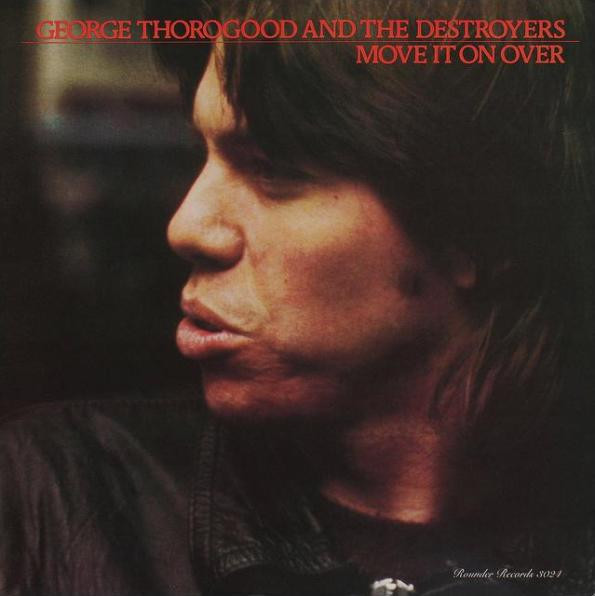
Move It On Over
1978
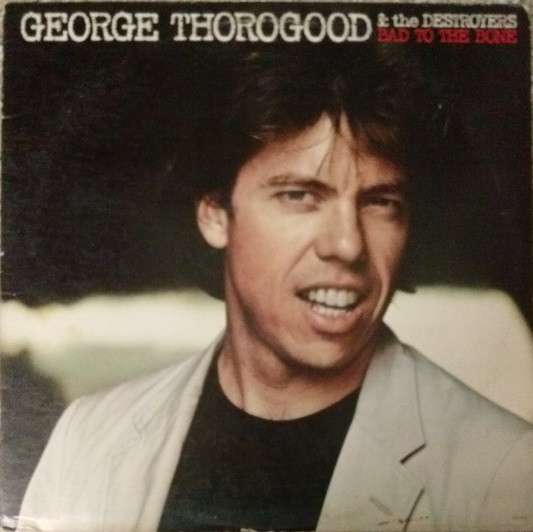
Bad To The Bone
1982
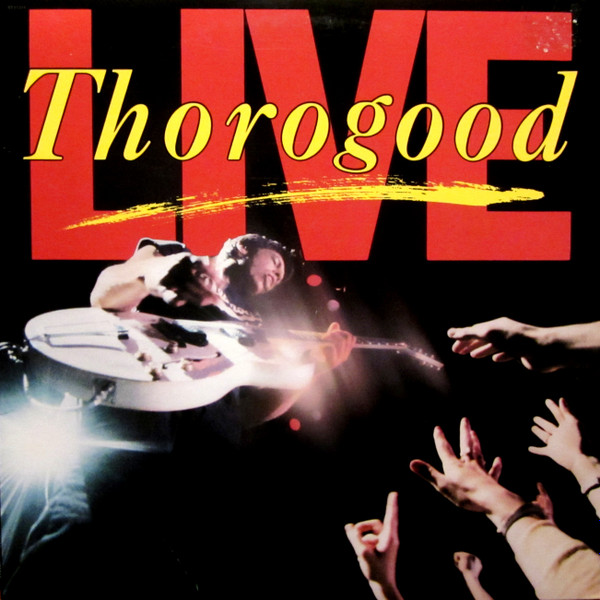
Live
1986
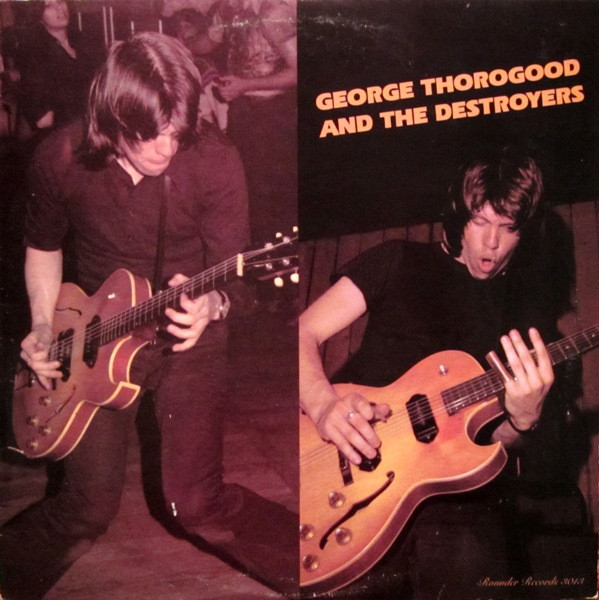
George Thorogood And The Destroyers
1977

Maverick
1985

The Baddest Of George Thorogood And The Destroyers
1992
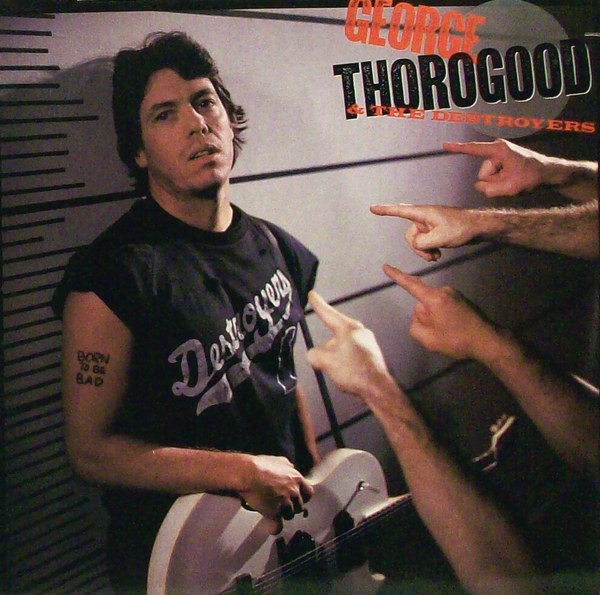
Born To Be Bad
1988

More George Thorogood And The Destroyers
1980

Better Than The Rest
1979

Greatest Hits: 30 Years Of Rock
2004

Anthology
2000

Haircut
1993

The George Thorogood Collection

Boogie People
1991

2120 South Michigan Ave.
2011

Ride 'Til I Die
2003

Live In '99
1999

Half A Boy / Half A Man
1999

Rockin' My Life Away
1997

Live In Boston 1982
2010

Essential Recordings - One Bourbon, One Scotch, One Beer
2009
The Dirty Dozen
2009
The Hard Stuff
2006

30th Anniversary Tour: Live
2004
Related artists
Around the web
Follow every record they touch.
Start your shelf and Gatefold tracks George Thorogood & the Destroyers's new pressings, tour dates, and the whole discography — automatically.
Start your shelf →Free forever. Works with 10 records or 10,000.