
Artist
George Jones
US country music vocalist
Saratoga, United States · 1931 – 2013
George Jones is a musician from Saratoga, United States, active 1931–2013. Their discography on Gatefold includes 24 records. They also recorded with George Jones & Tammy Wynette.
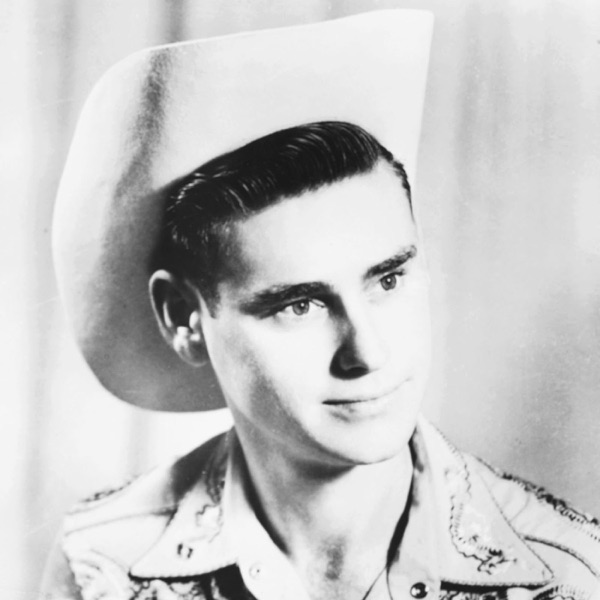
56
Albums tracked
116
In collections
1931
Since
Biography
Pappy Daily had to scream at George to stop doing a Hank Williams impression on those early Starday sessions. The guy had the greatest pipes in the history of the genre but he spent the mid-fifties trying to crawl inside a dead man’s suit. Once he figured out he could slide between notes like a pedal steel guitar, it was over. He turned the vocal take into a high-wire act where he’d chew on a vowel for three bars just to see if he’d fall off the beat. Then he hit the seventies and the wheels didn't just come off—they melted. Between the cocaine and the lawnmower drives to the liquor store, the records became a goddamn crapshoot of drunken takes and missed sessions. He’d show up at Sound Spectrum in Nashville with Billy Sherrill, barely able to stand, and still pull a performance out of his soul that would make a grown man weep into his beer. The guy was a mess, a drunk, and a ghost for half his career, but he could sing the yellow pages and make you feel like your house just burned down.
Bio from The Clerk
The Arc of George Jones
The pivots — what forced George Jones to reinvent.
The Starday Rockabilly Crawl
Before he was the king of the sad sacks, George was trying to keep up with the Elvis explosion under the name Thumper Jones. Pappy Daily pushed him toward uptempo numbers like White Lightning because that’s what was selling in '59. You can hear him fighting his own instincts, jittery and frantic, before he finally slowed down and realized his real power was in the ballad. It was a chaotic start that forced him to find his own phrasing just to avoid being a carbon copy of the guys on Sun Records.
The Sherrill Wall of Tears
When Billy Sherrill took over production at Epic, he ditched the sparse honky-tonk sound for massive strings and choral layers. This is the era of He Stopped Loving Her Today, a track George hated for being too morbid and over-produced until it became his biggest paycheck. Sherrill used those lush arrangements to anchor George’s increasingly erratic vocals as his personal life disintegrated. It resulted in a heavy, polished melancholy that defined the Nashville Sound throughout the late seventies.
The Duet Redemption
The marriage to Tammy Wynette moved the drama from the tabloids directly onto the master tape. Recording at Columbia with Sherrill, the pair turned their domestic warfare into a commercial goldmine with hits like We're Gonna Hold On. Even after the divorce, they kept cutting tracks because their vocal chemistry was the only thing more addictive than the substances George was abusing. You hear two people who can't live together but can't find a better harmony partner anywhere else on the planet.
Influences
- Hank Williams — George recorded the full-length tribute album George Jones Salutes Hank Williams in 1960. You hear it in the way he breaks his voice on the high notes. He spent his first five years in the studio basically trying to be Hank's ghost.
- Lefty Frizzell — George openly admitted to copying Lefty’s style of sliding into notes and elongating syllables. That vowel-heavy delivery on tracks like The Race Is On is a direct evolution of Lefty’s relaxed honky-tonk phrasing. It's the blueprint for everything George did with his throat.
- Roy Acuff — As a kid in Texas, George would busk for nickels singing Acuff songs like Great Speckled Bird. He took that mountain-style sincerity and the sharp, nasal resonance and dragged it into the modern studio. Acuff was the first guy who showed him that a country singer could be a star without being a cowboy.
- Bob Wills — George cut a dedicated Bob Wills tribute record in 1962, focusing on the Western Swing swing and rhythm. The influence shows up in George's impeccable sense of timing and his ability to stay behind the beat without losing the groove. He learned how to treat a vocal like a lead instrument from the Texas Playboys.
- Ernest Tubb — Tubb was the guy George listened to on the Grand Ole Opry while hiding in the bushes outside his house. You hear it in the bottom end of George's range and his commitment to the hard-country aesthetic. Tubb's literal, plain-spoken style provided the foundation that George later decorated with all those vocal gymnastics.
George Jones — solo
Their records — most-collected first.
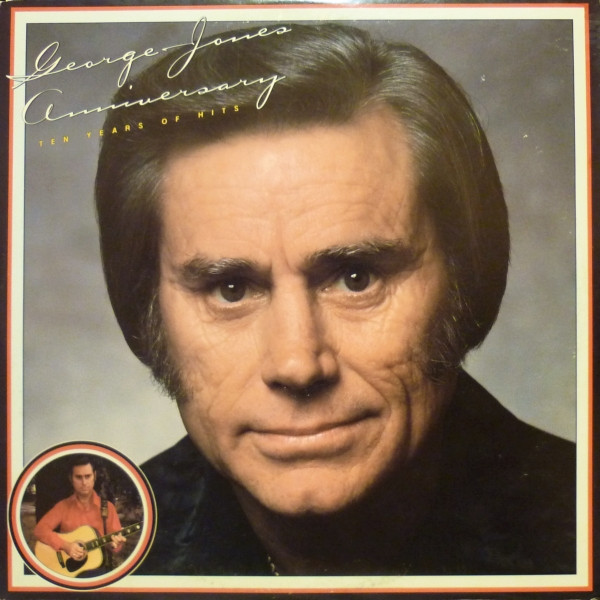
Anniversary - Ten Years Of Hits
1982

I Am What I Am
1980

Still The Same Ole Me
1981

George Jones Greatest Hits
1967

Blue & Lonesome
1964

Cold Hard Truth
1999

Shine On
1983
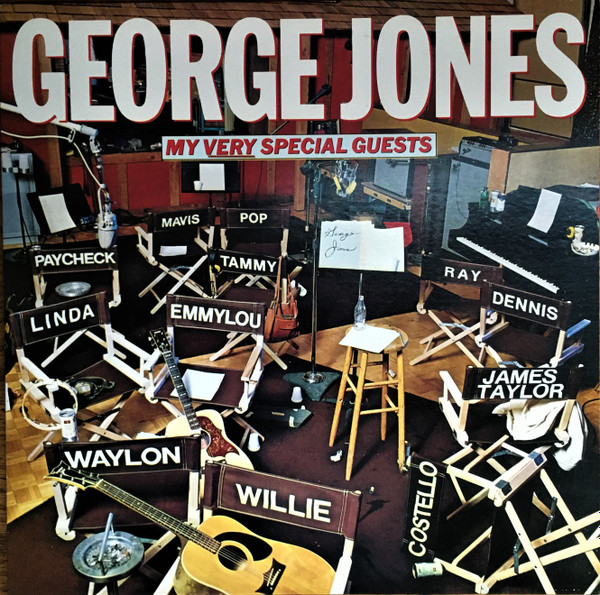
My Very Special Guests
1979

The Best Of George Jones
1975

Jones Country
1983

Country Music
1981

All-Time Greatest Hits Volume I
1977

Golden Hits
1966

The Race Is On
1965

My Favorites Of Hank Williams
1962

Super Hits
1987
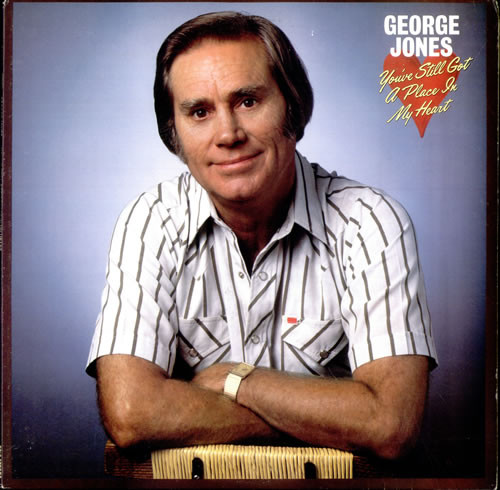
You've Still Got A Place In My Heart
1984

The Very Best Of George Jones
1982

Golden Hits
1981
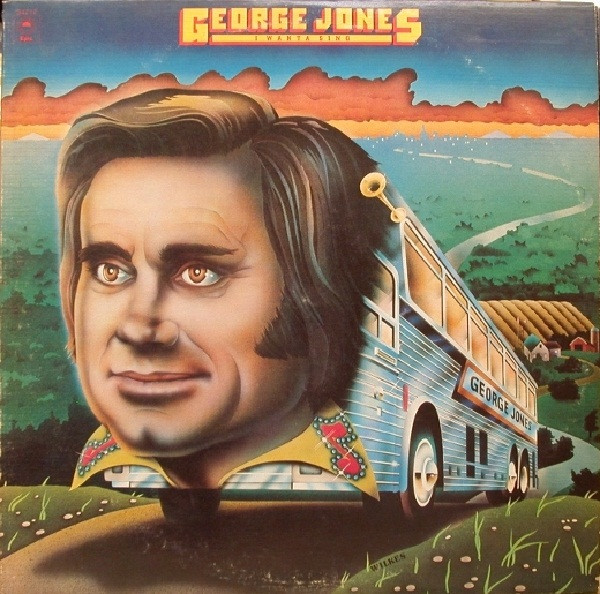
I Wanta Sing
1977

You're In My Heart
1968

The George Jones Story
1968

I'm A People
1966

Love Bug
1966
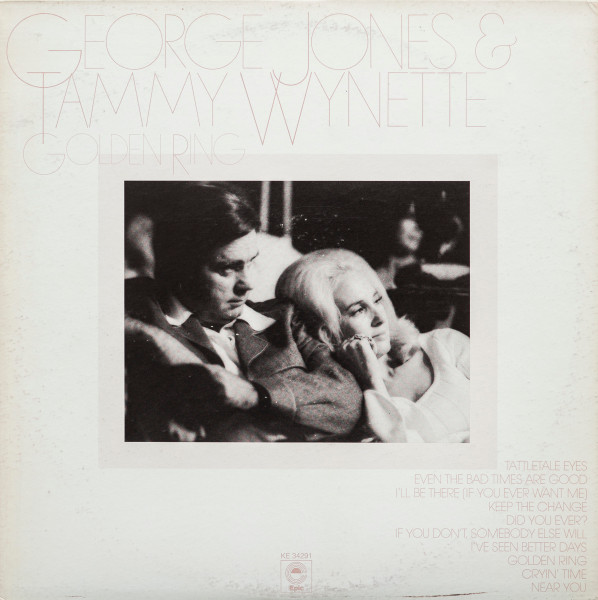
George Jones & Tammy Wynette
George Jones under another name — MusicBrainz marks this project eponymous.


Related artists
Frequent collaborators
Around the web
Follow every record they touch.
Start your shelf and Gatefold tracks George Jones's new pressings, tour dates, and the whole discography — automatically.
Start your shelf →Free forever. Works with 10 records or 10,000.