
Artist
Flying Saucer Attack
English space rock band
Bristol, United Kingdom · 1992 – 2000
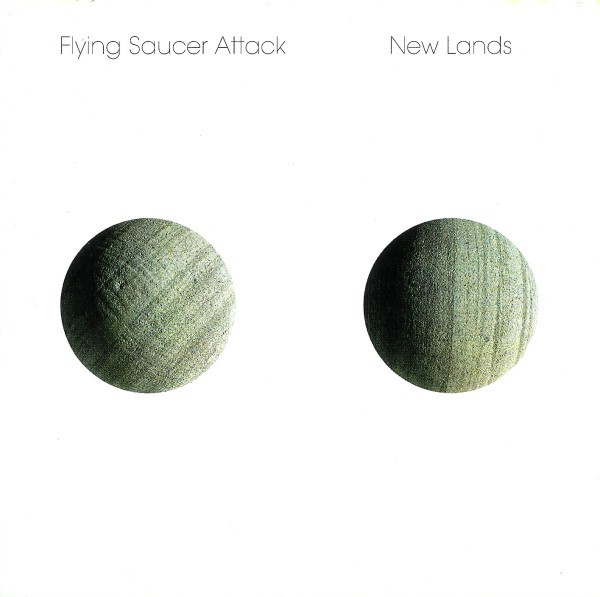
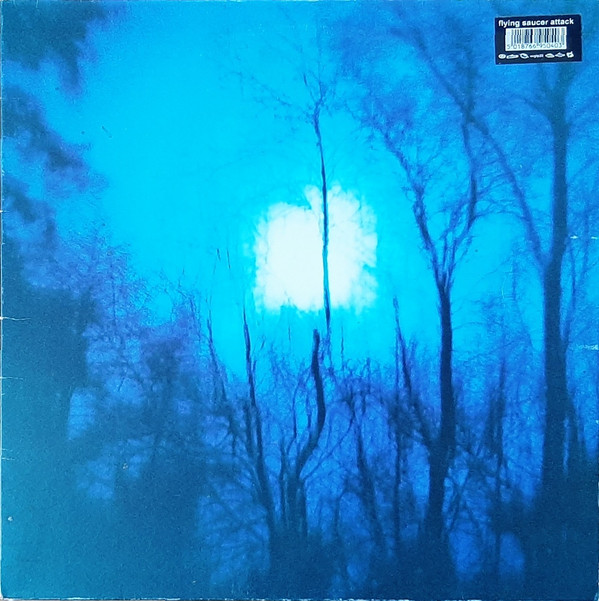
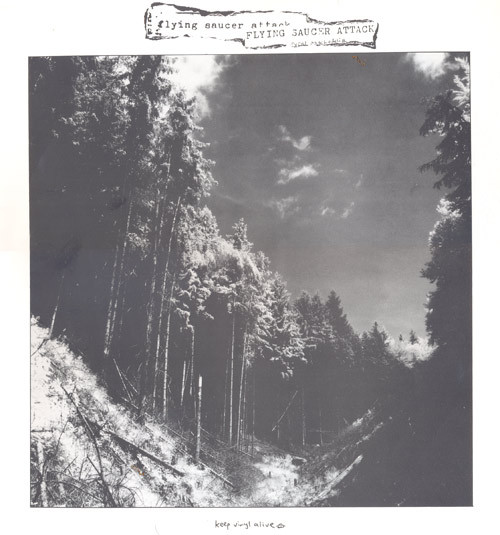
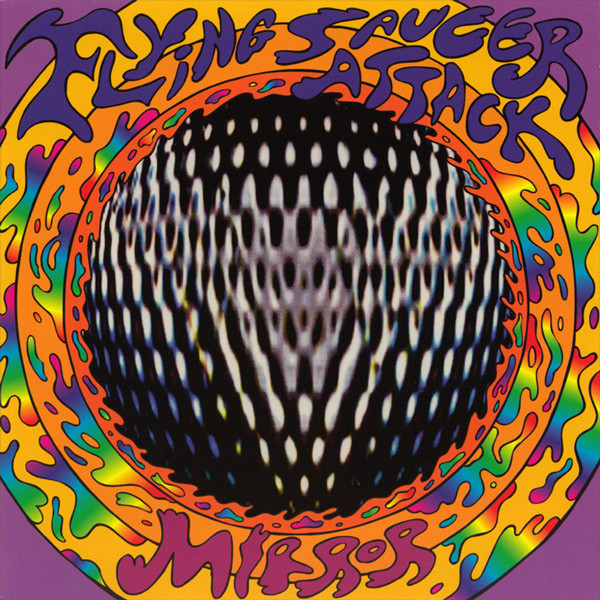
Flying Saucer Attack is a music group from Bristol, United Kingdom, active 1992–2000. Their discography on Gatefold includes 12 records.

12
Albums tracked
30
In collections
1992
Since
Biography
David Pearce recorded the early stuff in his bedroom on a cheap four-track with a focus on 'rural psychedelia' that mostly meant he was blowing out the inputs until the acoustic guitars sounded like jet engines. He wasn't some shoegaze kid trying to be pretty. He was trying to find the middle ground between the pastoral folk of the 70s and the sheer, ear-bleeding feedback of a broken amplifier. Most of those early Bristol sessions were just Pearce and Rachel Brook pushing the limits of home recording gear until the tape hiss became a member of the band. By the time they signed to Domino, the 'group' was mostly a rotating door of ideas centered on Pearce’s obsession with noise-as-texture. People called it lo-fi, but that's a lazy take. It was deliberate, high-concept interference. He eventually burned out on the whole concept of being a 'band' and retreated into purely instrumental, sprawling soundscapes that stripped away the vocals entirely. It wasn't a commercial move. It was a guy realizing that the more he polished the production, the more the magic leaked out of the room.
Bio from The Clerk
The Arc of Flying Saucer Attack
The pivots — what forced Flying Saucer Attack to reinvent.
The Rural Psychedelia Home Tapes
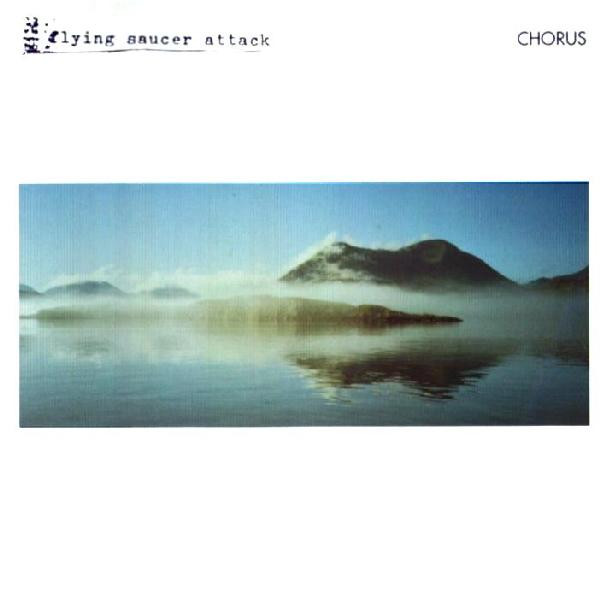
Pearce and Brook started by self-releasing singles on their own FSA label, defined by a strict DIY ethos that rejected professional studios entirely. You can hear the hardware straining on the self-titled debut, where the acoustic melodies are constantly under siege by waves of white noise generated from cheap pedals and overloaded mixers. It was a reaction to the slicker shoegaze coming out of London, favoring a jagged, Bristol-centric isolation. This era peaked with 'Chorus,' which functioned as a massive feedback-drenched farewell to their initial home-recorded sound.
The Domino Shift and the Solo Turn
When Rachel Brook left to focus on Movietone, the dynamic shifted from a collaborative duo to Pearce’s singular, increasingly abstract vision. The 1997 album 'New Day' signaled a move toward clearer production and more structured songwriting, but Pearce quickly grew frustrated with the constraints of traditional rock formats. He began leaning into the 'Phase' series, focusing on drones and long-form experiments that abandoned the verse-chorus-verse structure entirely. This period effectively ended the band as a live entity, turning Flying Saucer Attack into a ghost project that existed only in the studio.
Influences
- The Velvet Underground — Pearce has repeatedly cited 'Sister Ray' as a foundational text for his approach to sustained noise and feedback. You hear it in the way he lets a single distorted chord hang for minutes, favoring the hypnotic throb of the Velvets over traditional melody. It’s the blueprint for the entire 'Distance' compilation.
- Nick Drake — The 'rural' side of their sound comes straight from Drake’s fingerpicked fragility. Pearce explicitly mentioned Drake in early interviews to explain the folk-underpinnings of his distorted tracks. The ghost of 'Pink Moon' is all over the quiet, un-amplified moments of 'Further.'
- Can — The band covered 'Vitamin C' on an early 7-inch, proving their debt to the motorik pulse of Krautrock. They took Jaki Liebezeit’s steady, repetitive rhythms and buried them under a mile of static. It's the rhythmic skeleton that keeps their longest jams from falling apart.
- Popol Vuh — Pearce’s interest in ambient, spiritual soundscapes is a direct line from Florian Fricke’s work. He’s praised their ability to make music that feels massive and cinematic without being aggressive. You hear this influence most clearly on the later, more expansive instrumental tracks where the feedback softens into a drone.
- The Jesus and Mary Chain — The 'Psychocandy' formula of burying a pop song under a mountain of screeching distortion is the literal starting point for FSA. Pearce took the Reid brothers' template but swapped the 60s girl-group melodies for English folk sensibilities. It’s the same war between melody and noise, just fought in a different field.
Discography
Their records — most-collected first.





Related artists
Members
Around the web
Follow every record they touch.
Start your shelf and Gatefold tracks Flying Saucer Attack's new pressings, tour dates, and the whole discography — automatically.
Start your shelf →Free forever. Works with 10 records or 10,000.