
Artist
Flairck
Kingdom of the Netherlands · Formed 1976
Flairck is a music group from Kingdom of the Netherlands, active since 1976. Their discography on Gatefold includes 13 records.

13
Albums tracked
1
In collections
1976
Since
Biography
Erik Visser and Peter Weekers didn't want a drummer, they wanted an orchestra of fingers. They started out in the mid-70s trading classical precision for folk grit, dragging a van-load of lutes, pan flutes, and double basses across the Netherlands until the labels finally realized people actually wanted to hear twelve-minute acoustic instrumental suites. It was chamber music played with the aggression of a street fight, and it made them massive in Europe when they should have been a footnote. By the time they hit the 80s, the purity of the early acoustic stuff started to warp. They got involved with Georges Moustaki and began chasing bigger, more theatrical stage shows that sometimes felt like the music was being swallowed by the spectacle. They went through lineup changes like most people change socks, but Visser’s obsessively complex arrangements kept the thing from ever becoming background music. Even when they drifted toward New Age territory in the 90s, there was always a weird, sharp edge to the composition that kept them from becoming total dental office fodder.
Bio from The Clerk
The Arc of Flairck
The pivots — what forced Flairck to reinvent.
The Polydor Breakthrough
After two years of relentless touring, Flairck signed to Polydor and dropped Variaties op een dame in 1978, which became an unlikely multi-platinum smash. The title track is twenty minutes of acoustic shredding that proved they could out-play the prog giants of the era without plugging in a single amp. This was the peak of the original core quartet, defined by the interplay between Sylvia Houtzager’s violin and Visser’s twelve-string guitar, creating a sound that was too folk for the conservatory and too smart for the pub.
The Global Expansion
In the early 80s, the band expanded their reach through high-profile collaborations with French songwriter Georges Moustaki and Greek singer Maria Farantouri, shifting the focus toward a more pan-European theatrical sound. Circus and Bal Masqué turned their concerts into multidisciplinary performances, integrating dance and pantomime which alienated some of the purist folk-heads but opened doors in Asia and South America. You hear the change in the arrangements—the songs stopped being about the technical sprint and started being about the atmosphere of the stage.
The Symphony of the Old World
The 1989 release of The Sleeping Beauty saw the band leaning into full-blown conceptual suites and larger ensembles, often blurring the line between a folk group and a small chamber orchestra. Peter Weekers left the group for a long stretch during this period, leaving Visser to push the band into increasingly dense, avant-garde territory that leaned on world music textures. The records from this era are heavy, meticulous, and lack the breezy improvisation of the early years, replaced instead by a rigorous, almost mathematical approach to acoustic composition.
Influences
- Béla Bartók — Visser has cited Bartók’s field recordings and folk-to-classical transcriptions as the blueprint for his own arrangements. You hear it in the dissonant intervals and the rapid, rhythmic shifts on the Gevecht met de engel suite. It’s the source of that nervous, Eastern European energy they injected into Dutch folk.
- The Chieftains — Before forming Flairck, Visser spent time in Ireland and was obsessed with the technical discipline Paddy Moloney brought to traditional music. The way Flairck treats the pan flute as a lead virtuosic instrument mirrors the way Moloney centered the uilleann pipes. It’s the difference between a casual jam and a professional ensemble.
- Jethro Tull — Ian Anderson's flute technique is the direct ancestor to Peter Weekers' aggressive, breathy style. In early live sets, Weekers would borrow that same overblown, percussive attack that defined Tull’s folk-prog era. They took the attitude of a rock band and applied it to the wooden flute.
- Django Reinhardt — The acoustic swing and frantic flat-picking on tracks like 'Double-Stop' are straight-up Manouche jazz worship. Visser has frequently acknowledged the impact of Gypsy Jazz on his guitar technique. You can hear the ghost of the Hot Club of France in the way they handle fast-tempo acoustic syncopation.
- Antonio Vivaldi — The band actually recorded a full interpretation of The Four Seasons in the mid-90s, but the influence was there from day one. The structural back-and-forth between the violin and the guitar in their early work is modeled on the Baroque concerto form. It’s the foundational DNA of their entire chamber-folk concept.
Discography
Their records — most-collected first.


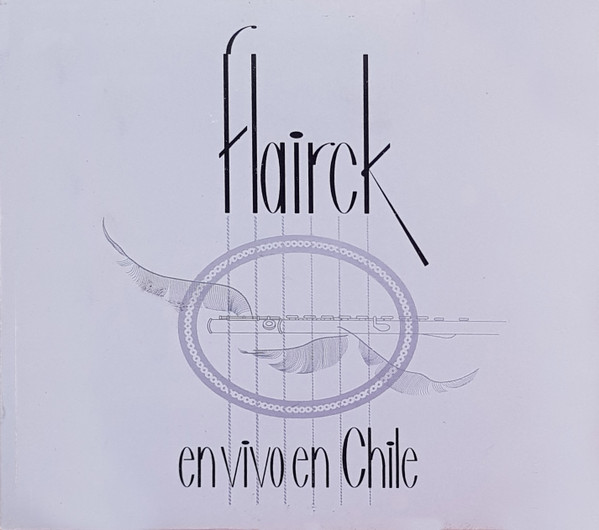


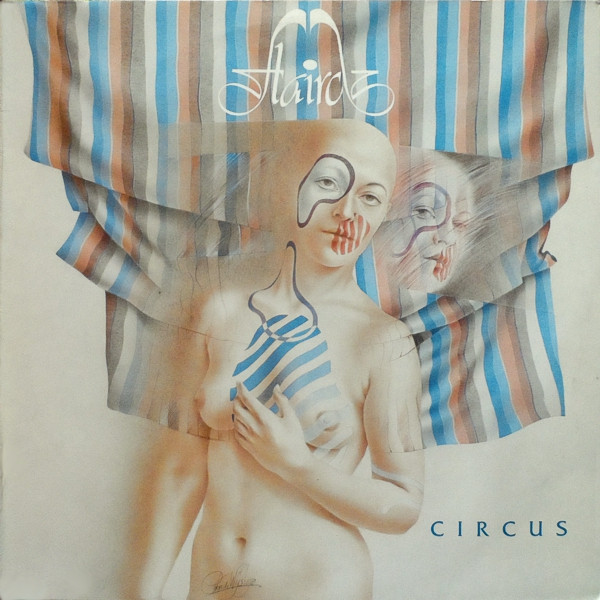


Related artists
Around the web
Follow every record they touch.
Start your shelf and Gatefold tracks Flairck's new pressings, tour dates, and the whole discography — automatically.
Start your shelf →Free forever. Works with 10 records or 10,000.