
Artist
Father John Misty
Rockville, United States · b. 1981
Father John Misty is a musician from Rockville, United States, active since 1981. Their discography on Gatefold includes 11 records.

11
Albums tracked
321
In collections
1981
Since
Biography
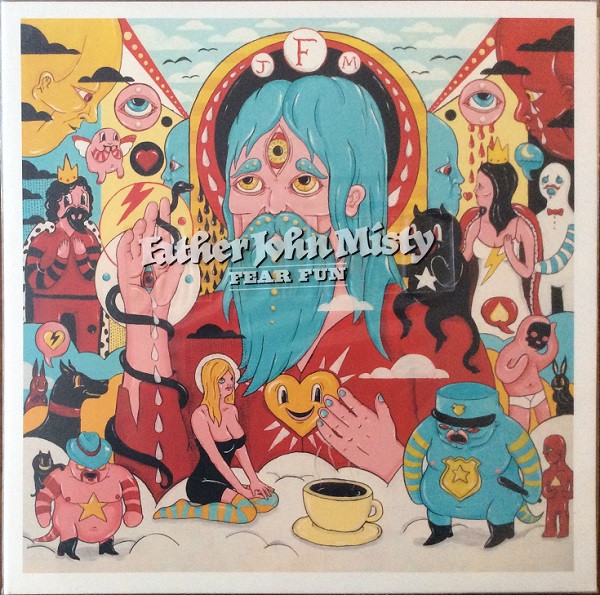
Josh Tillman spent years drumming for Fleet Foxes and putting out morose, fingerpicked acoustic records under his own name that went straight to bargain bins. He hated it. So he bought an old van, ate mushrooms, drove south to Laurel Canyon, and invented a sleazy, hyper-literate alter ego to take the piss out of earnest indie rock. When Fear Fun dropped in 2012, Father John Misty sounded like a guy waking up on a stranger's lawn with a hangover and a smirk, trading quiet introspection for widescreen swagger and acoustic guitar stomp. He pulled off an improbable trick: parodying rock star vanity while actually becoming one. By the mid-2010s, the orchestrations swelled to Broadway proportions and the lyrics leaned hard into misanthropy, self-lacerating romance, and the sheer dread of being alive in modern society. Then the bit nearly ate him alive during the hotel-room spiral of God's Favorite Customer. He survives because beneath all the grandstanding, tailored suits, and microphone-swinging cabaret, the melodic instinct is dead sharp.
Bio from The Clerk
The Arc of Father John Misty
The pivots — what forced Father John Misty to reinvent.
The Laurel Canyon Cynic
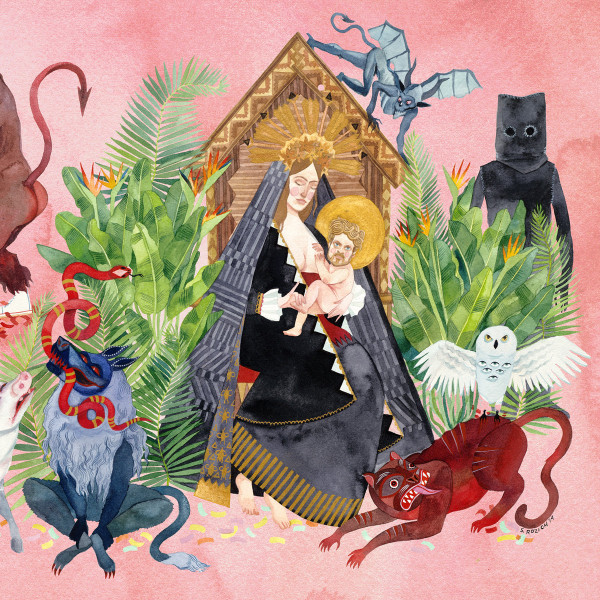
Dumping the drummer stool and the J. Tillman moniker, he rebooted his entire career with Fear Fun and I Love You, Honeybear. The arrangements married lush seventies folk-rock with brutal, funny, and deeply cynical self-dissection. You hear it in the wall of acoustic guitars and massive drum sounds clashing against lyrics about ego death and obsessive romance. It turned him from an obscure sideman into an indie headliner practically overnight.
The Apocalyptic Monologue
Pure Comedy stripped out the breezy humor and replaced it with sprawling, piano-driven polemics about the end of human civilization. The arrangements pushed seventy-plus minutes of strings, horns, and bleak observational theater, ditching traditional hooks for marathon verses. It was polarizing as hell and openly exhausting to sit through in one sitting. But it proved he would rather alienate casual fans than repeat the Honeybear formula.
The Crash and The Crooner
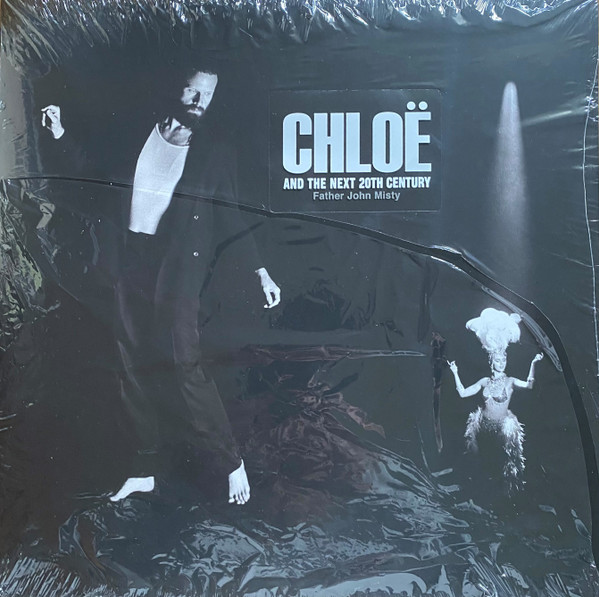
The burnout hit immediately on God’s Favorite Customer, written largely in a New York hotel while his personal life came unglued. After that tight, bruised damage control, he pivoted fully toward mid-century jazz-pop and traditional orchestration on Chloë and the Next 20th Century. Instead of Laurel Canyon dirt, he indulged in sweeping strings, big-band woodwinds, and Tin Pan Alley arrangements. The irony didn't vanish, but it got buried under a pristine layer of old-Hollywood grandeur.
Influences
- Harry Nilsson — Tillman explicitly channels Nilsson's signature move of pairing heartbreaking, gorgeous melodies with barbed, deeply sarcastic lyrics. You hear it all over tracks like 'Bored in the USA,' where lush piano ballads carry sour punchlines. It is the gold standard for pop self-sabotage.
- Leonard Cohen — Tillman covered Cohen's catalog directly on the 2020 Anthem +3 release and regularly cites him as a primary lyrical touchstone. The deadpan, apocalyptic baritone delivery across Pure Comedy owes almost everything to Cohen's late-era sardonic dread. He takes Cohen's biblical cadence and drops it directly into modern existential despair.
- Warren Zevon — Zevon is the blueprint for the cynical, hard-drinking Laurel Canyon satirist who still knows how to write a killer hook. The dark humor and self-lacerating narratives across Fear Fun pull straight from the playbook Zevon perfected in the late seventies. Neither one ever met a self-destructive impulse they couldn't turn into a punchline.
- Randy Newman — Tillman frequently uses Newman’s approach of singing from the perspective of arrogant, flawed, and untrustworthy narrators. Listen to the orchestrated hubris and biting societal commentary on Pure Comedy; the piano-led bite is textbook Newman. It lets him tell harsh truths by playing the villain.
- Serge Gainsbourg — The lush, cinematic orchestrations of I Love You, Honeybear mirror the string arrangements and sensual decadence of Gainsbourg's 1971 landmark Histoire de Melody Nelson. Tillman adopts the same louche, cigarette-smoking provocateur persona to mock romantic obsession. It is melodrama engineered with a permanent smirk.
Discography
Their records — most-collected first.




Around the web
Follow every record they touch.
Start your shelf and Gatefold tracks Father John Misty's new pressings, tour dates, and the whole discography — automatically.
Start your shelf →Free forever. Works with 10 records or 10,000.