
Artist
Everything but the Girl
Kingston upon Hull, United Kingdom · Formed 1981
Everything but the Girl is a music group from Kingston upon Hull, United Kingdom, active since 1981. Their discography on Gatefold includes 24 records.

31
Albums tracked
142
In collections
1981
Since
Biography
Tracey Thorn and Ben Watt met at Hull University and basically spent the next forty years proving that 'jazz-pop' doesn't have to be a fucking slur for dental office background music. They started as two solo artists on Cherry Red who realized they were both obsessed with the same 1950s Torch songs and 1960s soul records. Eden was tracked at Power Plant Studios in London with Mike Hedges, and it didn't sound like the slick, shiny bullshit happening in 1984. It was woody, dry, and intimate as hell. It was the anti-synth-pop record. Then they almost lost the plot in the late '80s and early '90s trying to be American soft-rock stars. They hired Tommy LiPuma and flew to Los Angeles to record The Language of Life with a bunch of session heavyweights, including Stan Getz. It’s technically perfect and almost completely devoid of the grit that made them interesting in the first place. They were too tasteful for their own good. It took Ben Watt nearly dying from a rare autoimmune disease and a Todd Terry remix of a folk-rock tune to snap them out of the professional adult-contemporary trap and push them into the drum and bass clubs where they actually belonged.
Bio from The Clerk
The Arc of Everything but the Girl
The pivots — what forced Everything but the Girl to reinvent.
The Post-Punk Jazz Rebellion
After Thorn’s stint in Marine Girls and Watt’s solo folk explorations, they traded the DIY scratchiness of the indie scene for a sophisticated, bossa-nova-influenced minimalism. Working with Mike Hedges, they kept the arrangements sparse to highlight Thorn’s low, bruised vocal delivery against Watt’s clean hollow-body guitar chords. It was a calculated pivot away from the noise of the era toward something that felt like a dusty 1950s French film. You hear it in the way the percussion on 'Each and Every One' sits right at the front of the mix without ever feeling aggressive.
The Orchard Road Detour
By 1990, the band chased a high-fidelity American sound, bringing in Tommy LiPuma to produce a record that looked toward Steely Dan levels of precision. This era was defined by expensive L.A. studios and the hiring of jazz legend Stan Getz for a sax solo on 'The Road', which signaled a move away from their indie roots into pure pop-jazz craftsmanship. While the songwriting remained sharp, the production felt like a suit that was two sizes too big for them. It’s the sound of a band trying to find their ceiling by seeing how much polish they could apply before the original feeling disappeared.
The Drum and Bass Resurrection
The pivot that saved them happened when Todd Terry took the melancholic 'Missing' and turned it into a global house anthem. This coincided with Ben Watt spending his nights at Goldie's Metalheadz Sundays, soaking up the jungle and breakbeat culture that was exploding in London. They ditched the session players for an Akai sampler and a computer, resulting in Walking Wounded, where Thorn’s heartbroken lyrics finally met the jittery, nervous energy of the UK underground. It wasn't a reinvention; it was a realization that their brand of loneliness worked better on a dancefloor than in a lounge.
Influences
- Astrud Gilberto — Tracey Thorn has explicitly cited Gilberto’s deadpan, unornamented delivery on 'The Girl from Ipanema' as the blueprint for her own vocal style. You hear that cool, detached intimacy all over the Eden sessions. It’s the art of doing more by doing less.
- The Velvet Underground — Thorn came out of the DIY post-punk scene where the VU’s primitive, honest approach to songwriting was the primary text. She famously covered 'Femme Fatale' with the Marine Girls before EBTG ever formed. That Nico-esque low register became her permanent vocal home.
- Dusty Springfield — The band’s mid-80s obsession with orchestral soul was a direct attempt to capture the melodrama of Dusty in Memphis. On Baby, the Stars Shine Bright, they brought in an 82-piece orchestra at Abbey Road just to chase that specific, heavy-hearted British soul sound. Ben Watt’s arrangements were basically a love letter to the Atlantic Records era.
- Nico — Thorn's vocal range and her refusal to use traditional 'pop' affectations come directly from the Chelsea Girl era. The starkness of Nico’s early solo work provided the permission for EBTG to be somber when the rest of the 80s was neon-soaked and loud. It gave their early acoustic sets a sense of gravity.
- Stan Getz — Watt was heavily influenced by Getz's West Coast cool-jazz phrasing, which eventually led the band to hire Getz himself for a session in 1990. His bossa-nova records with João Gilberto provided the structural harmonic foundation for almost everything Watt wrote on the first two EBTG albums. He didn't just want the vibe; he wanted the actual chords.
Discography
Their records — most-collected first.
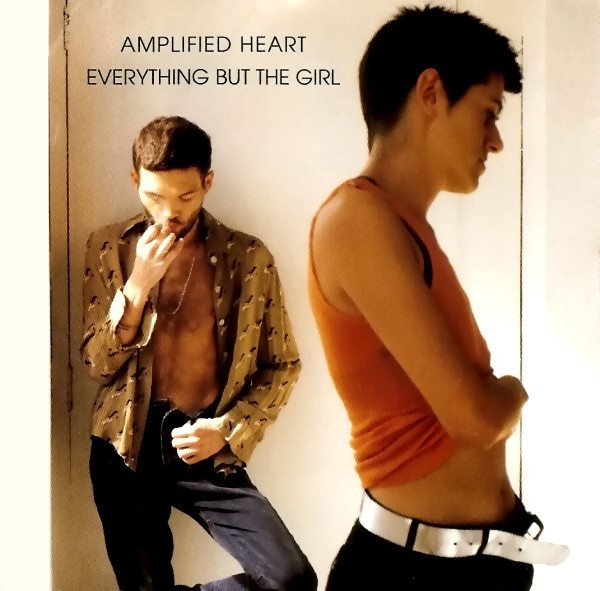
Amplified Heart
1994

Walking Wounded
1996
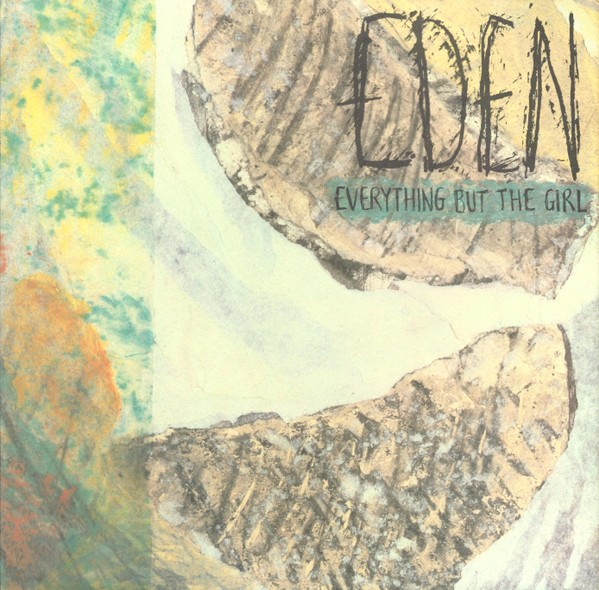
Eden
1984
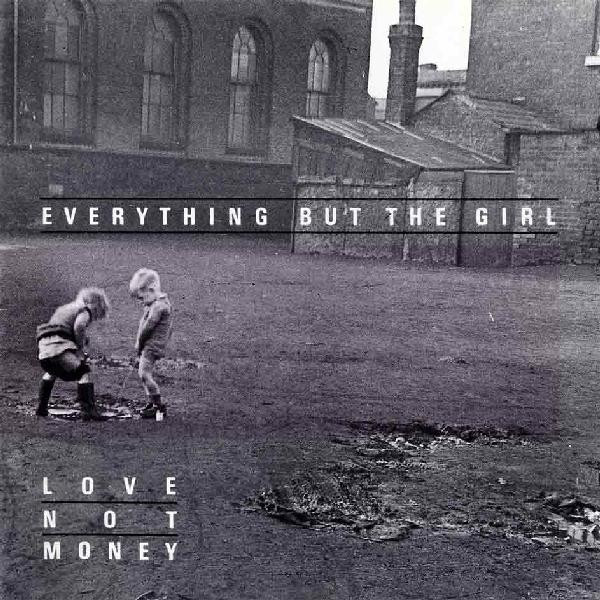
Love Not Money
1985
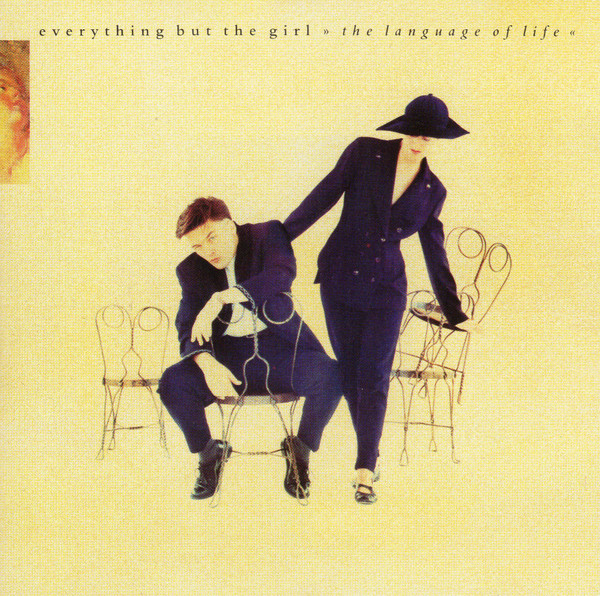
The Language Of Life
1990
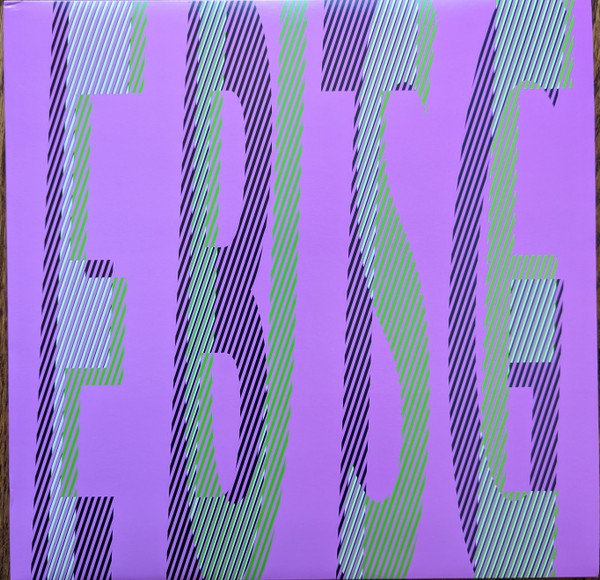
Fuse
2023

Idlewild
1988

Baby, The Stars Shine Bright
1986

Missing (The Live EP)
1994
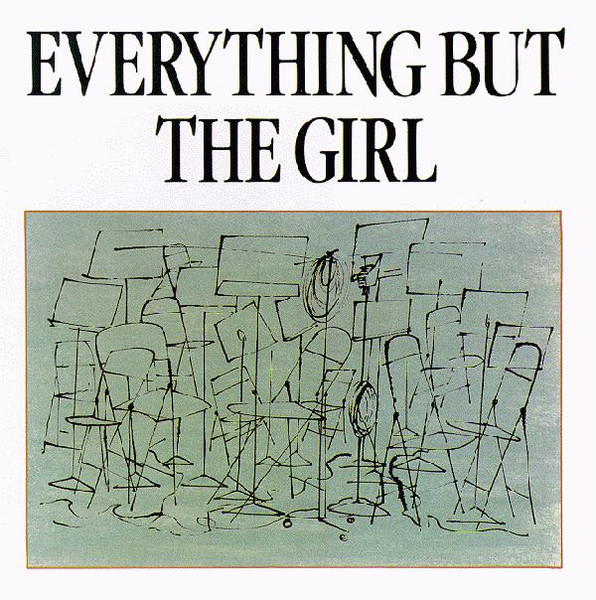
Everything But The Girl
1984

Before Today
1997

Acoustic
1992

Worldwide
1991

Wrong
1996

The Best Of Everything But The Girl
2025

At Maida Vale (BBC Maida Vale Session)
2023
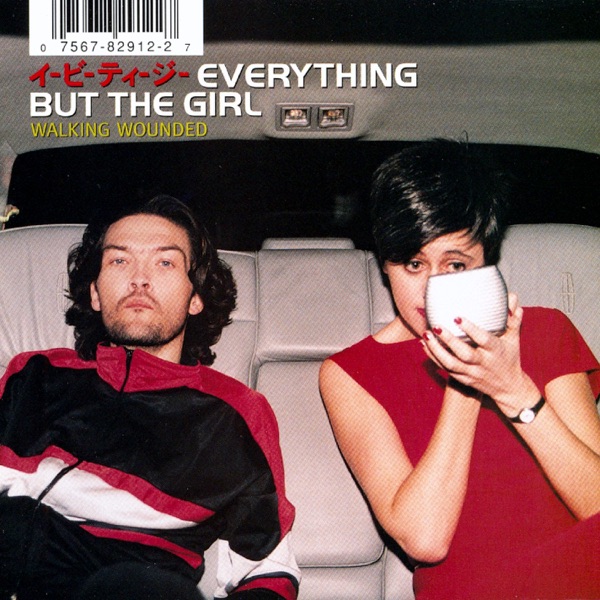
Adapt Or Die - Ten Years Of Remixes
2005
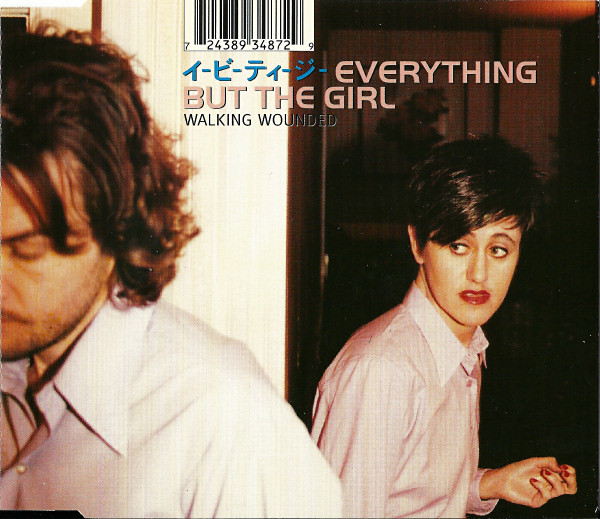
Walking Wounded
1996

Single
1996

Driving
1990

I Don't Want To Talk About It
1988

Native Land
1984

Each & Every One
1984
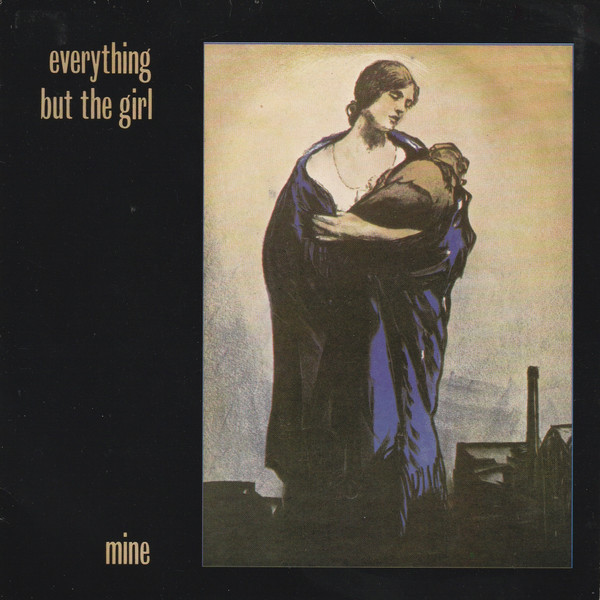
Mine
1984
Related artists
Members
Frequent collaborators
Around the web
Follow every record they touch.
Start your shelf and Gatefold tracks Everything but the Girl's new pressings, tour dates, and the whole discography — automatically.
Start your shelf →Free forever. Works with 10 records or 10,000.