
Artist
Ennio Morricone
Italian classical and score composer
Rome, Italy · 1928 – 2020
Ennio Morricone is a musician from Rome, Italy, active 1928–2020. Their discography on Gatefold includes 24 records.

55
Albums tracked
184
In collections
1928
Since
Biography
Ennio Morricone started out blowing trumpet parts in Roman jazz clubs for pocket change and ghostwriting arrangements for RCA. He didn't have the luxury of a massive symphonic budget when Sergio Leone hired him for A Fistful of Dollars. Rome's Cinecittà studios were thin on cash. So he bypassed the traditional orchestra and built a completely different toolkit out of cheap Fender Stratocasters, twangy jaw harps, whistling session player Alessandro Alessandroni, and actual gunshots. That wasn't some high-concept artistic choice. It was pure budget-driven survival. He got buried under his own Western success for decades. Everybody wanted that desert-wind whistling, but his heart was in the avant-garde. The same guy writing melodies for Clint Eastwood was also in a dark room with Gruppo di Improvvisazione Nuova Consonanza, pulling keys off grand pianos and screaming into brass instruments to make noise music. That double life is why his pop arrangements felt so unstable. He kept sneaking his absolute weirdest instincts onto major studio payrolls. By the eighties, he was dealing with Hollywood directors who wanted him to repeat himself. He turned in the synth-heavy score for John Carpenter's The Thing, which almost got him run out of town because people wanted brassy fanfare and got cold, pulsing anxiety instead. It is the ultimate testament to his stubbornness. He refused to write the same tune twice, even when the suits offered him millions to do exactly that.
Bio from The Clerk
The Arc of Ennio Morricone
The pivots — what forced Ennio Morricone to reinvent.
The Cinecittà Scarcity Years
Between 1964 and 1968, Morricone redefined cinema sound because Rome's recording studios had no money for full orchestras. Working with schoolmate Sergio Leone, he relied on the Cantori Moderni di Alessandroni choir for vocal chants and used electric guitars to carry the lead melodies instead of violins. This era culminated in the score for The Good, the Bad and the Ugly, where the main theme mimics a howling coyote on a shoestring budget. You can hear the dry, dead-room acoustics of the RCA Italiana Studios on every single track from this run.
The Noise Collective Detour
While scoring massive commercial films, Morricone co-founded Gruppo di Improvvisazione Nuova Consonanza in the late sixties to escape the studio system. This was a collective of composers who practiced completely free, non-traditional improvisation with zero written sheet music. He used his trumpet to generate harsh feedback, scraped piano strings, and brought these chaotic avant-garde textures directly into his soundtracks for Italian giallo films. His work on Dario Argento's L'uccello dalle piume di cristallo shows exactly how this noise experiment bled into his day job.
The Hollywood Synth Shift
By the early 1980s, Morricone pivoted away from his classic acoustic chamber style to experiment with early electronic instrumentation. When John Carpenter hired him to score The Thing in 1982, Morricone embraced minimalist, repetitive synthesizer motifs to match the director's own musical signature. The resulting soundtrack was cold, mechanical, and completely devoid of his trademark romantic melodies. It baffled critics at the time, but the stark electronic pulse laid the blueprint for modern horror scoring.
Influences
- Goffredo Petrassi — Petrassi taught Morricone at the National Academy of Santa Cecilia, instilling a strict discipline in classical composition and counterpoint. Morricone repeatedly credited him in interviews for teaching him how to manage orchestral weight. You can hear this academic precision in the dense choral arrangements of The Mission.
- Igor Stravinsky — Morricone studied Stravinsky's revolutionary rhythmic structures and unconventional woodwind pairings during his conservatory years. The sudden, violent shifts in dynamics on the score for Investigation of a Citizen Above Suspicion pull directly from Stravinsky's Le Sacre du printemps. It shows in the way he uses staccato bursts to create tension.
- John Cage — Cage's theories on silence and everyday noise as music heavily impacted Morricone's approach to sound design. Morricone adopted these concepts during his time with the Nuova Consonanza collective. This influence is obvious on the opening scene of Once Upon a Time in the West, which uses a squeaking windmill, a dripping faucet, and a buzzing fly instead of a musical score.
- Claudio Monteverdi — Morricone utilized the dramatic madrigal structures of early Italian Baroque composers to build emotional tension. He studied Monteverdi's vocal polyphony closely to learn how to layer multiple independent vocal lines. This baroque vocal layering is the driving force behind the dramatic climax of Ecce homo.
- Giacinto Scelsi — Scelsi's focus on single notes and microtonal shifts deeply influenced Morricone's avant-garde and horror works. Morricone attended Scelsi's performances in Rome and integrated those drone techniques into his film work. You can hear those unsettling, single-note brass swells all over the soundtrack for A Quiet Place in the Country.
Discography
Their records — most-collected first.
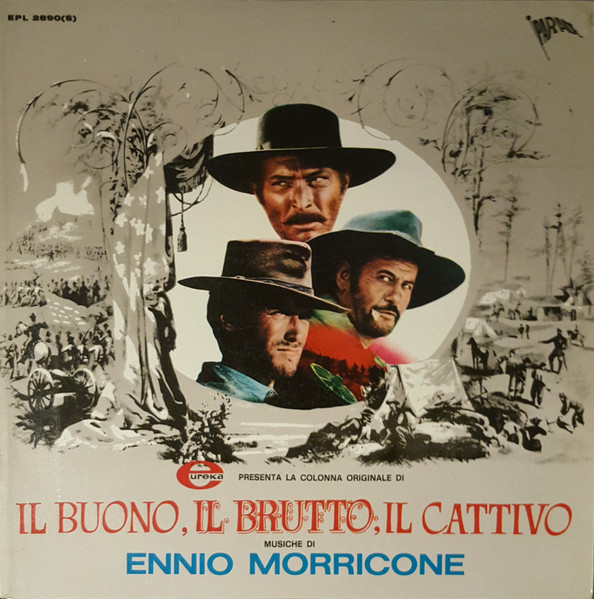
Il Buono, Il Brutto, Il Cattivo (Colonna Sonora Originale)
1966
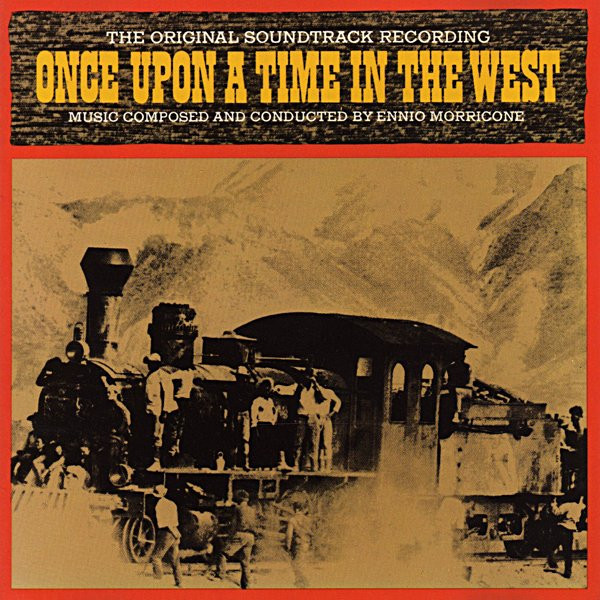
C'Era Una Volta Il West (Colonna Sonora Originale Del Film)
1969
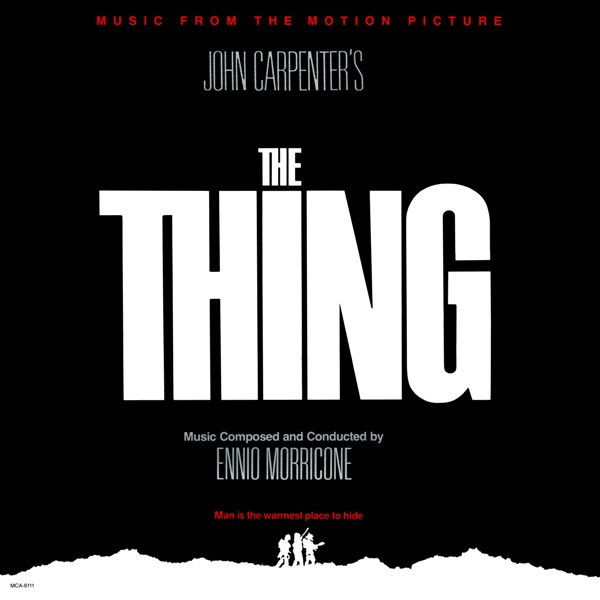
The Thing (Music From The Motion Picture)
1982

Film Music 1966-1987
1987

A Fistful Of Dollars (An Original Soundtrack Recording)
1967

C'era Una Volta In America (Colonna Sonora Originale Del Film)
1984

60 Years Of Music
2016
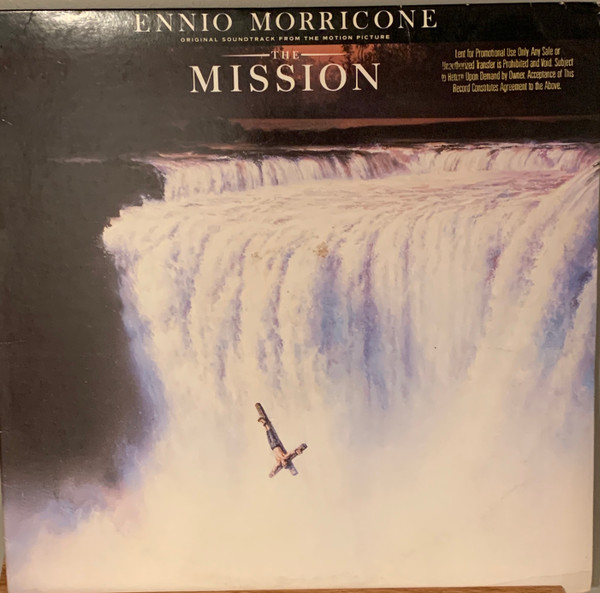
The Mission (Original Soundtrack From The Motion Picture)
1987

The Blue-Eyed Bandit (The Original Motion Picture Soundtrack)
1982

C'Era Una Volta Il West
1968
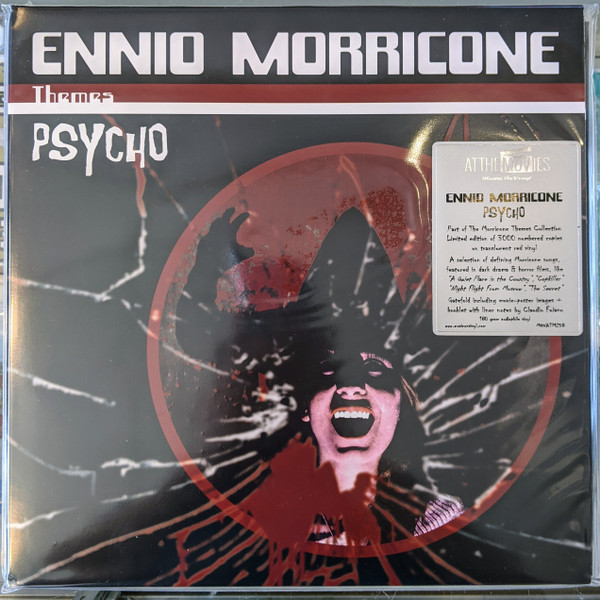
Psycho
2020

The Good, The Bad And The Ugly
1967

Passion
2021

Morricone Segreto
2020
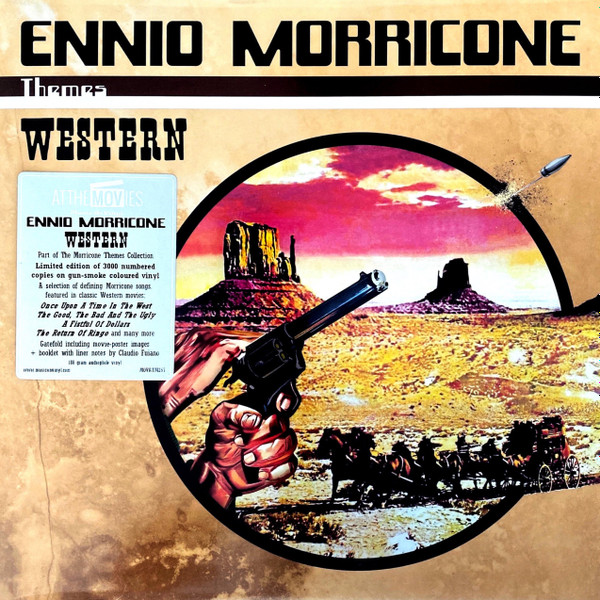
Western
2020

Lounge
2020
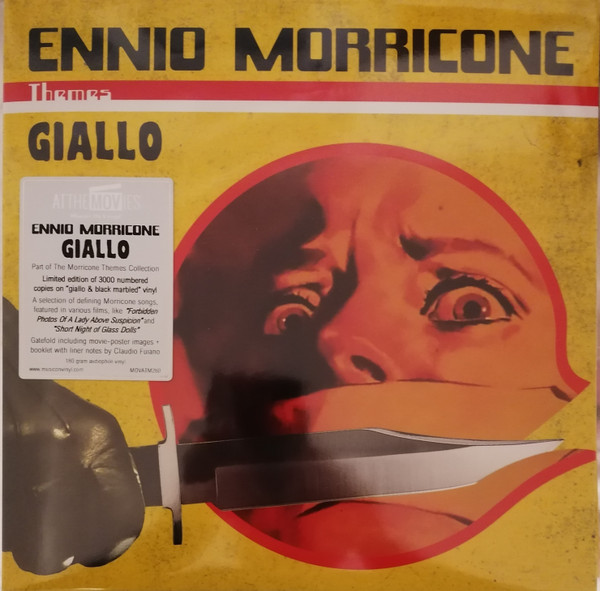
Giallo
2020
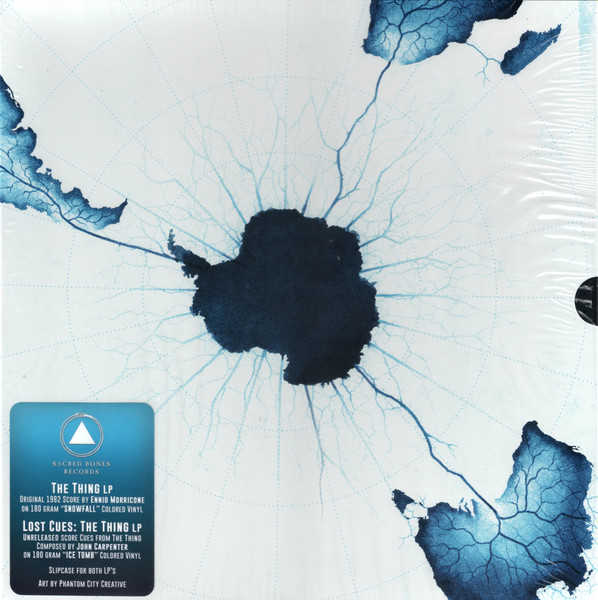
John Carpenter's The Thing / Lost Cues: The Thing
2020
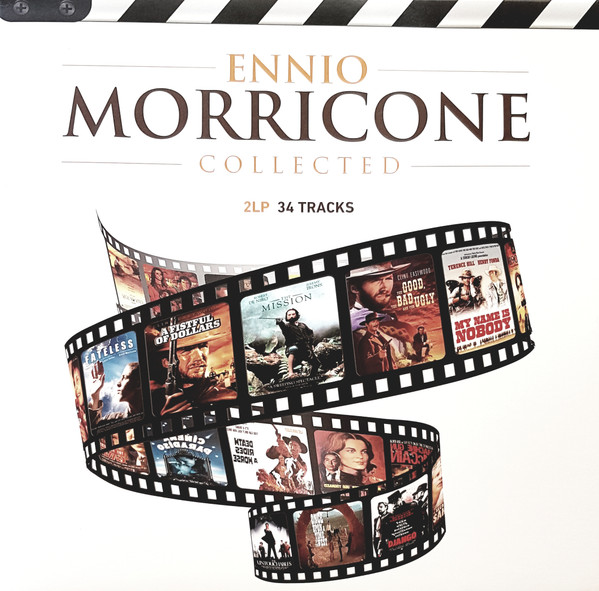
Collected
2014

Chamber Music
1988
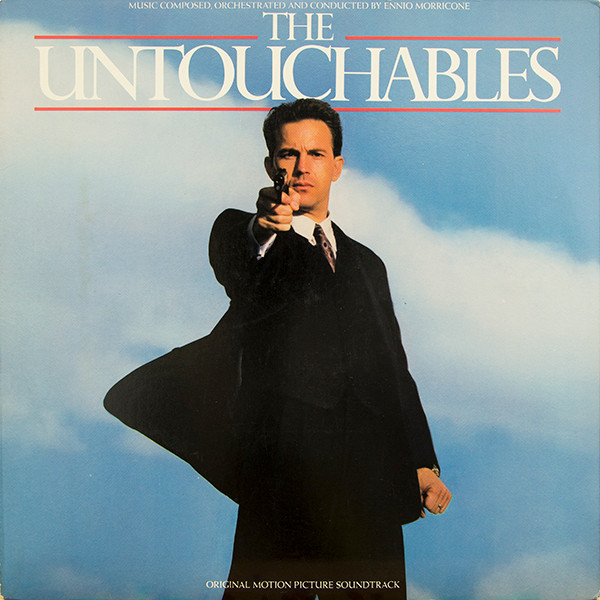
The Untouchables (Original Motion Picture Soundtrack)
1987
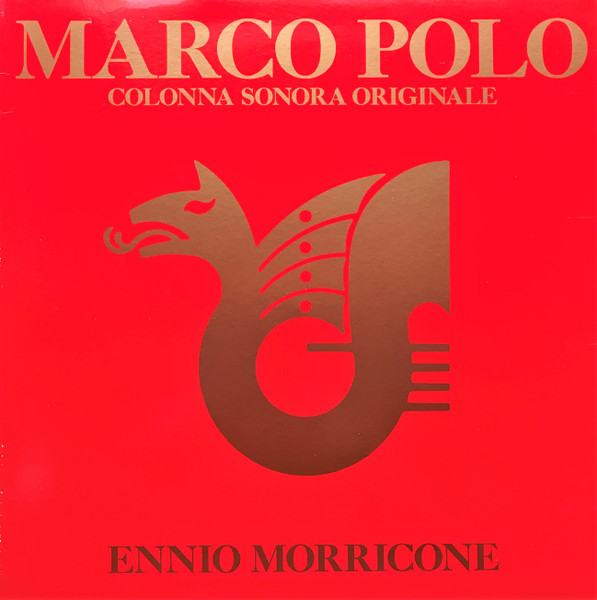
Marco Polo - Colonna Sonora Originale
1982
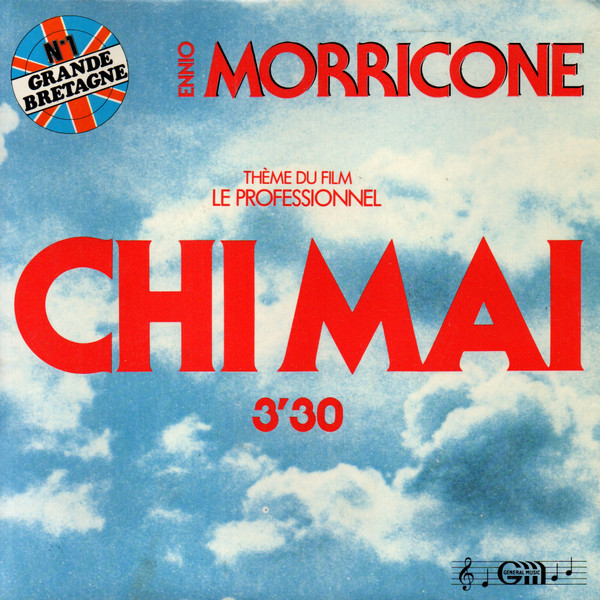
Chi Mai / Le Vent, Le Cri - Bande Originale Du Film Le Professionnel
1981
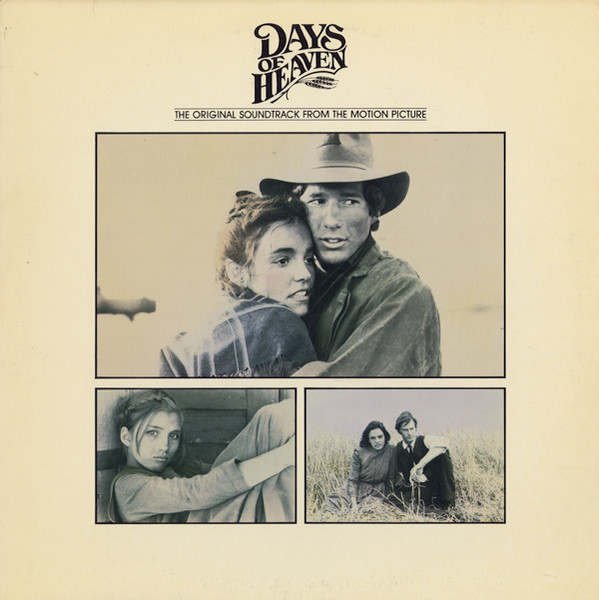
Days Of Heaven - The Original Soundtrack From The Motion Picture
1979
Related artists
Bands & projects
Around the web
Follow every record they touch.
Start your shelf and Gatefold tracks Ennio Morricone's new pressings, tour dates, and the whole discography — automatically.
Start your shelf →Free forever. Works with 10 records or 10,000.