
Artist
Elvis Presley
“The King of Rock and Roll”
Tupelo, United States · 1935 – 1977
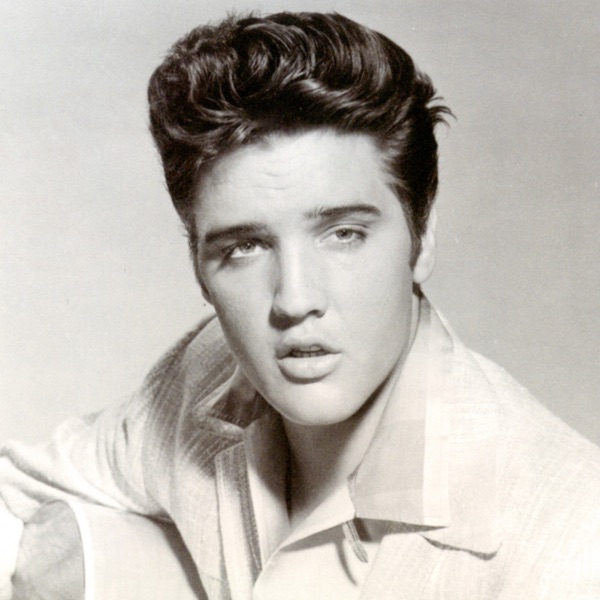
Elvis Presley is a musician from Tupelo, United States, active 1935–1977. Their discography on Gatefold includes 24 records.
111
Albums tracked
772
In collections
1935
Since
Biography
July 5, 1954 at Sun Studio on Union Avenue. Sam Phillips ran two Ampex 350 tape recorders out of phase to create that legendary tape delay slapback, and the session was going absolutely nowhere. Elvis picked up an acoustic guitar during a break and started goofing off with Arthur Crudup's 'That's All Right,' Scotty Moore jumped in on his Gibson ES-295, Bill Black started slapping the upright bass, and Phillips hit record. That slapback echo wasn't studio gloss—it was a cheap hardware trick that broke country, blues, and pop down to the studs. Then came the Hollywood meat grinder. Colonel Tom Parker sold RCA the publishing rights and shoved Elvis into a decade of horrific movie musicals where he sang to dogs and children over lazy studio arrangements. He was practically a cabaret punchline until 1968, when Steve Binder put him in black leather, stripped the backing orchestra, and sat him in a circle with Scotty Moore and D.J. Fontana. That was the line: Elvis wasn't just a product of Parker's machinery. When you threw out the scripts and plugged his band straight into the board, nobody could touch him.
Bio from The Clerk
The Arc of Elvis Presley
The pivots — what forced Elvis Presley to reinvent.
The Sun Sessions
Three kids and Sam Phillips in a cramped Memphis storefront with zero production budget. Scotty Moore played thumb-picked country licks on an archtop while Bill Black beat the shit out of an upright bass, leaving a massive rhythmic hole that Elvis filled with pure vocal attack. These weren't multi-tracked records; they were live room captures printed direct to mono tape. That raw, slapback-drenched run across 1954 and 1955 completely redrew the map for American rhythm sections.
The RCA Megawatt Shift
Parker sold his contract to RCA in late 1955, and the band walked into RCA Studio B in Nashville alongside Chet Atkins and Floyd Cramer. The sound gained massive bottom end, cleaner compression, and backing vocals from the Jordanaires that softened the hillbilly edge for national radio. 'Heartbreak Hotel' dropped like an anvil in 1956 because it sounded emptier and colder than anything coming out of New York or Los Angeles. It was the exact moment country-blues mutated into a national stadium-ready commodity.
The Hollywood Wilderness
After returning from the Army in 1960, Parker locked him into a relentless contract assembly line of three B-movies a year. The sessions moved to Radio Recorders in Hollywood, leaning on sterile session charts, horn sections, and soundtrack filler designed to sell theatre tickets rather than push vinyl. Songs like 'Do the Clam' and 'Yoga Is as Yoga Does' nearly buried his musical credibility under a mountain of corporate fluff. For nearly eight years, one of the greatest natural vocalists on earth was reduced to singing canned schlock.
The '68 Comeback and Memphis Soul Rebirth
Refusing Parker's demand for a Christmas TV special, director Steve Binder forced Elvis into a raw, unscripted in-the-round performance that snapped him awake. He followed it by booking American Sound Studio in Memphis with producer Chips Moman and the legendary 827 Thomas Street Band. Cutting tracks like 'Suspicious Minds' and 'In the Ghetto,' Elvis finally sang over gritty, southern-fried soul grooves driven by Reggie Young's telecaster and Gene Chrisman's drums. It was the hardest, heaviest, and most urgent music he had tracked in fifteen years.
The Vegas TCB Machine
He took up residency at the International Hotel in Las Vegas backed by James Burton on lead guitar, Ronnie Tutt on drums, and the Sweet Inspirations on backing vocals. The TCB Band was tight as a vice, running through turbo-charged rock and gospel medleys that rivaled any funk or arena rock group on the strip. The arrangements grew massive and heavy with symphonic brass, turning every show into a high-octane spectacle. It eventually wore him to pieces, but on tape, that band swung like a runaway freight train.
Influences
- Arthur Crudup — Elvis directly cut Crudup's 1946 track 'That's All Right' for his first Sun single, alongside 'My Baby Left Me' and 'So Glad You're Mine.' You hear Crudup's rolling country-blues rhythm and raw phrasing all over Elvis's early vocal deliveries. Elvis acknowledged Crudup repeatedly, saying if he had any ambition, it was to be as good as Arthur.
- Big Mama Thornton — Thornton cut the original version of Jerry Leiber and Mike Stoller's 'Hound Dog' in 1952 with Johnny Otis on drums. Elvis lifted the entire swagger and aggressive vocal grit from Thornton's blues cut and turned it into an explosive rock and roll smash. The snarling, off-the-beat phrasing came straight from Big Mama's blueprint.
- Bill Monroe — Elvis took Monroe's 1946 bluegrass waltz 'Blue Moon of Kentucky' and sped it up into a frantic 4/4 rockabilly banger on the B-side of his first single. You hear Monroe's high-lonesome hillbilly attack baked directly into Elvis's early vocal hiccups. Monroe was so impressed by the reinvention that he even altered his own live arrangements to match the tempo.
- Sister Rosetta Tharpe — Tharpe pioneered combining gospel vocals with an overdriven electric Gibson guitar throughout the 1940s. Elvis grew up studying her touring performances and borrowed her rapid vocal cadence and spiritual intensity for his secular rock cuts and gospel records like 'His Hand in Mine.' Tharpe essentially invented the high-energy stage fire that Elvis brought to mainstream television.
- The Statesmen Quartet — Elvis was obsessed with southern gospel quartets, frequently attending all-night singings in Memphis to study bass singer J.D. Sumner and lead singer Jake Hess. Hess's dramatic vibrato, sudden dynamic drops, and emotional vocal breaks became the core foundation of Elvis's ballad style on tracks like 'Peace in the Valley.' He would later hire Sumner and members of the gospel circuit to back him live in Las Vegas.
Discography
Their records — most-collected first.
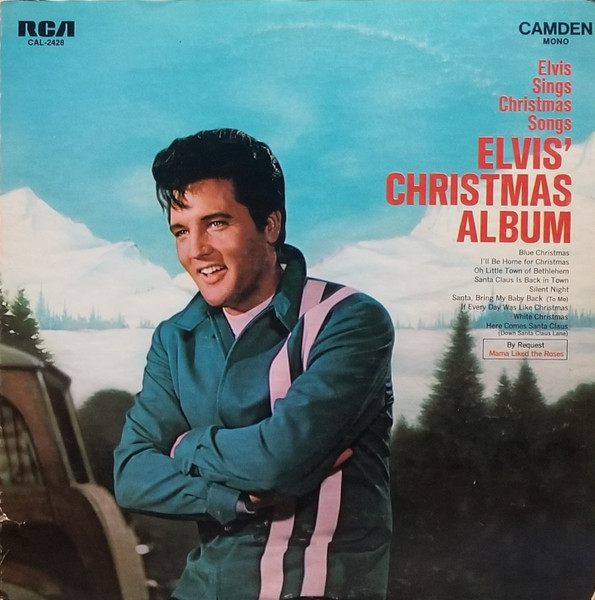
Elvis' Christmas Album
1970
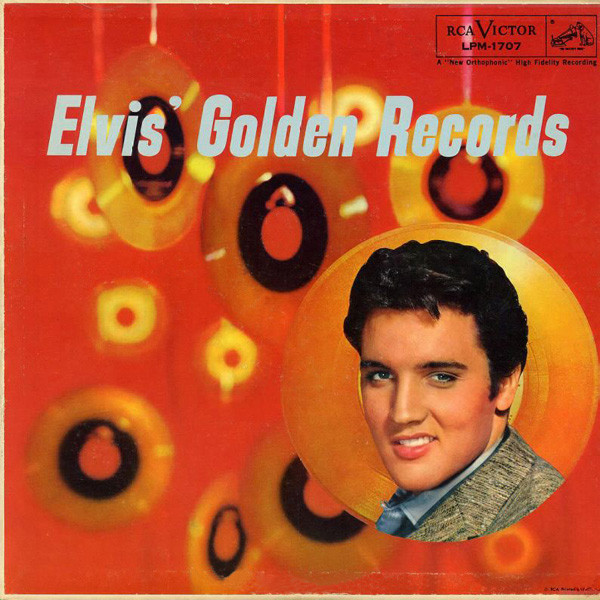
Elvis' Golden Records
1958
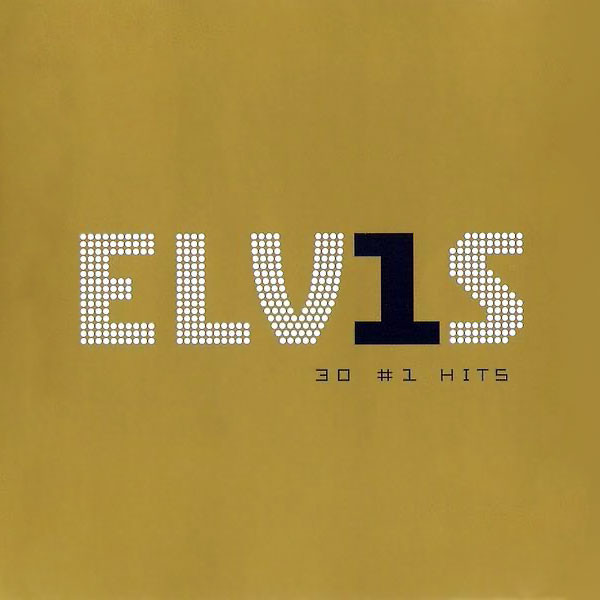
ELV1S 30 #1 Hits
2002
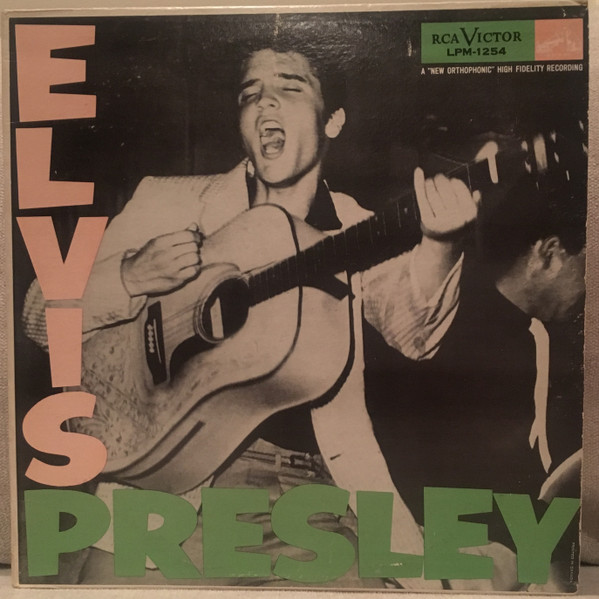
Elvis Presley
1956
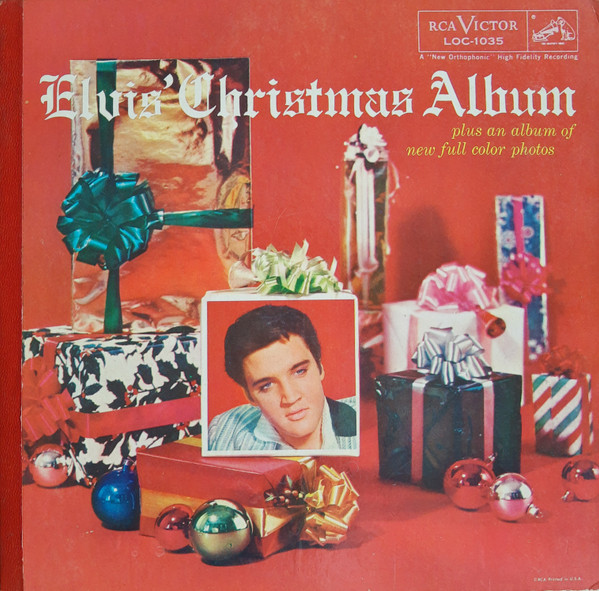
Elvis' Christmas Album
1957
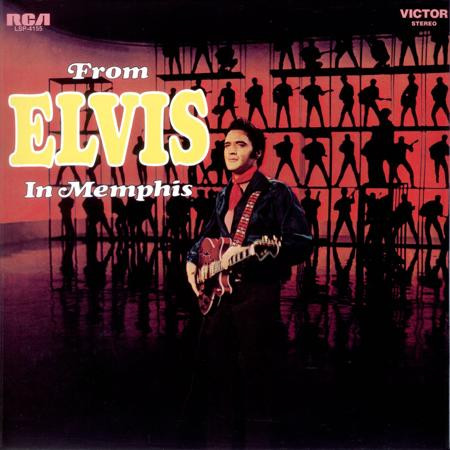
From Elvis In Memphis
1969

Blue Hawaii
1961
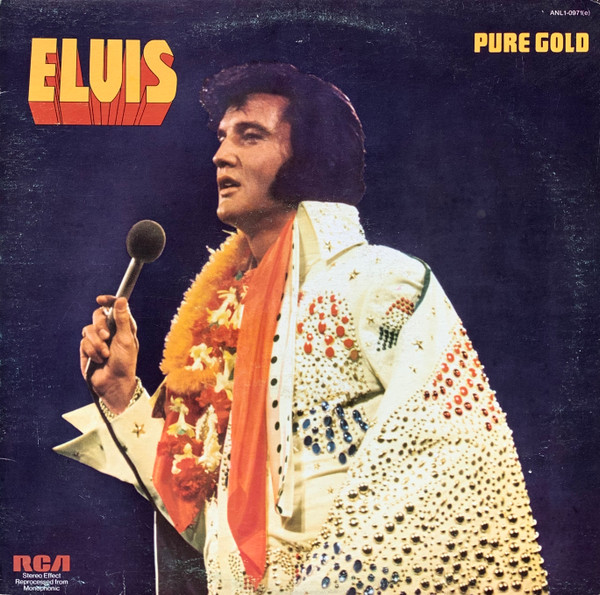
Pure Gold
1975
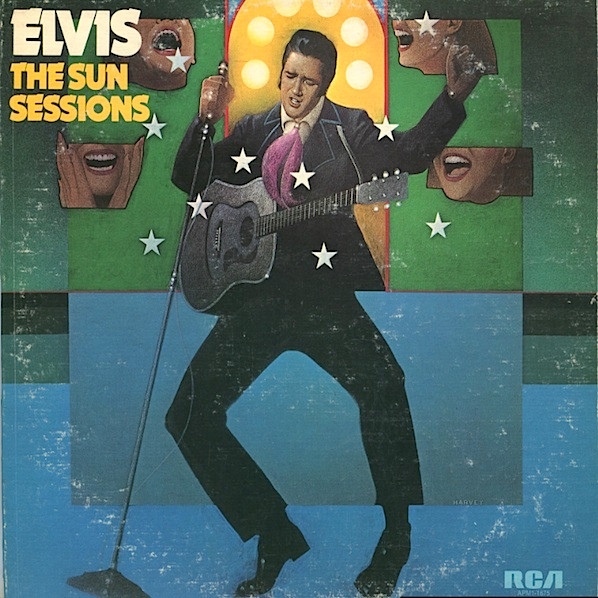
The Elvis Presley Sun Collection
1975

50,000,000 Elvis Fans Can't Be Wrong (Elvis' Gold Records, Vol. 2)
1959
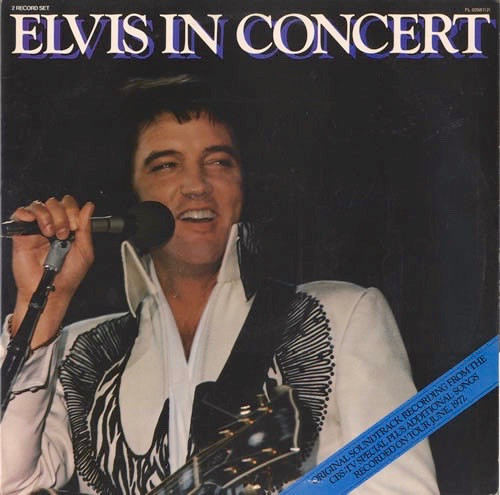
Elvis In Concert
1977
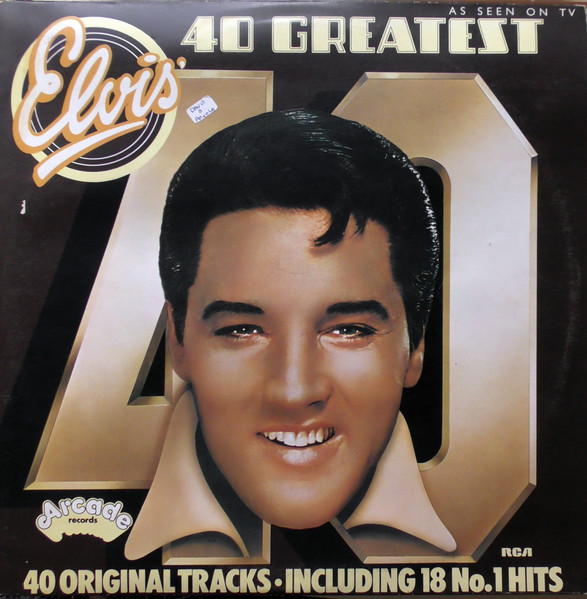
Elvis' 40 Greatest
1974
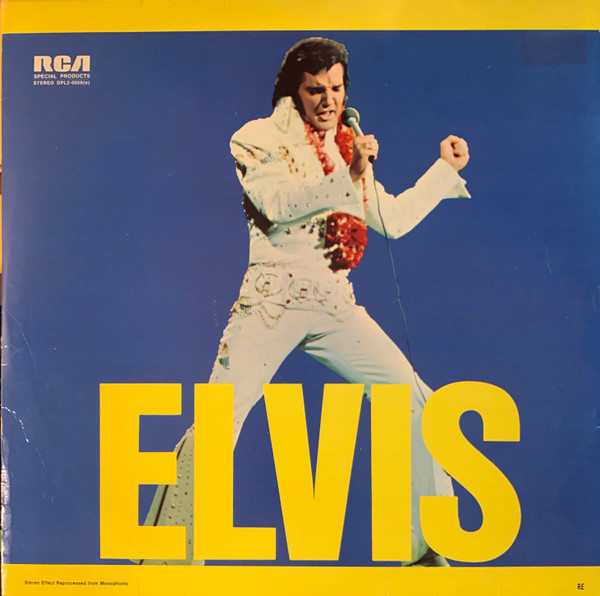
Elvis
1973
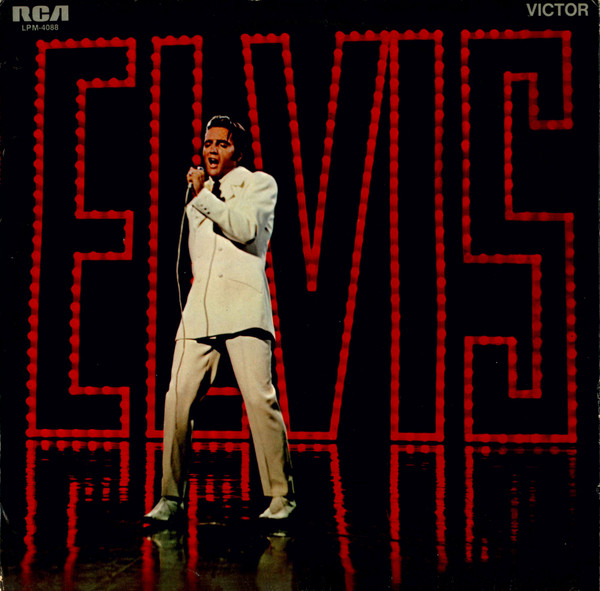
Elvis (TV Special)
1968

The Essential Elvis Presley
2007
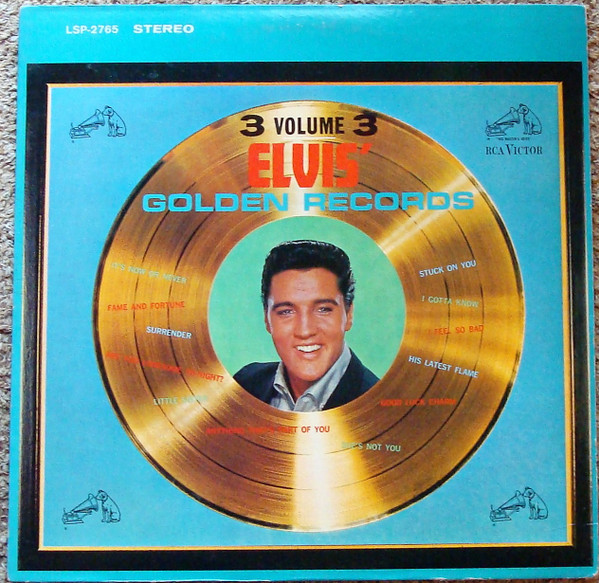
Elvis' Golden Records, Vol. 3
1963
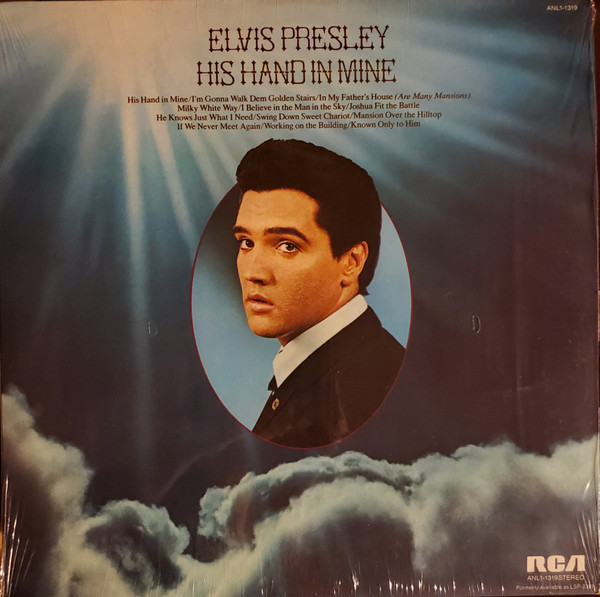
His Hand In Mine
1960
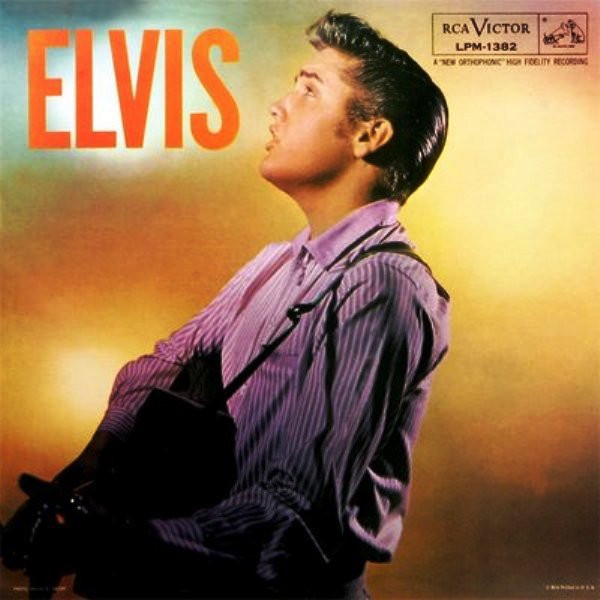
Elvis
1956

Elvis Country (I'm 10,000 Years Old)
1971
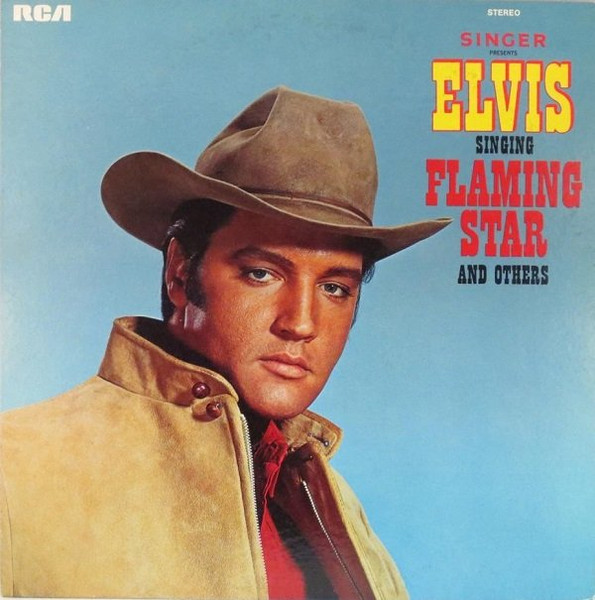
Singer Presents Elvis Singing "Flaming Star" And Others
1968

Elvis Sings The Wonderful World Of Christmas
1971
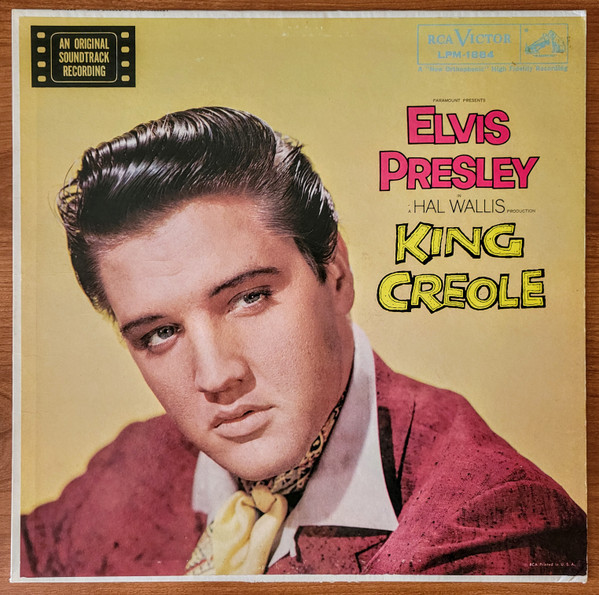
King Creole
1958
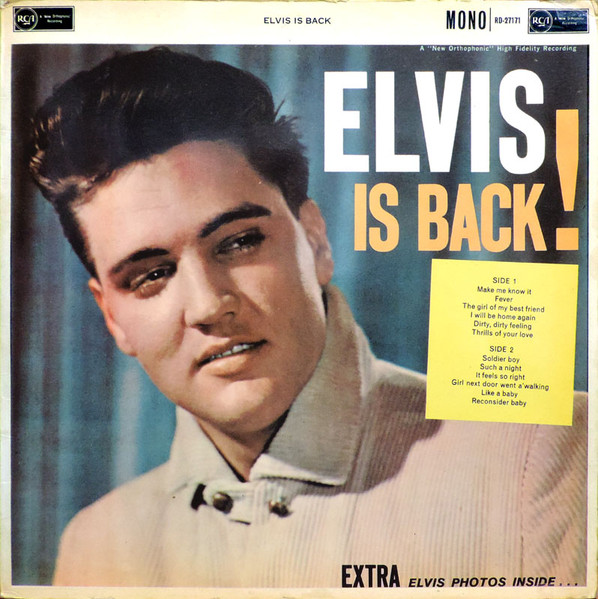
Elvis Is Back!
1960

Welcome To My World
1977
Related artists
Around the web
Follow every record they touch.
Start your shelf and Gatefold tracks Elvis Presley's new pressings, tour dates, and the whole discography — automatically.
Start your shelf →Free forever. Works with 10 records or 10,000.