
Artist
Ekseption
Haarlem, Netherlands · 1967 – 1989
Ekseption is a music group from Haarlem, Netherlands, active 1967–1989. Their discography on Gatefold includes 16 records.
16
Albums tracked
13
In collections
1967
Since
Biography
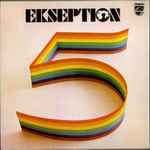
Rick van der Linden wasn’t looking to join a beat group; he was a conservatory-trained pianist who got hijacked by a bunch of Dutch kids playing R&B. By 1968, they’d ditched the garage-rock aspirations because van der Linden’s Hammond X-77 and his obsession with the classics were simply louder than everything else. They took 'The 5th' to the top of the charts by treating Beethoven like a lead guitarist, which was either a stroke of genius or a total affront to the high-brow gatekeepers depending on who you asked at the time. The Philips label loved the sales, but the band was a revolving door of players trying to keep up with van der Linden’s ego and his rig. They hit that sweet spot where baroque architecture met the heavy-handed thud of late-60s rock drums. It wasn’t about 'fusing' genres; it was about bulldozer-style arrangements that flattened everything in their path. When it worked, it was a heavy-psych masterpiece; when it didn't, it felt like a high school music teacher trying to start a riot.
Bio from The Clerk
The Arc of Ekseption
The pivots — what forced Ekseption to reinvent.
The Classical Hijack
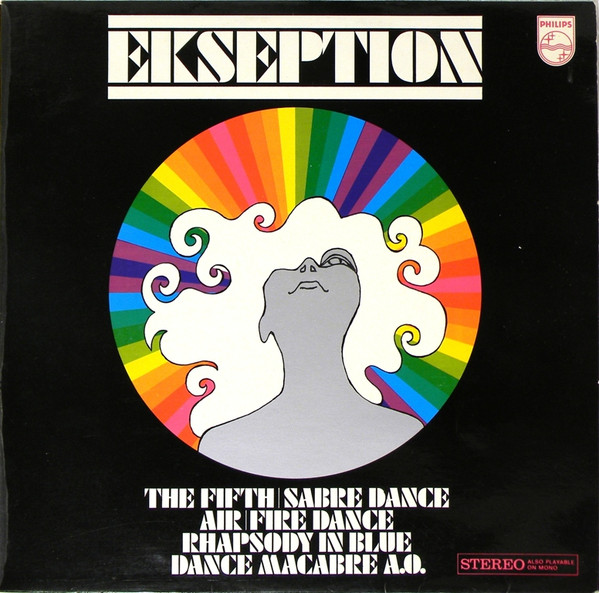
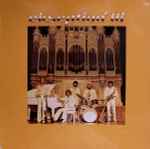
Everything changed at the 1968 Loosdrecht Jazz Festival where they abandoned their vocal-pop roots for a massive instrumental arrangement of Khachaturian’s Sabre Dance. Van der Linden took over the creative direction, shoving his conservatory background into the face of the Dutch rock scene with a stack of keyboards. This era was defined by the core lineup of Rein van den Broek and Cor Dekker trying to anchor Rick’s frantic Bach adaptations. You hear it in the self-titled debut, where the rock rhythm section is working overtime to stay in the pocket while the Hammond organ tries to tear the room apart.
The Orchestral Peak
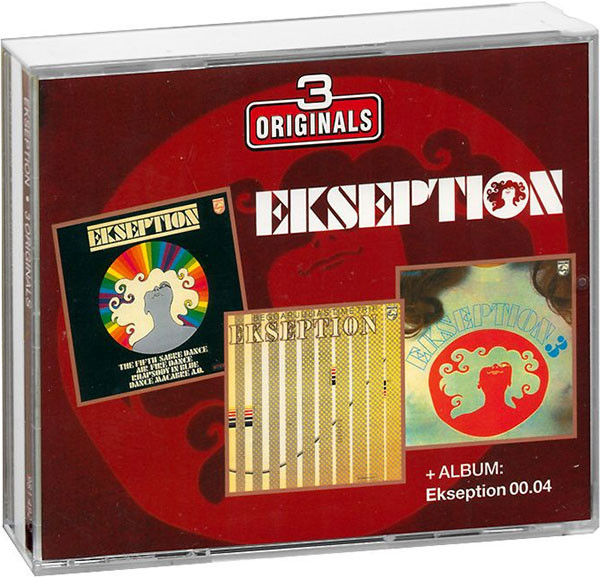
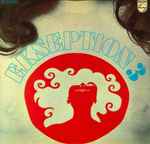
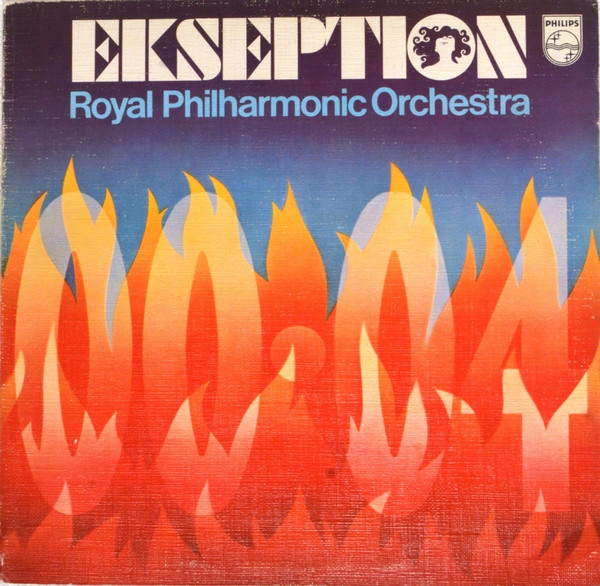
By the time they cut Ekseption 3 and 00.04, the band was leaning into full-scale conceptual pieces involving the Royal Philharmonic Orchestra. The production got cleaner and the stakes got higher, moving away from the gritty club feel into something that required complex charts and session discipline. This was the moment they stopped being a rock band playing classical music and became a symphonic entity that just happened to have a drum kit. The shift is obvious on the 'Piccadilly 06:00' sessions, where the brass arrangements start to rival the keyboards for dominance.
The Trace Schism
The tension between van der Linden and the rest of the band finally snapped in 1973, leading to his departure to form Trace. The remaining members, including Jan Vennik and Hans Jansen, tried to keep the name alive with a move toward more traditional jazz-fusion and funk-inflected rock. It lost that manic, high-wire classical energy, resulting in records like Bingo that felt more like a standard European session-player outing. It was technically proficient but lacked the polarizing arrogance that made the early records stand out in a crowded bin.
Influences
- Johann Sebastian Bach — Van der Linden spent his life obsessed with Bach's structures, famously covering 'Air' and 'Toccata and Fugue in D Minor.' You hear it in the mathematical precision of the counterpoint melodies played on the Hammond. It wasn't just a cover; it was the blueprint for their entire harmonic language.
- The Nice — Keith Emerson’s work with The Nice provided the commercial proof-of-concept that a trio or quartet could survive on classical reinterpretations. Ekseption followed that lead by putting the organ center-stage and treating the piano like a percussion instrument. Without Emerson's Rondo, there’s no Sabre Dance.
- Ludwig van Beethoven — Their breakthrough hit 'The 5th' is a direct lift of his Fifth Symphony, reworked for a rock rhythm section. They treated the iconic four-note motif as a heavy metal riff decades before that was a standard trope. It’s the definitive example of their 'Ekseption style' arrangement.
- Dave Brubeck — Before they went full-bore symphonic, the band cut their teeth on Brubeck’s 'Blue Rondo à la Turk.' The odd-meter time signatures and jazz-inflected phrasing stuck with the horn section for the duration of the band's run. It's the DNA behind their more complex jazz-fusion transitions.
- Jimmy Smith — The way van der Linden attacked the Hammond B3 and X-77 models was rooted in the soul-jazz tradition of Jimmy Smith. Even when playing Mozart, the percussive 'click' and the drawbar settings were pure Blue Note grit. It kept the classical material from sounding too precious or sterile.
Discography
Their records — most-collected first.








Related artists
Around the web
Follow every record they touch.
Start your shelf and Gatefold tracks Ekseption's new pressings, tour dates, and the whole discography — automatically.
Start your shelf →Free forever. Works with 10 records or 10,000.