
Artist
Eek‐A‐Mouse
Kingston, Jamaica · b. 1957
Eek‐A‐Mouse is a musician from Kingston, Jamaica, active since 1957. Their discography on Gatefold includes 19 records.
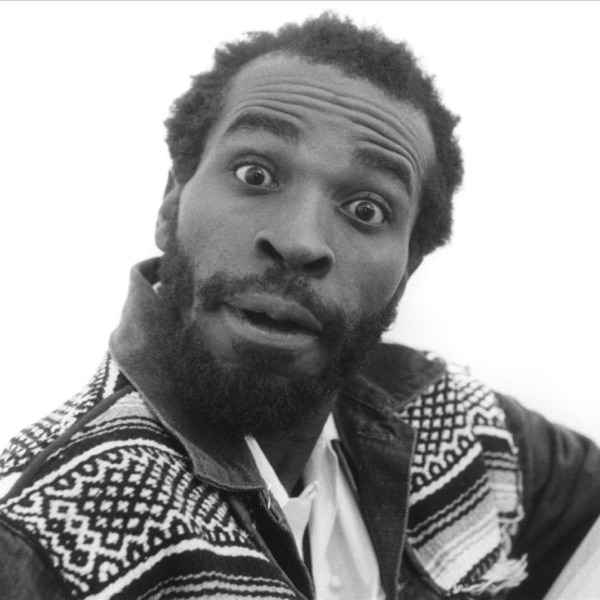
19
Albums tracked
22
In collections
1957
Since
Biography
Ripton Hylton didn't get his break until he walked into Channel One Studios with producer Henry "Junjo" Lawes and the Roots Radics band in 1981. Before that, he was recording straight-faced reggae under his real name that sank without a trace. Junjo put him over massive, heavy-weight dancehall riddims and let Hylton unleash his horse-racing track moniker, Eek-A-Mouse. The result was a bizarre, nasal, percussive vocal style that completely bypassed traditional singing for a stream of scatting, sound effects, and political commentary. By the mid-1980s, the novelty was wearing thin, and major label money threatened to turn him into a cartoon act. Gigs with producers like Anthony and Ronald Welch kept him grounded for a minute, but the shift from live band riddims to cheap digital synths in the late '80s knocked him off balance. He survived the transition by leaning hard into absolute absurdity, proving that his vocal timing was actually a highly technical instrument that could ride any tempo. He remains one of the few mic-men from the early dancehall era who didn't let the digital revolution completely erase his identity.
Bio from The Clerk
The Arc of Eek‐A‐Mouse
The pivots — what forced Eek‐A‐Mouse to reinvent.
The Junjo Channel One Sessions
In 1981, producer Henry "Junjo" Lawes paired Eek-A-Mouse with the Roots Radics band at Channel One. This team laid down the blueprint for early dancehall, stripped of the slicker roots-reggae production of the previous decade. You hear the tension of this transition on "Wa-Do-Dem" and "Skidip!" where the bass is monstrously heavy and slow, leaving massive gaps of empty space for his bizarre vocal acrobatics. This era defined the singjay style by turning the vocalist into a live percussion instrument.
The Digital Transition and Major Label Bids
The late 1980s saw the rise of the Casio CZ-101 and digital riddims, forcing Eek-A-Mouse to adapt his acoustic-born style to cold, synthetic beats. Signing with Island Records for albums like Eek-A-Nomics in 1988 meant trying to appeal to international rock and college radio crowds. The organic dirt of the Roots Radics was replaced by MIDI programming and drum machines, which pushed his vocal delivery into a faster, more manic cadence. It was a polarizing shift that divided the hardcore sound system purists from his new global audience.
Influences
- U-Roy — Eek-A-Mouse directly adopted the talk-over style pioneered by U-Roy at King Tubby's sound systems. You hear this influence in the conversational flow and rhythmic toasts that fill the gaps between melodic verses. U-Roy proved that a DJ did not have to sing to be the main attraction on a record.
- I-Roy — I-Roy's sharp, satirical lyricism and highly literate topical humor laid the groundwork for Eek-A-Mouse's storytelling. Songs like "Virgin Girl" borrow the observational comedy and mock-seriousness that I-Roy used to dominate the 1970s charts. The delivery is distinct, but the cynical wit is a direct hand-me-down.
- Big Youth — Big Youth popularized the use of non-verbal vocalizations, grunts, and half-sung chants in Jamaican music. Eek-A-Mouse took these scat-style sounds and turned them into his signature "bidibidi-beng" style. Without Big Youth breaking the rules of standard vocal delivery on the sound system circuit, Eek's vocal experiments would have been laughed out of the studio.
- Dennis Brown — Before he developed his signature scatting style, Ripton Hylton wanted to be a roots-reggae crooner in the vein of Dennis Brown. You can hear this frustrated soul singer persona in the melodic hooks of "Ganja Smuggling" and "Noah's Ark." He was always a singer trying to escape the constraints of a DJ, and Brown was his vocal North Star.
- Dillinger — Dillinger's rapid-fire narrative style and his international hit "Cocaine in My Brain" showed how a Jamaican talker could cross over globally with humor. Eek-A-Mouse adopted this narrative-driven, humorous approach to dark subjects. You can hear this influence on tracks like "Assassination," where he turns grim street realities into a compelling, rhythmically complex story.
Discography
Their records — most-collected first.

Wa-Do-Dem
1982

Skidip!
1982
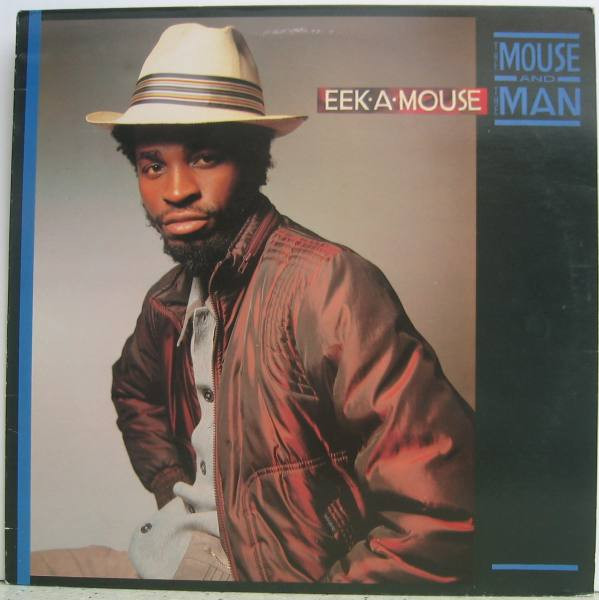
The Mouse & The Man
1983

Assassinator
1983
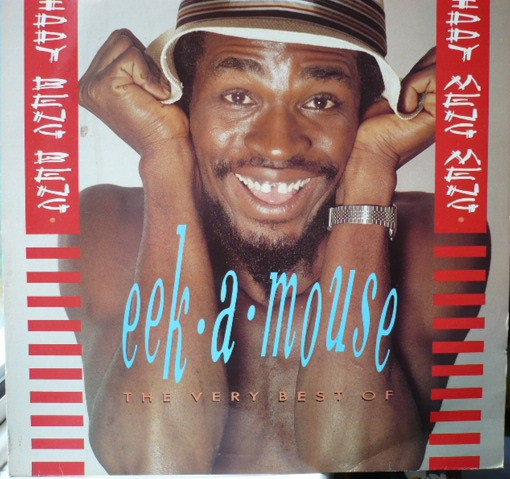
The Very Best Of Eek-A-Mouse
1987

Wa Do Dem

Most Wanted
2008

Mouse Gone Wild
2004

Eek-A-Speeka
2004

Very Best Of Eek-A-Mouse Vol. 2
2003
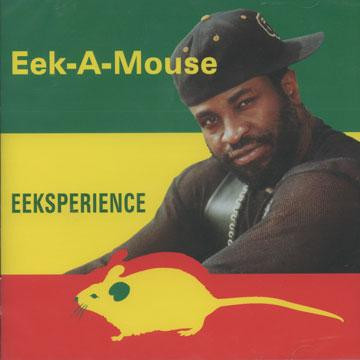
Eeksperience
2001

RAS Portraits
1997
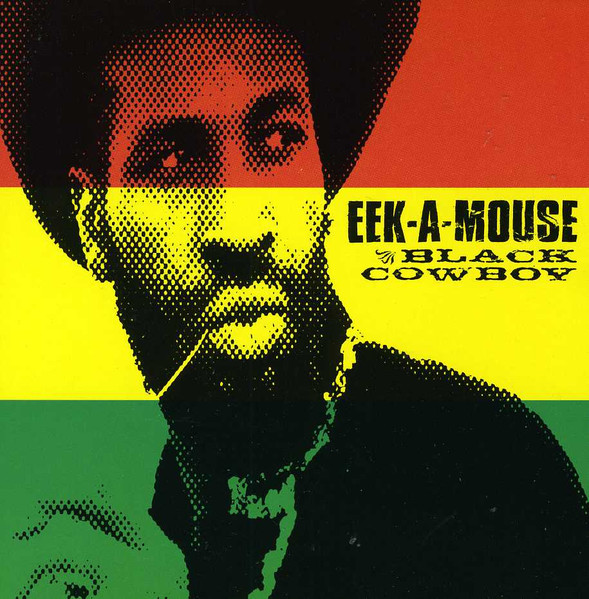
Black Cowboy
1996

U-Neek
1991
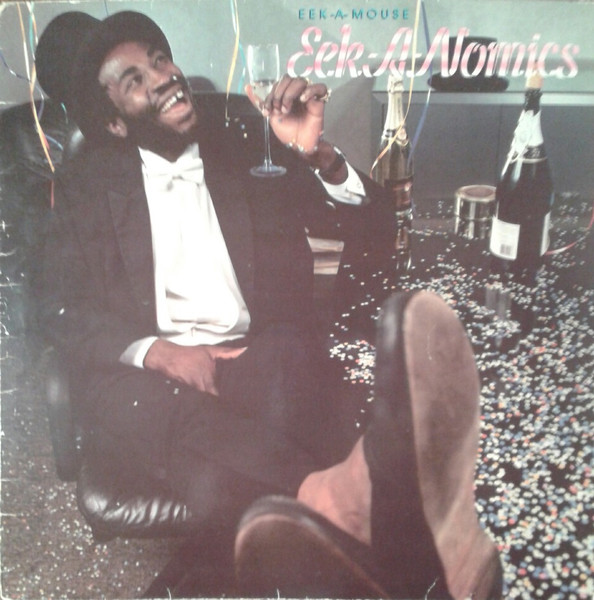
Eek-A-Nomics
1988

Mouse-a-Mania
1987
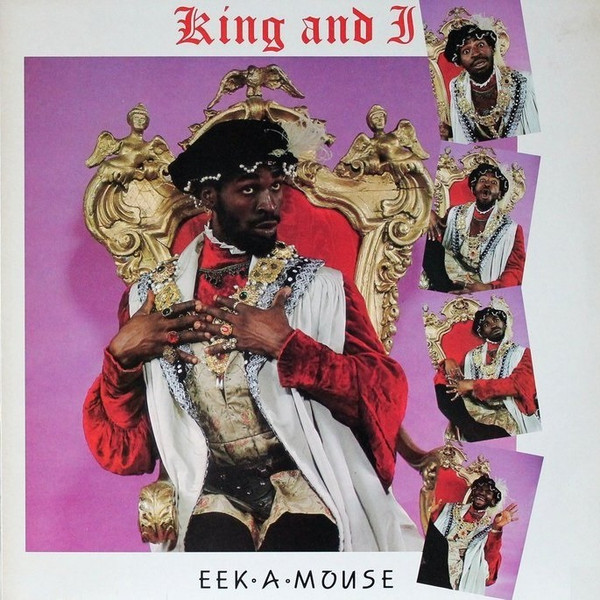
The King And I
1985
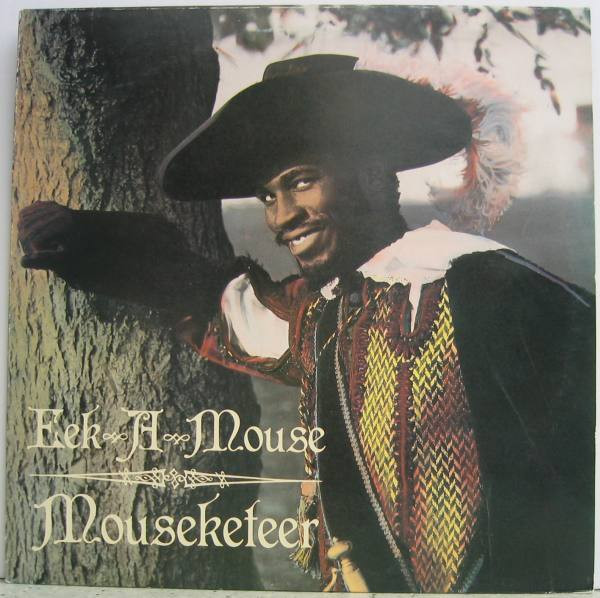
Mouseketeer
1984

Live In San Francisco
Around the web
Follow every record they touch.
Start your shelf and Gatefold tracks Eek‐A‐Mouse's new pressings, tour dates, and the whole discography — automatically.
Start your shelf →Free forever. Works with 10 records or 10,000.