
Artist
Earth, Wind & Fire
Chicago, United States · Formed 1969
Earth, Wind & Fire is a music group from Chicago, United States, active since 1969. Their discography on Gatefold includes 24 records.

59
Albums tracked
401
In collections
1969
Since
Biography
Maurice White was a session drummer at Chess Records, keeping time for Fontella Bass and Billy Stewart while sitting behind the kit in the Ramsey Lewis Trio. He learned how tight a rhythm section had to be to survive the Chicago circuit. When he packed up for Los Angeles to start Earth, Wind & Fire, he brought that cold-blooded discipline with him. He didn't just want a band; he wanted a self-contained musical universe built on custom-made Kalimbas, complex horn charts, and a flawless low-end anchored by his brother Verdine. They weren't playing three-chord funk. They were executing military-grade arrangements with cosmic ambitions. By the late seventies, the studio became their playground and their trap. Maurice and producer Charles Stepney, who died during the recording of Spirit in 1976, built a wall of sound that was dense, spiritual, and impossibly clean. But when the eighties arrived, the organic heat of the Phoenix Horns got squeezed out by the Roland TR-808 and the Oberheim OB-Xa on Electric Universe. The band collapsed under the weight of excessive synthesizers and exhausted ideas, but that run from 1973 to 1979 remains an untouched masterclass in big-band soul. They proved that you could pack stadiums while playing some of the most complex, polyrhythmic jazz-funk ever put to tape.
Bio from The Clerk
The Arc of Earth, Wind & Fire
The pivots — what forced Earth, Wind & Fire to reinvent.
The Chicago Raw Phase
Before the glitter and the stadium tours, the original Warner Bros. lineup was a gritty, street-level funk outfit. Maurice White recruited Wade Flemons and Sherry Scott to create a loose, percussion-heavy sound that leaned into jazz-rock fusion and raw street grooves. You hear it on their self-titled debut and the soundtrack for Melvin Van Peebles' revolutionary film Sweet Sweetback's Baadasssss Song. The focus here is on heavy, distorted basslines and sprawling, unpolished jams rather than the pristine pop hooks that followed.
The Columbia Overhaul
Maurice blew up the original lineup in 1972, keeping only his brother Verdine and rebuilding the band around vocal prodigy Philip Bailey and keyboardist Larry Dunn. Signing with Clive Davis at Columbia Records changed everything. Producer Charles Stepney came in to steer the arrangements, introducing the soaring vocal harmonies and sophisticated orchestral soul that defined Last Days and Time and Head to the Sky. The gritty street funk was replaced by high-art spiritual jazz-fusion, setting the stage for their commercial peak.
The Stepney Peak
The mid-seventies run is where the band perfected their stadium-sized spiritual soul, punctuated by the tragic death of Charles Stepney during the 1976 sessions for Spirit. Maurice White took over sole production duties, pushing the Phoenix Horns to the absolute front of the mix and leaning heavily on the Kalimba for a distinct, organic Afro-centric texture. That's the Way of the World and All 'n All are the monuments from this era. The arrangements are insanely complex, yet they sound effortless, combining Latin percussion, pop structures, and big-band jazz dynamics.
The Electric Universe Crash
The 1983 release of Electric Universe was a desperate attempt to survive the MTV era by ditching the brass for synthesizers and drum machines. Maurice sidelined the iconic Phoenix Horns entirely, trading their warm, organic punch for cold Oberheim synth lines and electronic drums. The session players were frustrated, the fans were alienated, and the record sank. The band went on a four-year hiatus immediately after, completely burned out by the technology that was supposed to save them.
Influences
- Ramsey Lewis — Maurice White spent nearly four years as the drummer in the Ramsey Lewis Trio, appearing on massive hits like Wade in the Water. This is where Maurice learned how to blend high-concept jazz improvisation with pop-chart accessibility. You hear that exact blueprint in the way Earth, Wind & Fire integrated complex instrumental jazz solos right into the middle of their biggest radio singles.
- Sly & the Family Stone — Sly Stone pioneered the multi-vocalist, self-contained black rock band model that Maurice White copied for his own group. The vocal hand-offs between Philip Bailey, Maurice White, and the rest of the band mimic the dynamic Sly used with Larry Graham and Rosie Stone. It is the literal foundation of Earth, Wind & Fire's vocal arrangements on tracks like Shining Star.
- The Horace Silver Quintet — Maurice White cited hard-bop pianist Horace Silver as a major influence on his approach to horn arrangements and rhythmic drive. The crisp, punchy, unison horn lines played by the Phoenix Horns are direct descendants of Silver's brass-heavy quintet writing from the late fifties. You can hear this jazz-bop DNA running through the instrumental breaks on songs like Runnin'.
- John Coltrane — The spiritual, cosmic ideology of Earth, Wind & Fire comes straight from John Coltrane's mid-sixties output like A Love Supreme. Maurice White was deeply obsessed with Egyptology and spiritual consciousness, translating Coltrane's modal jazz concepts into a pop-funk format. The sprawling, modal jams on Head to the Sky are a direct tribute to this spiritual jazz lineage.
- The Rotary Connection — Charles Stepney's baroque-psychedelic arrangements for The Rotary Connection served as the sonic laboratory for what he would later do with Earth, Wind & Fire. Stepney's use of sweeping strings, operatic vocal arrangements, and sudden genre shifts was imported directly into EWF's mid-seventies albums. The dramatic vocal heights scaled by Philip Bailey are a direct continuation of the style Stepney developed with Minnie Riperton.
Discography
Their records — most-collected first.
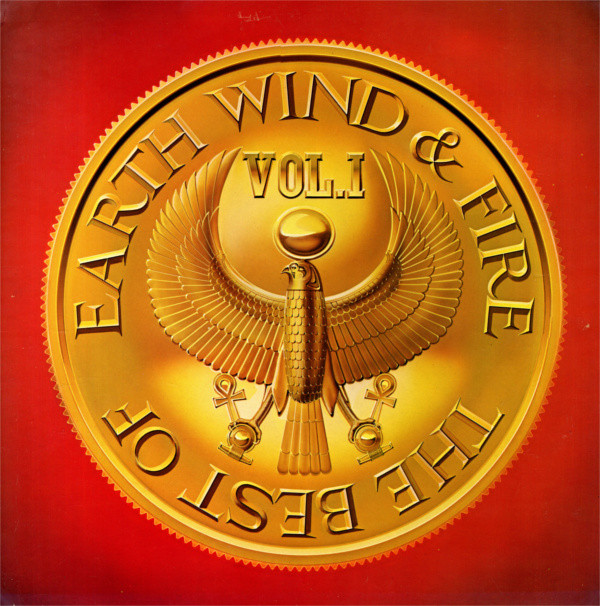
The Best Of Earth Wind & Fire Vol. I
1978
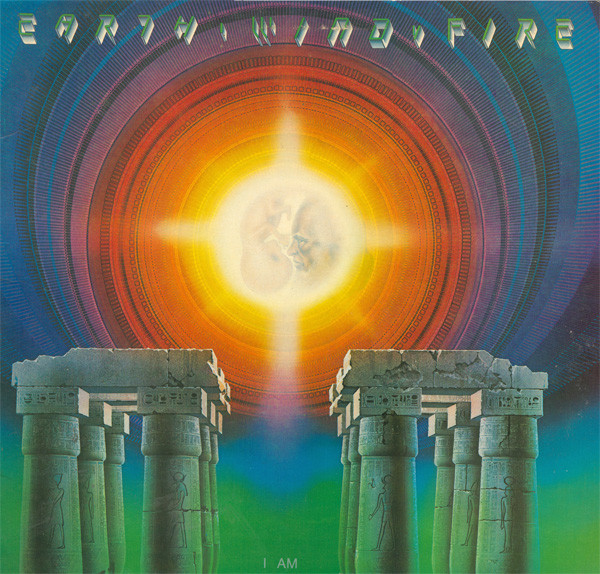
I Am
1979
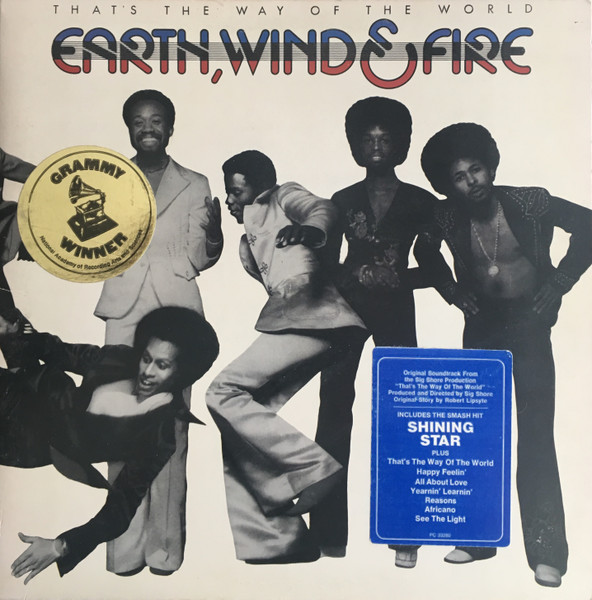
That's The Way Of The World
1975
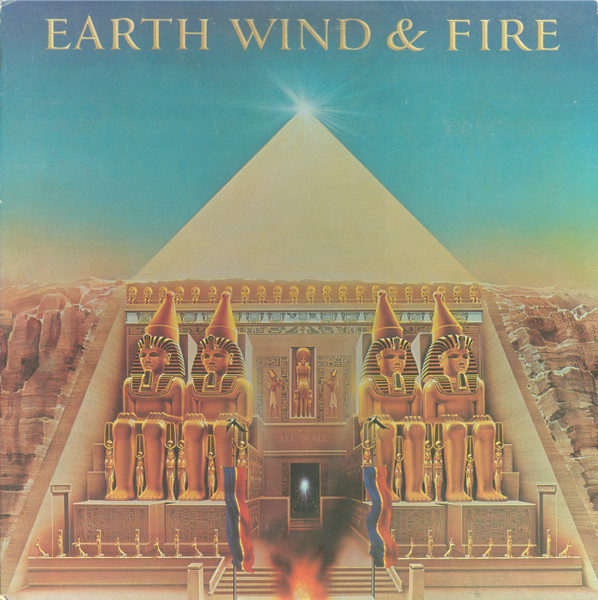
All 'N All
1977

Spirit
1976
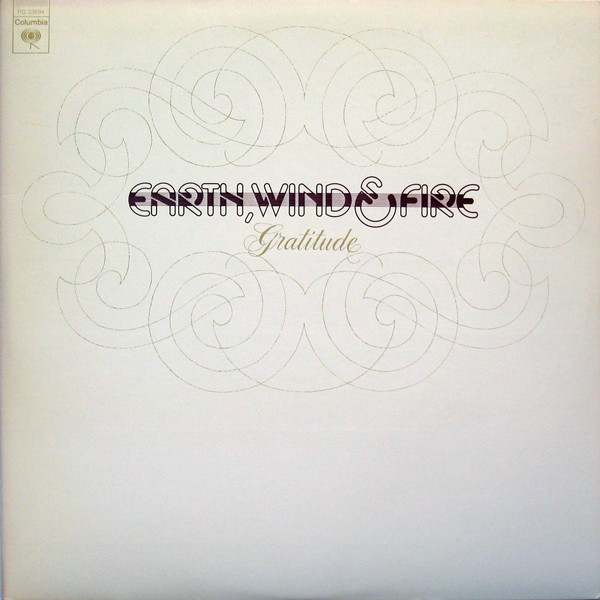
Gratitude
1975
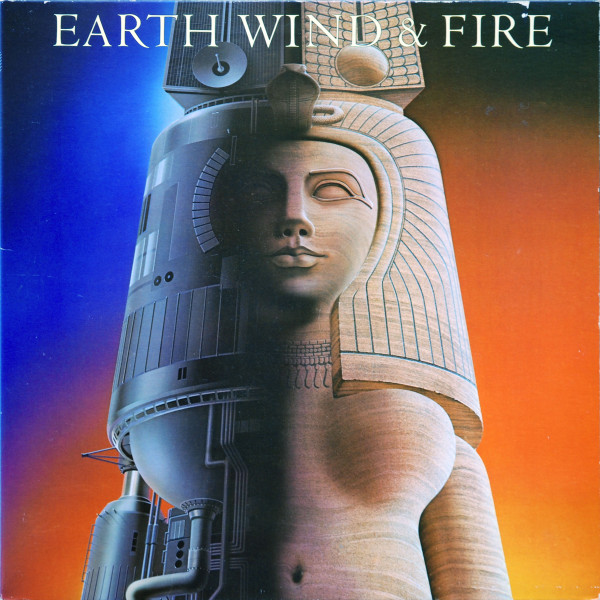
Raise!
1981
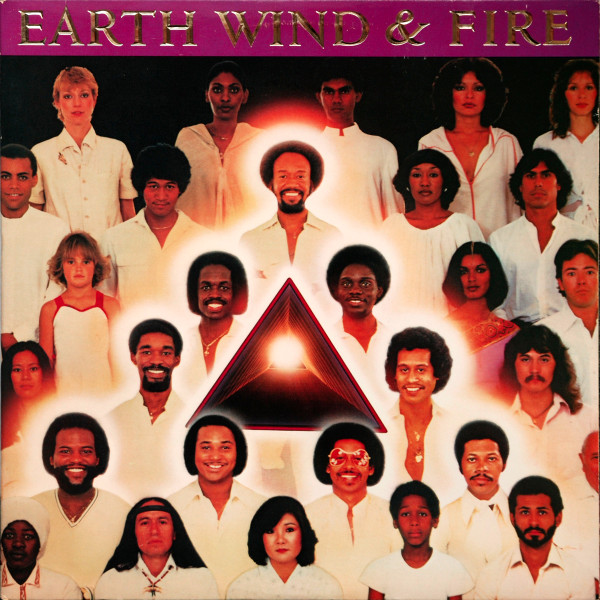
Faces
1980
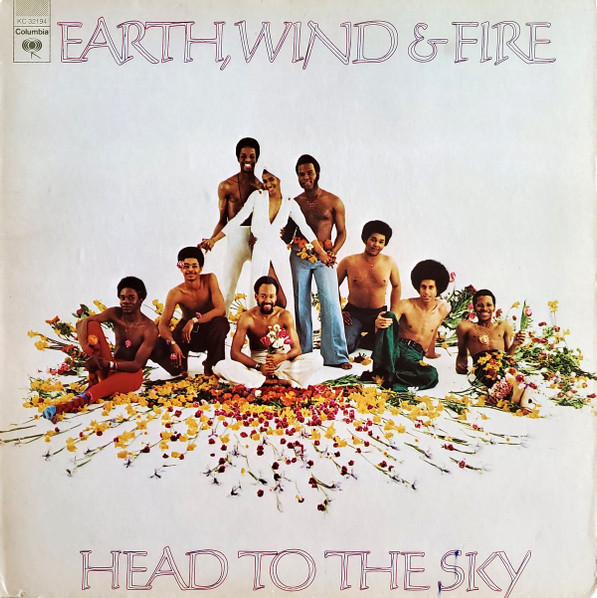
Head To The Sky
1973
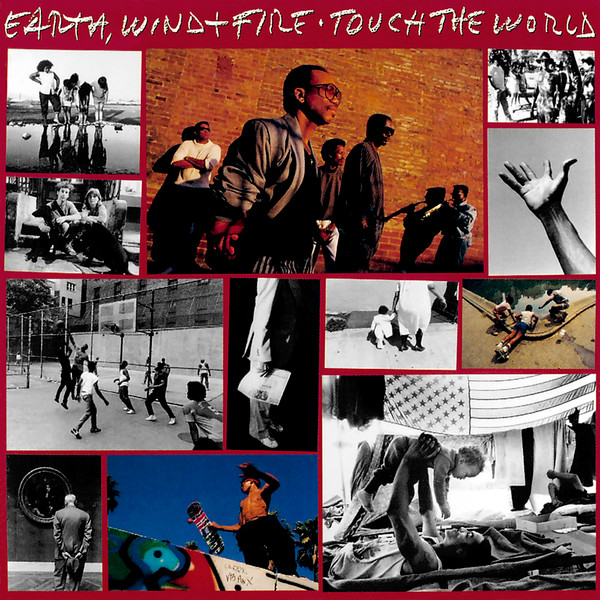
Touch The World
1987
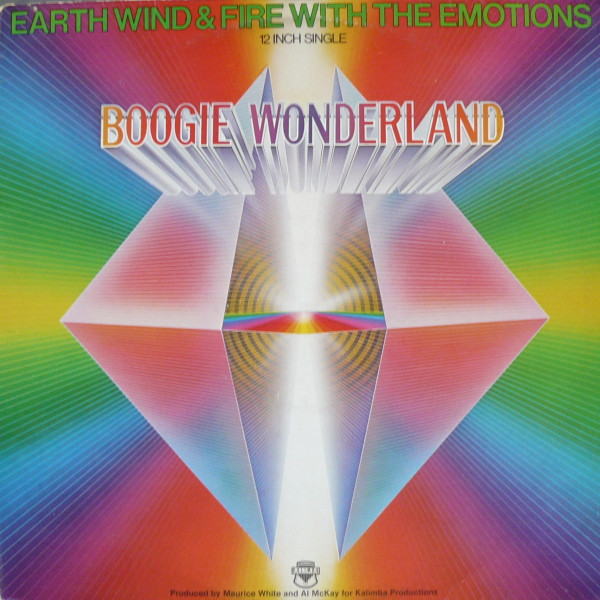
Boogie Wonderland
1979
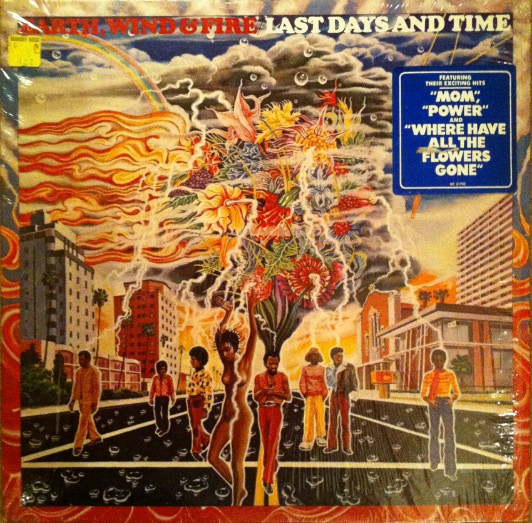
Last Days And Time
1972
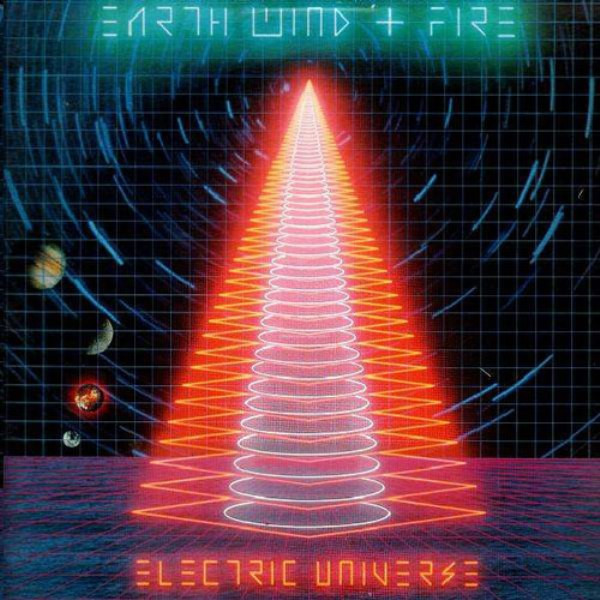
Electric Universe
1983

Let's Groove
1981
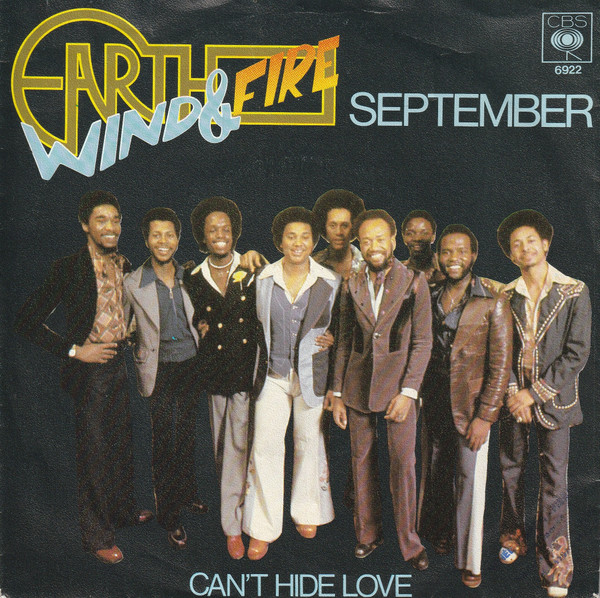
September
1978

Open Our Eyes
1974
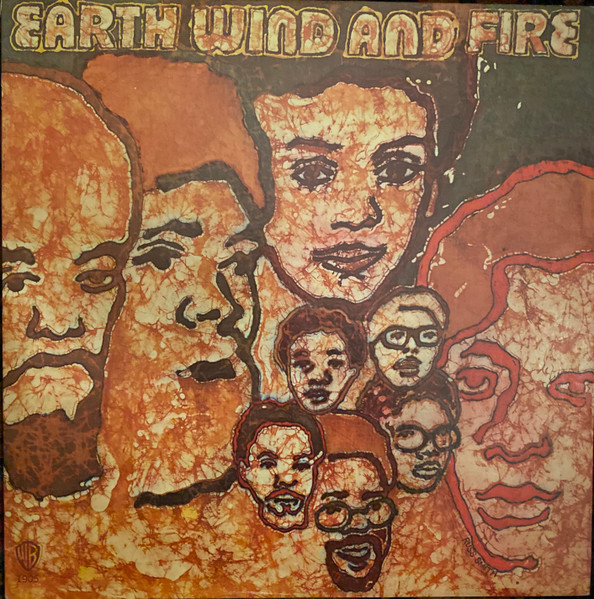
Earth, Wind & Fire
1971

The Essential Earth, Wind & Fire
2002
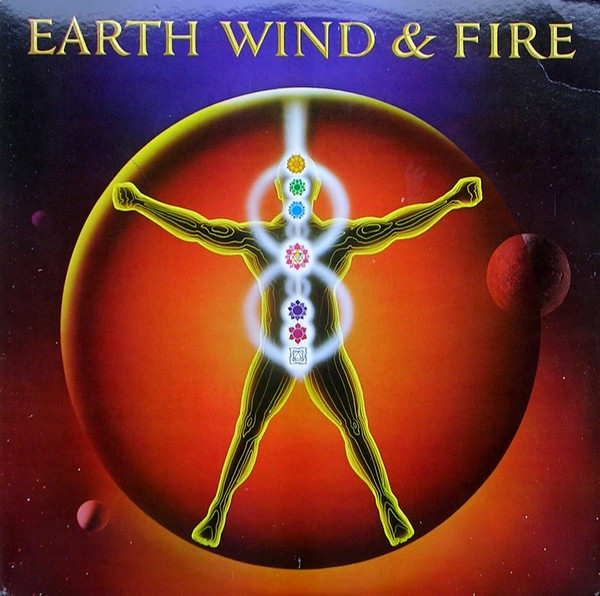
Powerlight
1983
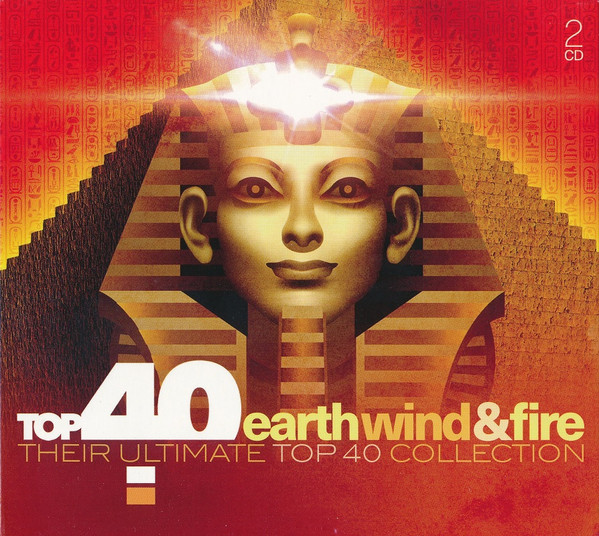
Top 40 Earth, Wind & Fire And Friends (Their Ultimate Top 40 Collection)

Greatest Hits
1998

Getaway
1976

The Need Of Love
1971

Heritage
1990
Related artists
Members
Frequent collaborators
Around the web
Follow every record they touch.
Start your shelf and Gatefold tracks Earth, Wind & Fire's new pressings, tour dates, and the whole discography — automatically.
Start your shelf →Free forever. Works with 10 records or 10,000.